Photo credit: Zaldaingerous/YouTube
Fishing thick cover can be frustrating if you’re not ready for it. Between hang-ups, missed strikes, and spooked fish, it’s easy to walk away skunked. But if you know how to work it, heavy cover can actually hold your best chances at a big bass. These aren’t just basic tips—they’re the kind of tricks that actually help you pull fish from the junk.
Use a Shorter Rod for Better Control

When you’re pitching or flipping into tight spaces, a shorter rod can give you more precision. It helps you avoid snagging branches, pads, or brush while still keeping your bait where it needs to be.
You don’t need a broomstick to haul fish out—something around 6’6″ with a good backbone does the job. You’ll be surprised how much easier it is to navigate tight spots when you’re not swinging a telephone pole.
Peg Your Weights to Punch Through

Unpegged weights can slide up the line and make your bait stall out before it breaks through the cover. Pegging keeps the weight tight to the bait, so it punches cleanly into the thick stuff.
Use a simple rubber bobber stop or a toothpick trick if you’re in a pinch. It keeps your setup compact and gives you a better shot at reaching the fish hiding down deep.
Use Baits That Slip, Not Flap

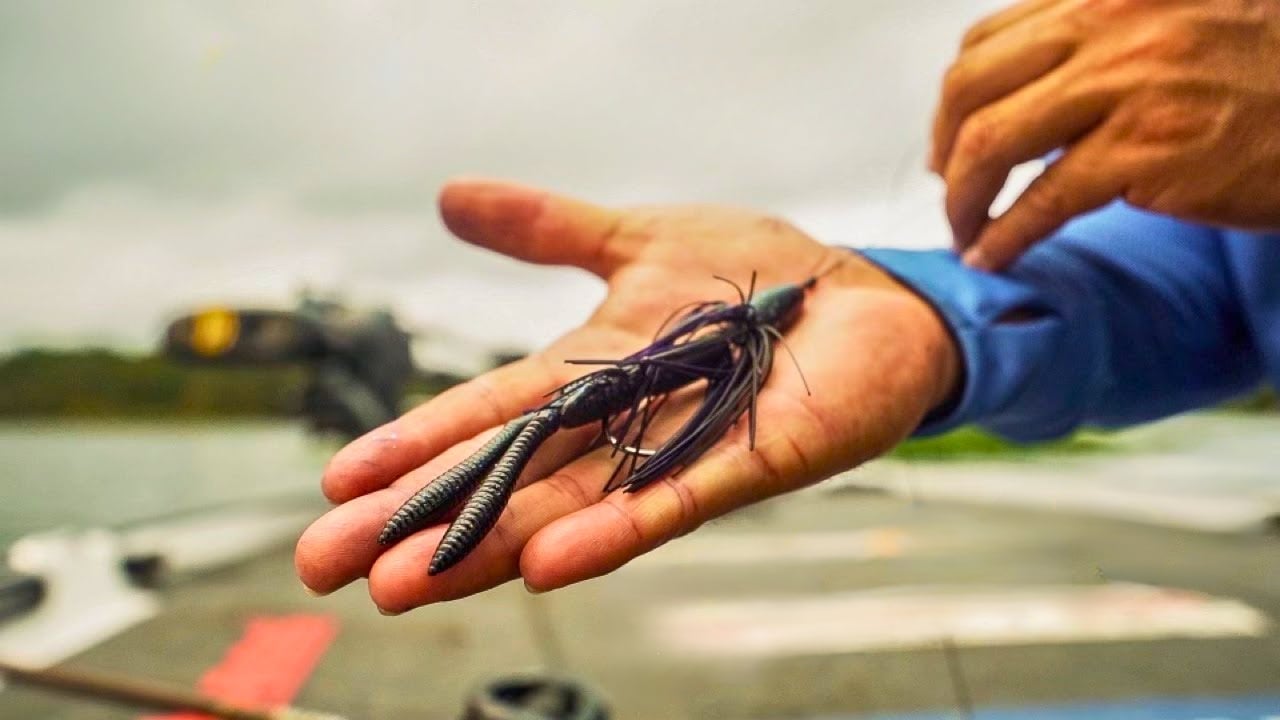
Heavy cover isn’t the place for baits with tons of drag. All that flapping and kicking can slow your drop and catch on everything. You want something streamlined—creature baits or straight-tail worms that slide through clean.
Think about it like sneaking into a room instead of kicking the door in. The quieter and quicker your bait gets in, the more likely you are to get bit before the fish get wise.
Go Heavy on the Line

Fluoro’s great for most things, but when you’re fishing gnarly stuff, braid’s your best friend. You need something that cuts through vegetation and doesn’t fray the second it touches wood.
Stick with 50- to 65-pound braid. It might feel overkill until you hook a five-pounder wrapped in milfoil. That’s when you’ll be glad you didn’t go light.
Flip From Different Angles

If you’ve hit a spot a few times with no luck, change your angle. Fish can get conditioned real fast, especially in pressured areas. Hitting cover from the opposite side can make all the difference.
It might take a few more casts, but it’s worth it. Sometimes a fish just needs to see the bait come in from a direction they weren’t expecting.
Stay Quiet and Low

Heavy cover might make you feel hidden, but bass are still on edge. Clanking around the boat or casting too hard can send them scattering. Keep things low and quiet—no banging gear or stomping on the deck.
Even on a kayak or the bank, crouch down when you’re close to the fish. Bass in cover are usually shallow, and they’ll spook fast if they catch movement above.
Stick With It and Be Patient

Heavy cover fishing isn’t about burning bank. You’re going to hang up. You’re going to miss strikes. But if you stay patient and work the spot, it’ll pay off.
Some of the best bites come after you’ve made a dozen pitches into the same hole. Don’t give up just because you haven’t felt a tug yet—bass often need a little coaxing before they commit.
*This article was developed with AI-powered tools and has been carefully reviewed by our editors.