Photo credit: Neil Podoll/ Shutterstock.com
Bowhunting will humble you faster than just about anything else in the woods. It’s not like gun hunting where a little distance can cover up a mistake. When you’re up close with a bow, every bad move gets exposed. Some lessons you just have to learn the hard way—usually after you blow a few opportunities. Here are eight of the hardest ones.
You’ll Always Be Closer Than You Think

A lot of folks imagine long-distance bow shots like you see on TV. Reality is, most real-world shots happen inside 30 yards, and plenty of them are way closer than that.
Animals don’t act like targets—they move, they angle, they stop short. If you’re not ready for a tight shot or a weird angle, you’re going to blow it. Practice for 10 to 25 yards more than anything else, because that’s where most bowhunts are won or lost.
Movement Matters More Than Anything

You can have the best camo in the world and still get busted if you move wrong. A deer’s eyes are tuned for spotting motion, and they’ll pick you off quicker than you think.
Drawing your bow at the wrong time will wreck your hunt faster than bad wind. Learn to move when their head is down or when they’re behind cover. You’re not invisible out there—you’re just trying to stay ignored.
Perfect Shots Are Rare
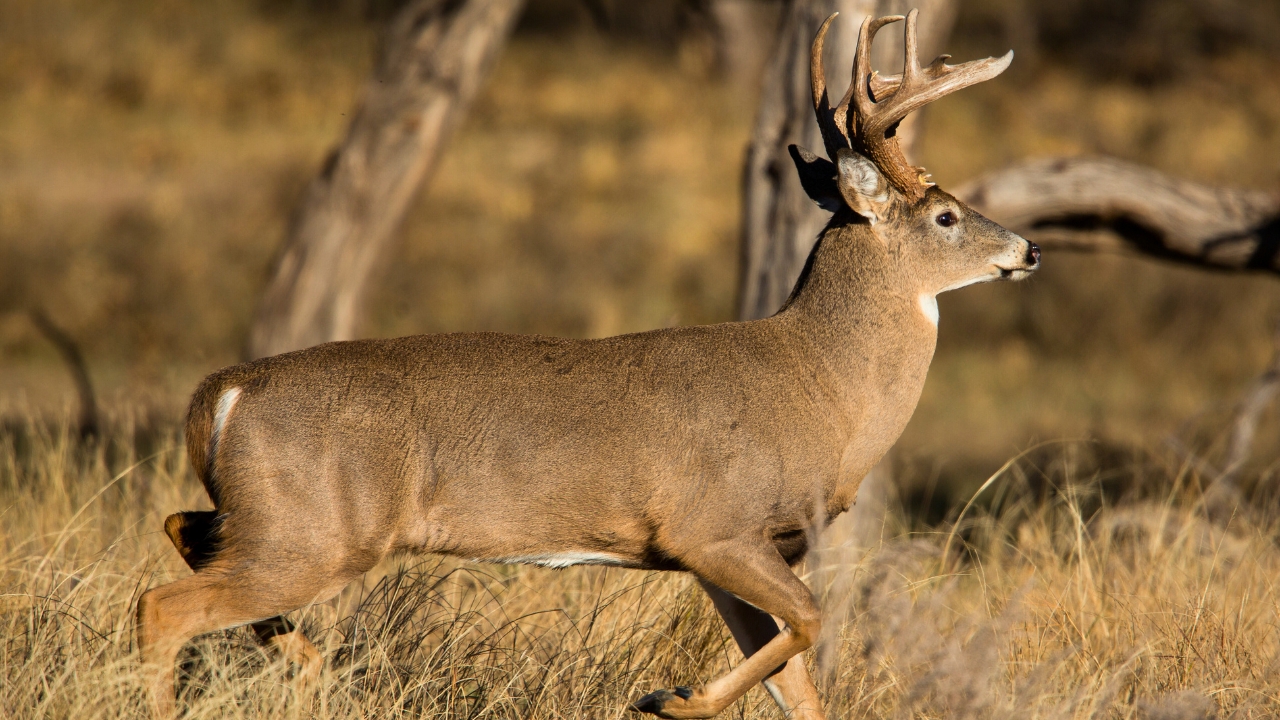
Waiting for a picture-perfect broadside shot sounds good in theory. But if you stick to that idea too hard, you’re going to eat a lot of tags. Reality is, you’ll have to learn when a quartering-away shot is good enough—and when to pass.
It’s about knowing anatomy, trusting your judgment, and making the best decision you can in real time. Hesitate too long, and the window’s gone. Rush it, and you’ve got a wounded animal. There’s no shortcut—you figure it out with experience.
You’re Going to Get Busted Sometimes

No matter how good you are, how careful you are, or how much you plan, sometimes you’re still going to get busted. Wrong wind, a snapping twig, or just plain bad luck—it happens.
The key is not letting it mess with your head. Take a breath, learn from it, and move on. Getting discouraged only makes you hunt worse. Every blown stalk or spooked deer teaches you something if you’re paying attention.
Tracking Isn’t as Easy as It Looks

Even a perfect shot doesn’t guarantee an easy recovery. Blood trails can dry up, animals can double back, and thick cover can hide sign better than you’d think. Tracking is a skill that takes real patience.
Move slow, mark every drop, and don’t assume you know where they went. Pushing too soon after a hit is one of the fastest ways to lose a deer. Sometimes waiting an extra hour is the difference between recovering your buck or losing it.
Gear Won’t Save You

You can buy the best bow, the best broadheads, and all the high-end camo you want—but none of it will make up for poor shot placement or bad fieldcraft. Bowhunting success comes from practice and smart decisions, not a fancy gear setup.
Good gear matters, but it’s not a magic wand. You still have to get close, stay hidden, and make your shot under pressure. Spend more time practicing and less time shopping if you want to get better.
Patience Will Break You If You Let It

Sitting still for hours, waiting for the right shot, passing on deer that aren’t positioned right—it all wears on you. Bowhunting tests your patience harder than almost anything else outdoors.
There’s a point where boredom and frustration try to take over. You start thinking about moving, rushing, or forcing a shot. Fight that urge. Patience kills deer. Movement and impatience just educate them.
You’ll Miss—and You Have to Shake It Off

No matter how much you practice, at some point you’re going to miss. Could be nerves, a bad range guess, a ducked arrow—doesn’t matter. It stings, but it’s part of the game.
What separates good bowhunters from frustrated ones is what they do next. Learn from it, check your setup, and get back after it. Bowhunting isn’t about perfection. It’s about adapting and not letting one bad shot define the whole season.
*This article was developed with AI-powered tools and has been carefully reviewed by our editors.