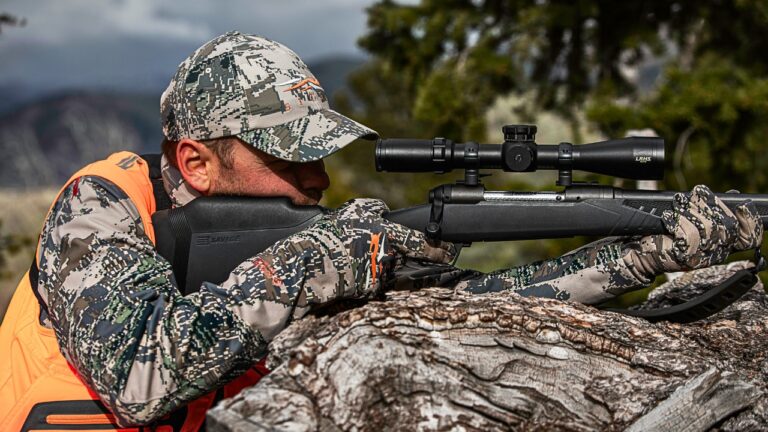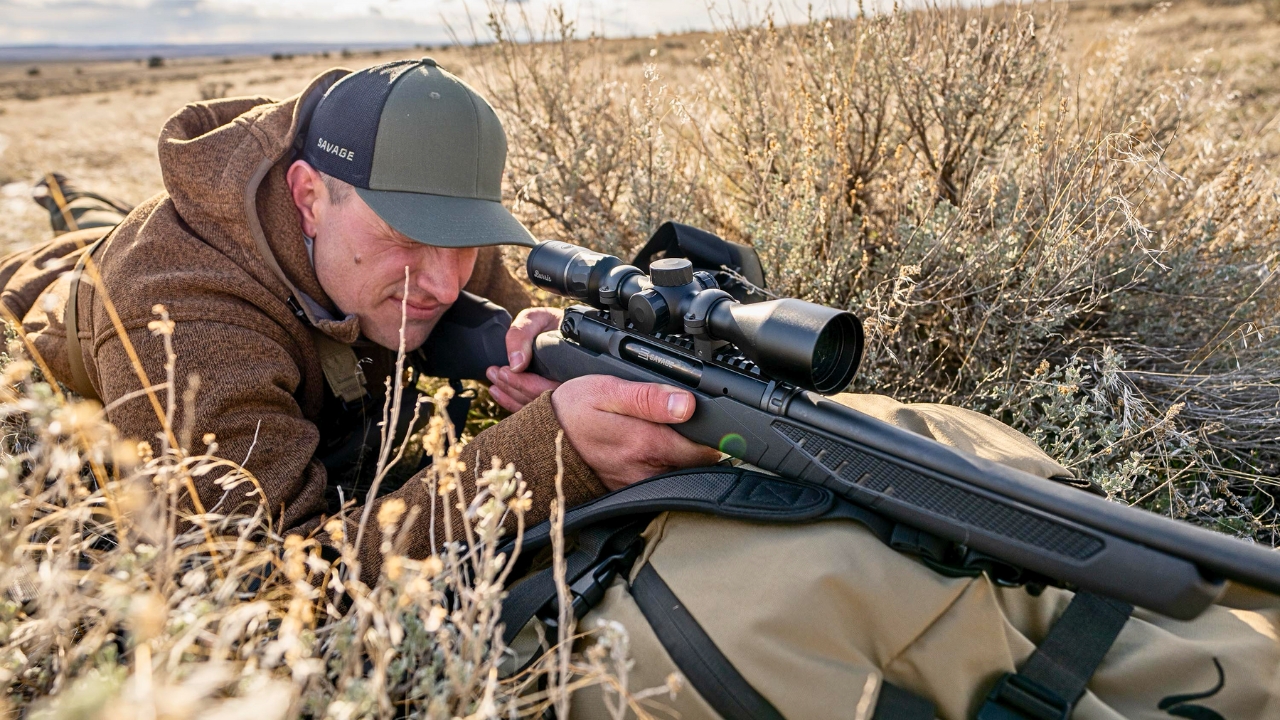
Photo credit: Savage Arms
A lot of modern rifle trends look like progress right up until you’re the one paying for them and trying to shoot through them. The gear gets nicer, the price tags get uglier, and somehow your groups don’t shrink the way the marketing promised. That’s not because new gear is bad. It’s because some trends push hunters toward buying complexity, recoil, and “features” that don’t actually help them place shots better in the field.
The dirty secret is that most hunters don’t shoot worse because they’re lazy. They shoot worse because they practice less, and they practice less because their rifle setup became expensive, uncomfortable, or fussy. When your rifle feels like a project and every range trip feels like a bill, your confidence fades fast. These are the rifle trends that keep getting hunters to spend more and shoot worse.
Overbore magnums as the default answer
Overbore magnums sell the idea that speed fixes everything. Flatter trajectory, more energy, more margin. On paper, it sounds like a clean upgrade. In real life, it often turns into a rifle that’s louder, harder-kicking, and harder on barrels than the buyer expected. That matters because recoil and blast don’t just hurt your shoulder. They change how you practice. They make you tense up, rush shots, and avoid long sessions.
The money side is just as real. Ammo costs more, barrel life can be shorter, and you end up second-guessing every practice string like you’re burning dollars with each trigger press. The result is predictable: less range time and more flinch. A cartridge can be powerful and still be a bad fit if it makes you train less. Most hunters don’t need “more cartridge.” They need a rifle they’re willing to shoot enough to stay sharp.
Ultra-light rifles paired with hard-kicking cartridges
The ultra-light rifle trend makes sense when you’re thinking about miles on foot. Then you get to the range. A light rifle in a stout cartridge can feel like a punishment device. It recoils sharper, moves more in the shot, and makes it harder to stay relaxed behind the gun. That’s a bad combination for building good habits. You end up bracing, anticipating, and “surviving” the shot instead of learning to run the rifle clean.
The expensive part comes after you realize you don’t enjoy practicing with it. Now you’re buying muzzle brakes, recoil pads, and sometimes a different stock to try to calm it down. Or you simply avoid practice and tell yourself you’ll be fine in the field. That’s how hunters end up spending more and shooting worse. A rifle you love carrying but hate shooting is not a smart setup. It’s a compromise that keeps charging you.
Complicated optic setups that outpace your skill
Modern optics have become incredible, but some hunters buy scope capability they don’t know how to use under pressure. Tall turrets, complex reticles, and dialing systems can be extremely effective if you practice with them. If you don’t, they become distractions. Hunters end up staring at knobs, second-guessing holds, and burning time when they should be settling the shot.
The spending spiral is common too. You buy the expensive scope, then the rings, then the rail, then the level, then the bubble, then the turret cap tools, and suddenly your “simple hunting rifle” looks like a precision rig you barely understand. When a shot shows up fast, complexity makes you hesitate. When you hesitate, you miss or make a poor hit. Optics should make shooting simpler, not turn it into a checklist. The best hunting scope is the one you can actually run without thinking.
Tall mounts and “chin weld” as normal
Too many modern hunting rifles end up with optics mounted so high that the shooter loses a solid cheek weld. People accept it because the rifle looks modern, the rings look tactical, or they needed clearance for a giant objective bell. The result is a floating head position that makes your sight picture inconsistent. That inconsistency shows up as wandering groups, parallax mistakes, and a general sense that the rifle is never quite the same shot twice.
Then you start buying fixes. Cheek risers, new stocks, adjustable combs, and different mounts. Or you keep shooting it with a chin weld and wonder why your confidence never locks in. A stable head position is one of the simplest accuracy tools you can have, and it costs nothing. But this trend convinces hunters to spend money while ignoring a basic truth: if your face doesn’t land in the same place every time, your rifle won’t either. Comfort and repeatability matter more than looking current.
Trigger chasing instead of trigger control
A better trigger can help, but chasing triggers has turned into a money pit for a lot of hunters. The trend is to replace the factory trigger immediately, then keep replacing it until it feels “perfect.” The problem is that a perfect trigger does not fix poor fundamentals. If you’re yanking the gun, breaking your cheek weld, or rushing the shot, a nicer trigger won’t save you. It may actually mask the problem until it shows up in the field.
The other issue is that too-light triggers can create bad habits if you’re not disciplined. Some shooters start slapping at it because it’s “so crisp,” then lose clean follow-through. The best hunting trigger is the one you can run safely and consistently when you’re cold, tired, and wearing gloves. If you spend hundreds chasing a feel while skipping practice, you’re paying for comfort at the bench and losing performance where it counts.
Brake everything, then flinch from the blast anyway
Muzzle brakes are everywhere now, and they can help with recoil control. The problem is how often they get used as a shortcut instead of a complete plan. A brake reduces rearward kick, but it increases blast and noise. That blast can be brutal for the shooter and miserable for anyone beside them. Many hunters end up flinching anyway because the rifle becomes loud and violent in a different way. You might save your shoulder and still wreck your shot timing.
The spending spiral shows up here too. Brake, then suppressor, then thread work, then new barrel, then new stock because now the rifle feels front-heavy. Or you just stop practicing because the whole experience is unpleasant. If you need recoil management, that’s fine. But recoil control that makes the rifle unbearable to shoot regularly is a bad trade. You want a setup you’ll actually train with, not one you avoid until opening day.
“Long-range hunting” as identity instead of skill
The long-range hunting trend sells an image: dial a turret, send it, tag filled. The reality is that long shots demand more than gear. They demand real practice, wind reading, position building, and the discipline to pass shots when conditions aren’t right. A lot of hunters buy into the identity before they buy into the work. They spend big on rifles and optics, then don’t train enough to make those tools meaningful.
That gap is where shooting gets worse. When you believe your setup can do more than you can, you attempt shots you shouldn’t. Or you hesitate because you’re not sure, and the moment collapses. Either way, the result is missed opportunities or bad hits. The truth is simple: longer range doesn’t make you a better hunter. Better decisions do. If your “long-range rig” makes you practice less because it’s expensive and harsh, it’s not progress. It’s a trend that costs you skill.
Constant tinkering instead of building familiarity
Modern rifles are easy to modify, and that’s part of the problem. People change stocks, add rails, swap bipods, replace rings, try new ammo, move the scope, change levels, and never actually settle into a stable system. Every change resets your familiarity. Your zero gets checked again, your confidence gets shaky again, and you spend more time adjusting than learning.
This trend is expensive and it makes you shoot worse because you never build a real relationship with the rifle. You can’t learn your holds, your recoil rhythm, your natural point of aim, or your field positions if the rifle keeps changing. Hunters used to buy a rifle and live with it. Now some buy a rifle and immediately start rebuilding it, then wonder why nothing feels consistent. Familiarity wins more hunts than gadgets ever will.
Ammo “specialization” that keeps you from practicing
Ammo trends push hunters toward niche loads, boutique bullets, and hard-to-find calibers that feel premium. Sometimes those loads are excellent. The downside is that they can make practice harder, not easier. If ammo is expensive or scarce, you shoot less. If you shoot less, you get worse. It’s that simple. You can’t build real confidence on two boxes a year and a few shots before season.
The worst part is the mental trap. You tell yourself the ammo is so good you don’t need to practice as much. That’s backwards. The best ammo in the world doesn’t fix poor trigger work, bad positions, or shaky wind calls. A hunting setup should encourage reps, not discourage them. The smartest trend would be choosing a rifle and cartridge you can afford to shoot often. Most of the gear trends do the opposite: they raise the cost per trigger pull and quietly drain skill right out of the shooter.
Like The Avid Outdoorsman’s content? Subscribe to our newsletter so you never miss an article.
Here’s more from us: