Photo credit: Harry Collins Photography/Shutterstock.com
Every deer camp has a guy who swears his pet caliber “drops them where they stand.” But if you’ve skinned enough deer, you know some rounds die on the shoulder—literally. They hit with speed but not with the kind of penetration needed to reach vitals when bone or heavy muscle gets in the way. These aren’t useless cartridges; they all have a place for small game, predators, or light-framed deer. The problem comes when hunters expect too much. A bullet that looks great on paper doesn’t always translate into real-world power. If you’re tired of blood trails that go cold, these are the calibers that might be to blame.
.22 Long Rifle
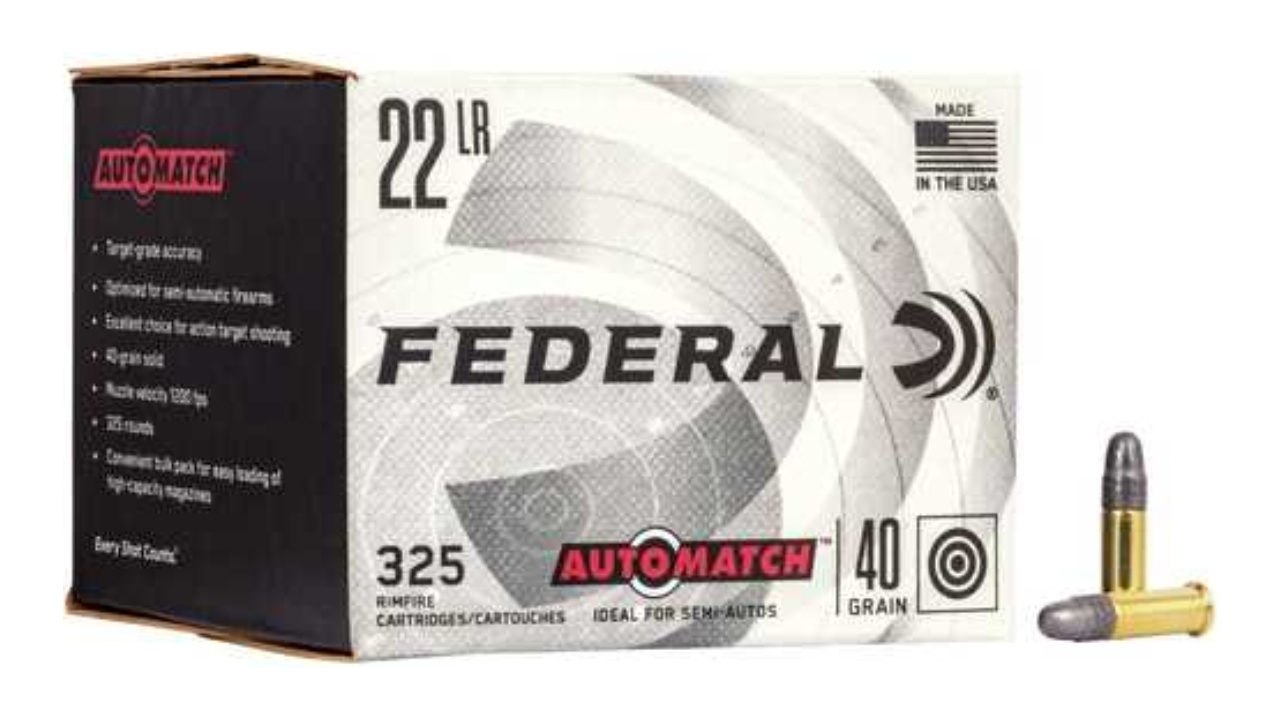
The .22 LR is the all-American plinker and small-game favorite, but it doesn’t belong on a whitetail’s shoulder. It simply lacks the velocity and bullet weight to penetrate deeply enough for ethical kills. Even with hyper-velocity loads, the .22 can’t break heavy bone or muscle.
Plenty of old-timers have taken deer with one, but that doesn’t make it right. The margin for error is razor-thin, and poor shot placement usually ends in a wounded animal. It’s fine for squirrels, rabbits, or varmints—but on deer, it stops at the surface. The .22 LR teaches good marksmanship, not terminal performance.
.22 WMR
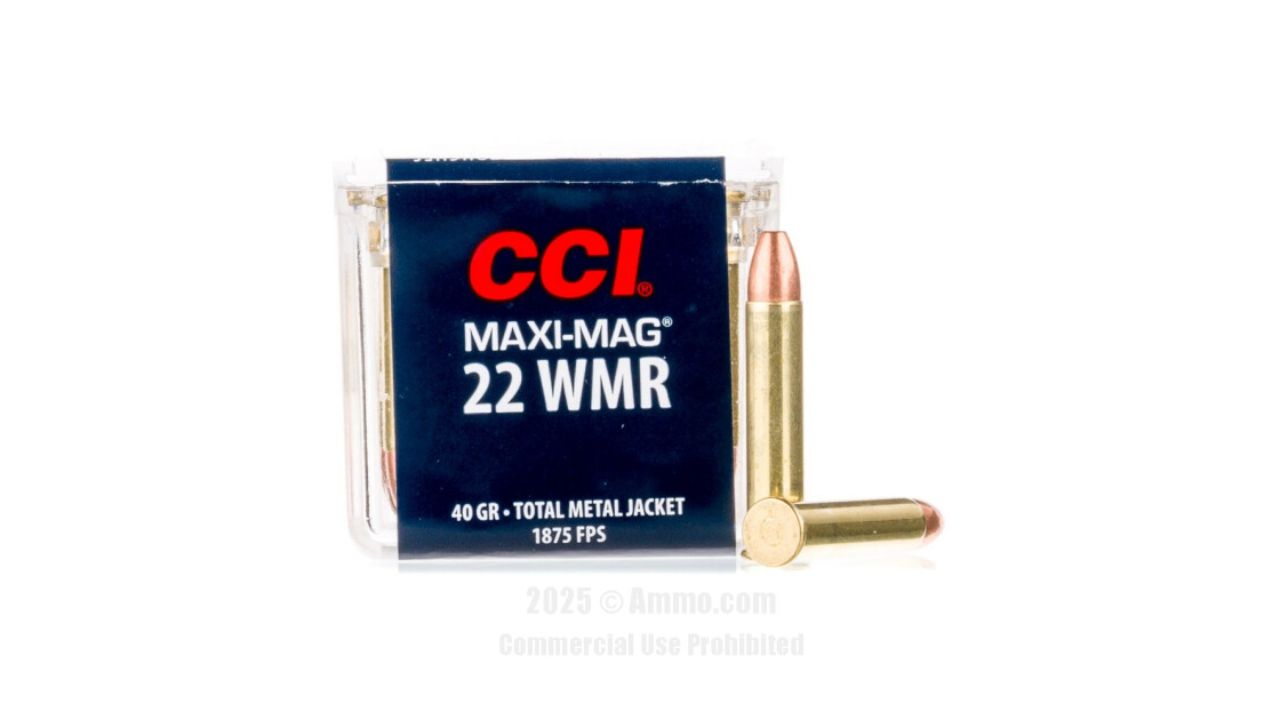
The .22 Magnum looks impressive compared to the .22 LR, but that extra velocity doesn’t turn it into a deer cartridge. Its lightweight bullets—usually between 30 and 50 grains—fragment easily on impact, especially against bone.
The round shines for fox, raccoon, and coyote hunting but struggles to reach vitals through the shoulder of a whitetail. Penetration is shallow, expansion is erratic, and energy loss happens fast past 100 yards. Hunters who use it on deer are gambling with a cartridge that was never built for the job. It’s accurate and fun—but not for big game.
.17 HMR

The .17 HMR is a marvel of precision and speed, but it’s built for varmints, not venison. Its tiny 17- or 20-grain bullets explode on contact, creating shallow wounds that fail to reach vital organs when bone or shoulder tissue is hit.
It’s perfect for prairie dogs or groundhogs where expansion is an asset. But for deer-sized animals, that same fragility becomes a fatal flaw. Even with perfect placement, penetration is unreliable. It’s one of the most fun rimfires to shoot, but not one you should ever bring into deer season.
.223 Remington

The .223 Remington can drop small deer with precision shots behind the shoulder—but it’s inconsistent when hitting the shoulder itself. Light bullets at high velocity often fragment before reaching the lungs or heart.
Heavier, bonded bullets can improve penetration, but even then, the margin is thin. The .223’s speed works against it in close brush where bone and muscle can deflect energy. It’s a capable predator round, but for bigger-bodied deer, you’re walking a fine ethical line. Plenty of hunters use it—but that doesn’t mean it’s always enough.
.22-250 Remington

The .22-250 is lightning-fast and accurate, famous for turning coyotes inside out. But its varmint-class bullets weren’t designed to punch through the shoulder of a whitetail. They’re thin-jacketed, explosive, and prone to fragmentation on impact.
Heavier hunting loads exist, but they still lack the sectional density for deep penetration. You might drop a doe with a clean lung shot, but if that bullet meets shoulder bone, it won’t make it to the vitals. The .22-250 belongs in open country chasing small targets, not in deer blinds where tougher shots are common.
.204 Ruger
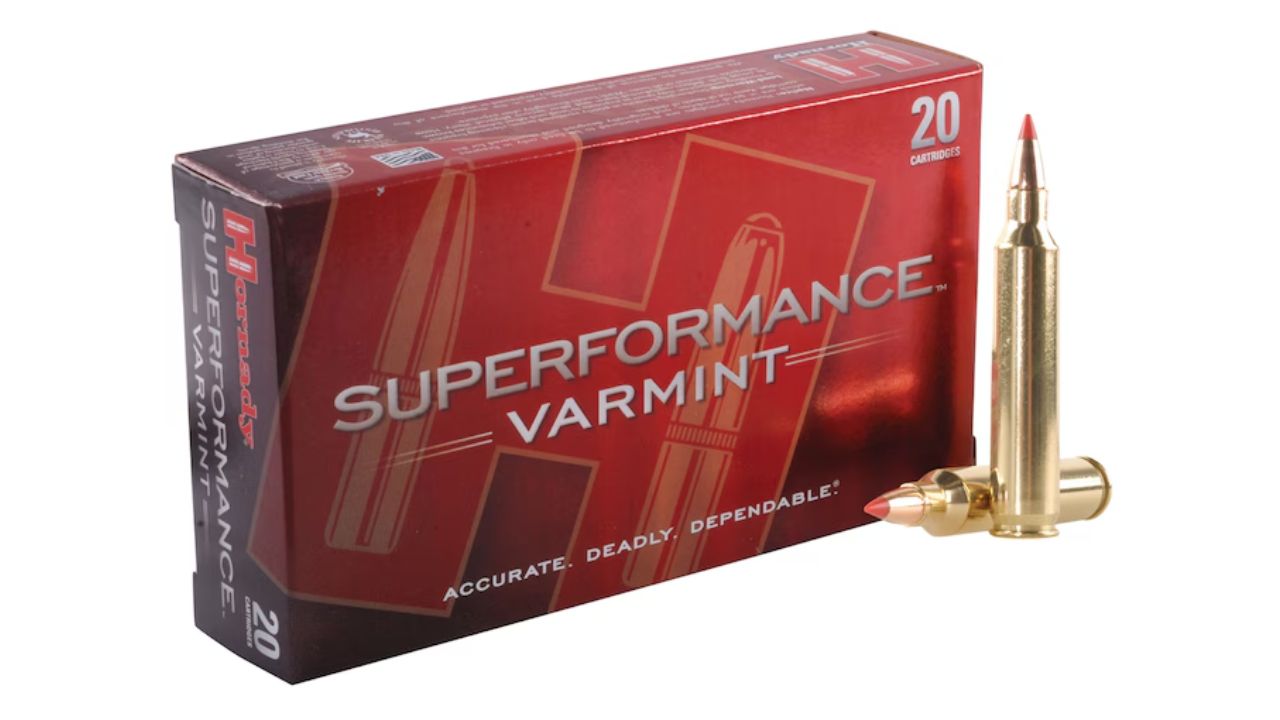
The .204 Ruger is a ballistic marvel that flattens varmints with ease, but on deer-sized animals, it runs out of steam fast. Its ultralight bullets—usually around 32 to 40 grains—shatter on contact and rarely penetrate more than a few inches through dense tissue.
Even with perfect shot placement, the lack of bullet weight and momentum becomes a problem. It’s an incredible cartridge for coyotes or prairie dogs, but when bone gets involved, it stops dead. No matter how fast it flies, you can’t make up for mass it doesn’t have.
.30 Carbine

The .30 Carbine earned its fame in WWII but was never meant for hunting large game. It fires a 110-grain bullet at moderate speeds—enough for varmints or hogs but marginal for deer.
When that bullet hits a shoulder, it lacks the momentum to drive through to the lungs or heart. Hunters have used it at close range, but it’s not dependable when bone enters the picture. It’s a nostalgic round with history and charm, but performance-wise, it’s more bark than bite on deer-sized game.
5.45x39mm

The 5.45x39mm, the Soviet answer to the 5.56 NATO, is accurate and light recoiling but underwhelming in terminal performance. Its military-style FMJ bullets are designed to yaw and tumble, not expand.
Against the shoulder of a whitetail, that lack of expansion and limited energy mean poor penetration. Even expanding civilian loads don’t offer much improvement. It works fine for target shooting or varmints, but when it comes to breaking through bone and muscle, it simply doesn’t have the mass or design for the job.
.30-30 Winchester with light loads

The .30-30 Winchester is a legend—but only when loaded properly. Lighter, soft-point or reduced-recoil loads can fail to punch through the shoulder of heavier-bodied deer, especially at longer distances.
Old-school 170-grain loads do much better, but the trend toward “mild recoil” options has led some hunters to expect too much from less. A .30-30 can still drop any whitetail cleanly—but not when underloaded. If you’re using it, choose bullets meant to stay together after hitting bone. Otherwise, you’ll watch that round flatten out on the surface.
.300 Blackout (subsonic loads)
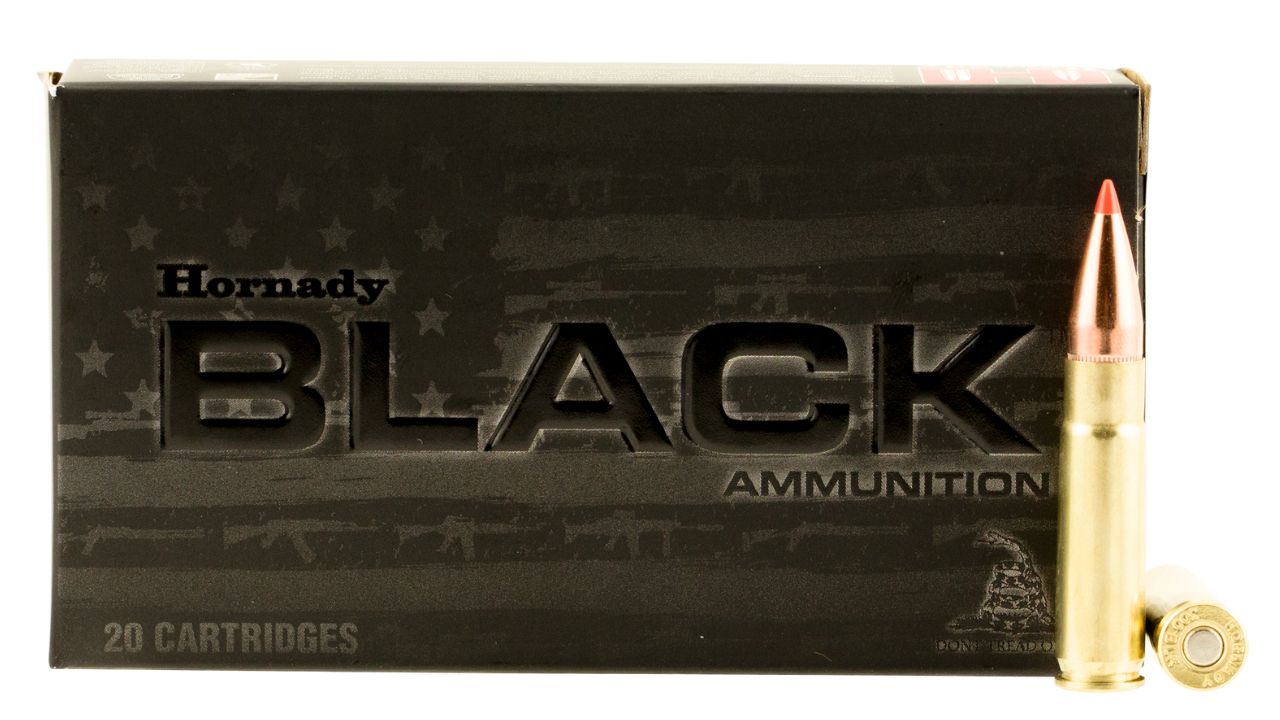
Subsonic .300 Blackout loads are great for suppressed shooting and home defense—but they’re terrible for shoulder shots on deer. Moving around 1,000 feet per second, they lack the velocity and energy to expand or penetrate properly.
Even with expanding bullets, subsonics stop short when hitting dense tissue or bone. Supersonic loads can handle deer better, but subsonic hunting is an ethical gray area. It’s quiet, but quiet doesn’t kill cleanly when you can’t reach the vitals.
.22 Savage Hi-Power
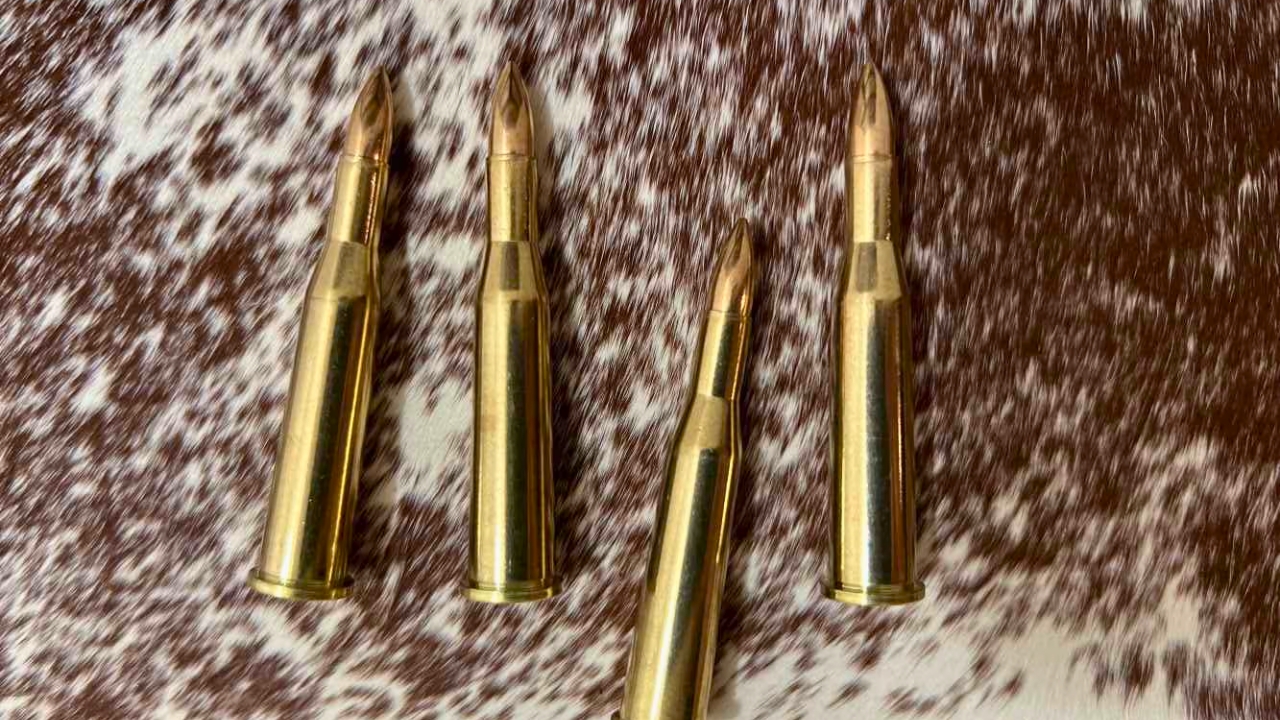
The .22 Savage Hi-Power once made waves as an all-around hunting round. Early marketing claimed it could take everything from deer to bear, and for a while, it did—barely.
Its 70-grain bullet sounds impressive, but poor bullet construction meant shallow penetration. Against a whitetail’s shoulder, it would often fail to reach vital organs, leaving animals wounded. Modern hunters quickly learned it wasn’t reliable for larger game. It’s an interesting piece of history, but history is where it belongs.
.25-20 Winchester
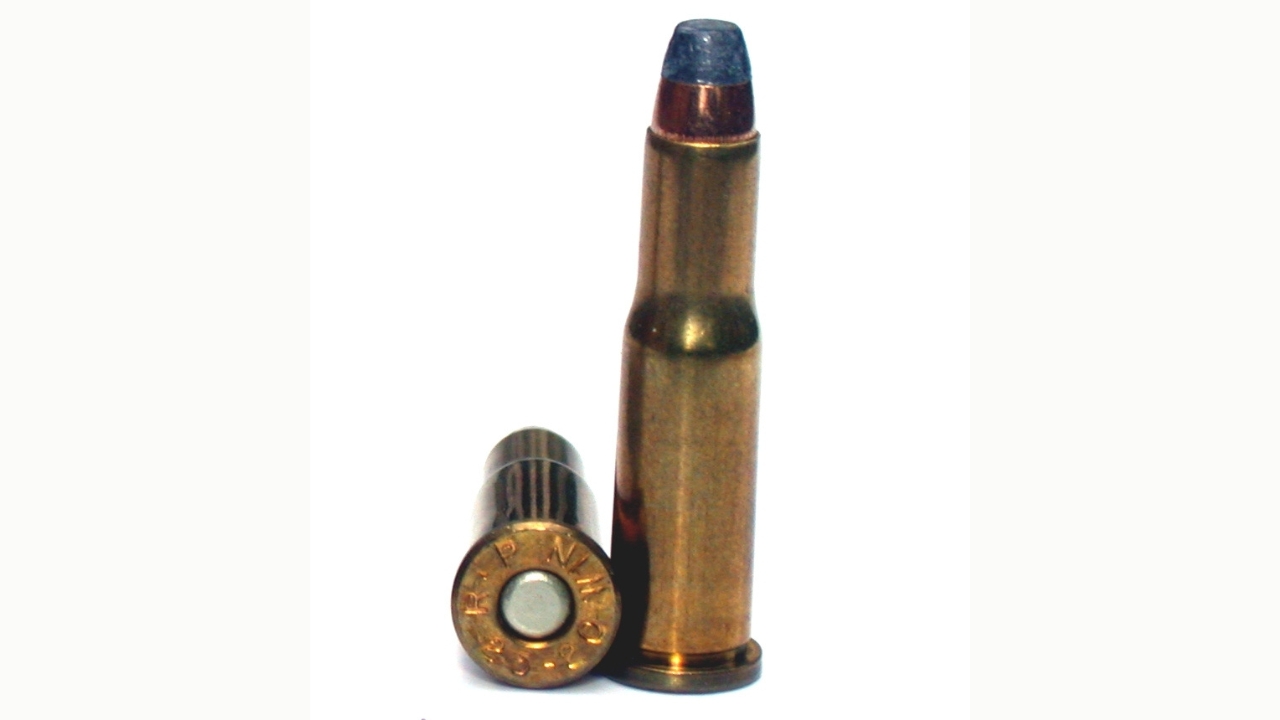
The .25-20 started life as a varmint and small-game round but eventually found its way into deer camps a century ago. Hunters used it because it was what they had, not because it worked well.
With velocities under 1,500 feet per second, it struggles to penetrate bone or muscle on medium-sized game. Even the heaviest bullets lack sectional density for deep wounds. It’s a charming old cartridge, but on a deer shoulder, it’s as effective as a stiff breeze.
.357 Magnum (from short barrels)

The .357 Magnum can drop a deer with the right load—but not from a snub-nosed revolver or short carbine. Out of short barrels, velocity drops fast, and expansion becomes unreliable.
A 158-grain soft point might work broadside, but it won’t break a shoulder. Hunters using handguns for deer need every inch of barrel and every foot-pound of energy they can get. The .357 is capable—but only when given a fighting chance. Otherwise, it dies on contact.
.410 Bore Slug

The .410 slug can take deer—but only at close range and with perfect placement. Its low mass and modest velocity make shoulder shots a gamble. When it hits bone, it tends to flatten or deflect instead of penetrating through to the vitals.
Many states allow it for deer, but “legal” doesn’t always mean ethical. Inside 30 yards with a clean angle, it can work. Beyond that, or through the shoulder, it simply doesn’t deliver. It’s a small-bore tool in a big-game job.
.38 Special
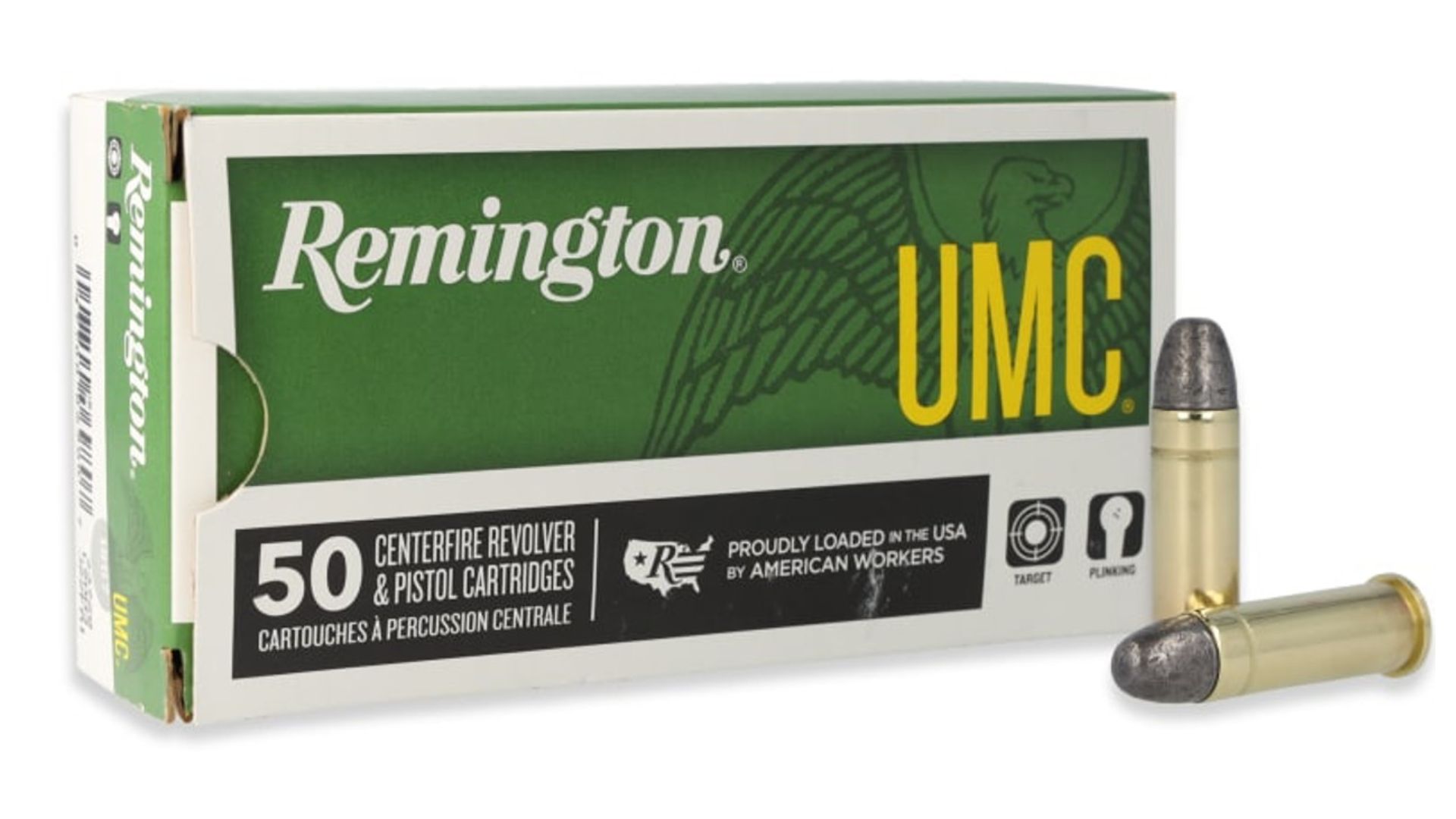
The .38 Special remains one of the most carried revolver rounds in history, but it’s a poor choice for deer. Even +P loads lack the velocity and energy to punch through a whitetail’s shoulder. Expansion is limited, and the round’s slow pace means it dumps energy early.
It’s accurate and manageable, but penetration is shallow, especially with hollow points. For self-defense, it’s fine. For deer? Not even close. The .38 Special is meant for soft targets at short range—not muscle and bone in the woods.
Like The Avid Outdoorsman’s content? Be sure to follow us.
Here’s more from us:
The worst deer rifles money can buy
Sidearms That Belong in the Safe — Not Your Belt
*This article was developed with AI-powered tools and has been carefully reviewed by our editors.