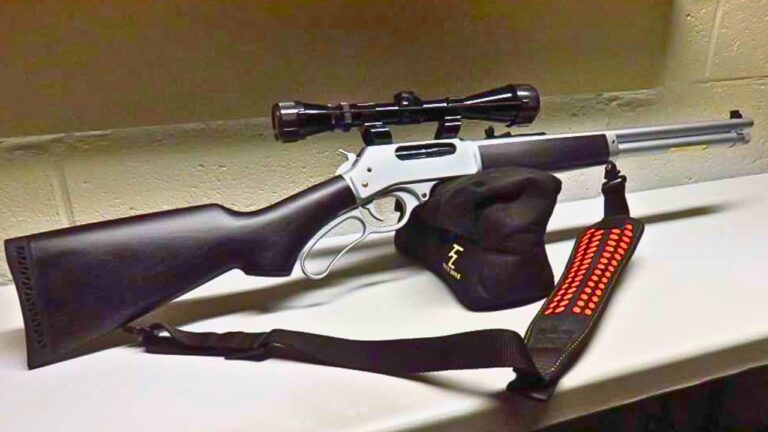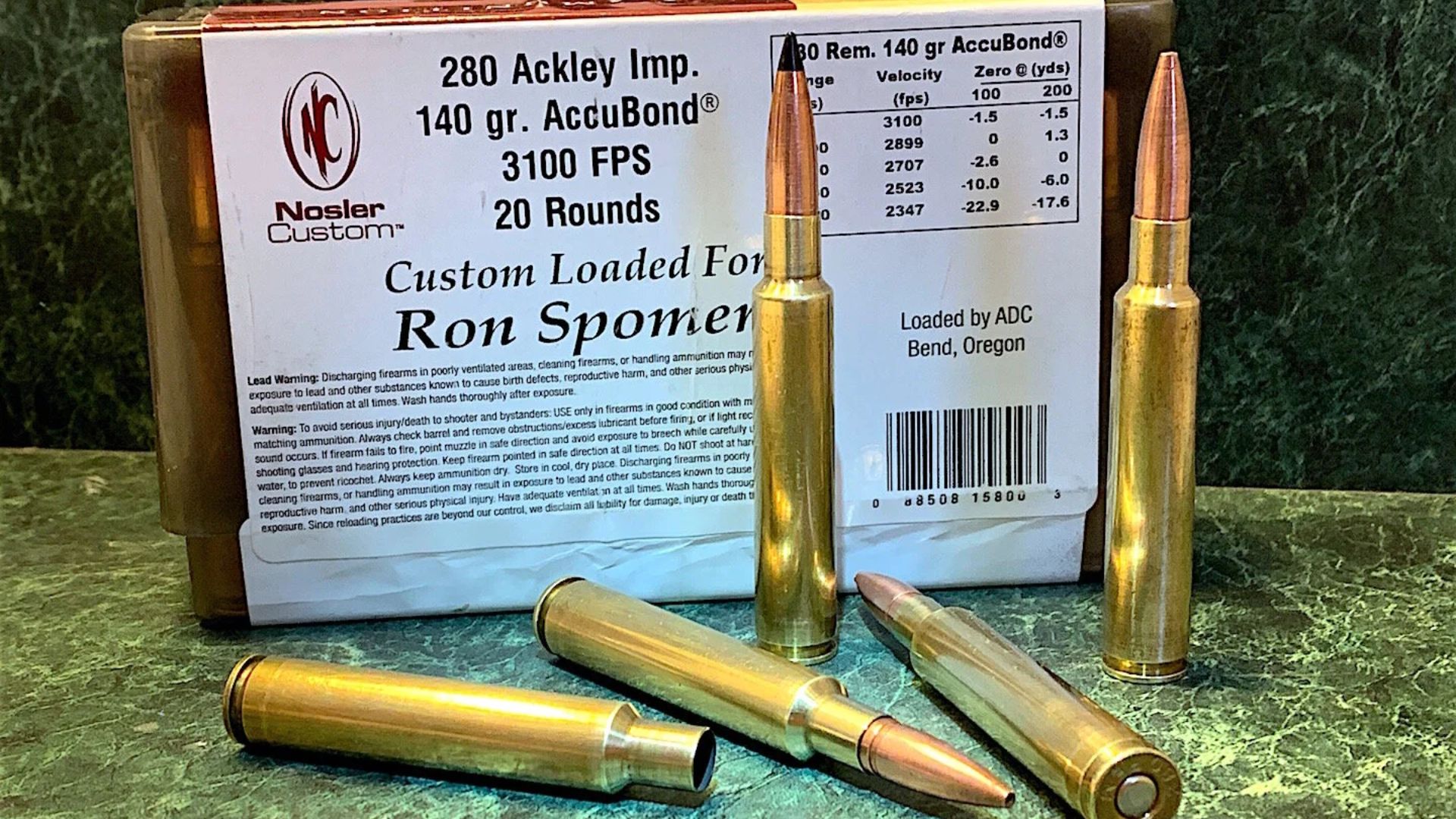
Photo credit: Ron Spomer Outdoors
Most hunters don’t pick a cartridge because it’s perfect for their terrain and the way they actually shoot. They pick what their buddies shoot, what they’ve always shot, or what they can find stacked deep at the local store. That’s not always wrong, but it does leave performance on the table. The “less-known” cartridges that help you most usually aren’t magic. They’re just better matched to one specific problem: recoil you can control, wind you can beat, range you can realistically use, or penetration that holds up when angles aren’t ideal.
The edge isn’t about having something obscure so you feel different. It’s about putting together a rifle-and-ammo combo that lets you shoot well when you’re cold, tired, and shooting from a less-than-perfect position. If a cartridge gives you flatter trajectory without punishing recoil, or it holds energy better without turning your shoulder into hamburger, that’s an advantage you’ll actually use. The trick is picking one that fits your hunting and won’t leave you stuck when ammo is hard to find.
The real “edge” is shootability, not raw power
A cartridge that kicks less and shoots flatter can beat a bigger cartridge if it lets you place shots cleanly and quickly. Most hunters don’t miss because their cartridge was too small. They miss because they rushed the shot, flinched, or lost the sight picture and couldn’t confirm where the bullet actually went. A cartridge that you can practice with more often, and shoot more honestly, usually creates better outcomes than something you only shoot a few rounds a year because it’s unpleasant.
That’s why some of these less-common cartridges are worth considering. They often sit in the sweet spot where you get modern bullet performance and strong external ballistics without forcing you into magnum recoil. If you can keep your fundamentals clean and your follow-up shots faster, that’s a real advantage in the field, especially when the animal doesn’t give you a perfect broadside at a relaxed pace.
.280 Ackley Improved: the “easy button” for 7mm performance
The .280 Ackley Improved is one of those cartridges that people dismiss because it doesn’t have the mainstream hype of the latest PRC trend, but it keeps stacking wins in real hunting rifles. With modern bullets, it shoots flat, holds energy well, and gives you the kind of 7mm terminal performance that works across deer, elk, and everything in between without turning into a full-blown magnum punishment session. It’s also a cartridge that tends to shoot well in rifles that aren’t heavy, which matters when you’re hiking and carrying all day.
The edge here is balance. You get strong downrange performance, good wind behavior with the right bullet, and recoil that most hunters can actually manage without building a flinch. If you’re the kind of hunter who wants one rifle that can cover a lot of ground, and you’re willing to plan ahead on ammo, this cartridge makes a lot of sense. It’s not the easiest ammo to find everywhere, but when it’s available, it gives you performance that punches above how “unpopular” it looks on paper.
.35 Whelen: when angles, brush, and bone are part of the job
The .35 Whelen doesn’t get talked about much anymore because it’s not trendy, and it doesn’t have the marketing machine behind it. But it still does something very well: it hits with authority and drives bullets in a way that holds up when the shot isn’t perfect. In thick country, on bigger-bodied animals, or in situations where you might have to take a quartering shot and punch through more tissue, the Whelen gives you confidence that lighter options don’t always match.
The edge isn’t “brush busting” myths. The edge is that you’re throwing heavier bullets at practical hunting velocities that tend to perform consistently at the distances most people actually shoot in the woods. Recoil can be stout depending on rifle weight and load choice, but it’s a different kind of recoil than the sharp snap some magnums deliver. If you’re hunting close to mid-range and want reliable penetration without a huge learning curve, the .35 Whelen is still one of the most practical “old guy” cartridges there is.
.338 Federal: big performance without magnum drama
The .338 Federal is another cartridge that gets overlooked because it doesn’t have the bragging rights of the big magnums, but it can be very effective in the ranges where most game is taken. It hits hard, tends to perform well on bigger animals, and does it from a short-action setup that can be handy in thick woods or when you want a more compact rifle. With the right bullet, it’s the kind of cartridge that puts animals down decisively without requiring you to run long barrels or carry a heavy rifle.
The edge here is simplicity. You’re not chasing extreme range. You’re chasing reliable terminal performance with a cartridge that’s comfortable enough to practice with and accurate enough to place shots well. Ammo availability can be the downside, so this is one where you plan ahead. If you see it on shelves at Bass Pro Shops, that’s a good time to grab what you need for the season instead of assuming you’ll find it later when everyone else is also buying. The cartridge itself isn’t complicated; supply can be.
6mm ARC: an AR hunting cartridge that actually makes sense
A lot of people own AR-platform rifles and want a cartridge that gives them a legitimate hunting option without turning the rifle into a finicky science project. 6mm ARC is one of the better answers to that, especially for deer-sized game and predators, because it carries velocity and energy better than the smaller AR cartridges while still being manageable in recoil and magazine function. It also tends to be accurate, and accuracy is a real advantage when you’re shooting from awkward field positions where you don’t get the same stability you get off a bench.
The edge with 6mm ARC is practical performance out of a platform many people already own and shoot a lot. When you practice more, you get better, and the cartridge benefits from that because it’s easier to run fast and clean than bigger thumpers. The limitation is knowing your role: it’s not an elk hammer in every setup, and it’s not a “shoot anything anywhere” answer. But for deer, hogs in many situations, and predators, it’s a cartridge that can put real meat in the freezer without requiring you to relearn everything.
6.8 Western: modern bullets and real hunting ranges
6.8 Western is one of those cartridges that gets lost in the noise because it sits between categories. It can shoot well at distance, it can hold energy, and it can do it with heavy-for-caliber bullets that behave well in the wind. For hunters who actually spend time in open country and want something that holds up when the shot stretches out, it can offer real advantages. It also tends to make sense for elk-capable setups where you want strong terminal performance without stepping all the way into the biggest magnum recoil and barrel wear conversations.
The edge is having a cartridge that matches modern bullet design and external ballistics, not just old-school velocity chasing. The downside is that it’s not the most universal ammo on every small-town shelf, and some rifles may be pickier about what they like. If you’re interested in it, the smart approach is buying enough ammo to confirm your rifle’s preferences, then sticking with what prints consistently and performs in your real conditions. This isn’t a cartridge for last-minute planning, but it can be a strong option when you treat it like a serious setup.
The ammo reality check that matters more than ballistics charts
A cartridge doesn’t help you if you can’t feed it, and that’s the part people ignore until it bites them. Less-common cartridges can absolutely give you an edge, but only if you plan your ammo like an adult. That means buying enough for the season, keeping a consistent lot when possible, and not assuming you’ll find the same load the week before opener. It also means picking a cartridge you’ll actually practice with, because a fancy ballistic profile doesn’t matter if your confidence disappears when the shot shows up fast.
If you want the edge that matters, pick a cartridge that fits your hunting distances, your recoil tolerance, and the game you actually hunt. Then prove it with reps from real positions, not just pretty groups from a bench. The hunters who consistently fill tags aren’t always shooting the biggest cartridge. They’re shooting what they can run cleanly, and they’ve built a setup that doesn’t surprise them when it counts.
Like The Avid Outdoorsman’s content? Subscribe to our newsletter so you never miss an article.
Here’s more from us: