Photo credit: FedBul/Shutterstock.com
Showing up to a new lake without a game plan is a good way to waste half the day. Good bass fishing starts with knowing where to look and how to read the water. The guys who consistently catch fish aren’t just guessing; they’re using patterns, structure, and conditions to zero in on where bass are holding.
If you’re on a new body of water and don’t want to spend hours chasing dead water, you need to focus on the right areas. These are the best ways to find bass fast and start catching instead of searching.
Start with a Map and Electronics

Before launching the boat, spend some time looking at a contour map or your fish finder. Steep drop-offs, points, humps, and creek channels are all bass magnets. If you see a spot where deep water runs up close to the shallows, mark it. Those areas often hold fish year-round, especially when bass move between deep and shallow water.
Once you’re on the water, use your electronics to scan for structure and baitfish. Side imaging can help you spot submerged timber or rock piles, while down imaging gives a clear picture of what’s below. If you’re seeing shad or bluegill on your screen, there’s a good chance bass aren’t far behind.
Focus on Windblown Banks

Wind pushes baitfish around, and bass know it. A good windblown bank will concentrate bait into a smaller area, giving bass an easy meal. If you’re fishing a new lake, start on the windy side. Look for areas where the wind has been blowing consistently for a few hours or more—it stacks up plankton, which attracts baitfish, which in turn brings in bass.
Wind can also break up the surface, making bass feel more comfortable in shallow water. If you’re dealing with clear water, wind is your best friend since it reduces visibility and makes bass more aggressive. Target windblown points, riprap, and grass lines for the best results.
Check Out Major Creek Arms
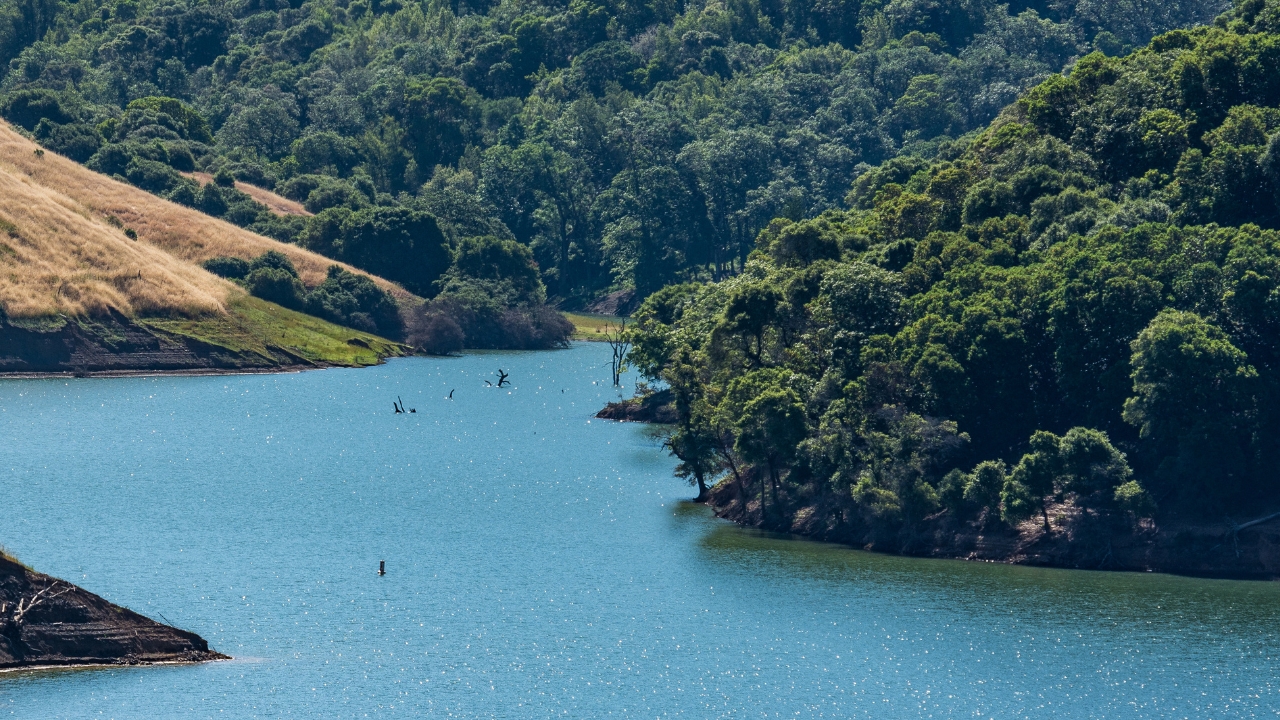
Every big lake has a few major creek arms, and they’re some of the best places to start searching for bass. These areas hold baitfish, offer structure, and often have a mix of deep and shallow water, giving bass everything they need in one place. If you’re fishing in the spring or fall, these creeks can be even better as bass push shallow to chase bait or spawn.
Look for secondary points, submerged brush, or channel swings within the creek. If there’s a visible current from inflowing water, that’s even better. Bass love areas where fresh water brings in oxygen and food.
Find the Grass, Find the Fish
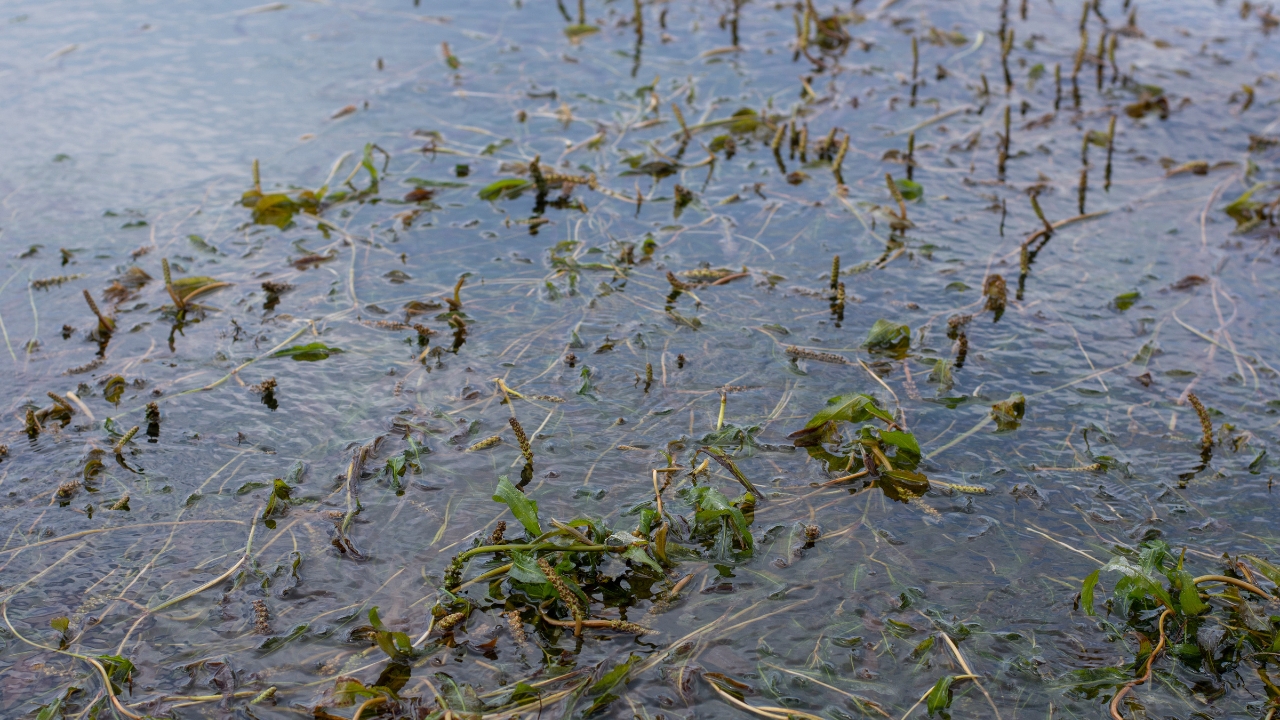
If a lake has grass, bass will be in it. Whether it’s hydrilla, milfoil, coontail, or lily pads, submerged vegetation is one of the best places to look for bass, especially in warmer months. Grass provides cover, holds oxygen, and attracts all kinds of prey.
Not all grass is the same, though. Look for irregular edges, holes, or isolated patches instead of fishing an endless weed flat. These small differences often hold more fish because they give bass an ambush point. If you can find a mix of grass and hard bottom, even better.
Target Riprap and Hard Structure
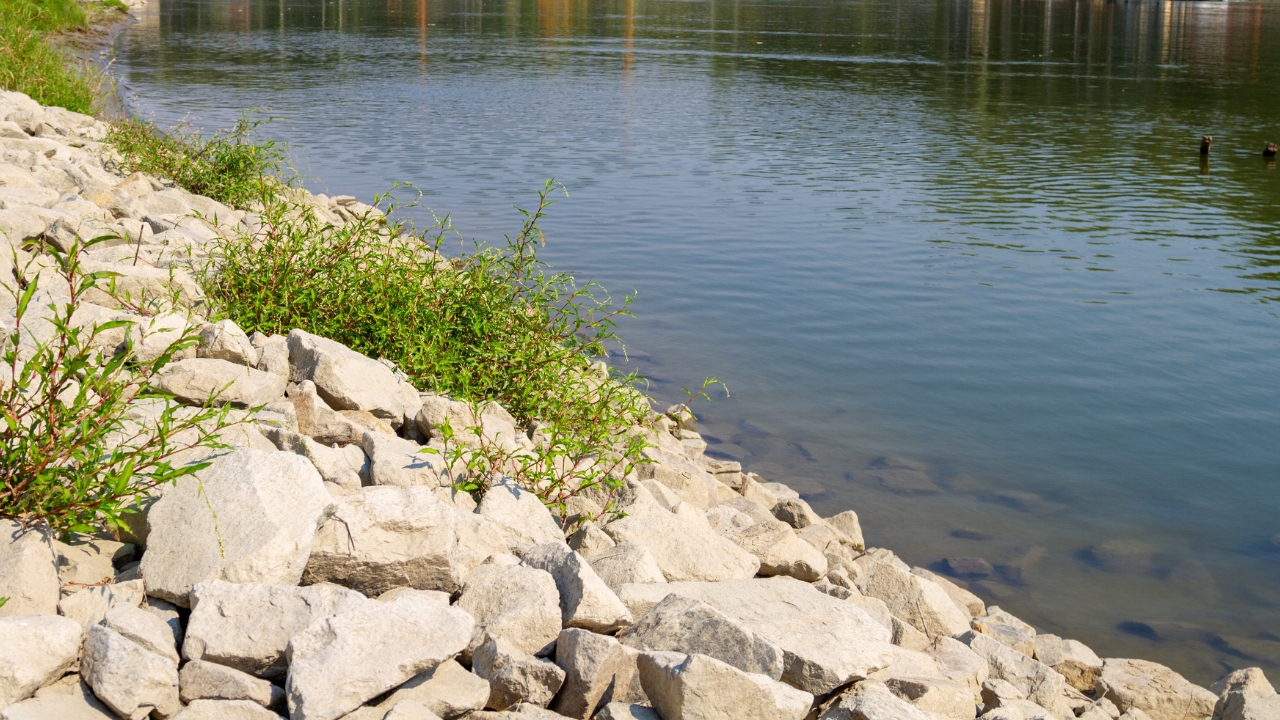
Bridges, dam walls, and riprap banks hold heat, attract baitfish, and give bass plenty of ambush spots. These areas are great year-round, but they shine in the spring and fall when bass use them for feeding and spawning transitions.
When fishing riprap, don’t just cast straight to the bank. Work different angles, and let your bait make contact with the rocks. Bass use the crevices and breaks in the rock to hide, so getting your lure down into those gaps makes a big difference.
Fish Where Water Clarity Changes

A sudden change in water clarity can be a big clue about where bass are holding. Stained water next to clear water creates a transition line that bass love to ambush prey in. If you’re on a new lake and see a mix of muddy and clear water, start there.
These transition zones often happen near river inlets, after heavy rain, or along current seams. If the lake has both dirty and clear water, bass will usually stack up where the two meet, waiting for disoriented baitfish to drift by.
Look for Baitfish Activity

If you’re not seeing baitfish, you’re probably not going to catch bass. Birds diving, shad flickering on the surface, or bluegill popping around docks are all signs that bass are nearby. When you’re scouting a new lake, keep an eye on the surface and your electronics for any sign of bait.
If you spot schooling baitfish, throw something that mimics them. A jerkbait, swimbait, or topwater can get a reaction fast. Bass are opportunistic feeders, and if they’re actively feeding on bait, you can bet they’ll hit something that looks like an easy meal.
Hit Multiple Spots Quickly

Covering water is key when learning a new lake. Instead of spending an hour in one place hoping for a bite, fish fast and hit multiple spots. If you don’t get bit in 15-20 minutes, move.
Try different depths, structures, and lures until you find a pattern. Once you catch a few fish, slow down and work that area more thoroughly. Bass tend to group up, so where you find one, there are usually more.
*This article was developed with AI-powered tools and has been carefully reviewed by our editors.