Photo credit: Pew Tubers/YouTube
Carrying a concealed firearm is a big responsibility. It’s not just about having a gun on you—it’s about making smart decisions, staying aware, and avoiding the kind of slip-ups that can get you in real trouble. Whether you’re new to carrying or have been doing it for years, these are some of the most common mistakes people make—and how you can steer clear of them.
Wearing the Wrong Clothes

If your shirt rides up or your jacket doesn’t cover your holster, you’re printing—or worse, exposing your firearm. That kind of attention can lead to awkward stares or even a call to the cops, depending on where you are.
Stick with clothes that actually work with your carry method. A slightly longer shirt or an untucked flannel can make a big difference. Test your outfit in front of a mirror before heading out the door.
Constantly Adjusting Your Holster

Fidgeting with your waistband or tugging at your shirt tells everyone around you that something’s going on. It also screams “Hey, I’ve got something hidden here.”
Get a holster that fits your body and stays put. It might take a few tries, but once you find one that doesn’t slide around, you’ll stop messing with it. Comfort matters more than most people think.
Carrying Without a Round in the Chamber

A lot of folks carry with an empty chamber because they think it’s safer. Problem is, you lose precious seconds racking the slide in a high-stress situation.
If your holster fully covers the trigger and you follow basic safety rules, it’s safe to carry hot. Practice draws with an unloaded gun until you’re confident in your gear and movements.
Not Practicing Your Draw

Carrying a gun you can’t get to quickly doesn’t help much. If you’ve never drawn from your holster under pressure, you’ll be fumbling when it matters most.
Practice drawing from concealment at home (with an unloaded firearm). Do it slow, then build up speed. Muscle memory only happens through repetition.
Ignoring State and Local Laws

What’s legal in your state might be a felony one state over. Some places don’t allow certain types of carry or have weird restrictions you wouldn’t expect.
Before you travel, read up on the laws where you’re going. Keep a legal reference app on your phone or a laminated cheat sheet in your glove box. Don’t assume—it’s not worth the risk.
Using a Cheap Holster

That $15 holster might seem fine until it shifts, breaks, or fails to cover the trigger. Bad gear can lead to accidental discharges—or just a miserable day of carrying.
Invest in something made from quality materials that actually holds its shape. You don’t have to drop a fortune, but don’t go bargain-bin, either. Your holster matters just as much as your gun.
Skipping Regular Training
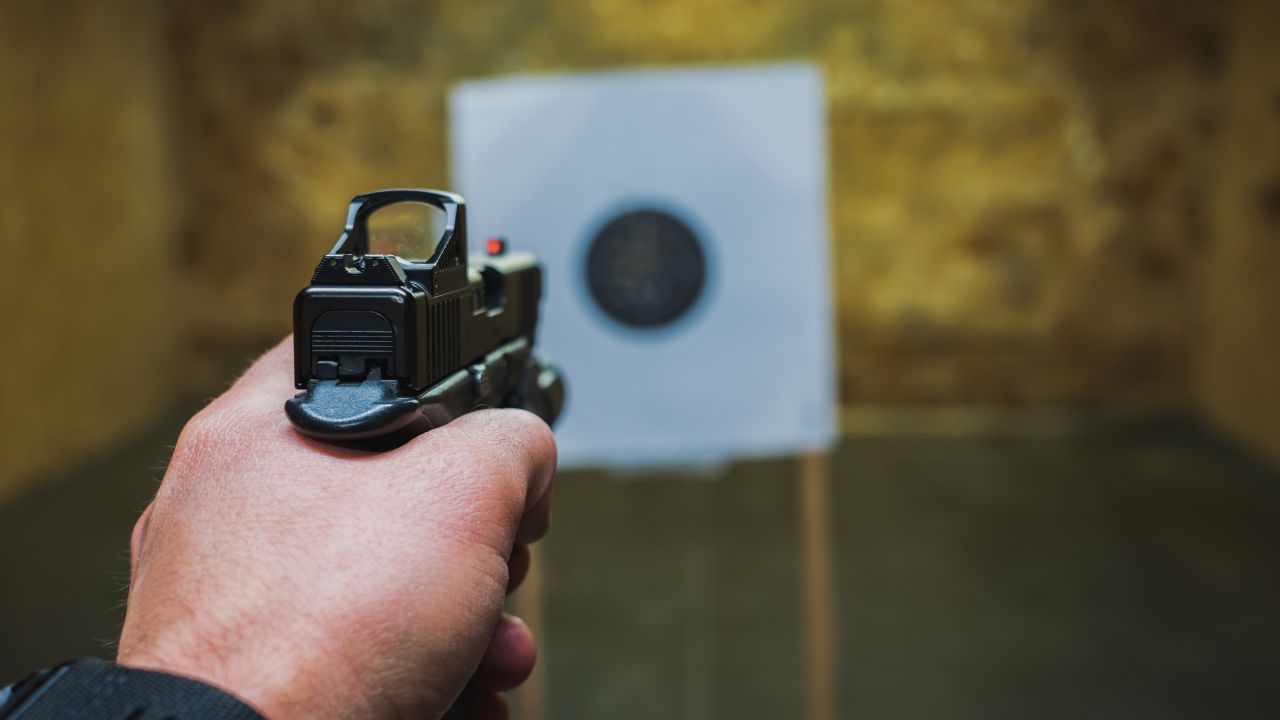
If the only time you shoot is during your concealed carry qualification, that’s not enough. Real-life situations are stressful and messy. Standing still at the range doesn’t prepare you for that.
Make range time a habit. Practice drawing, moving, and shooting. Get some instruction if you can. You’re not training to be a sniper—just to be ready.
Telling Too Many People You Carry

Carrying a gun is personal. Telling your neighbor, co-workers, or bar buddies that you’re packing just invites judgment, gossip, or worse.
Keep it to yourself unless there’s a real reason to share. The whole point of concealed carry is that it’s… well, concealed. Discretion keeps you safer.
Not Carrying at All
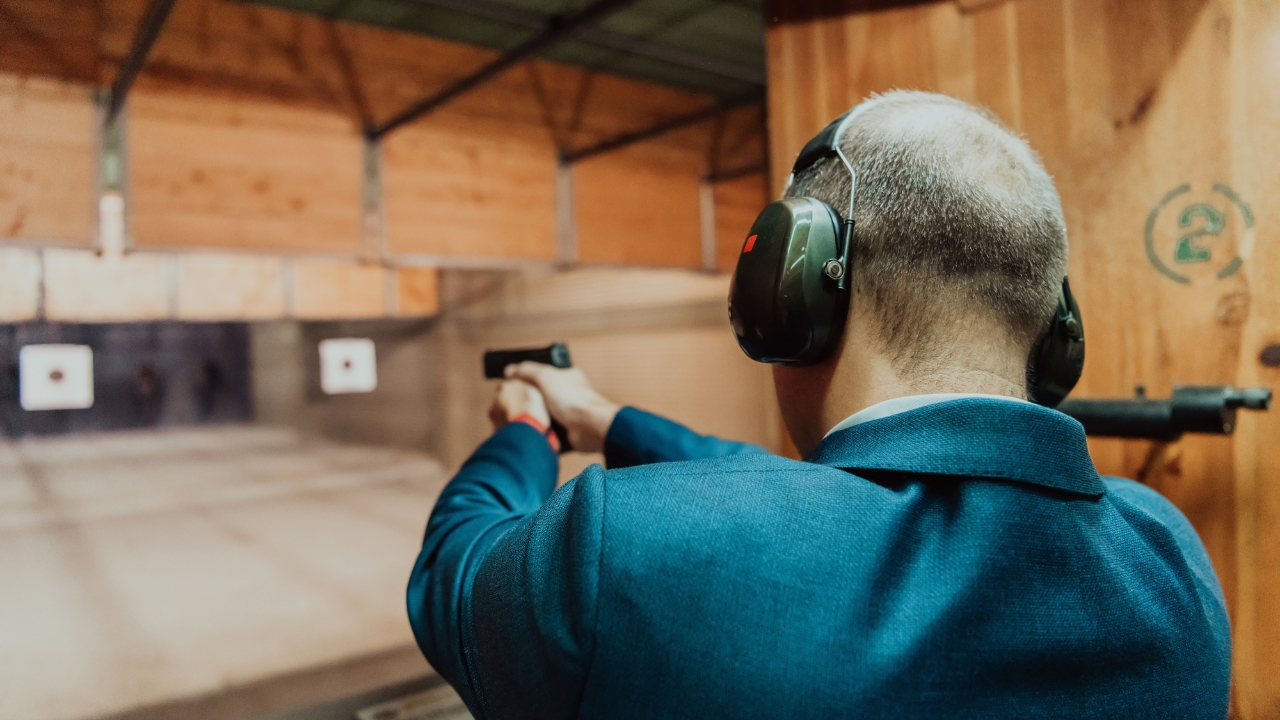
Some folks get a permit and then leave their gun at home because it feels uncomfortable or they’re nervous. That defeats the purpose entirely.
If you’ve made the decision to carry, commit to it. Get used to the feeling. Try different positions until it works for you. The first few weeks are an adjustment, but it gets easier.
Getting Too Comfortable

This one sneaks up on people. After a while, carrying becomes second nature, and that’s good—but it also makes it easy to get sloppy with safety or awareness.
Don’t let your guard down. Check your gear regularly. Stay alert in public. Carrying a gun means taking responsibility seriously, every single day.
*This article was developed with AI-powered tools and has been carefully reviewed by our editors.