Photo credit: Josh Steele/Shutterstock.com
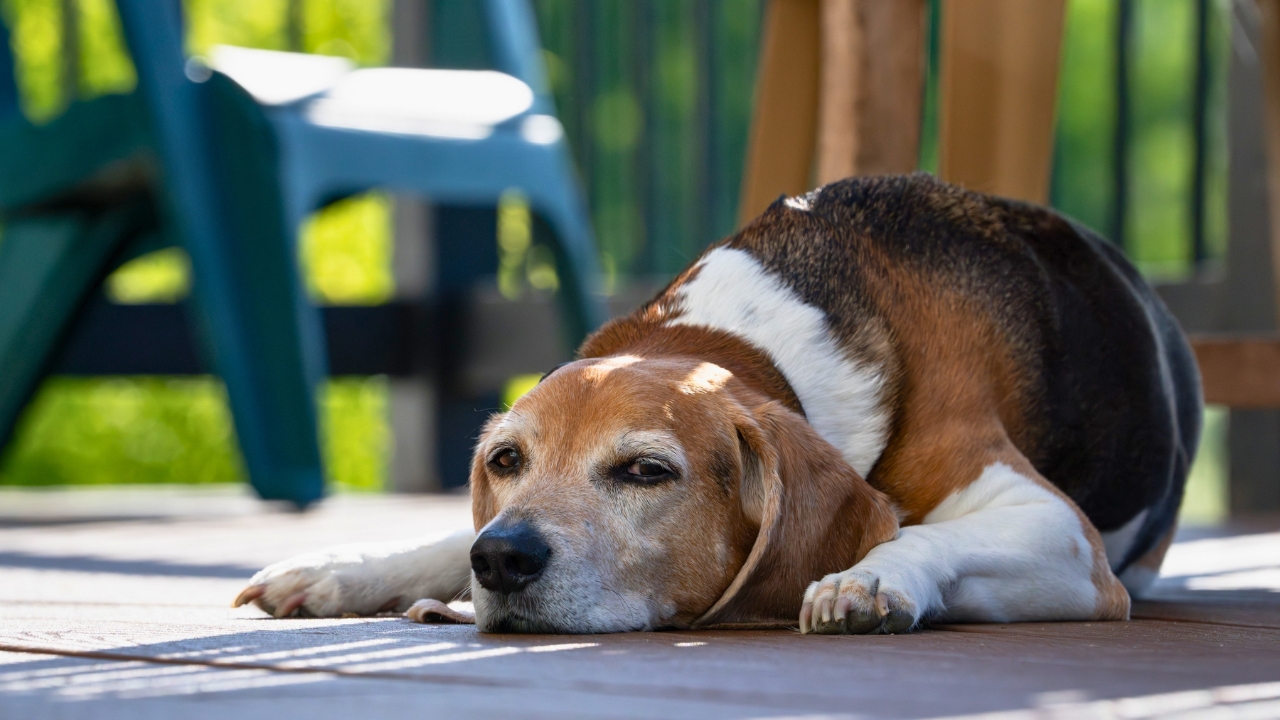
Dogs are creatures of repetition in ways people do not always notice until something changes. The little things matter more than they seem to. Maybe your dog always spins twice before lying down, waits at the same window in the afternoon, nudges your hand before dinner, checks the back door before bed, or greets you with the exact same routine every morning. Those habits can feel small enough that you barely think about them. Then one day they stop, and the change sticks long enough that it feels off.
That kind of shift is worth noticing. It does not automatically mean something serious is wrong, but dogs usually do not drop familiar rituals for no reason at all. Repeated behavior is often tied to comfort, routine, anticipation, physical ability, or emotional state. When a dog suddenly stops doing the little things it always did, it is often because something about the dog, the house, or the day-to-day pattern has changed first. The ritual was never random. That is why losing it can tell you more than people expect.
The ritual may have been tied to comfort
A lot of dog rituals are really comfort strategies. The circling before bed, the certain spot they always tap first, the way they settle against the couch before lying down, even the little stretch they do before hopping into place, all of that can be tied to how their body feels. If your dog suddenly stops doing one of those routines, it may be because the movement no longer feels good, no longer feels necessary, or has become harder than it used to be.
This is especially worth thinking about if the ritual involved bending, jumping, climbing, turning tightly, or lowering down in a certain way. A dog with soreness, stiffness, joint pain, or general discomfort may quietly drop the habit because it is adjusting around something physical. The ritual disappeared, but the real issue may be that the dog is trying to make life easier on its body without drawing much attention to it.
Changes in routine can erase the behavior fast
Dogs build small habits around patterns, and those habits often disappear when the pattern changes. If your dog used to wait by the window every afternoon because that lined up with somebody coming home, a different schedule can kill that ritual quickly. If it always trotted to the kitchen after your coffee because breakfast followed, a change in morning timing may throw the whole thing off. Dogs are very good at linking actions together, and when one part moves, the visible ritual may disappear with it.
That is why these changes can feel strange even when nothing seems wrong with the dog itself. The dog may still be fine. It may simply no longer have the same reason to perform the behavior. What looked like a quirky habit was often your dog reading the household better than you realized. Once the household rhythm shifts, the ritual can vanish almost overnight.
Stress can make a dog stop acting like itself
One of the more important possibilities is stress. Dogs often stop doing familiar little behaviors when they feel unsettled. A move, visitors, another pet, loud weather, construction noise, changes in household tension, or even a string of busy days can make a dog less playful, less expressive, and less committed to the tiny routines it normally does without thinking. The ritual disappears because the dog is no longer operating from the same calm baseline it used to have.
This matters because people often watch for dramatic signs of stress and miss the quieter ones. A dog does not always bark, shake, or pace when something is off. Sometimes it simply stops doing the little things that used to come naturally. The goofy greeting, the bedtime check of every room, the toy parade, the after-dinner stretch, those habits can fade when a dog is preoccupied, uneasy, or trying to conserve itself emotionally.
Pain or illness often shows up through missing habits
Dogs do not always tell you something is wrong by acting obviously sick. A lot of the time, they tell you by stopping behaviors that used to happen every day without effort. If your dog always did a certain routine and suddenly does not, it is smart to ask whether the missing behavior involved energy, mobility, balance, appetite, or general enthusiasm. Small rituals often disappear before bigger symptoms become easy to see.
That can mean a dog that no longer trots to the treat jar, no longer does its little pre-walk bounce, no longer circles before settling, or no longer follows the same bedtime path around the house. People sometimes shrug this off because the dog still eats or still goes outside. But a missing ritual can be one of the earliest signs that the dog does not feel quite right. The body changed first. The habit changed after.
Aging can quietly rewrite a dog’s routine
Older dogs often drop little rituals because age changes how they move, rest, and process the world around them. A dog that used to spin before lying down may now lie down more directly. A dog that once greeted you with a toy may now simply come over and lean on your leg. A dog that used to patrol the house before bed may start settling earlier and more heavily in one place. None of that automatically means something is badly wrong. It may simply mean age is reshaping how the dog uses its energy.
Still, it is worth paying attention when those changes stack up. A missing ritual by itself may be harmless. Several disappearing habits together can tell you the dog is slowing down, getting stiffer, becoming less confident, or changing mentally in ways that deserve a closer look. Aging rarely announces itself all at once. It often shows up first in the little things a dog quietly stops doing.
The behavior may have depended on you more than you realized
Some dog rituals are not only about the dog. They are about the relationship between the dog and the person. Maybe your dog always nudged your leg because you responded in a certain way. Maybe it brought you a toy because that always led to play. Maybe it followed the same evening routine because you unknowingly cued it with your own habits. When your behavior changes, even slightly, the dog’s ritual may disappear too.
This is why a change in your own schedule, mood, health, or attention level can matter. If you have been more distracted, more stressed, home less, home more, or moving differently through the house, your dog may stop doing the little behaviors that used to fit around you. In that case, the missing ritual is not random at all. It is the dog responding to a change in the shared pattern between the two of you.
Sometimes the ritual no longer serves a purpose
Not every missing habit points to a problem. Some rituals fade because the dog simply no longer needs them. A dog may stop checking the door because the trigger that used to matter is gone. It may stop carrying a toy around because the excitement tied to that moment has changed. It may stop doing some tiny pre-sleep routine because it found a more comfortable way to settle. Dogs can be practical. If the ritual no longer does anything useful, it may fade without drama.
The bigger question is whether the dog otherwise seems normal. If your dog is eating well, moving well, resting well, and still acting like itself overall, one missing little habit may not mean much at all. It may simply be one of those quiet shifts that happen as dogs adapt to daily life. The concern grows when the missing ritual is part of a broader change in mood, comfort, or engagement.
What to watch alongside the missing ritual
The ritual itself is only one piece. What matters more is what came with it. If your dog seems more tired, more restless, less interested in food, slower getting up, clingier, more withdrawn, more confused, or less playful, the missing habit means more. If the dog seems otherwise completely normal, the change may be minor. Context is what turns a small observation into useful information.
That is why the smartest move is not to obsess over the ritual alone. Look at the whole dog. Watch how it moves, eats, sleeps, and reacts to the day. Think about what changed in the house recently. Pay attention to whether one little missing behavior stays isolated or whether other routines begin dropping off too. Dogs communicate through patterns, and the bigger pattern tells the real story.
What your dog may be telling you
When your dog suddenly stops doing its usual little rituals, it is often telling you that something about life no longer feels the way it did before. That could mean a physical change, a routine shift, stress, aging, discomfort, or simply a new way of doing things. The ritual mattered because it was part of how your dog moved through the day. When it disappears, that change is usually worth noticing.
You do not need to panic over every missing quirk. Dogs change. Habits come and go. But when a familiar ritual vanishes suddenly and stays gone, it makes sense to take it seriously enough to look closer. A lot of the time, the little things are where dogs tell the truth first.
Like The Avid Outdoorsman’s content? Subscribe to our newsletter so you never miss an article.
Here’s more from us: