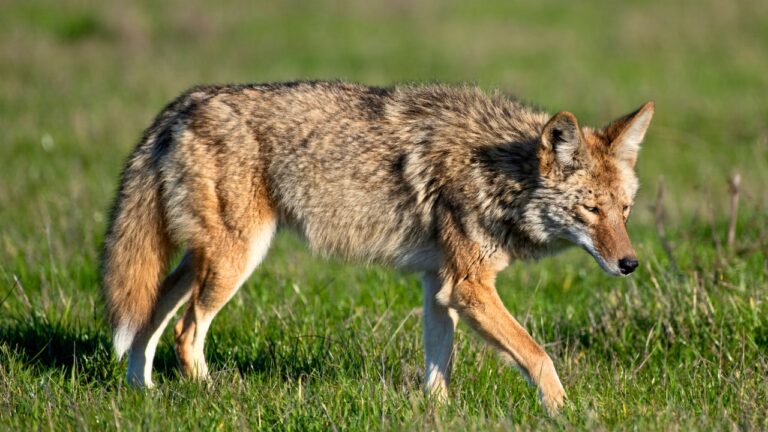
Photo credit: RealPeopleGroup/istock.com
Wildlife agencies in several states are moving to expand hunting access on public land, often through small regulatory adjustments that add up to meaningful opportunity for hunters. The changes include opening additional acreage on wildlife management areas, expanding walk-in access programs on private land, and adjusting rules that previously limited hunting in certain public zones.
While these updates rarely generate the same attention as major season changes, wildlife officials say they can significantly increase where hunters are able to pursue game each year. Agencies are using a mix of new land acquisitions, conservation partnerships, and regulatory changes to gradually increase the amount of land available for public hunting.
Public land hunting remains a priority for wildlife agencies
Access has become one of the biggest issues facing hunters in recent years, particularly as private land becomes more fragmented or leased for exclusive use. Many state wildlife agencies have responded by focusing on programs that expand public hunting opportunities.
Organizations such as the U.S. Fish and Wildlife Service and the Bureau of Land Management manage millions of acres of federal land that allow hunting, but states are also expanding their own wildlife management areas and access programs to give hunters additional options.
These efforts often involve partnerships with private landowners who allow seasonal hunting access through walk-in or habitat programs. In return, landowners may receive financial incentives or habitat improvement assistance from state agencies.
Small regulatory changes can open large areas
In many cases, expanded access happens through relatively small rule adjustments rather than massive new land purchases. For example, agencies sometimes reclassify portions of wildlife management areas that were previously closed to certain types of hunting.
Other changes may allow additional hunting methods, expand seasonal access, or open land that was previously limited to special permit hunts. These adjustments can significantly increase the amount of ground available to hunters without requiring new property acquisitions.
States have also worked to simplify access rules on some public lands, allowing hunters to use areas that were previously restricted due to outdated regulations or overlapping jurisdiction between agencies.
Conservation funding helps support new access programs
Funding for expanded hunting access often comes from conservation programs supported by hunting license sales and federal grants. One of the most important funding sources is the Wildlife Restoration Program created through the Pittman-Robertson Act, which directs excise taxes from firearms, ammunition, and archery equipment toward wildlife conservation.
Those funds allow states to purchase habitat, improve wildlife management areas, and support programs that provide public access to hunting land. Because hunters help fund these conservation efforts through licenses and equipment taxes, wildlife agencies often prioritize maintaining or expanding access opportunities.
Hunters are encouraged to follow updates from state agencies
Most access changes occur through the same regulatory process used to set hunting seasons. Wildlife agencies typically present proposed adjustments during commission meetings or public comment periods before final adoption.
Officials say hunters who follow their state wildlife departments closely are often the first to learn about newly opened areas or changes that expand access on existing public lands. These updates may appear small in the regulation book, but they can create new hunting opportunities across thousands of acres.
As agencies continue reviewing hunting rules this year, access expansion remains a priority in many states as wildlife managers try to ensure hunters have places to hunt while maintaining healthy wildlife populations and habitat across public landscapes.
Like The Avid Outdoorsman’s content? Subscribe to our newsletter so you never miss an article.
Here’s more from us: