Photo credit: Savage Arms
Not every rifle has to be bought with resale in mind. If a gun shoots well, fits the job, and makes the owner happy, that may be enough. But long-term value still matters when it is time to trade, sell, upgrade, or pass a rifle along. Some rifles lose appeal fast because the reputation never improved, the market moved on, or buyers simply do not trust them on the used rack.
These rifles may work for some owners, and a few can be perfectly usable hunting or range guns. The problem is not always function. It is long-term desirability. If you care about holding value, avoiding weak resale, and buying something people will still want years from now, these specific models deserve extra caution.
Remington 770

The Remington 770 is one of the hardest rifles to defend if long-term value matters. It was built as a budget package rifle, and that reputation has stuck to it. Many hunters saw it as a cheaper way to get into a Remington bolt gun, but it never earned anything close to the loyalty or aftermarket support of the Model 700.
Used buyers usually approach the 770 with low expectations. The action feel, stock quality, and overall reputation make it a rifle that has to sell cheap to move. Even if a particular 770 shoots well enough for deer season, it is not a rifle many people go looking for. That makes it a weak choice for anyone who cares about long-term value.
Remington 710
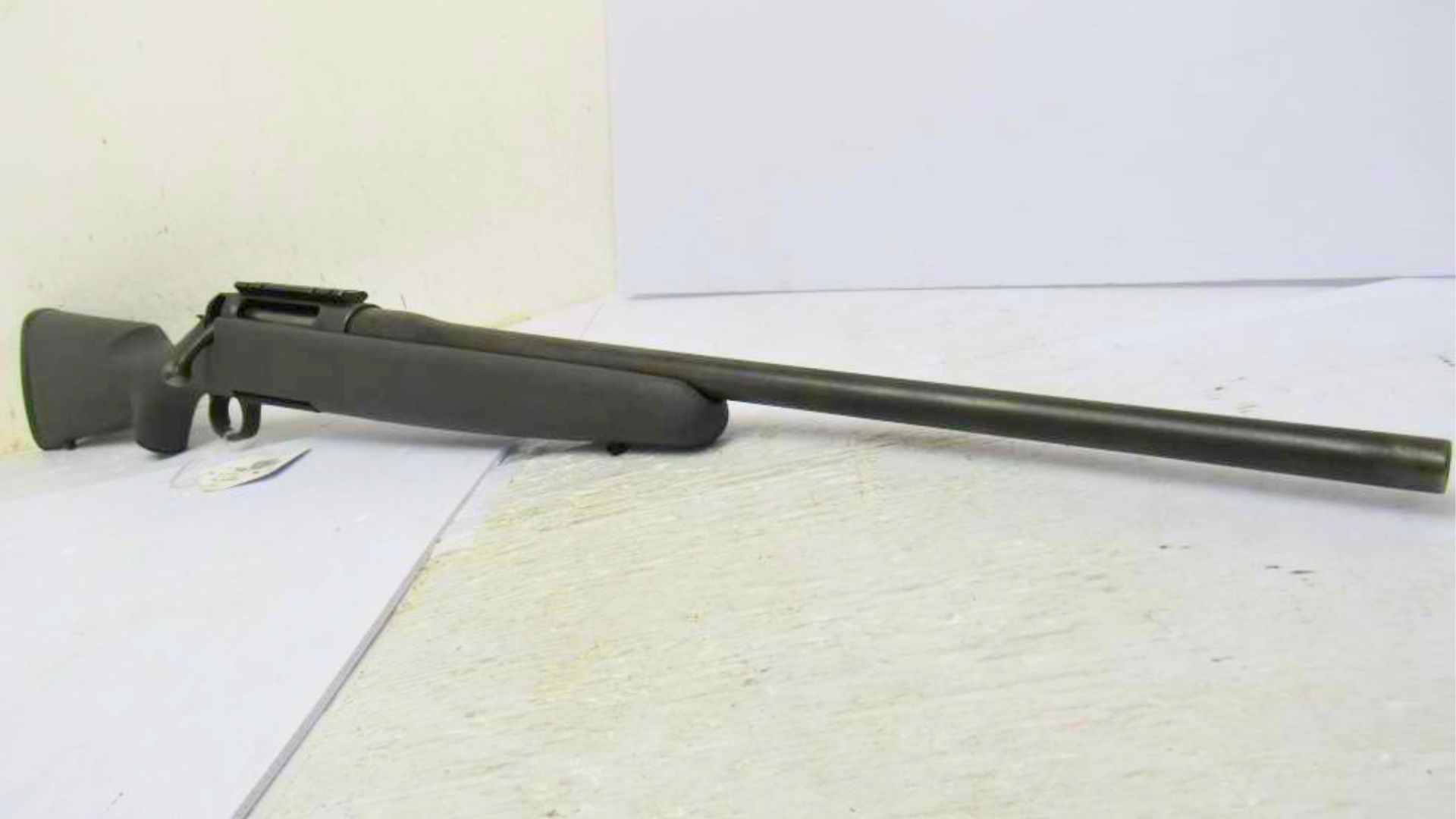
The Remington 710 has many of the same problems as the 770. It was designed as an affordable entry-level hunting rifle, but it developed a reputation for feeling cheap and disposable. Once that kind of impression sets in, the used market rarely forgives it.
The 710 also suffers because buyers compare it to the Model 700, and that comparison does it no favors. It lacks the classic appeal, parts support, and build confidence that make older Remington bolt guns desirable. A hunter may get one to work, but resale interest is usually thin. If value matters, this is one of the Remington rifles to avoid.
Remington 783

The Remington 783 is better than the 770 and 710, but it still struggles as a long-term value play. It entered a crowded budget-rifle market where Savage, Ruger, Mossberg, Weatherby, and others were all fighting for the same buyer. That makes it hard for the 783 to stand out once it becomes used.
The rifle can be accurate and perfectly serviceable, but value is about demand. Used buyers tend to gravitate toward rifles with stronger reputations, better aftermarket support, or more established loyalty. The 783 is not a disaster, but it rarely feels like a rifle people regret missing. If resale matters, there are safer budget bolt guns.
Savage Axis XP

The Savage Axis XP is popular because it is affordable and often sold as a ready-to-hunt package. That is good for getting someone into the field quickly, but it does not automatically create strong long-term value. Basic package rifles usually lose appeal once the buyer starts comparing triggers, stocks, optics, and overall feel.
The Axis can shoot better than its price suggests, especially in improved versions, but the basic XP package is not usually something used buyers chase. The included scope is often treated as a starter optic, and the rifle itself feels entry-level. It can be a useful deer rifle, but if you care about resale strength, the Axis XP is not a great place to park money.
Mossberg Patriot Synthetic
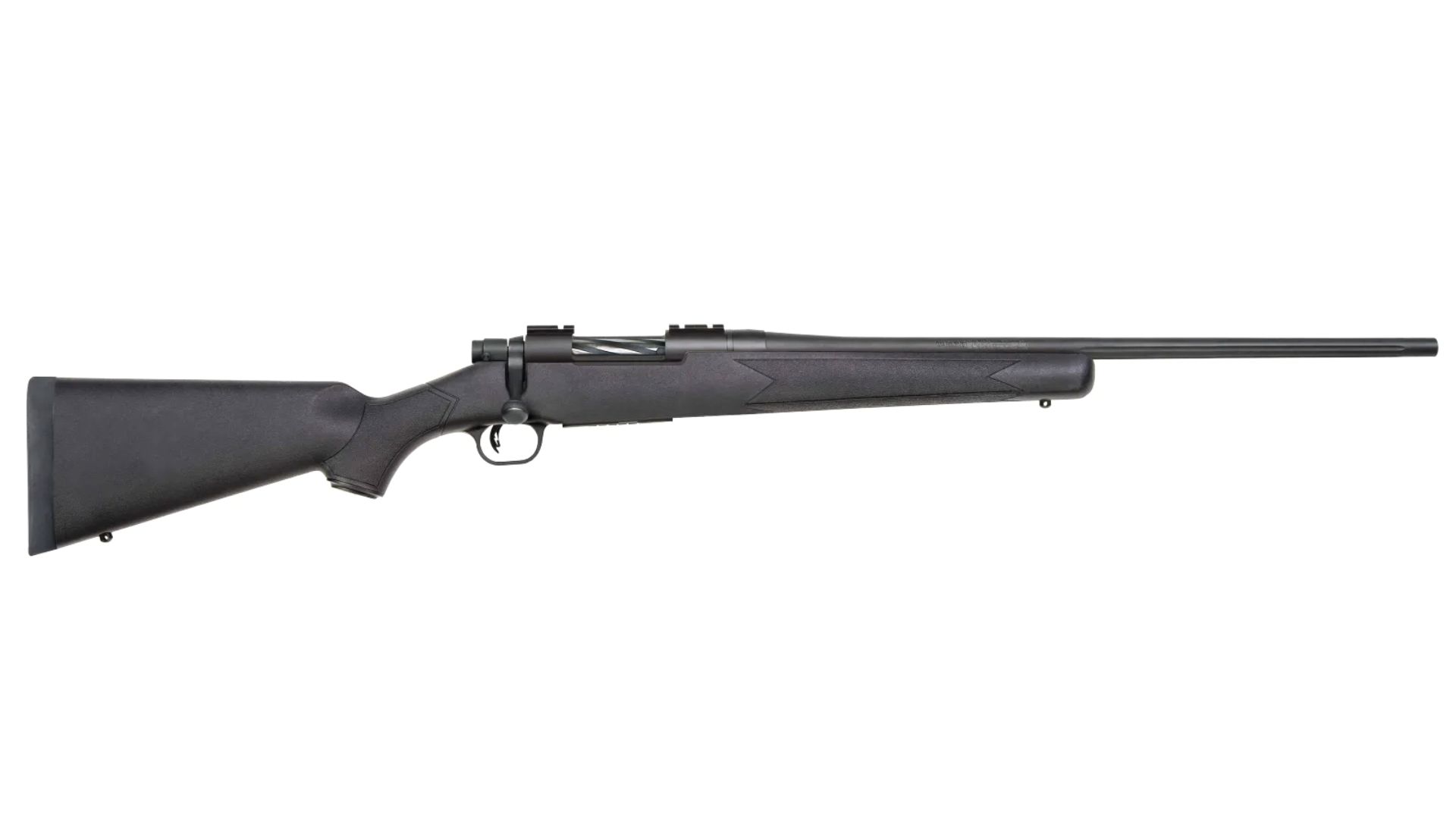
The Mossberg Patriot Synthetic gives hunters a lot of features for the price, but long-term value is not its strongest trait. It competes in a crowded field of affordable bolt guns, and on the used rack it does not always stand out against Ruger Americans, Savage 110s, Weatherby Vanguards, or Tikkas.
The Patriot can shoot well, and plenty of hunters have used them successfully. The issue is that the used market often treats them as budget rifles first and everything else second. When a rifle is already affordable new and does not have a deep collector or aftermarket pull, resale can be soft. It may work fine, but it is not the best choice if value retention is a priority.
Thompson/Center Venture
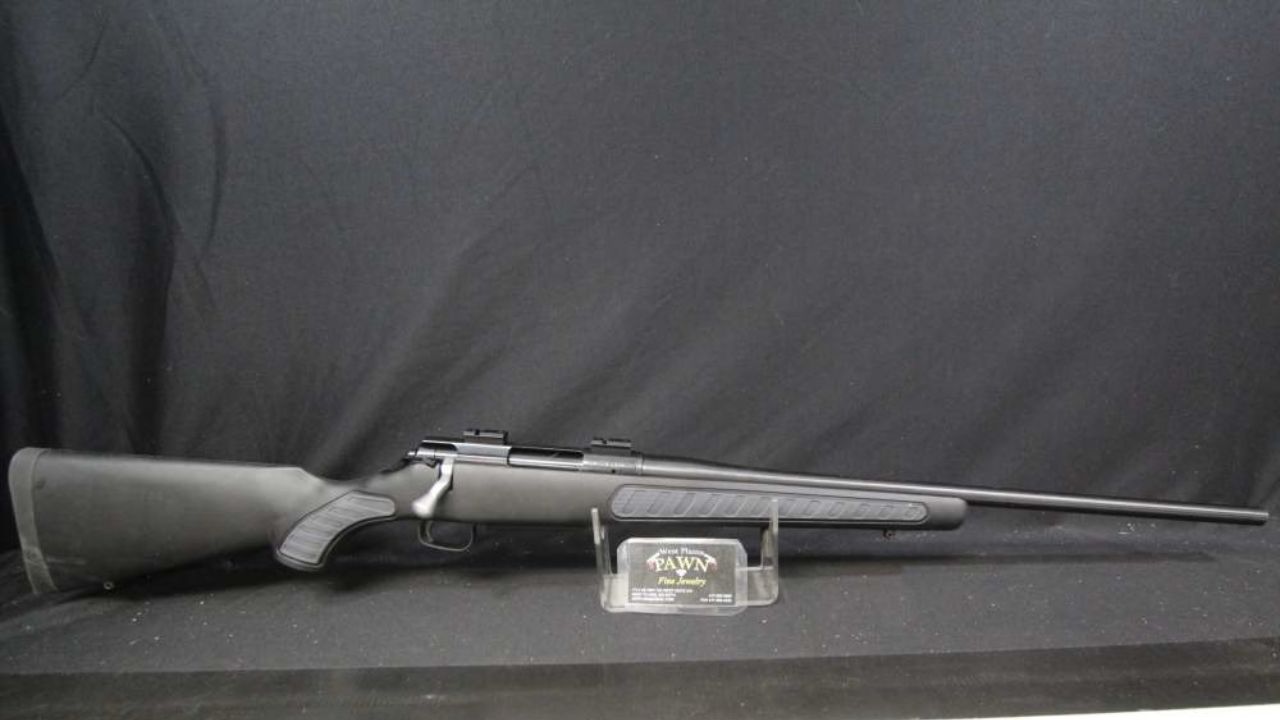
The Thompson/Center Venture was a solid hunting rifle in many ways, but long-term value has been hurt by uncertainty around support and brand direction. A rifle can be accurate and still struggle if buyers worry about parts, magazines, stocks, or future service. That is where the Venture gets complicated.
Used buyers often prefer rifles from platforms that feel more stable. The Venture does not have the broad aftermarket of a Remington 700 pattern rifle or the same current-market momentum as Tikka, Ruger, or Bergara. It may be a good shooter, but good shooting alone does not always protect resale. If long-term value matters, support questions should count against it.
Thompson/Center Compass
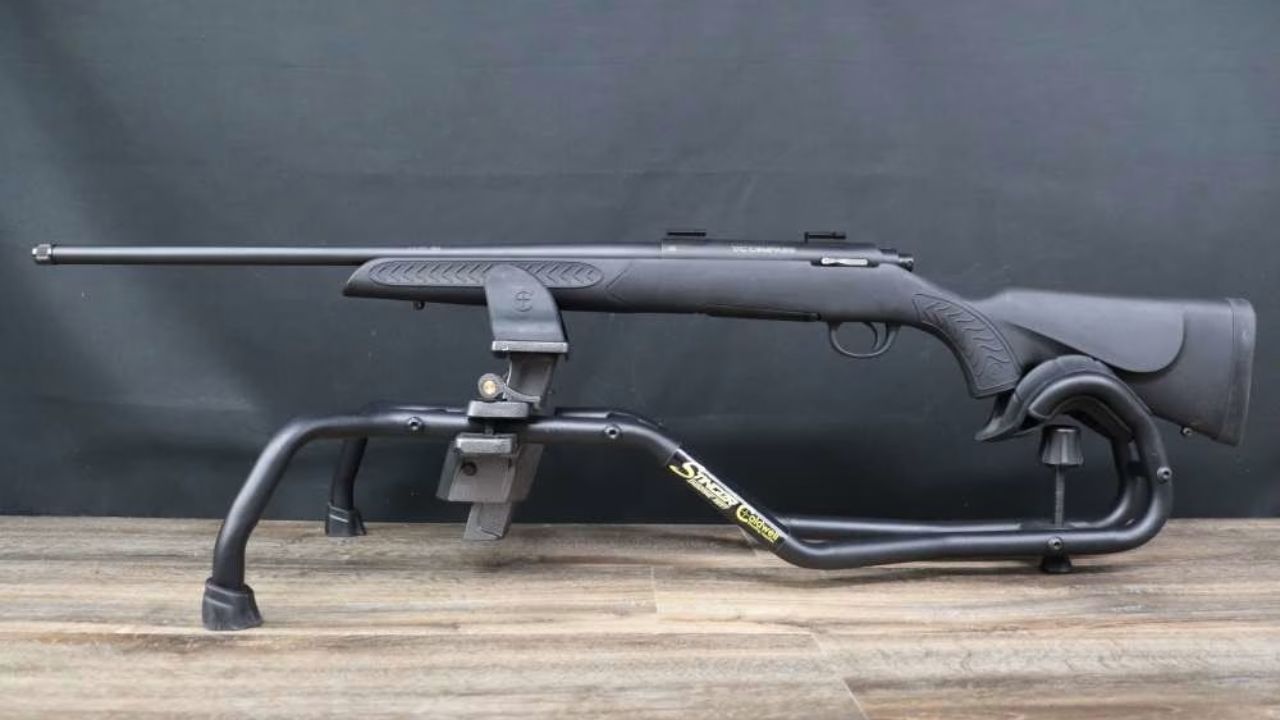
The Thompson/Center Compass has the same basic value problem as the Venture, but with an even stronger budget-rifle identity. It was marketed as an affordable, accurate hunting rifle, and many examples do exactly what owners need them to do. Still, the used market does not usually reward discontinued or uncertain budget platforms.
The Compass can be a smart buy for someone who just wants a low-cost hunting rifle and plans to keep it. But if you care about resale, it is a tougher sell. Buyers may worry about magazines, parts, and future support. A rifle that depends mostly on a low purchase price for appeal usually has trouble holding value later.
Winchester XPR

The Winchester XPR is not a bad rifle, but it has a hard time holding value because it lives in the shadow of the Model 70. Winchester’s classic bolt gun has history, controlled-round-feed appeal, and a loyal following. The XPR is a modern budget rifle, and buyers usually understand it that way.
That does not mean the XPR cannot hunt. It can. The problem is that long-term value depends on whether people want the specific rifle years later. Many used buyers looking for a Winchester bolt gun would rather save for a Model 70. Others shopping budget rifles may compare the XPR against cheaper or more popular options. That leaves it in an awkward resale position.
Browning AB3

The Browning AB3 gives buyers a lower-cost path into a Browning bolt-action rifle, but that can also hurt it long term. It is not an X-Bolt, and most buyers know it. The AB3 has practical hunting value, but it lacks the polish and stronger desirability of Browning’s higher-end rifles.
On the used market, that difference matters. Someone wanting a Browning may stretch for an X-Bolt or an older A-Bolt. Someone wanting a pure budget rifle may choose a cheaper option. The AB3 sits in the middle, where it can be useful but not especially exciting. If long-term value is the goal, the stronger Browning names are usually safer.
Ruger American Ranch in .450 Bushmaster

The Ruger American Ranch is generally a smart rifle, but the .450 Bushmaster version is more risky from a long-term value standpoint. It became popular in states with straight-wall hunting rules and among hunters wanting a hard-hitting short-range rifle. That niche is real, but niche demand can be uneven.
If regulations, cartridge trends, or buyer preferences shift, rifles chambered around a specific hunting-rule advantage can soften quickly. The .450 Bushmaster American Ranch can be very useful in the right place, but it is not as broadly appealing as the same rifle in .308 Winchester, 5.56 NATO, or 7.62x39mm. Long-term value usually favors wider demand.
Ruger American Predator in 6.5 Grendel

The Ruger American Predator in 6.5 Grendel is an interesting rifle, and for the right shooter it can be very useful. The cartridge is efficient, mild, and capable within its limits. The value concern is that it does not have the same broad hunting-rifle demand as more common chamberings.
Used rifles in niche chamberings often depend on finding the right buyer. A 6.5 Grendel bolt gun may appeal to someone who already likes the cartridge, but many hunters will default to .243 Winchester, 6.5 Creedmoor, 7mm-08, or .308 Winchester instead. If long-term value matters, common cartridges usually make resale easier.
Ruger Precision Rifle in .243 Winchester

The Ruger Precision Rifle has a strong following in the right chamberings, but the .243 Winchester version is not the strongest long-term value pick. The rifle itself is heavy and specialized, and .243 is more commonly viewed as a hunting and varmint cartridge than a dominant precision-rifle choice today.
Buyers looking for a used Ruger Precision Rifle often want chamberings with stronger modern long-range appeal, such as 6.5 Creedmoor or .308 Winchester. A .243 version may still shoot very well, but it has a narrower audience. Specialized rifles already limit the buyer pool, and pairing one with a less popular precision chambering makes resale tougher.
Savage 110 High Country in .280 Ackley Improved
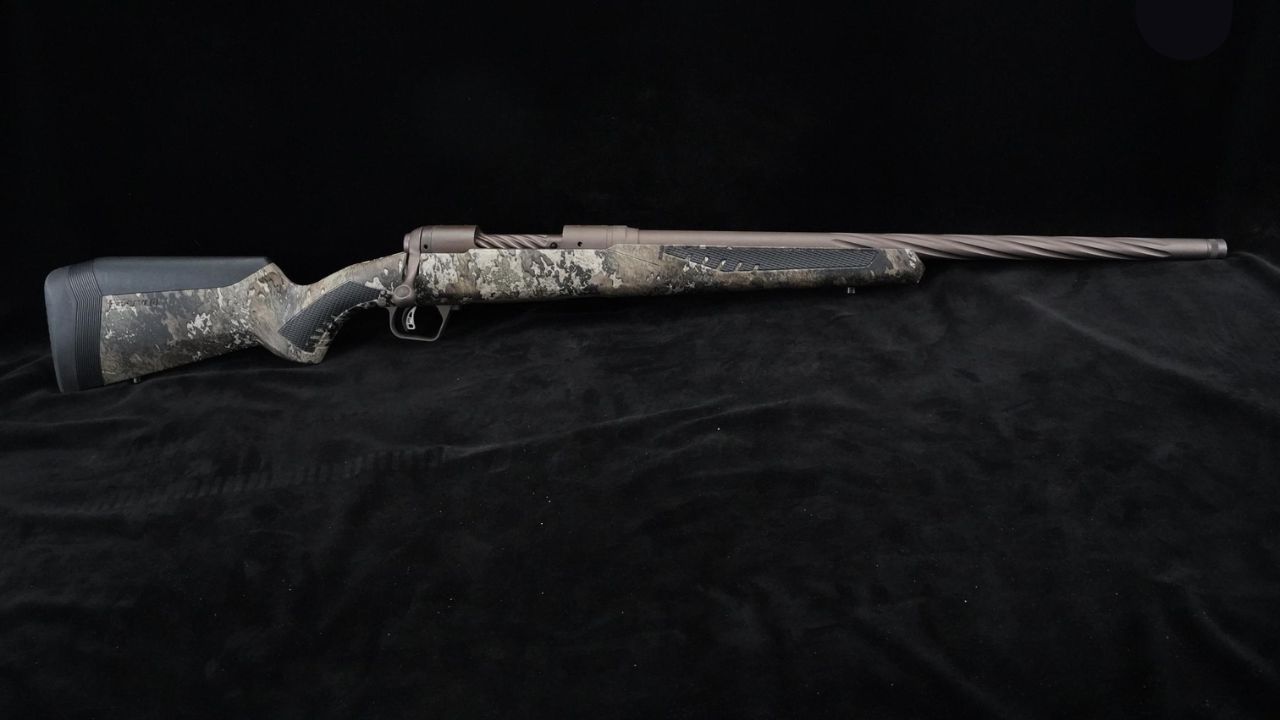
The Savage 110 High Country in .280 Ackley Improved can be a capable hunting rifle, but it is a risky long-term value bet because both the rifle configuration and cartridge appeal to a more specific buyer. The .280 AI is excellent in the right hands, but it is not as widely shopped as .270 Winchester, .308 Winchester, .30-06 Springfield, or 6.5 Creedmoor.
That matters when resale time comes. A buyer has to want the Savage 110 High Country and the .280 AI chambering. If they are not already interested in that combination, the rifle may sit. It can be a great hunting setup, but long-term value is often stronger when the rifle and cartridge both have broad demand.
Browning X-Bolt Max Long Range in 6mm Creedmoor
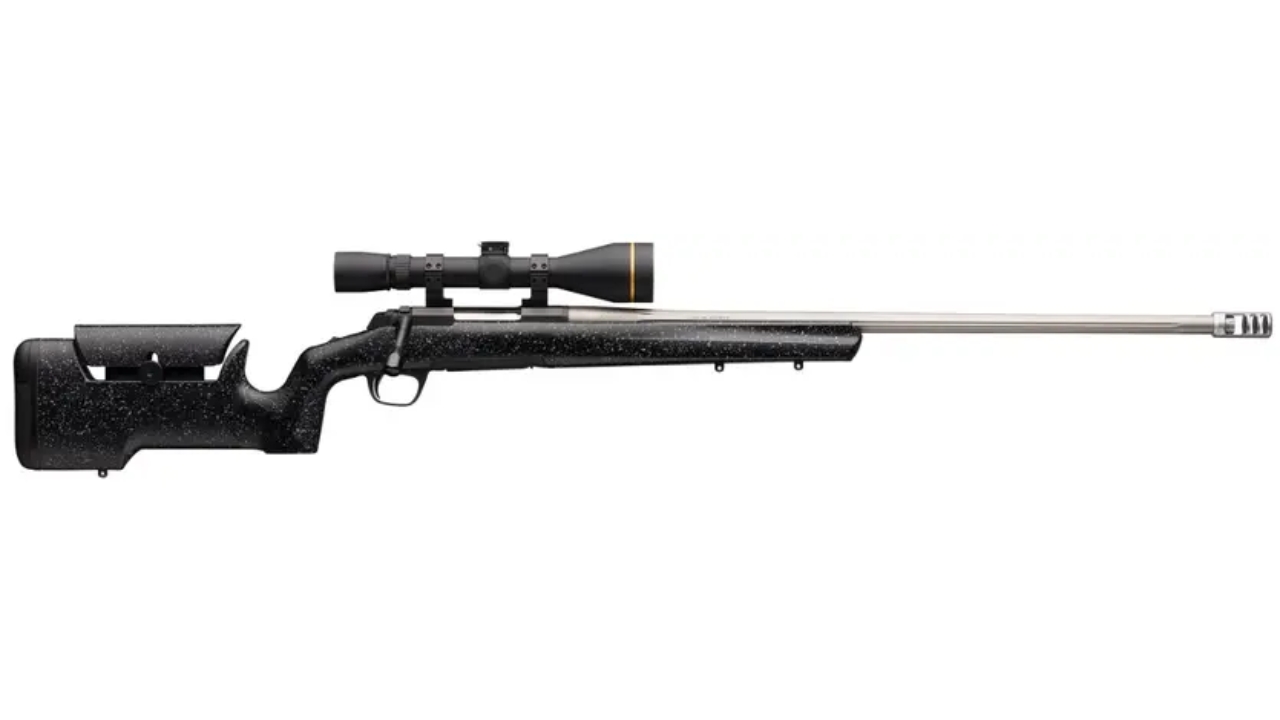
The Browning X-Bolt Max Long Range in 6mm Creedmoor is a specialized rifle that may not age as well as more traditional hunting setups. The 6mm Creedmoor has legitimate performance, especially for target and predator work, but it does not have the same general big-game appeal as larger, more common cartridges.
The rifle itself also serves a more specific role. Long-range-style hunting rifles can be heavy, bulky, and less appealing to buyers who want a general deer or elk rifle. If someone wants this exact setup, it can be attractive. But if the market shifts toward other cartridges or lighter rifles, resale can get narrow fast. Specialized rifles can lose value when the trend cools.
Mossberg MVP Patrol

The Mossberg MVP Patrol attracted attention because it could use AR-pattern magazines in a bolt-action rifle. That sounds useful, and for some owners it is. The problem is that novelty features do not always create lasting used-market strength. Once the excitement wears off, buyers judge the rifle more harshly.
The MVP Patrol is also stuck between roles. It is not as fast or adaptable as an AR-15, and it is not as traditional or refined as many bolt-action hunting rifles. That makes its resale audience fairly specific. Someone may want the magazine compatibility and compact size, but many buyers will simply choose a different platform. That limits long-term value.
KelTec SU-16C

The KelTec SU-16C is clever, lightweight, and compact, but those traits do not automatically protect value. It appeals to people who want a folding .223 rifle that is not a standard AR-15. That is a narrow lane, and narrow lanes can be tough on resale unless the gun becomes collectible.
The bigger issue is the AR-15 market. When buyers can get a conventional AR with stronger parts support, magazine compatibility, optics options, and aftermarket confidence, the SU-16C becomes harder to justify. It may be handy, but long-term value usually favors platforms with deeper support and wider demand.
KelTec RFB
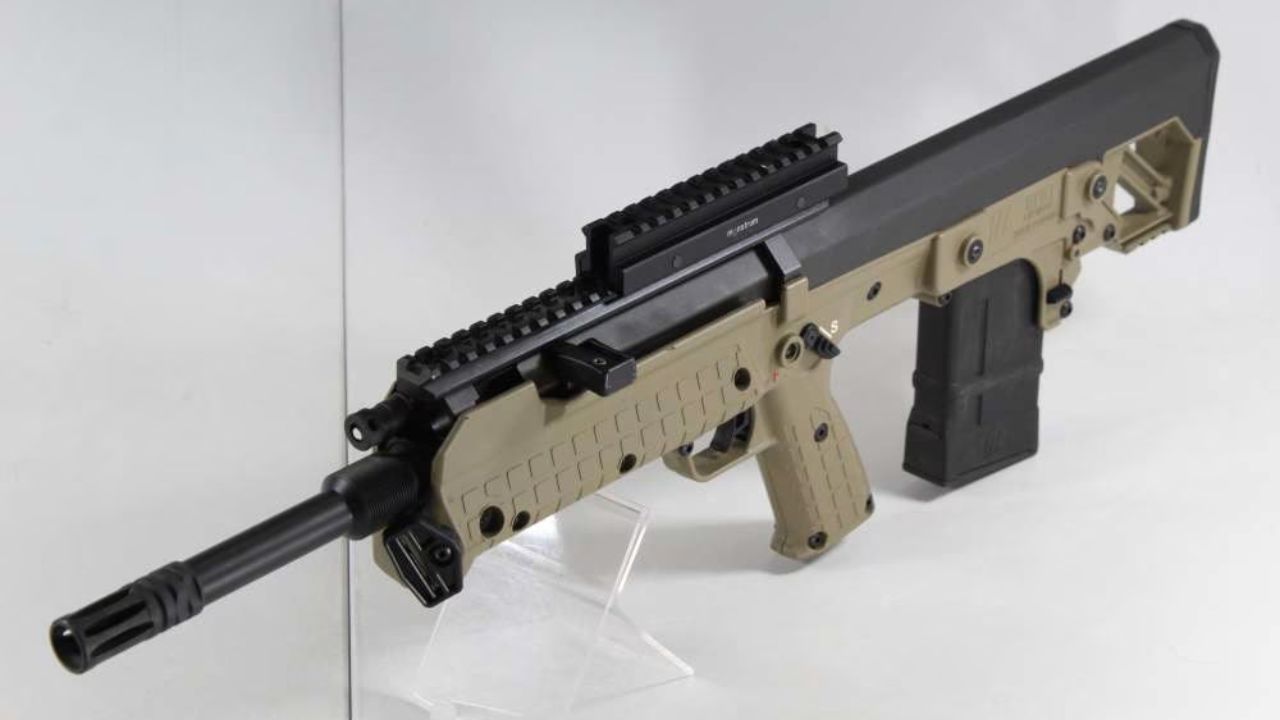
The KelTec RFB is interesting because it is a .308 bullpup with forward ejection. That makes it unusual, compact for its barrel length, and mechanically fascinating. But unusual rifles often struggle with long-term value unless they gain a large loyal base or strong collector status.
The RFB is expensive enough that resale expectations matter, but buyer confidence can be limited by concerns about complexity, parts support, and the niche nature of the design. It is not a casual hunting rifle, and it is not as broadly supported as AR-10-pattern rifles. For the right person, it is cool. For long-term value, cool is not always enough.
Century Arms C308

The Century Arms C308 gave buyers a lower-cost way into a .308 roller-delayed-style rifle, but long-term value is not its strongest point. The concept is appealing, especially for people who like HK-pattern rifles. The issue is that build reputation and buyer confidence matter a lot in this category.
Used buyers may hesitate unless they can inspect the rifle carefully and trust that specific example. When a rifle has a reputation for uneven quality, it has to fight harder on the used market. A better-regarded HK-pattern rifle or a quality AR-10 may hold buyer interest more easily. The C308 can be fun, but value retention is not its best argument.
Bushmaster ACR
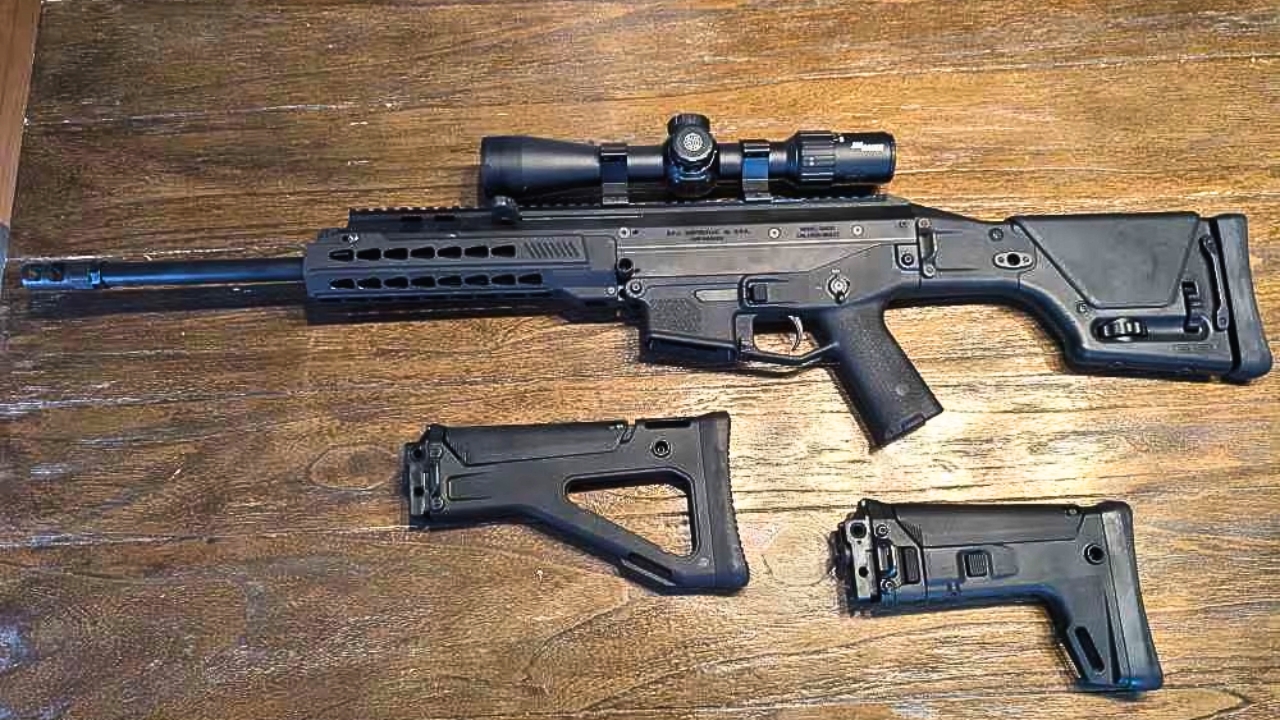
The Bushmaster ACR is one of the clearest warnings about buying into platform hype. It looked like it could become a major modern rifle system, with modular features and futuristic appeal. A lot of shooters expected it to challenge the AR-15 more seriously than it actually did.
The problem is that the support never matched the promise. High pricing, limited adoption, parts concerns, and an AR market that kept improving all hurt the ACR. It may develop collector interest in certain circles, but as a practical long-term value purchase, it is risky. A rifle platform needs support, not just early excitement.
Remington R-15 VTR Predator

The Remington R-15 VTR Predator made sense when hunting-branded ARs were gaining attention. It gave predator hunters a camo-finished rifle from a familiar hunting company, and that had real appeal for a while. But AR buyers have become much more focused on specific parts, manufacturers, barrel quality, and modular setups.
That hurts the R-15’s long-term value. It is tied to a past moment in the market more than a deeply supported rifle identity. Some hunters may still like it, but many AR buyers would rather choose a current rifle with clearer specs and stronger parts support. If value matters, a hunting-themed AR from a faded product line is not the safest bet.
Rossi Circuit Judge
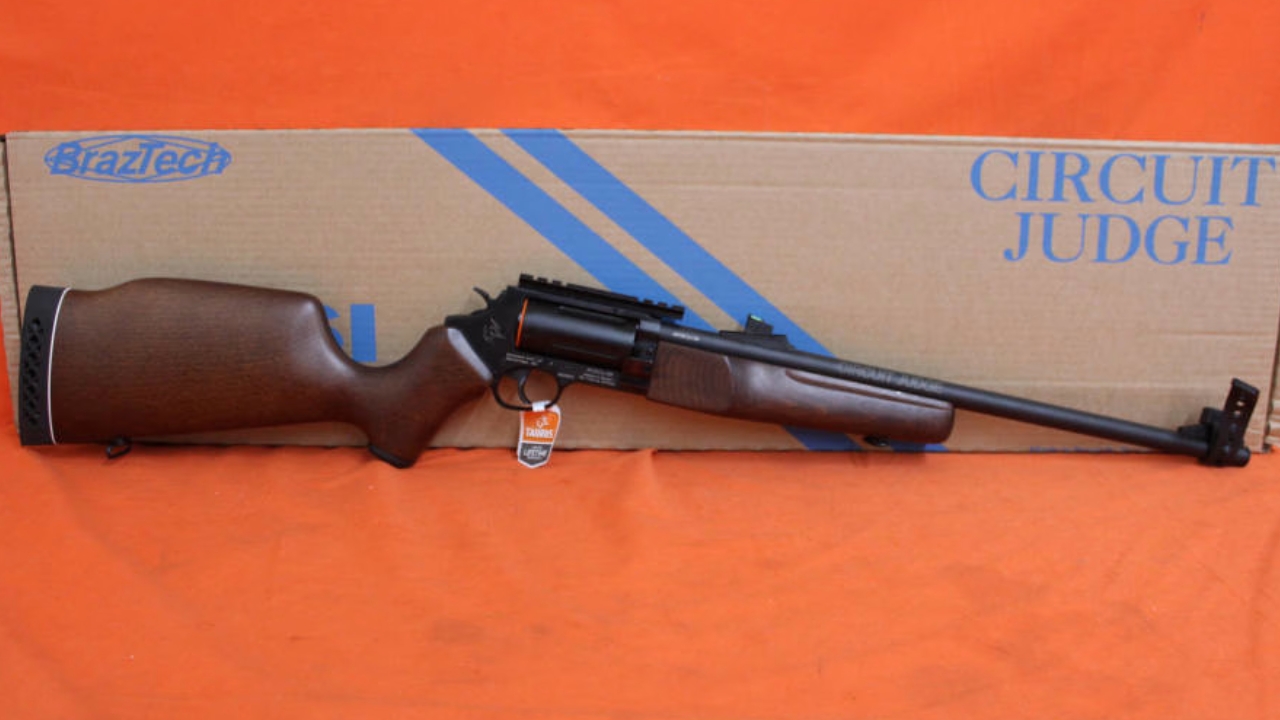
The Rossi Circuit Judge is interesting, but interesting does not always mean valuable long term. The revolving rifle design and .45 Colt/.410 chambering make it stand out immediately. That novelty is exactly what sold many buyers on it.
The problem is that its role is narrow. It is not as practical as a dedicated shotgun, not as strong as a standard hunting rifle, and not as broadly desirable as a lever-action .45 Colt or .357 Magnum carbine. Once the novelty fades, resale depends on finding someone who wants that exact oddball setup. If long-term value matters, more conventional rifles usually make more sense.
Like The Avid Outdoorsman’s content? Subscribe to our newsletter so you never miss an article.
Here’s more from us: