Photo credit: The Avid Outdoorsman
A simple trip to the water turned into a legal headache after one man said his friend was written up for fishing without a license, even though the friend allegedly was not trying to catch fish at all.
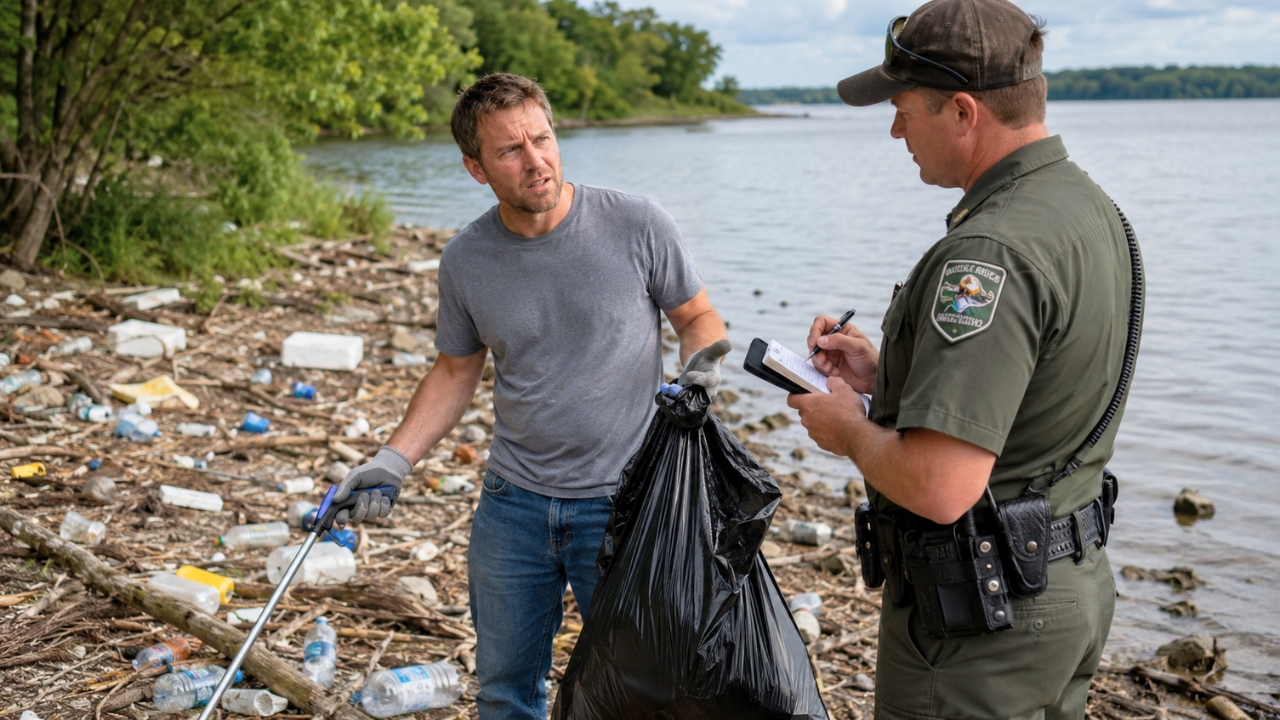
According to the Reddit post, the situation started when the poster and his friend were at a lake. The friend reportedly did not have a fishing license, but the poster said he was not actually fishing in the normal sense. Instead, the friend was allegedly using a line or gear to pull trash out of the water.
That distinction mattered a lot to the poster.
In his view, there was a big difference between casting for fish and trying to remove garbage from the lake. But once a game warden got involved, the situation apparently became much less casual.
The poster explained the ticket in a Reddit thread and asked what could be done after his friend was cited: https://www.reddit.com/r/legaladvice/comments/1edw00t/friend_got_written_up_for_fishing_without_a/
The whole issue came down to what counts as fishing
At first glance, the friend’s argument seems simple.
If someone is pulling trash out of the water, they are not trying to catch fish. They are not keeping fish. They are not trying to harvest anything. They may even be doing something helpful.
But wildlife laws are often written around the act itself, not just the person’s stated intention.
That is where things can get tricky.
If someone is using fishing equipment in the water, a game warden may see that as fishing unless the situation clearly shows otherwise. To the person holding the line, it may feel obvious that they are cleaning up trash. To the officer enforcing the law, it may look like someone is engaged in an activity that requires a license.
That does not automatically mean the ticket was fair. It does mean the friend was probably going to have to deal with the citation seriously instead of assuming it would disappear because he had a good explanation.
The poster seemed frustrated because the friend’s intent was not to break the law. But intent and enforcement do not always line up cleanly, especially when outdoor regulations are involved.
A license ticket can feel small until court gets involved
Fishing-license citations are easy to underestimate.
A lot of people think of them as minor tickets, like a parking fine. In some places, that may be close to how they are handled. In others, they can be treated more seriously, especially if the citation is tied to a misdemeanor or requires a court appearance.
That is why these situations make people nervous.
Nobody wants a routine afternoon at the lake to turn into a record, a missed court date, or a bigger fine because they ignored the paperwork. Even when the facts seem silly, the citation still needs to be handled the right way.
The safest move in a case like this is usually to read the citation carefully, check whether court is mandatory, and find out whether there is a way to contest it or explain the situation to the court.
The friend may have had a decent argument, but he still needed to follow the process.
Commenters focused on the exact wording of the law
Commenters were not all convinced that “pulling trash” would automatically get the friend out of the ticket.
Several pointed out that wildlife laws often define fishing broadly. If the law says using certain gear in public waters counts as fishing, then the friend’s reason for using it may not matter as much as he hoped.
Others said the friend should not ignore the citation. Even if he thought it was ridiculous, the ticket was still official. Missing a deadline or skipping court could create a much bigger problem than the original fine.
Some commenters also suggested that the friend gather any proof he had that he was removing trash rather than trying to catch fish. That could include photos, witnesses, or anything showing the activity was cleanup-related.
But the broader message was pretty clear: do not assume a game warden’s ticket is harmless just because the situation sounds harmless.
The strange part is that cleanup and enforcement collided
The frustrating thing about this story is that the friend, according to the poster, was not out there poaching or sneaking fish into a cooler.
He was supposedly trying to pull trash from the lake.
That is the kind of thing most people would want more visitors to do, not less. Lakes, rivers, and shorelines collect all kinds of garbage, and plenty of outdoorsmen make a habit of leaving a place better than they found it.
But outdoor laws can be blunt tools.
A warden may not know someone’s intent. A person using fishing gear in the water may trigger the same enforcement response whether they are catching fish, snagging trash, or doing something in between.
That does not make the story any less odd. It just shows how quickly a well-meaning activity can become a legal question once wildlife regulations enter the picture.
In the end, the friend’s best chance would likely depend on the exact wording of the local law, the details written on the citation, and whether he could convincingly show he was not actually fishing.
What started as an attempt to clean up the water turned into a reminder that around lakes and rivers, even simple actions can look very different when a game warden is standing there with a ticket book.
Like The Avid Outdoorsman’s content? Subscribe to our newsletter so you never miss an article.
Here’s more from us: