Photo credit: The Way to Native Chronicles/YouTube
You don’t have to turn every hunting rifle into a project. The parts market makes it feel normal to swap triggers, stocks, bottom metal, rails—then you blink and you’ve spent more time tweaking than hunting. The truth is, plenty of rifles are already good where it counts: they feed reliably, they shoot straight with factory ammo, and they carry well enough that you’ll keep them in your hands all day.
If you’re building a dedicated long-range rig, tinkering can make sense. For a rifle that’s going to live in a scabbard, ride in a case, and get hauled up ridgelines, the best “upgrade” is often leaving it alone. Pick a rifle that fits you, mount a dependable scope, confirm your zero, and go hunt. These are the hunting rifles that don’t need parts catalogs to earn your confidence.
Tikka T3x Lite

You buy a lot of rifles that feel like a to-do list the minute you get home. The Tikka T3x Lite is the opposite. The factory barrel and chamber work tend to shoot, the bolt runs slick without polishing, and the trigger breaks clean enough that you don’t feel rushed to swap parts. You also get consistent ejection and a bolt handle you can grab in a hurry.
In the field, that matters more than arguments online. The stock fits most hunters, the magazines are reliable, and the recoil pad does its job. Set your scope, confirm your zero, and start hunting. In practical chamberings like .308, 6.5 Creedmoor, or 7mm-08, you get an accurate rifle that carries easy and stays boring in the best way, season after season. A basic sling and a few boxes of ammo are all it asks.
Bergara B-14 Hunter

The Bergara B-14 Hunter earns its keep by giving you a grown-up barrel and a smooth, consistent action without demanding a pile of aftermarket fixes. The factory trigger is clean enough for hunting work, and the rifle tends to shoot well with the kind of factory loads you actually find in small-town stores. The recoil lug and bedding are solid enough that you aren’t chasing mystery flyers.
What you notice in the woods is how settled it feels. The stock shape rides bags well at the range, then carries naturally on a sling when you’re walking. Feeding is usually uneventful, and the rifle holds zero through normal bumps and weather. Leave it stock, torque your rings correctly, and spend your money on ammo and practice. Many versions come threaded too, so you’re not paying a smith later.
Winchester Model 70 Featherweight

A good Model 70 Featherweight does not need help to feel like a hunting rifle. The controlled-round-feed action is steady when you run it hard, the safety is easy to use with gloves, and the balance makes the rifle come to your shoulder without fighting you. The floorplate and magazine setup are old-school, but proven.
The Featherweight also has a knack for staying honest across seasons. You can pick one in .270 Winchester, .308, or 7mm-08 and it will cover most North American hunting without turning into a bench gun. The trigger is usually clean, the bedding tends to be respectable, and the rifle carries like it wants to be used. A good sling and a plain 3-9x fit it perfectly. Keep the screws snug, keep the bore clean, and it will keep doing what you bought it for.
Browning X-Bolt Hunter

The Browning X-Bolt Hunter is the kind of rifle you buy when you want things to work without drama. The bolt lift is short and smooth, the magazine system is reliable, and the trigger is crisp enough that you don’t feel the urge to replace it on day one.
Out in the field, the X-Bolt shines because it’s practical. It carries well, it feeds cleanly, and it usually shoots tight groups with factory ammo once you find what it likes. The stock geometry helps you stay behind the rifle, and the recoil pad takes the edge off in lighter setups. Mount a scope, set your zero, and resist the temptation to chase parts. For a hunting rifle, that quiet consistency is the whole point.
Ruger Hawkeye

The Ruger Hawkeye has never been a fashion gun, and that’s part of why it works so well stock. The action is strong, the extractor is dependable, and the rifle feels like it was built for real hunting weather rather than clean range benches. The three-position safety is familiar, quiet, and easy to run.
A Hawkeye in .30-06, .308, or .270 will handle almost anything you’re likely to hunt if you do your part. The factory trigger is usable, and the rifle’s weight and balance help you shoot offhand better than many lighter rifles. The hinged floorplate keeps loading and unloading easy at camp. What makes it “no upgrades needed” is how little it asks of you: keep it lubed lightly, keep your scope mounts tight, and it keeps feeding and firing when conditions get ugly.
Weatherby Vanguard Series 2

The Weatherby Vanguard Series 2 is a working rifle that behaves like it has already been sorted out. The action is smooth, the bolt feels solid, and the factory trigger is usually clean enough that you can hunt it confidently without chasing a replacement. The safety is positive and easy to find.
What you get in return is consistency. These rifles tend to shoot well with factory ammo, and they hold zero through travel and normal hunting abuse. The stock design is comfortable for most shooters, and the overall weight keeps recoil manageable in common hunting chamberings like .270, .308, and 7mm Rem Mag. You can leave the rifle alone, focus on finding a load it likes, and spend your time learning field positions. That’s how you make it great.
Howa 1500 Hunter

The Howa 1500 Hunter is proof that “basic” can still mean well-made. The action is smooth, the lug contact is typically good, and the rifle has a reputation for shooting better than people expect without needing a new trigger, a new stock, and a new everything.
In real hunting use, the Howa’s strength is calm reliability. It feeds well, it extracts with authority, and it tends to hold zero once you set it up right. The weight also helps you shoot steadier offhand and from kneeling, which matters more than tiny bench groups when you’re breathing hard on a hillside. Pick a sensible cartridge, mount dependable glass, and go fill tags. You can modify it if you want, but you do not need to.
CZ 600 Alpha

The CZ 600 Alpha is one of those rifles that arrives already aimed at hunters, not tinkerers. The ergonomics are good, the controls make sense, and the rifle usually shoots very well for the money with factory hunting ammo.
The best part is how complete it feels in stock form. The barrel and action pairing tends to be accurate, the stock is functional in wet conditions, and the rifle balances well enough for carrying all day. You can run it as-is with a basic scope and never feel behind the curve. Keep an eye on proper screw torque, keep it clean after rough weather, and the rifle will keep printing the same point of impact. That kind of predictability is what makes a rifle feel “finished.”
Sako 85 Finnlight II

If you want a rifle that feels refined without feeling fragile, the Sako 85 Finnlight II is hard to beat. The action is smooth, the feeding is controlled and clean, and the trigger is the kind you leave alone because it already breaks the way you want a hunting trigger to break.
On a long hunt, the Finnlight’s value is how easy it is to live with. It carries well, it shoots accurately without fuss, and it stays consistent when temperatures swing. The stock and recoil pad help keep the rifle settled, and the overall fit and finish tends to hold up to years of use. This is the type of rifle where “upgrades” usually mean adding weight and complexity. Keep it stock and let the rifle do what it was built to do.
Kimber Hunter

The Kimber Hunter is built around the idea that a hunting rifle should carry like a walking stick and still shoot straight when it matters. It’s light, it points quickly, and the trigger is usually clean enough that you can focus on your sight picture instead of fighting the break.
The trick with a lightweight rifle is keeping it practical, and the Hunter does that well in cartridges like 7mm-08, .308, or .270. You’re not buying it to hang gadgets on it. You’re buying it to climb, glass, and take a steady shot when you get a short window. Mount a scope that matches the rifle, confirm your zero, and stop there. The rifle’s value is that it stays light and honest, not that it turns into a science project.
Remington 700 CDL

People love to modify the Remington 700, which makes it easy to forget that a good 700 CDL is already a solid hunting rifle. The action is straightforward, the stock carries well, and the rifle tends to shoot accurately with factory loads in classic chamberings like .30-06, .270, and .308.
What makes the CDL “ready as-is” is the balance of weight and feel. It’s heavy enough to shoot comfortably, light enough to carry all day, and the ergonomics make it easy to get behind the rifle in awkward field positions. Keep the rifle clean, keep the screws snug, and focus on real practice: shooting from sticks, kneeling, and offhand. If you start swapping parts, you often lose the thing the CDL does best—being a dependable, comfortable hunting rifle.
Browning BAR Mark III

A lot of semi-autos get treated like range toys, but the Browning BAR Mark III has been putting meat in freezers for generations. It runs smoothly, it soaks up recoil, and it lets you make a fast follow-up shot without breaking your cheek weld or rebuilding your position.
The BAR also tends to be very accurate for what it is, especially in common hunting chamberings like .308, .30-06, and .270. You don’t need to hang accessories on it to make it useful. What you need is good magazines, a scope that holds zero, and regular cleaning so the action stays happy. Leave the internals alone, resist the urge to “tune” it, and you get a rifle that performs the way a hunting semi-auto should: reliable, controllable, and steady.
Marlin 336 (JM-stamped)

A clean JM-stamped Marlin 336 is one of the best examples of a rifle that needs nothing. The action is smooth, the rifle carries close to the body, and it points fast in thick cover where shots happen fast and angles are not always perfect.
In .30-30 or .35 Remington, the 336 is still a serious hunting tool inside normal woods ranges. You don’t need a new stock, a new trigger, or a pile of rails to make it work. Keep the screws tight, keep the magazine tube and action clean, and run a sighting setup that stays sturdy—iron sights or a low-power optic. The rifle’s strength is how naturally it handles, and you lose that when you turn it into a hardware store project.
Ruger No. 1

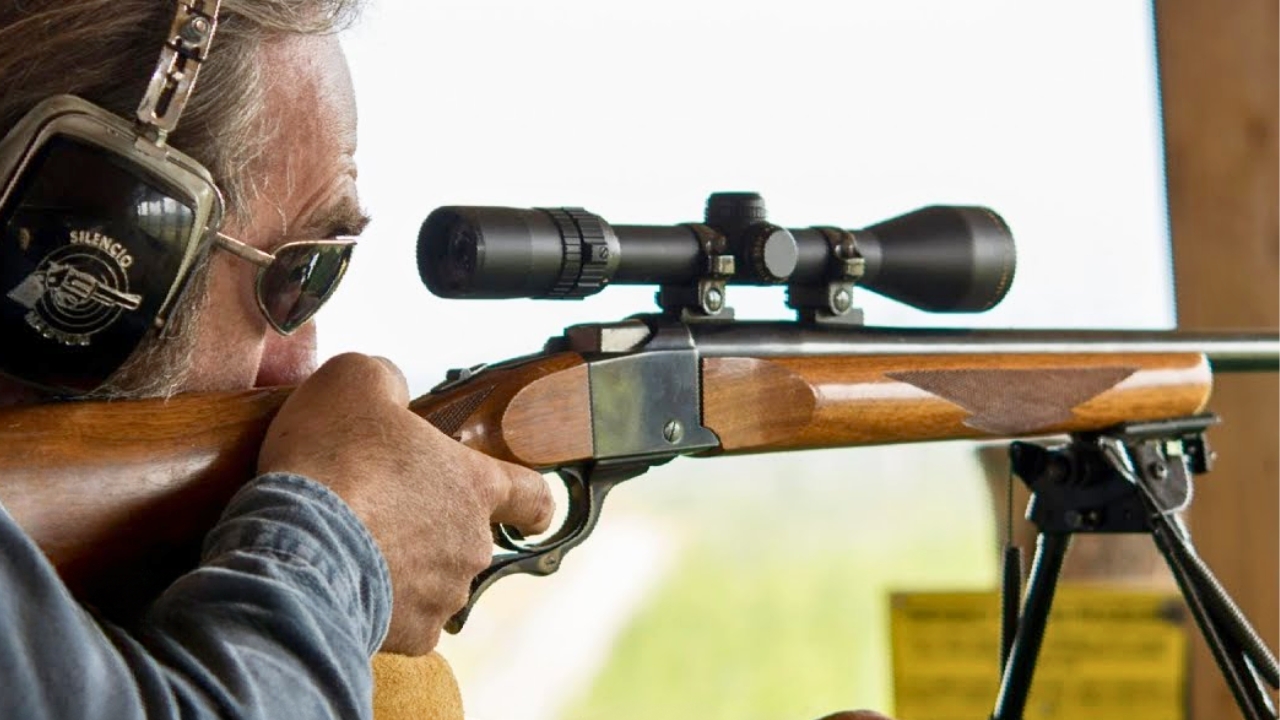
The Ruger No. 1 is a single-shot that feels like it was built for hunters who value placement and discipline. The action is strong, the trigger is often very good, and the rifle balances in a way that makes offhand shooting feel natural, especially with a slim scope and sensible rings.
A No. 1 also has a quiet advantage: fewer moving parts to rattle, shift, or loosen over time. You set it up, you learn it, and it stays consistent. The rifle doesn’t need aftermarket anything to be effective, because its effectiveness comes from how well it carries and how cleanly it shoots when you do your job. Pick a cartridge that fits your hunting, keep the wood and metal cared for, and it becomes the kind of rifle you hand down with stories attached.
Henry Long Ranger

The Henry Long Ranger is a lever gun for hunters who want fast handling without giving up modern cartridge performance. It feeds from a box magazine, it cycles smoothly, and it’s accurate enough that you can treat it like a real deer rifle, not a novelty.
In chamberings like .308 or 6.5 Creedmoor, the Long Ranger gives you reach and authority with a rifle that carries and points like a lever gun should. You don’t need to change anything to make it hunt well. Add a low-power scope, confirm your zero, and keep the rifle clean and lightly oiled after wet days. The value is that it stays handy while still shooting like a serious rifle. Start bolting on extras and you miss the reason you bought it in the first place.
Like The Avid Outdoorsman’s content? Subscribe to our newsletter so you never miss an article.
Here’s more from us: