
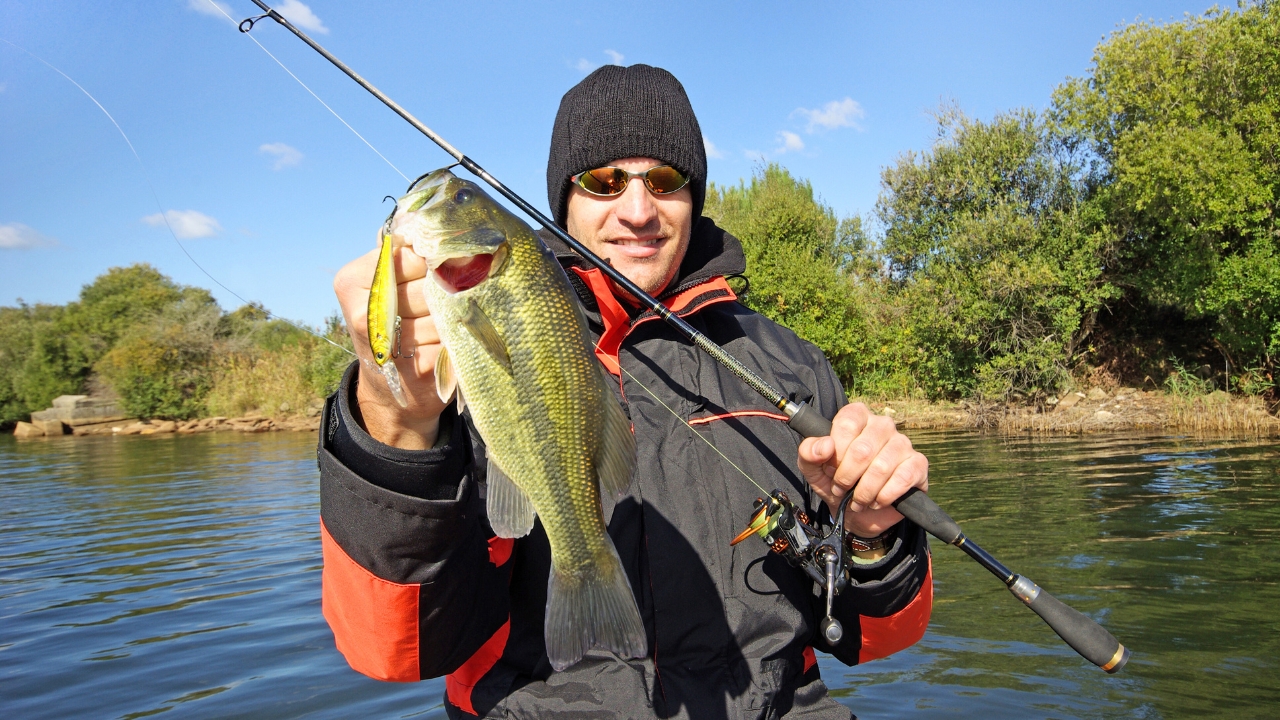
Photo credit: Fabien Monteil/Shutterstock.com
Live bait gets results—plain and simple. If you’re out there trying to catch fish, you want the best chance of success, and nothing beats the real thing. Artificial lures have their place, but when conditions are tough or fish are picky, live bait turns lookers into biters.
The key is knowing what bait works best for what you’re after. Some baits bring in the biggest predators, while others get nonstop action from panfish and trout. Whether you’re fishing freshwater or salt, these live baits are the ones you want in your arsenal.
Bluegills

If you’ve ever fished as a kid, chances are you started with bluegills. They’re everywhere, easy to catch, and they make incredible bait for predators like bass, pike, and flathead catfish. The key is using them at the right size—3 to 5 inches is the sweet spot.
Once you’ve got a lively one, hook it through the back just ahead of the dorsal fin and let it do the work. A big bobber set a foot or two above the bait keeps it in the strike zone. If there are trophy-sized fish in the water, don’t be surprised when that bobber vanishes fast.
Mealworms

Trout streams loaded with stocked or wild fish almost always respond well to mealworms. These little larvae are easy to find in bait shops and pet stores, and they don’t require refrigeration, making them a convenient bait to keep on hand. Packed in sawdust, they’ll last for months, meaning you’re never without a solid backup plan.
Mealworms mimic all kinds of natural forage, from caddis larvae to inchworms. Trout and panfish eat them readily, especially when threaded onto a small hook and fished weightless or under a float. Whether you’re targeting deep pools or slow-moving runs, these little guys get results.
Crickets

If you’re after bluegill and crappie, few baits work better than crickets. They’re easy to find in bait shops down South, but if you’re up North, a pet store with reptile supplies will have plenty. These little hoppers drive fish wild, whether they’re alive or dead.
Crickets are fragile, so use a fine wire hook and light line to keep them moving naturally. Even if one stops kicking, fish will still take it. The best approach is to let them drift naturally in the current or drop them under a bobber in shaded spots where panfish stack up.
Nightcrawlers

There isn’t a freshwater fish out there that won’t eat a fat, wriggling nightcrawler. They’re easy to find, cheap, and packed with scent and movement that drive fish crazy. Whether you’re after bass, catfish, trout, or panfish, a nightcrawler on the hook is a safe bet.
Keep them cool so they stay lively, and fish them whole for bigger bites or pinch them into smaller pieces if you’re targeting panfish. Nightcrawlers work well on the bottom, under a bobber, or even drifted in moving water. They’re one of the most reliable baits out there, and if you ever run out, flipping rocks or digging in damp soil will usually turn up a few extras.
Frogs

A live frog in open water is like ringing the dinner bell for big bass, pike, and snakeheads. They know a frog out in the open isn’t supposed to be there, and they won’t hesitate to strike. If it’s legal in your area, using live frogs can be one of the most exciting ways to catch aggressive fish.
Hook the frog through both lips so it stays secure but can still swim freely. Cast it near cover and let it make a break for the weeds. If nothing happens, move to another spot and try again. And when the water explodes, be ready—this kind of fishing isn’t for the faint of heart.
Wax Worms

When the water gets cold and fish slow down, wax worms are one of the best baits you can use. They’re softer and juicier than mealworms, making them an easy meal for sluggish fish. Trout, crappie, and bluegill love them, and they’re a go-to bait for ice fishing.
They work best on tiny hooks and light line, either fished weightless or with just enough weight to get them where the fish are feeding. In winter, a wax worm on a small jig under the ice can outfish just about anything. Keep them in a cool place, and they’ll stay fresh for weeks.
Sand Fleas

If you’ve ever dug in the sand near the surf, you’ve probably seen sand fleas burrow into the wet sand. These little crustaceans are a go-to bait for surf anglers targeting pompano, drum, and flounder. They’re abundant, easy to collect, and deadly effective when fished right.
Hook them through the shell near the rear and use a rolling bank sinker to let them move naturally in the waves. The key is keeping them in the strike zone—don’t cast too far out. Fish know these things wash up close to shore, and that’s where they’ll be looking for an easy meal.
Shrimp

Fresh or frozen shrimp aren’t just good eating—they make incredible bait. In freshwater, catfish, bass, and even big bluegills will hammer them. In saltwater, shrimp are the go-to bait for just about everything, from redfish to flounder to sheepshead.
For the best results, peel the shrimp and cut it into bait-sized chunks. If you want more scent in the water, leave the shell on or crush part of the shrimp before casting. Shrimp work on the bottom, under a float, or even threaded onto a jighead. When the bite is tough, a piece of shrimp can turn things around fast.
Crayfish

Crayfish are on just about every predator fish’s menu, especially smallmouth bass. They thrive in rocky streams, and when one gets exposed, it’s an easy target. That’s why a live crayfish is one of the best baits you can throw in moving water.
Hook them through the base of the tail so they can kick naturally, and fish them under a bobber or with a few split shot on the bottom. If you can’t find them at a bait shop, flipping rocks in a creek will turn up plenty. Catching them is half the fun, and once they’re in the water, the fish will take care of the rest.
Shad

If you’re after trophy fish, live or cut shad is one of the best baits you can use. Big catfish, striped bass, and monster largemouths won’t pass up an easy meal, and shad are a natural part of their diet. Fresh is always better, so catching your own with a cast net or snagging rig is the way to go.
For live bait, hook the shad through the nose or just behind the dorsal fin and let it swim naturally. If you’re using cut bait, fresh chunks will put out the most scent and draw in fish from a distance. Whether you’re fishing deep holes in a river or drifting a reservoir, shad is one of the best options for big bites.
*This article was created with the assistance of AI.


