Photo credit: Wirestock Creators/ShutterStock.com
Bass rarely behave the way most anglers assume they do. Their movements, feeding windows, and holding areas shift constantly with pressure, weather, and forage, and even the most experienced fishermen can misread what’s actually happening below the surface.
When a pattern suddenly falls apart or a spot stops producing, it’s usually because the fish didn’t make the move you thought they did. Understanding the subtle cues—how they adapt to changing conditions, how they respond to pressure, and how they use structure differently than expected—helps you stay one step ahead and turn tough days into consistent ones.
Bass holding shallow even in bad weather
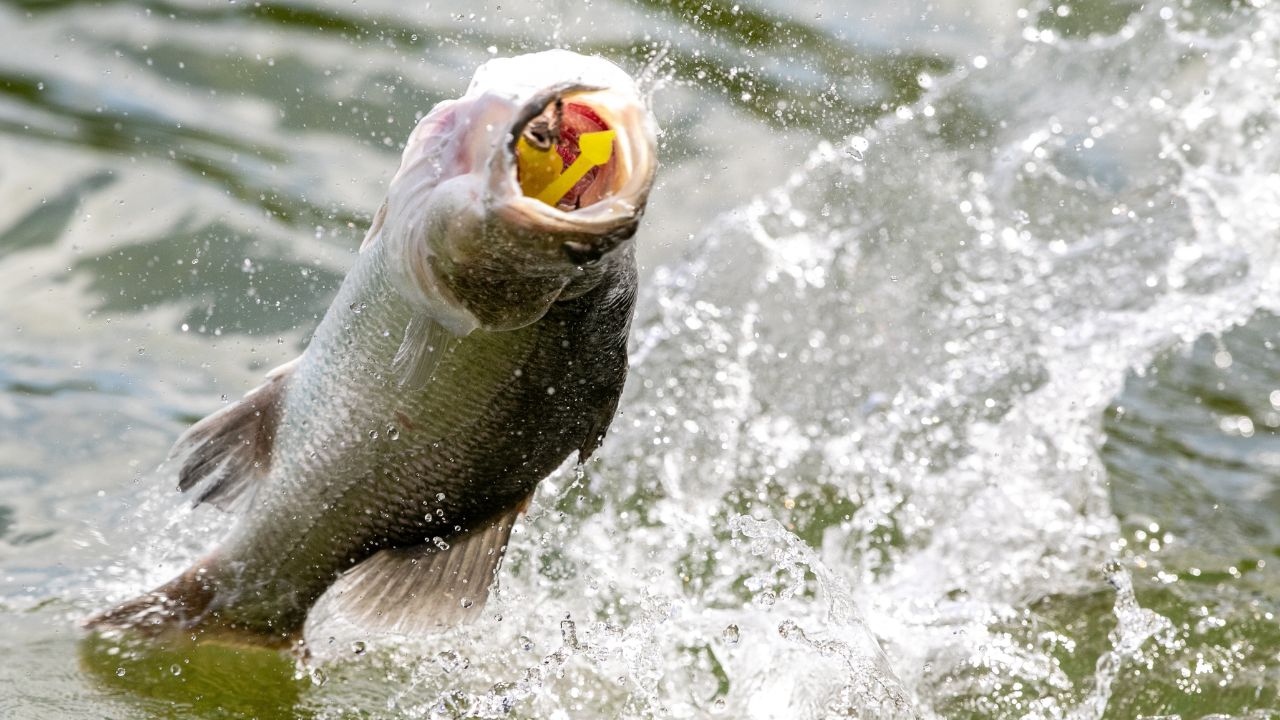
Many anglers assume bass slide deep when a front arrives, but pressured fish often stay shallow if the cover is dense enough. Thick grass, laydowns, and docks give them security without needing deeper water. When you leave the bank too quickly, you miss the fish still tucked under that heavy cover.
A slow approach helps you read the signs. If you’re seeing bluegills flicking or bait staying tight to the bank, the bass likely never moved. But since they won’t chase, you need a slower presentation to get them to bite.
Bass feeding without showing themselves
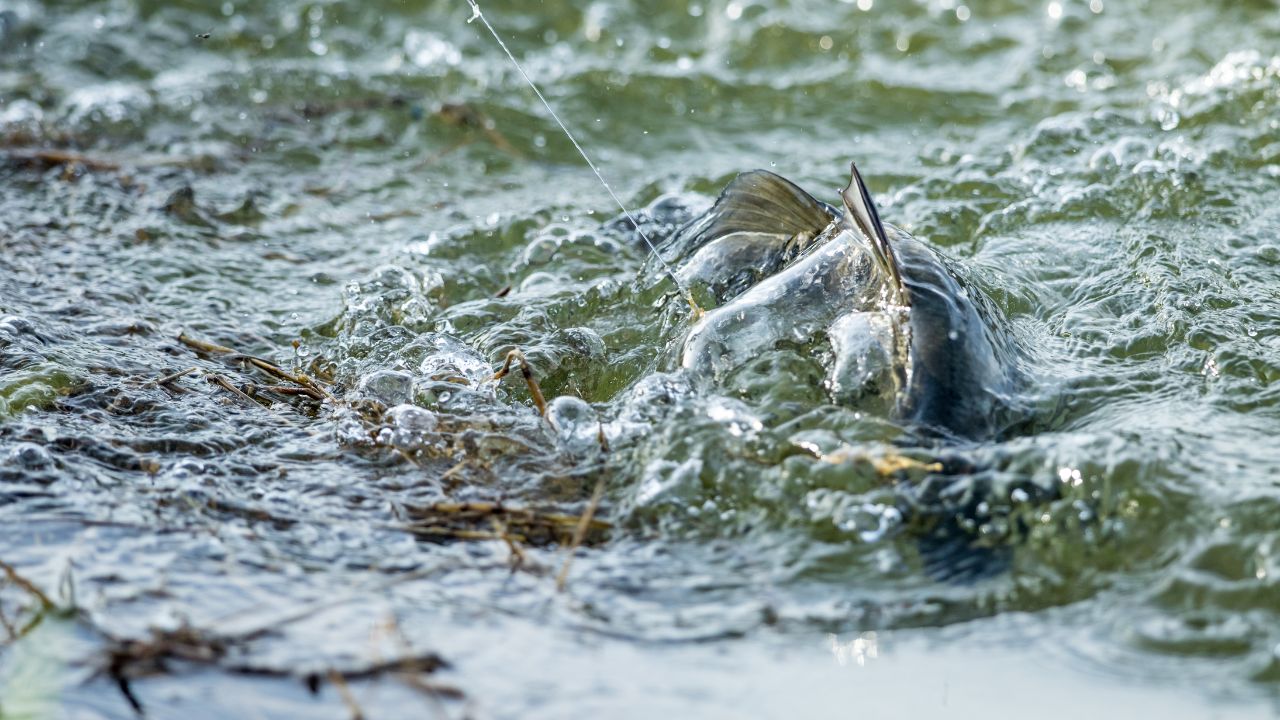
Just because bass aren’t blowing up on the surface doesn’t mean they aren’t feeding. In pressured lakes, they often feed quietly, slipping through bait schools and hitting from below instead of crashing from above. Many anglers misread this as inactivity and move on too quickly.
Watching for small clues—flicking bait, subtle swirls, or isolated dimples—tells you fish are active but not aggressive. Switching to a more finesse presentation often uncovers a bite that most people completely overlook.
Bass suspending more often than anglers think
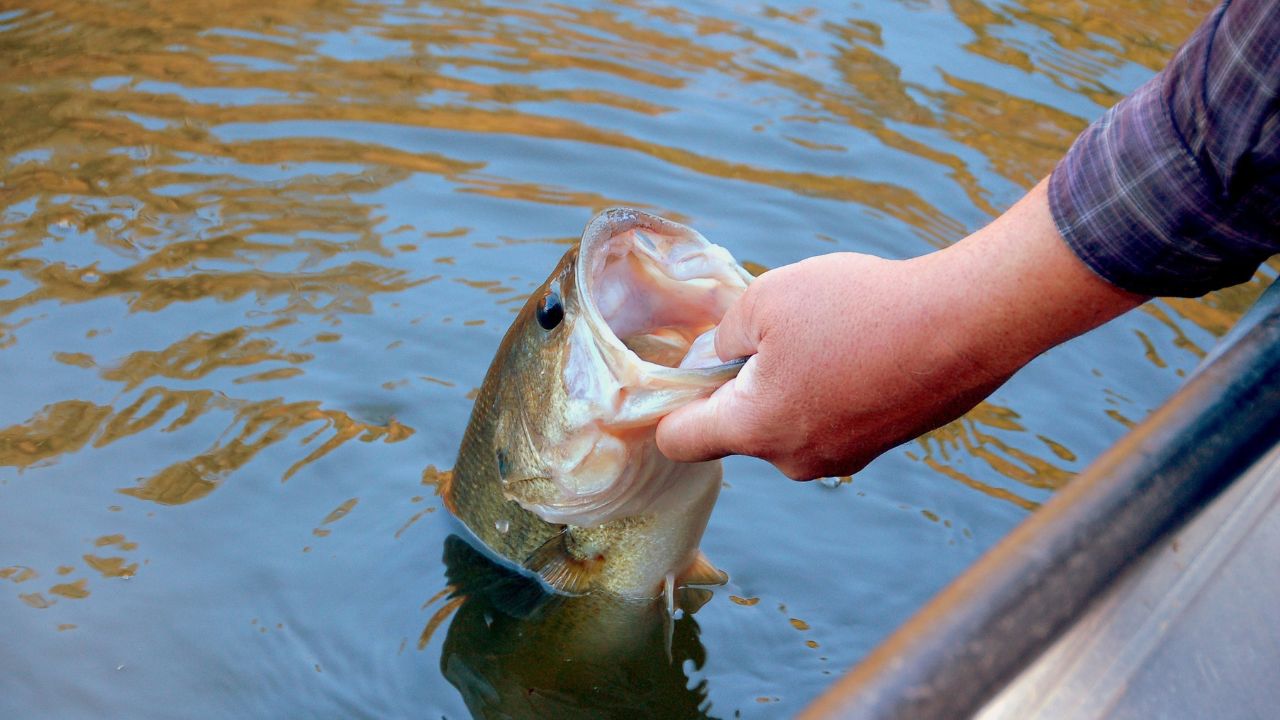
Suspended bass frustrate nearly everyone because they’re in that awkward mid-depth zone. Many anglers assume suspended fish aren’t catchable, but they feed more often than you realize. The issue is matching a lure that stays in front of them long enough.
You need slow-falling baits or presentations that hover in the strike zone. Jerkbaits, soft jerkbaits, and finesse swimbaits excel here. Once you learn to target suspended fish intentionally, you’ll open a bite window most people never tap into.
Bass staying in muddy water for confidence
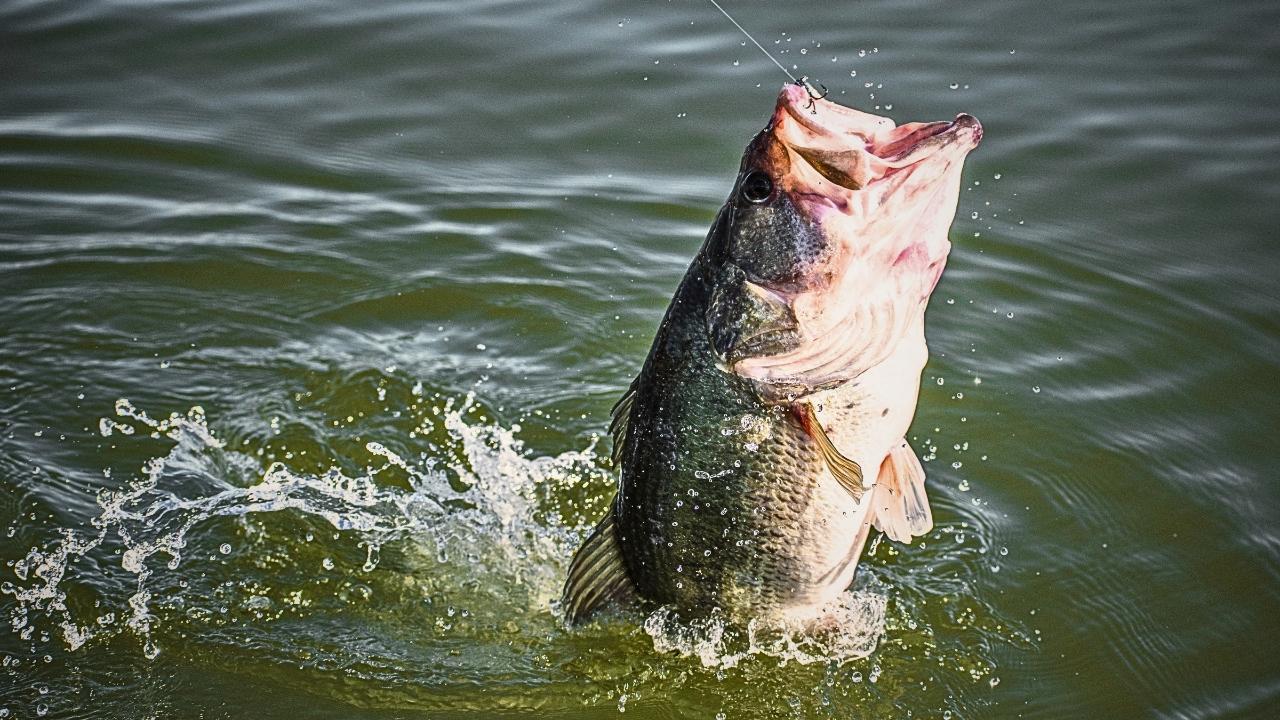
Anglers often abandon muddy coves, assuming bass leave when visibility drops. In reality, bass frequently stay because off-colored water gives them a confidence boost. It helps them ambush prey and stay hidden from predators and pressure.
You need louder or more noticeable presentations—vibration, bulk, or color contrast—to get bites. When everyone else heads for clear water, muddy sections can turn into your best opportunity simply because you stayed when others didn’t.
Bass avoiding obvious structure due to pressure
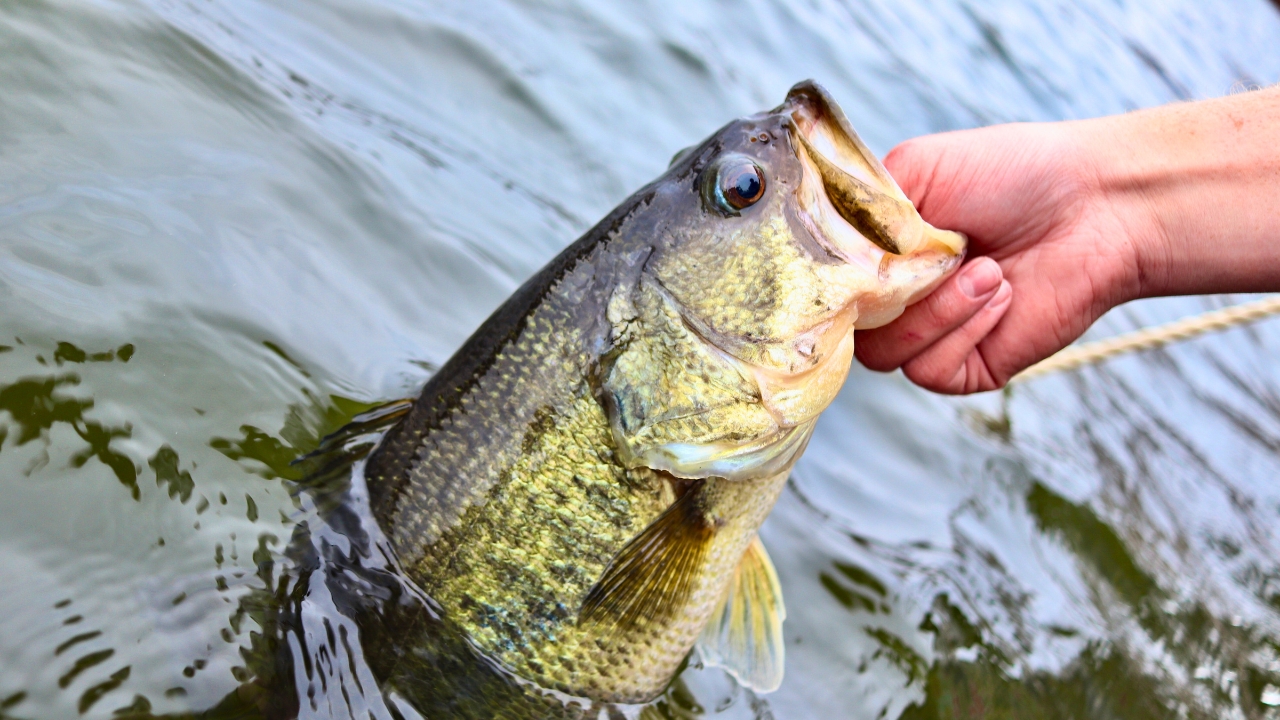
When a point, hump, or ledge looks too perfect, it usually receives the most pressure. Bass learn quickly that those spots bring boat traffic, noise, and baits dragged past their face all day. Instead, they shift to nearby secondary structure that gets overlooked.
If a community hole goes cold, slide off a little. A subtle ditch, rock patch, or grass line just outside the obvious sweet spot often holds the fish everyone else assumes have disappeared.
Bass using shade differently than expected

Most anglers look for shade under docks or trees, but bass often sit right on the edge rather than deep inside it. They position where they can see both the light and the dark zone, giving them the best angle to ambush prey.
Casting too far back into the cover can miss the strike zone entirely. Targeting the transitions—where light fades into shadow—often draws strikes from fish holding in that in-between lane.
Bass feeding in tiny windows, not all day
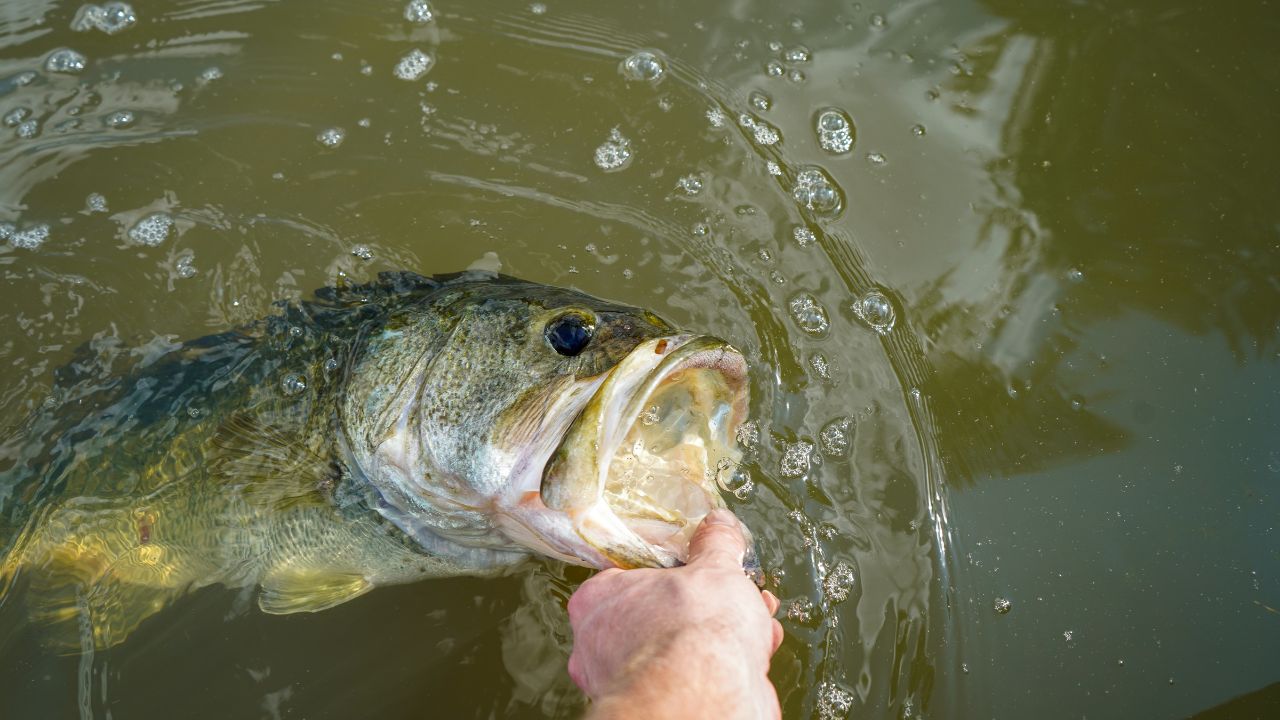
Anglers love the idea of bass feeding steadily through the day, but pressured fish often rely on short bursts. A fifteen-minute window at dawn or a brief switch when wind picks up can make or break a trip. Many misread slow periods as a sign fish aren’t present at all.
You need to pay attention to timing cues—bait showing up, wind shifts, changing light angles. Staying ready for that quick window helps you capitalize when the fish decide to move.
Bass schooling deeper than the bait

Sometimes the bait is near the surface, but the bass sit well below it. Many anglers throw topwater or fast-moving lures right into the bait ball and never get hit because the predators are staging underneath, waiting for wounded bait to fall.
A slow-falling lure like a fluke, spoon, or drop-shot catches these fish far more consistently. Reading your electronics to see the position of predators relative to the bait is key to not misreading what’s happening.
Bass relating to current more than structure
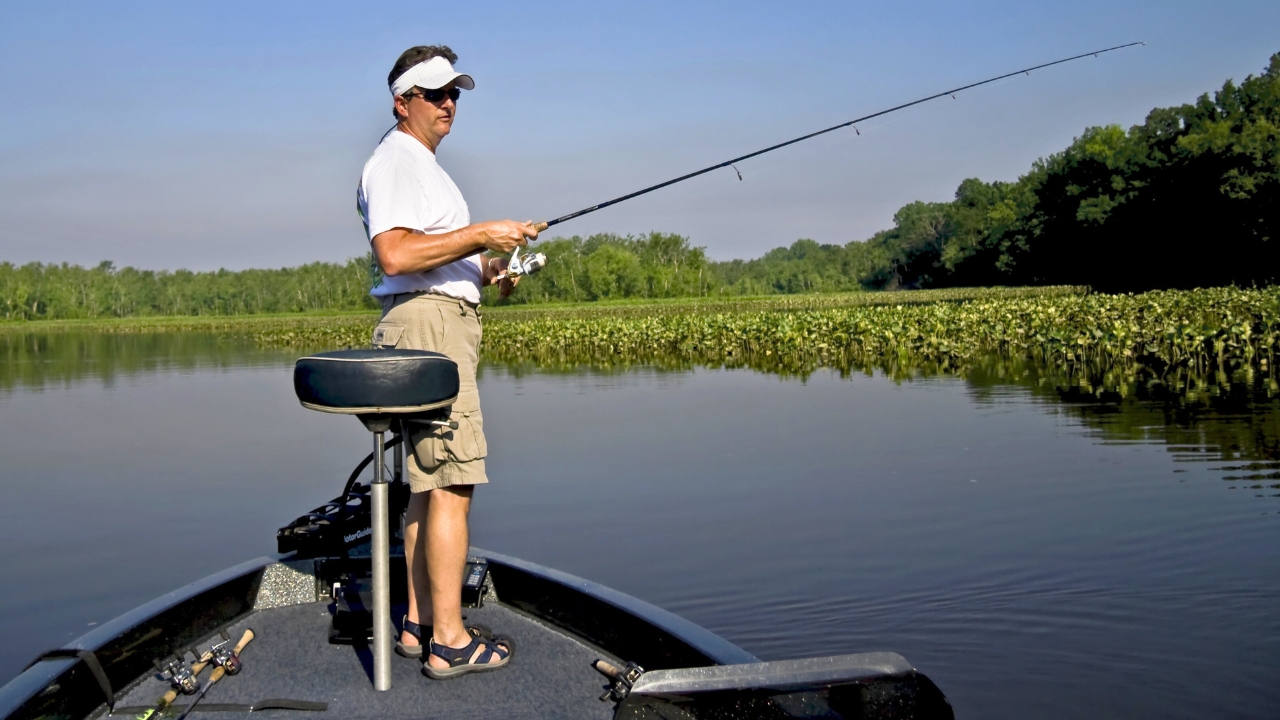
When current is present—whether from river flow, wind, or dam movement—bass often prioritize it over traditional structure. Many anglers focus too much on cover and overlook the movement of water that positions fish more reliably.
You need to find where that water funnels bait. Even a small push of current can shift fish unexpectedly. Once you identify how current interacts with the cover, you’ll stop assuming fish left and start understanding where they slid.
Bass sitting tighter to the bottom than most expect
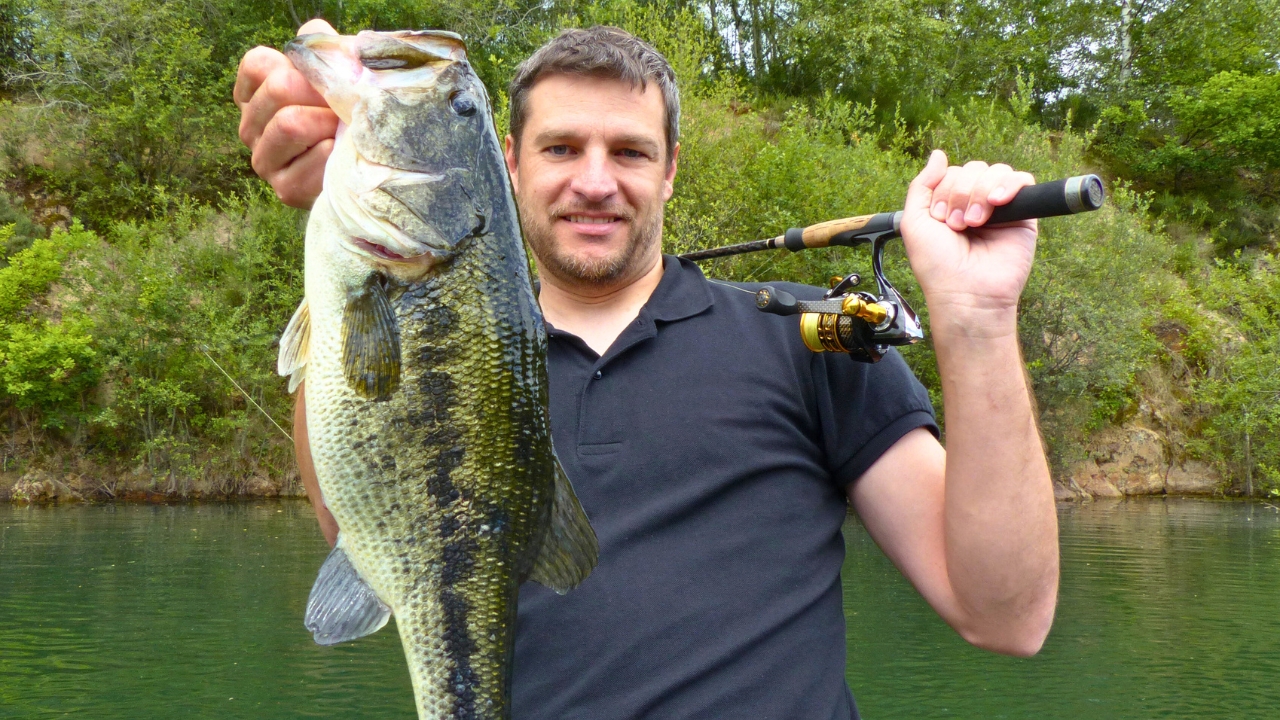
On high-pressure days, bass often snug right onto the bottom, becoming almost invisible on sonar and nearly impossible to catch with fast-moving baits. Anglers mistake this as inactivity rather than a positioning change.
Dragging bottom-contact lures—jigs, Carolina rigs, finesse worms—keeps your bait in their face long enough to trigger a strike. You’re not fishing for roaming bass; you’re fishing for ones trying to stay unnoticed.
Bass using open water more than shoreline cover
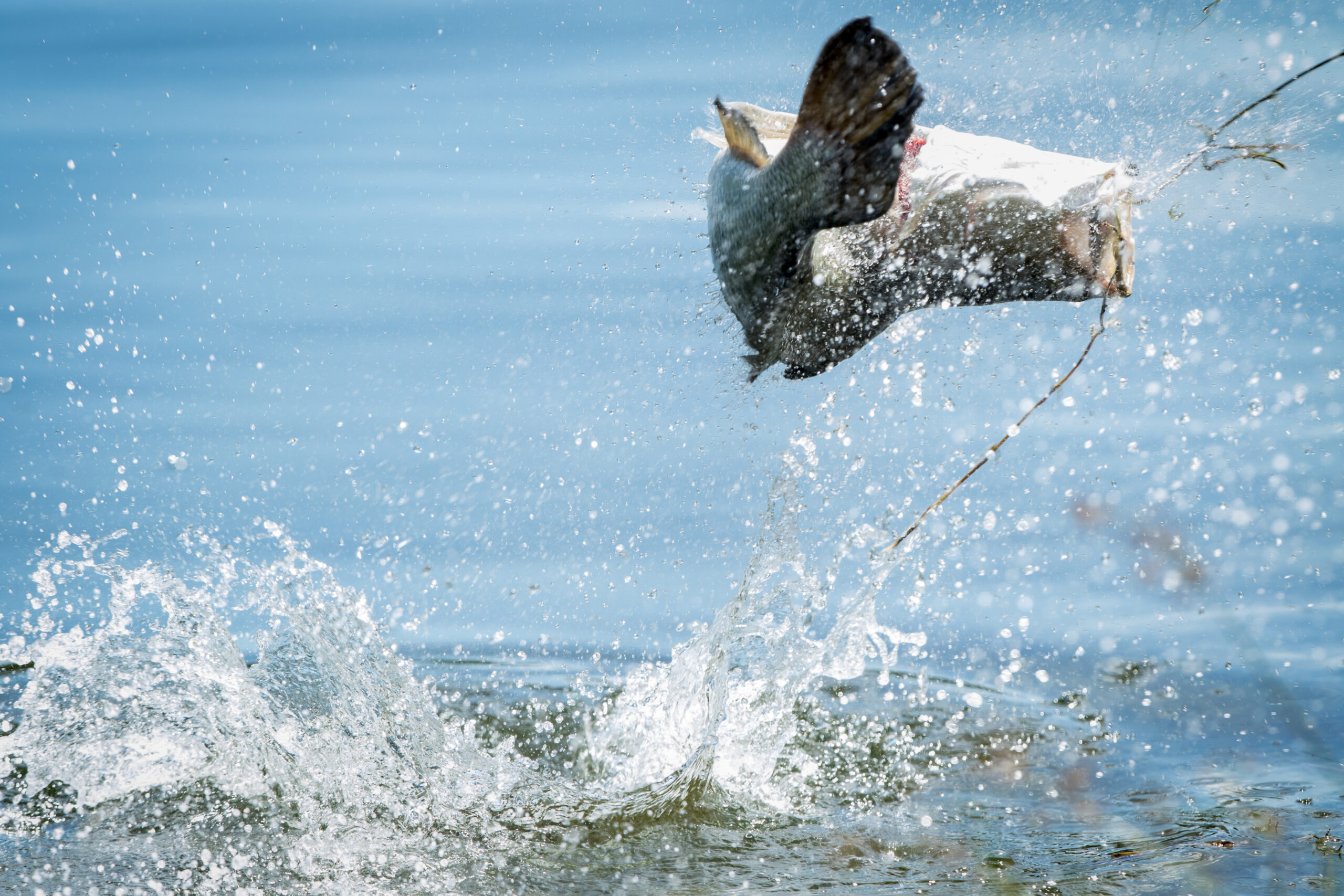
Even on lakes packed with cover, bass often suspend and roam open water chasing bait. Anglers who only fish visible cover assume the fish are inactive when, in reality, the bass are simply off the bank following forage.
Electronics help you find them, but so does paying attention to bird activity, subtle surface movement, and bait schools on the move. It’s a pattern many overlook because it doesn’t involve a target to cast at.
Bass getting conditioned to common lures
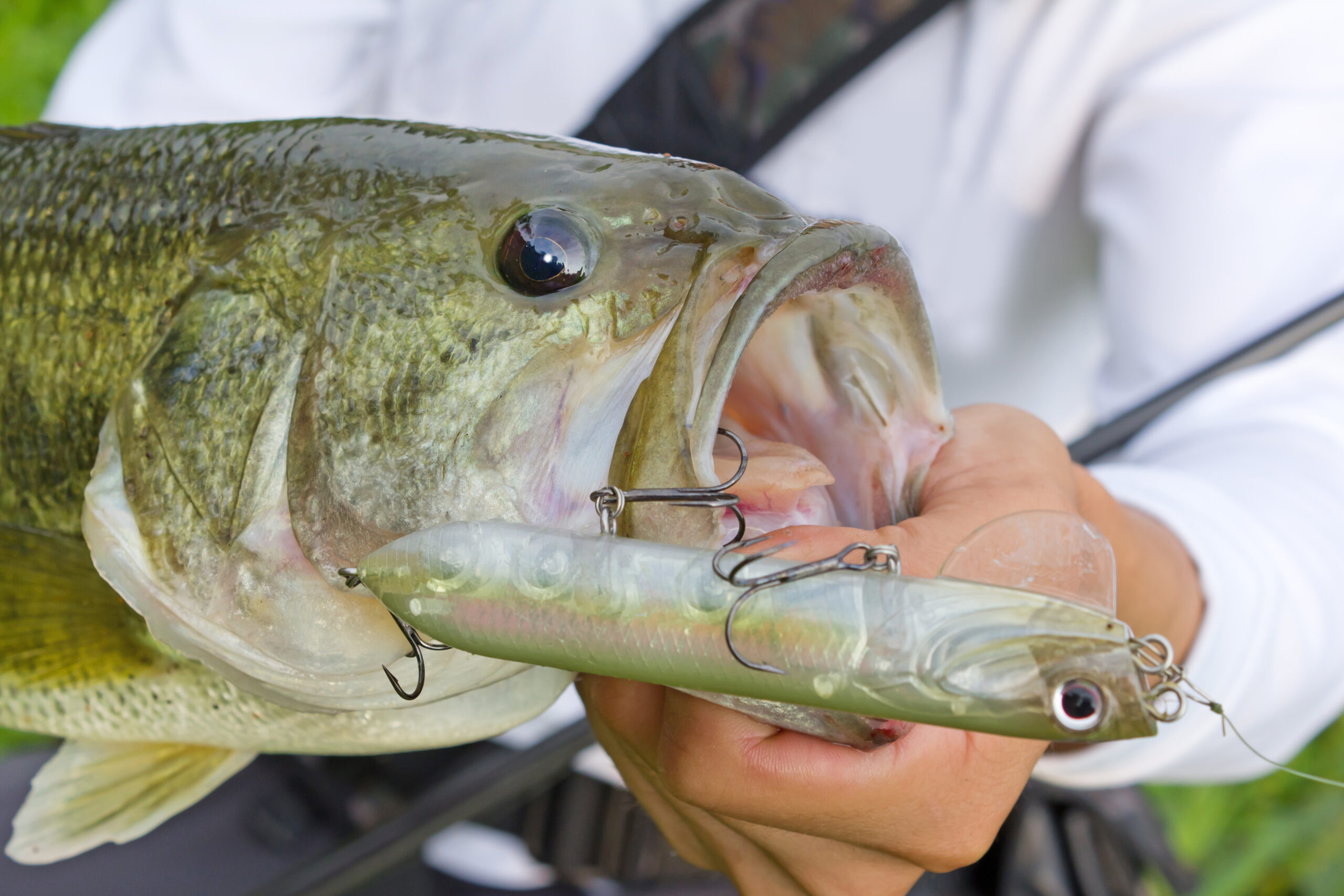
Repeated exposure to the same presentations makes bass selective. When everyone throws the same topwater, chatterbait, or jig, the fish respond less aggressively—not because they aren’t feeding, but because they’ve learned to avoid what’s been wearing them out.
Changing cadence, size, or silhouette often revives a dead bite. It’s not always about switching locations; sometimes it’s about switching to something the fish haven’t been watching day after day.
Like The Avid Outdoorsman’s content? Subscribe to our newsletter so you never miss an article.
Here’s more from us: