
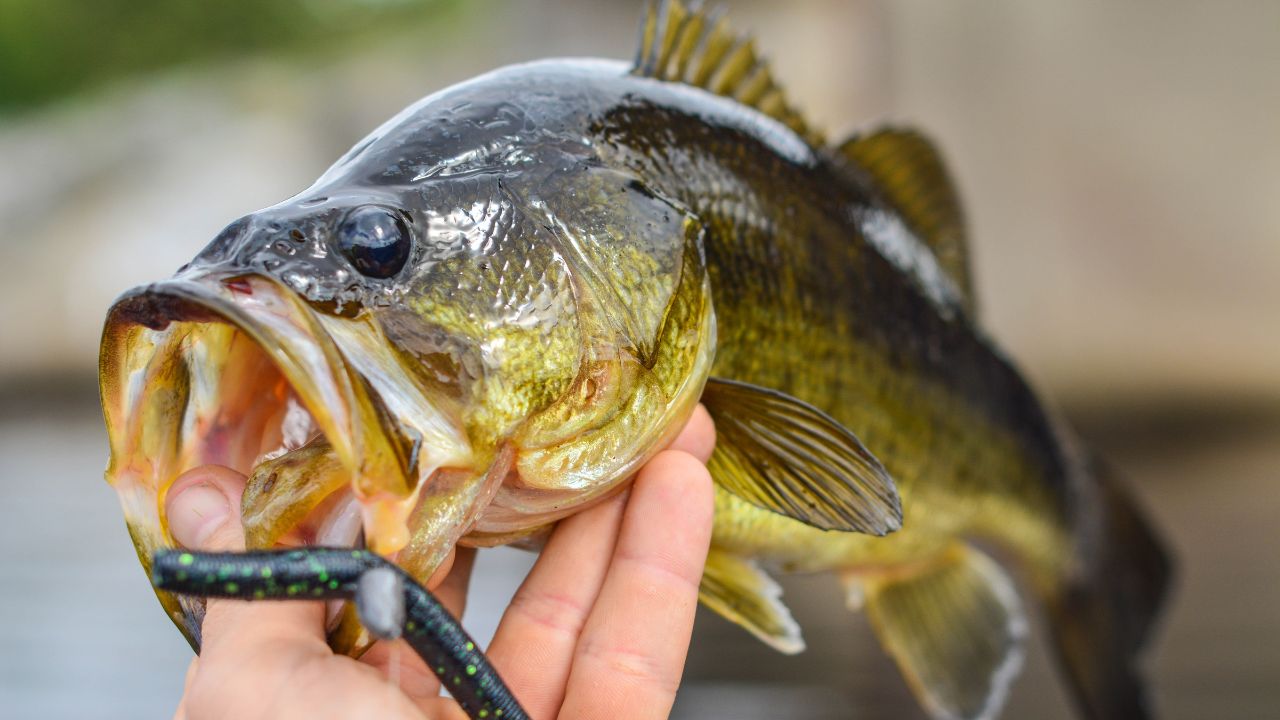
Photo credit: michasekdzi/Shutterstock.com
Bass fishing can feel like a mix of luck, timing, and patience. But the truth is, a few small tweaks can give you a serious edge out on the water. These aren’t flashy gimmicks—just real, simple tricks that make your setup work harder and help you catch more fish. If you’ve ever gone home empty-handed or watched someone else pull in bass like it’s nothing, these are the hacks that’ll finally make things click. Don’t overcomplicate it—just fish smarter.
Dye the Tips of Your Soft Plastics
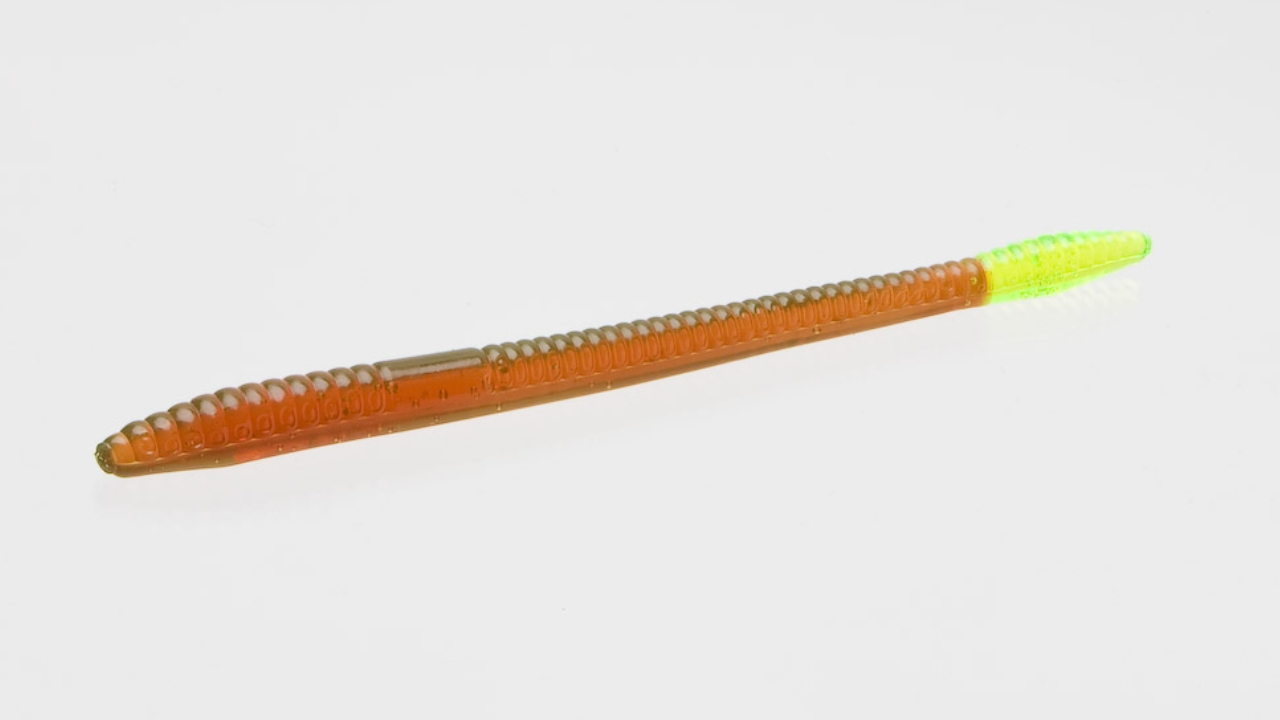
Adding a touch of chartreuse or red to the tips of your worms, craws, or flukes can trigger more strikes. It mimics wounded baitfish or gives your lure just enough flash to stand out without being over the top.
You don’t need to color the whole thing—just a little dab on the tail can do the trick. Keep a small bottle of scent-based dye in your tackle bag and use it when the bite slows down or when the water’s murky.
Use a Snap for Faster Lure Changes
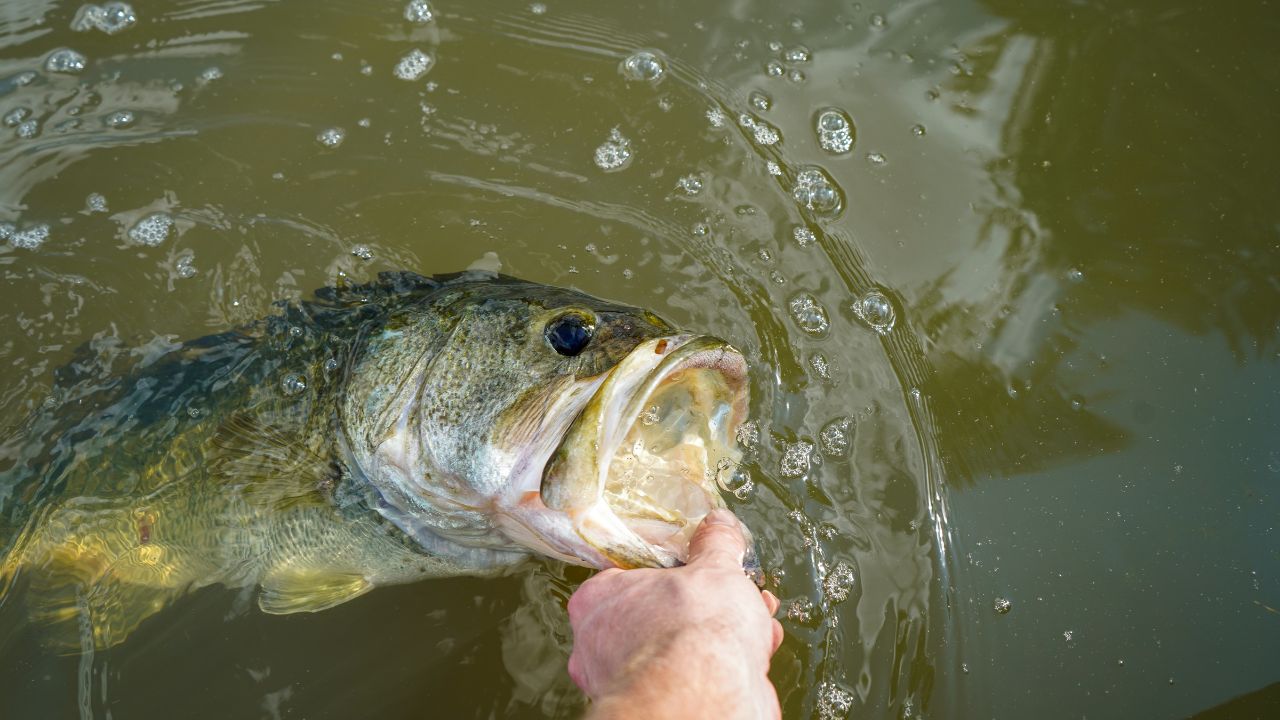
Snaps aren’t just for crankbait fishermen. If you’re cycling through lures a lot, especially hard baits, using a small snap saves serious time and keeps you fishing more.
Just make sure you’re not using oversized ones that affect the action. Stick with low-profile snaps and avoid the cheap ones that bend out easily. Once you start using them, you’ll wonder why you ever wasted time retying.
Skip Cast Under Cover with Spinning Gear

You don’t need to be a baitcaster pro to skip under docks or trees. A spinning setup with a soft plastic bait can skip just as well—sometimes better—if your technique’s right.
Sidearm your cast low and let the bait hit the water like skipping a rock. It takes a little practice, but it’ll get you into spots most anglers ignore. That shaded pocket way in the back? That’s where the bass are hiding.
Add a Nail Weight to Your Senko
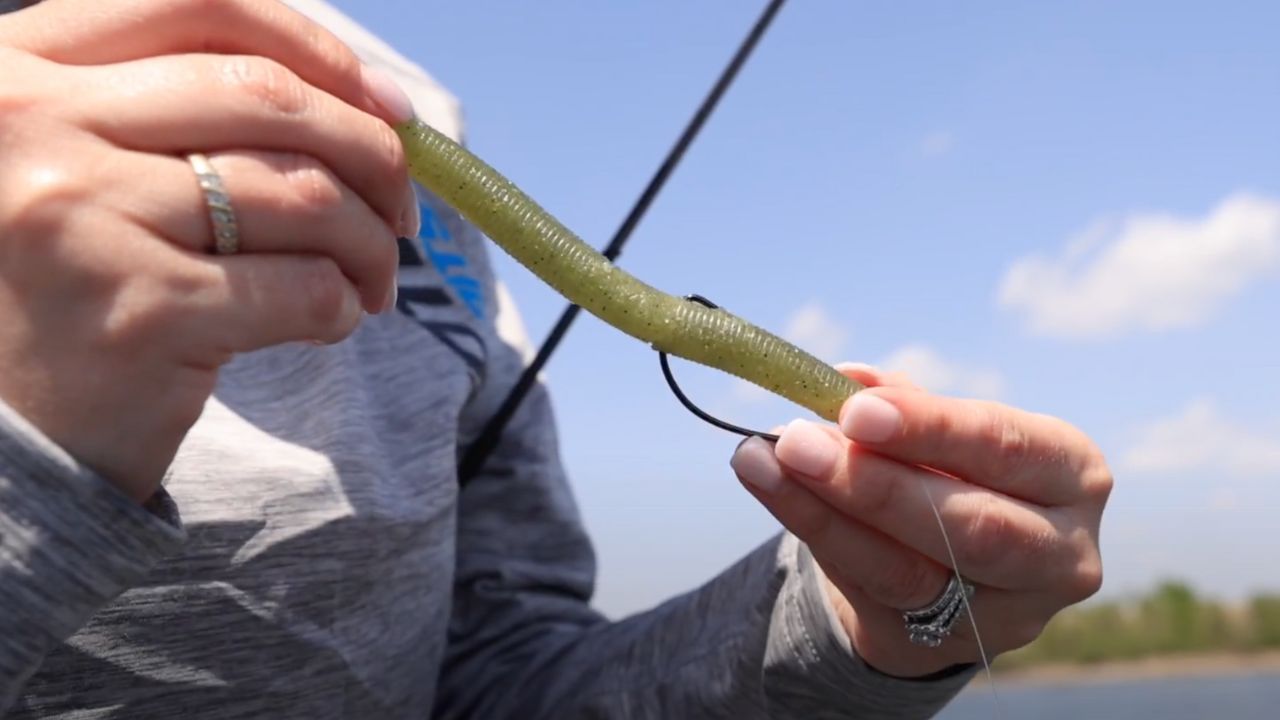
Wacky-rigging a Senko works great on pressured bass, but sometimes it needs a little help getting down faster—especially on windy days or in deeper water. That’s where a nail weight comes in.
Slide one into one end of the worm and it’ll fall more nose-down, giving a different presentation. It’s subtle, but bass notice. You don’t have to spend big on fancy rigs—this cheap little weight can make all the difference.
Match Your Line to the Water and Cover

Too many folks fish the same line everywhere. In open, clear water, use fluorocarbon for invisibility. Around thick grass or wood, go with braid so you can muscle fish out.
And if you’re throwing crankbaits or topwaters, mono might actually be the better call. The stretch helps keep bass pinned and the buoyancy keeps your lure in the zone. Don’t just guess—match your line to where and how you’re fishing.
Sharpen Hooks Between Trips

Out of the package, most hooks are fine—but they dull fast, especially after a few fish or dragging across rocks. A dull hook costs you fish, period.
Keep a small file or hook sharpener in your tackle box and touch up those points every now and then. It takes seconds and can be the difference between a clean hookset and another “one that got away” story.
Don’t Overwork Your Lure
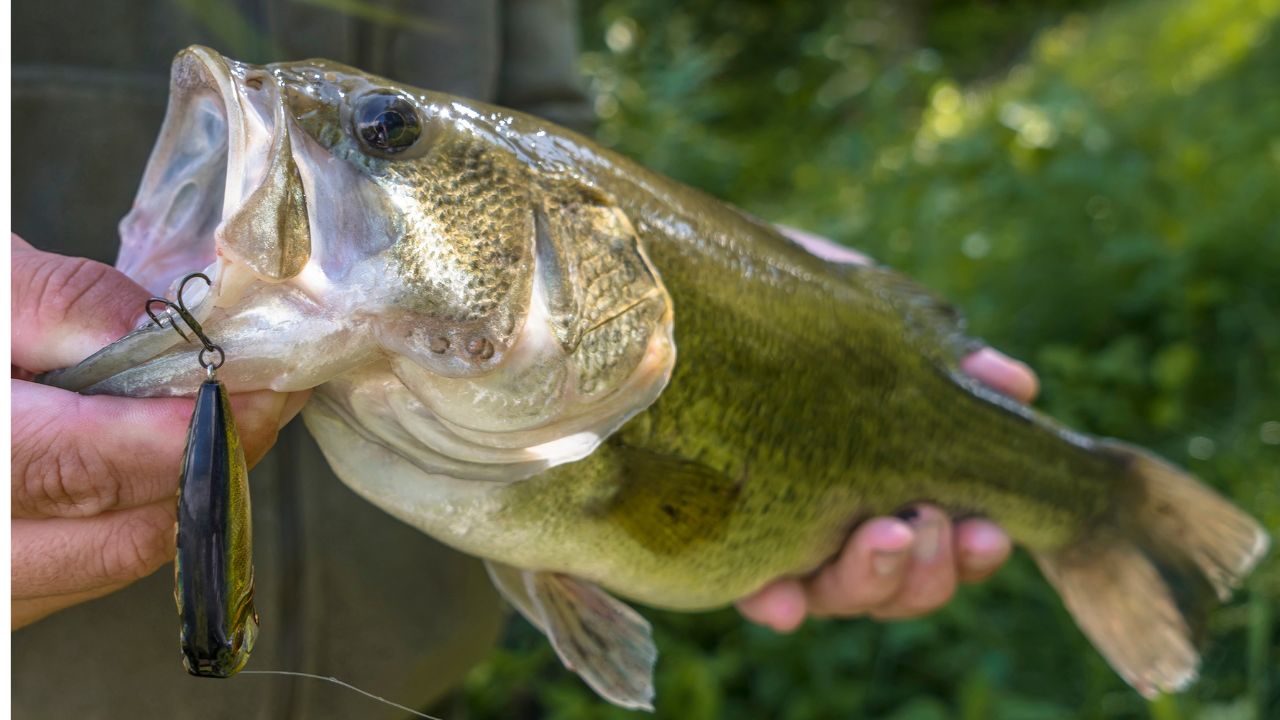
Sometimes less is more. Constant twitching, jerking, or speeding up your retrieve can turn fish off—especially when they’re already cautious.
Try slowing it down, pausing longer, or just letting the lure sit for a second. That subtle change in rhythm can look more natural and trigger a strike. If you’re not getting bites, don’t always change the lure—change how you fish it.
*This article was developed with AI-powered tools and has been carefully reviewed by our editors.


