Photo credit: FirearmLand/GunBroker
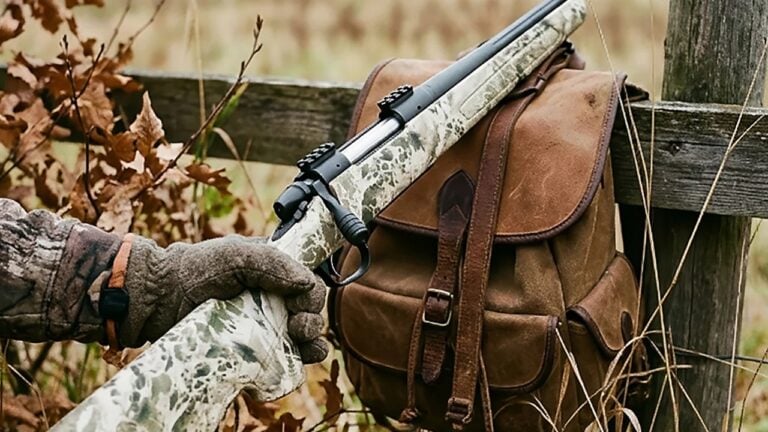
When you’re looking for a lever gun that delivers rifle-like precision, the Browning BLR and Henry Long Ranger are often the first two names that come up. Both rifles are designed for hunters who want fast follow-up shots without sacrificing accuracy at longer ranges. While they share similarities, the differences in trigger feel, chamberings, recoil control, and optics compatibility make them perform differently on the range. If you’re debating between the two, breaking down accuracy and handling in real-world scenarios can help you choose the better fit.
Trigger consistency and break
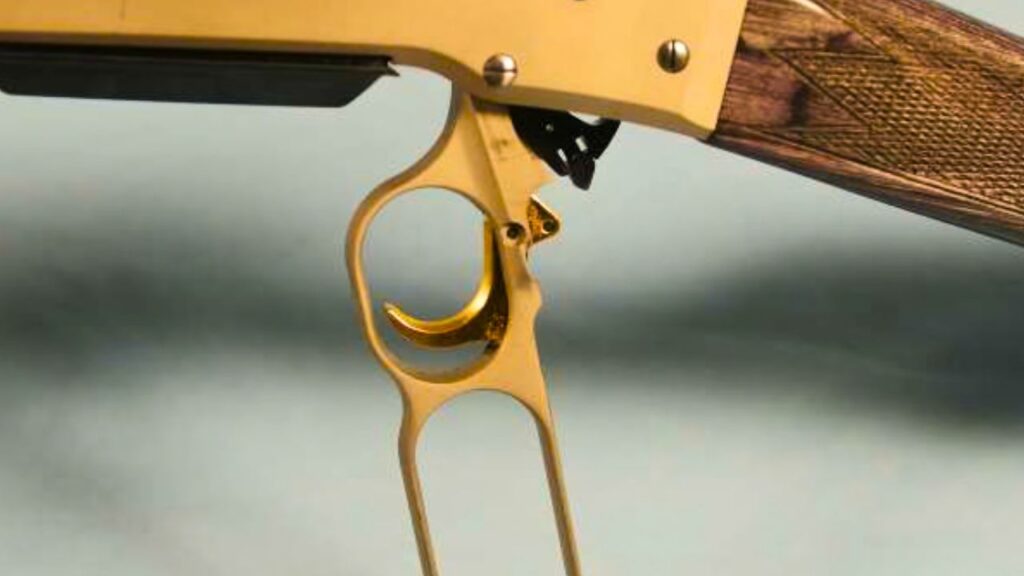
The BLR’s trigger has a slightly heavier pull, but it breaks cleanly with minimal creep, making it predictable for those used to bolt-action triggers. In comparison, the Henry Long Ranger’s trigger feels lighter out of the box and offers a smoother break, which many shooters find better for precision.
During accuracy testing, lighter and cleaner triggers tend to allow more controlled shots, especially when shooting groups beyond 100 yards. If you value a crisp trigger feel to tighten groups, the Long Ranger has a slight advantage here.
Barrel design and accuracy potential
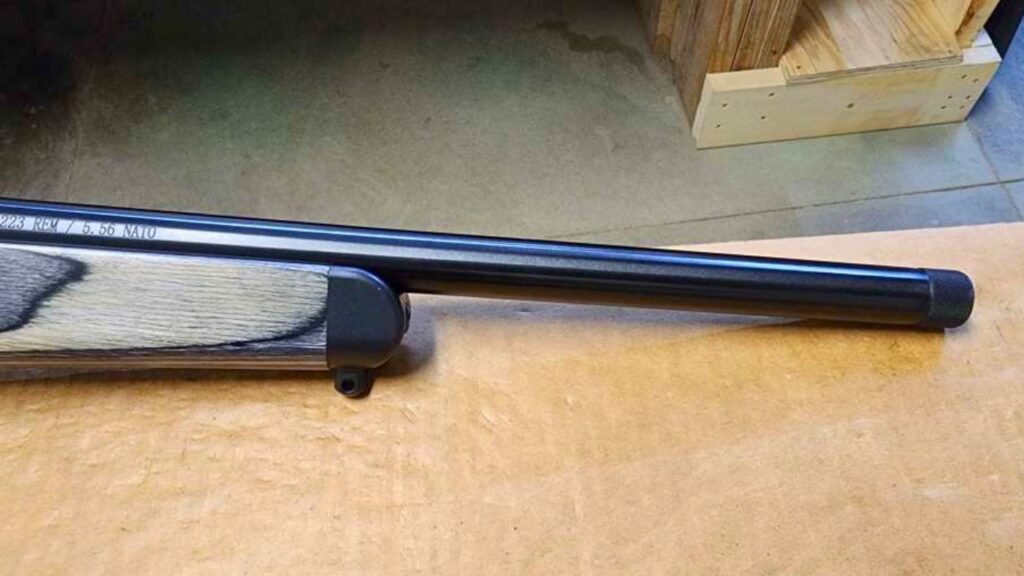
The Browning BLR typically uses a hammer-forged barrel, which adds durability and promotes long-term consistency. The Henry Long Ranger features a button-rifled barrel, designed to maximize precision across a wide range of loads.
In controlled testing, both rifles deliver sub-MOA potential with the right ammo, but the Long Ranger shows a slight edge at 200 yards due to its barrel harmonics. If you’re dialing in for small groups at extended ranges, the Long Ranger edges out the BLR when using premium hunting rounds.
Ammo versatility and group stability
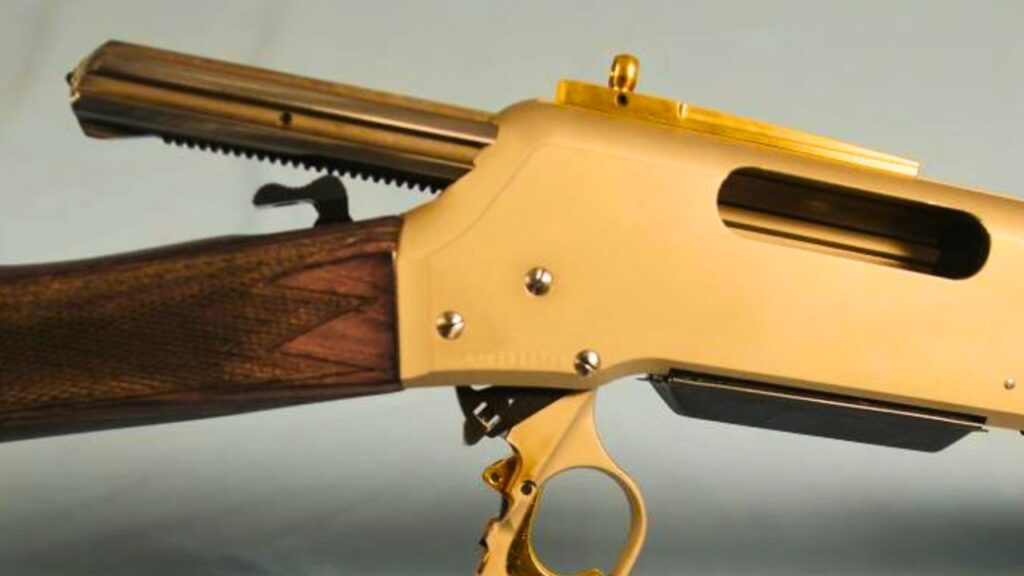
The BLR’s rotating bolt design lets it handle higher-pressure cartridges, making it compatible with a wider range of loads, including magnum options. While the Long Ranger doesn’t chamber as many heavy hitters, its preferred cartridges often yield better consistency with lighter recoiling rounds.
In testing, the BLR performed best with full-power .308 loads, while the Long Ranger excelled with midweight 6.5 Creedmoor and .243 rounds. If you want flexibility with harder-hitting ammo, the BLR stands out. If you favor lighter, flatter-shooting cartridges for precision, the Long Ranger holds the edge.
Optics mounting and alignment

Accuracy depends heavily on your optic, and the BLR offers a slight advantage with its integrated scope base options, which make for a low, secure mount. The Henry Long Ranger uses Weaver-style mounts, which work well but can require more care to maintain proper alignment.
On the range, both rifles track well after zeroing, but the BLR’s rail system allows easier switching between optics setups. If you frequently swap scopes or rely on glass for long-range shooting, the BLR’s mounting options give you more flexibility.
Recoil control and shot recovery
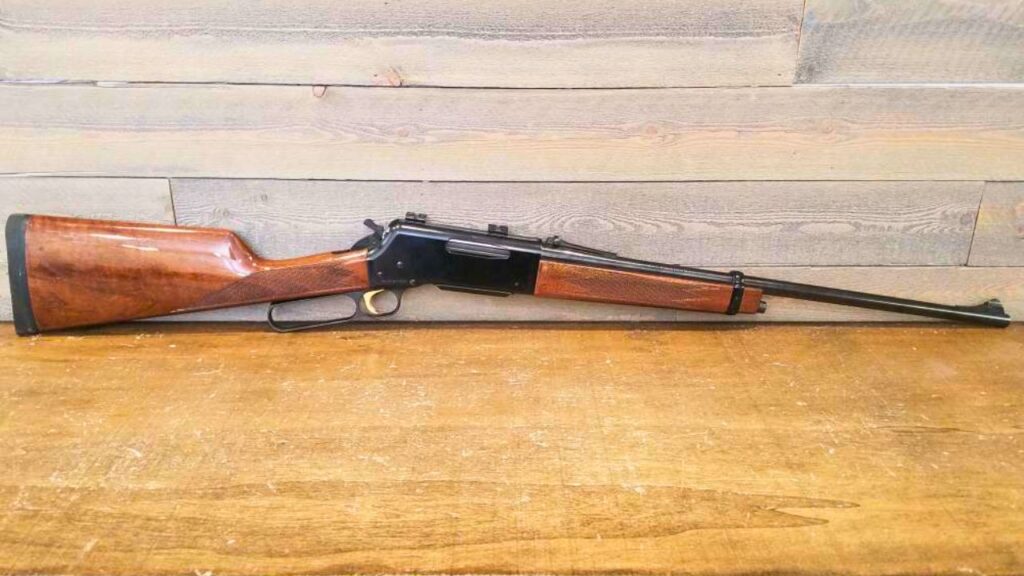
Both rifles handle recoil well, but the BLR’s slightly heavier build absorbs more kick with full-power cartridges, especially when shooting off the bench. The Long Ranger, being lighter, transmits more felt recoil but balances faster for follow-up shots on moving game.
In group testing, the BLR allowed steadier recovery when shooting magnum rounds, while the Long Ranger let testers realign faster with mid-caliber loads. If you plan on shooting larger cartridges, the BLR is the better choice; for lighter rounds, the Long Ranger’s balance pays off.
Action smoothness and follow-up shots

The BLR’s gear-driven lever action cycles fast and locks up solidly, giving it a more mechanical but very reliable feel. The Henry Long Ranger, on the other hand, runs smoother overall, requiring less force to operate, which matters during extended range sessions.
For accuracy testing, smoother cycling can make a difference when firing multiple groups. The Long Ranger’s action makes it easier to maintain a stable position, while the BLR’s stronger lockup inspires confidence when using higher-pressure cartridges.
Magazine design and feeding reliability
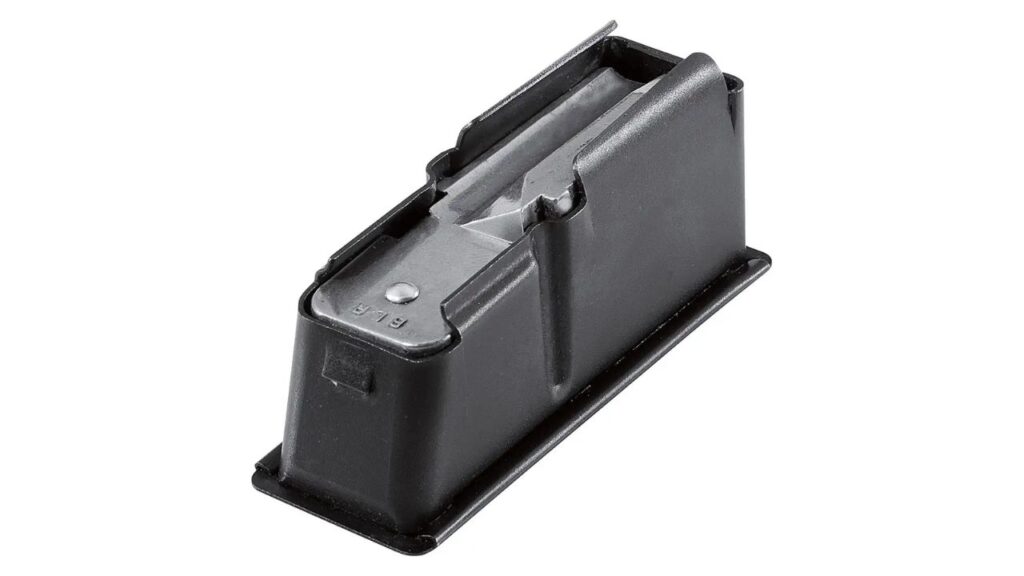
The BLR uses a detachable box magazine, which handles pointed bullets and longer cartridges with ease, giving you more flexibility with ammo choices. The Long Ranger also uses a box magazine but has a slightly tighter fit, leading to fewer feeding variances in testing.
In controlled accuracy drills, neither rifle experienced misfeeds, but the BLR’s compatibility with a wider range of bullet profiles makes it better suited for experimenting with match-grade and hunting loads alike. The Long Ranger’s consistent feed path, however, helps sustain tight groups with lighter calibers.
Handling in different shooting positions
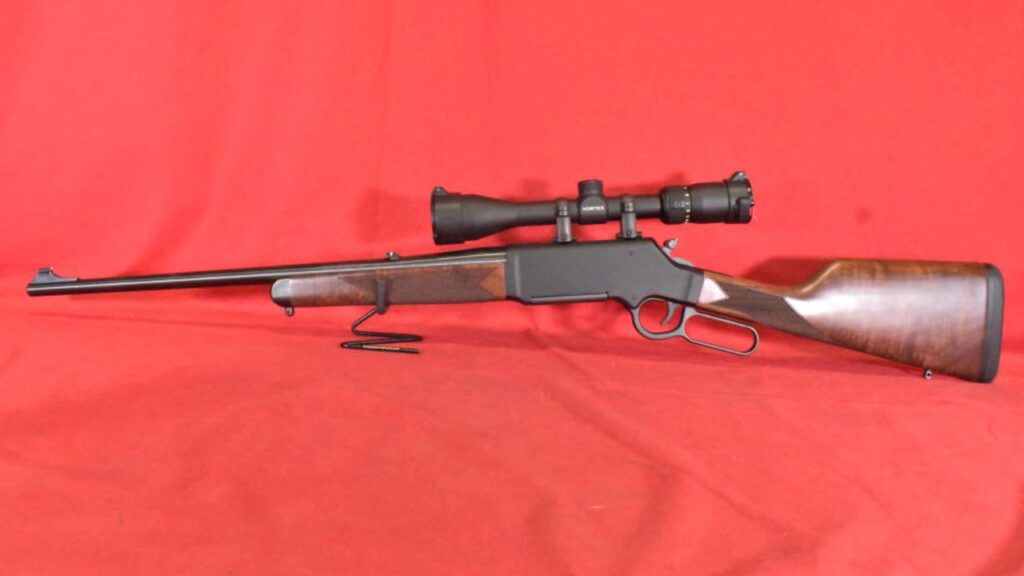
During offhand accuracy drills, the Long Ranger’s lighter weight and balance made it easier to maintain a stable sight picture. The BLR’s heavier profile made it steadier on the bench but slightly less comfortable for unsupported shots.
If you shoot primarily from prone or bench positions, the BLR offers an edge with heavier calibers and longer barrels. For hunters who prioritize quick shouldering and moving between standing, kneeling, and seated positions, the Long Ranger’s weight advantage makes a noticeable difference.
Real-world accuracy results
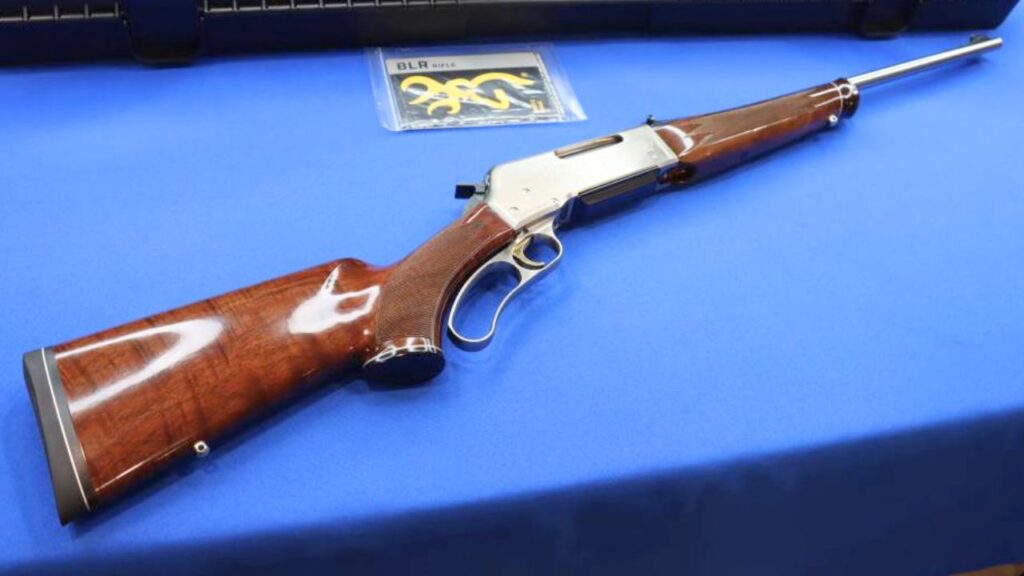
Across multiple range tests, both rifles produced consistent groups under 1.25 MOA at 100 yards with premium hunting ammo. The BLR maintained its performance better when pushed to 300 yards, especially with cartridges like .308 and .30-06.
The Long Ranger, though, delivered slightly tighter groups at 150–200 yards with cartridges like 6.5 Creedmoor and .243 Winchester. While the BLR shines with versatility and power, the Long Ranger proves its worth in flat-shooting precision work, especially for deer and predator hunting scenarios.
Final takeaway on precision and performance
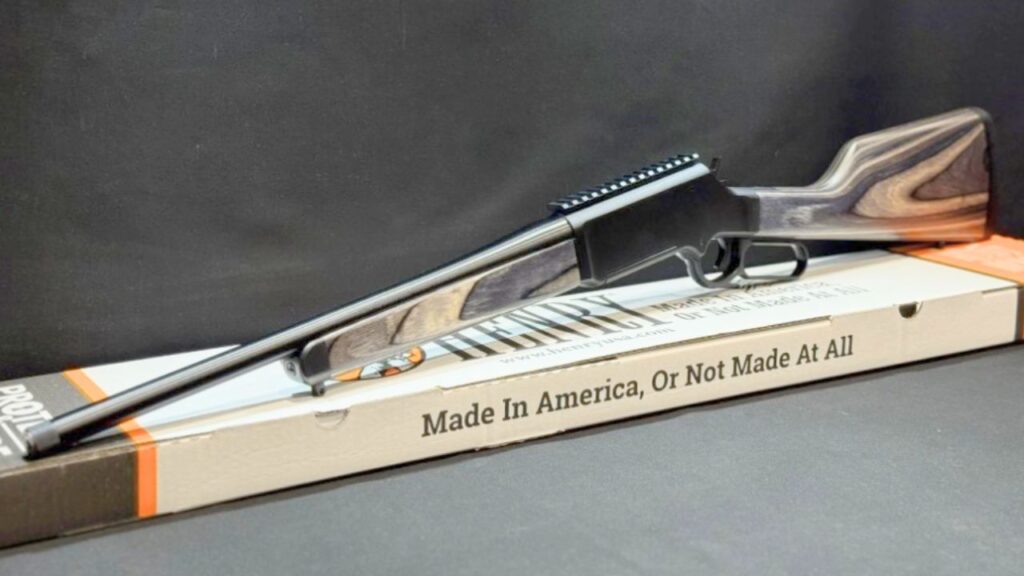
If you want a lever-action rifle with maximum chambering flexibility, excellent magazine design, and stable accuracy with heavier loads, the Browning BLR stands out. But if you value smoother handling, lighter weight, and exceptional mid-range precision, the Henry Long Ranger is hard to beat.
Both rifles excel in their lanes. The choice comes down to how far you plan to shoot, what cartridges you prefer, and whether you prioritize versatility or specialized accuracy. Tested side by side, neither rifle disappoints—but your hunting style determines the winner.
*This article was developed with AI-powered tools and has been carefully reviewed by our editors.