Photo credit: MidwayUSA
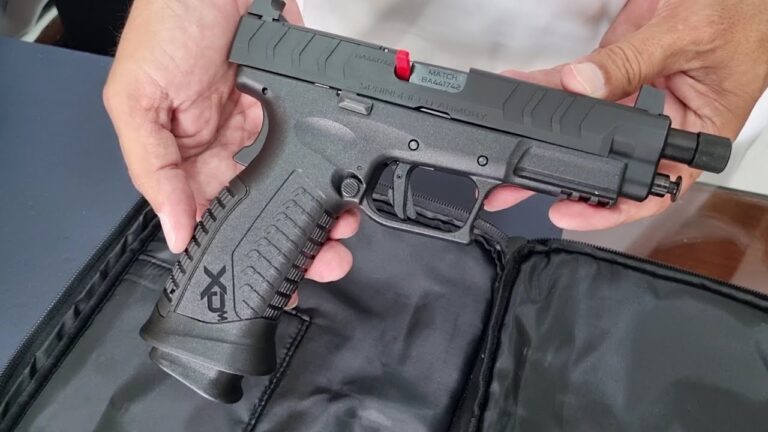
When you’re shopping for a 9mm pistol that balances speed, accuracy, and control, the Walther PDP and Springfield XD-M Elite are two heavy hitters worth comparing. Both handguns bring solid reputations and serious performance features to the table, but they approach the job differently. The PDP leans toward ergonomics and precision, while the XD-M Elite focuses on capacity and competition-level speed. Testing them side by side shows how trigger feel, recoil control, grip design, and optics readiness affect overall performance. Here’s how these two stack up where it matters.
Ergonomics and grip texture
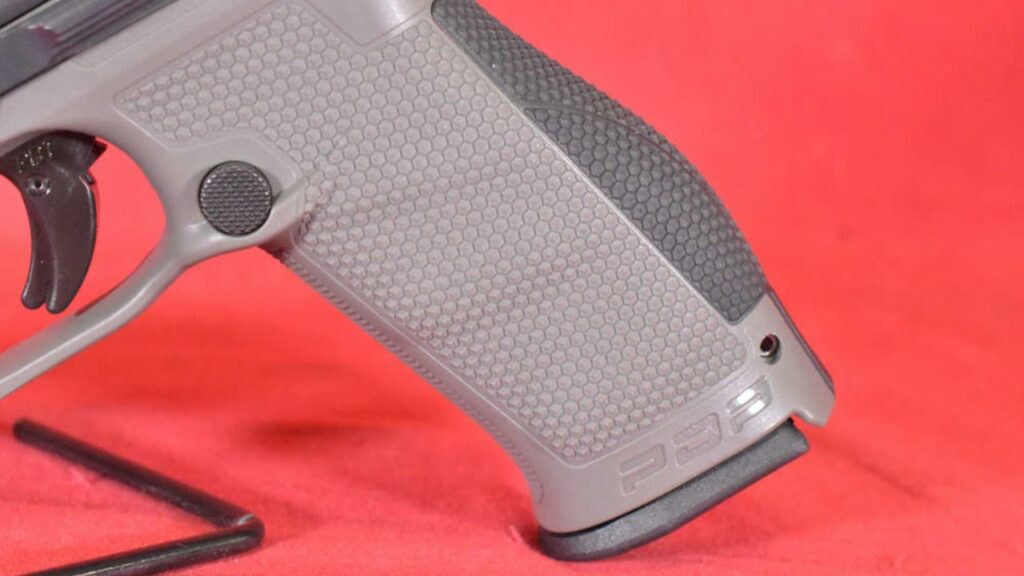
The Walther PDP is known for its “Performance Duty Texture,” which provides excellent traction without feeling overly aggressive against your hands during long sessions. Its contoured grip and natural angle make it easy to point quickly, especially under pressure.
The Springfield XD-M Elite also offers solid ergonomics but features interchangeable backstraps, allowing you to customize the fit to your hand. In testing, the PDP edges ahead slightly for shooters who prioritize an out-of-the-box grip that locks in without adjustment.
Trigger design and break
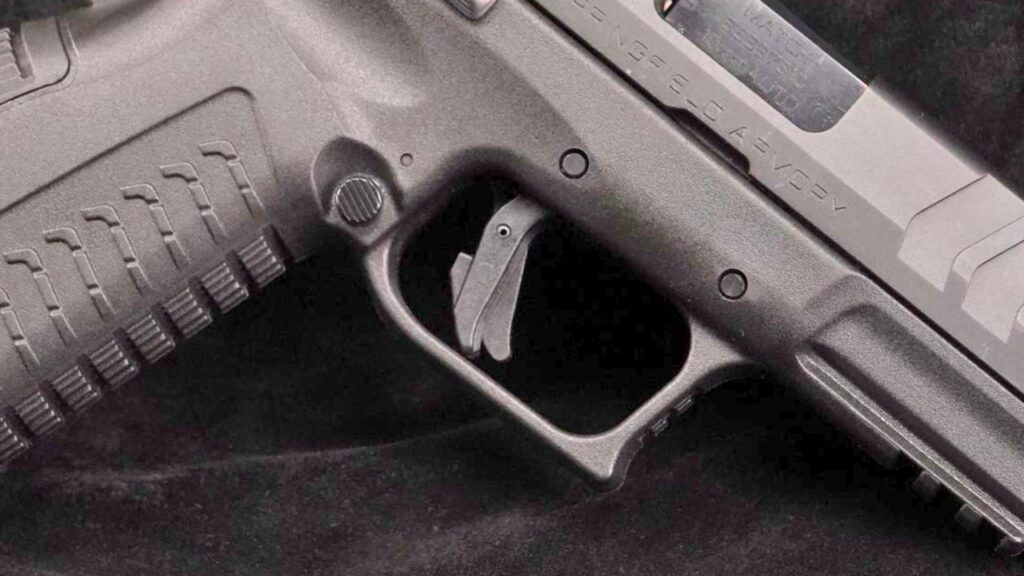
Walther designed the PDP with a flat-faced trigger that breaks cleanly with minimal creep, making it ideal for accurate shooting at speed. The short reset allows for faster follow-up shots, especially when running drills at closer distances.
The XD-M Elite’s “META” trigger is no slouch either, offering a consistent break and slightly lighter pull weight. While both perform well, the PDP’s predictability and tactile reset make it the choice for precision-focused shooters, whereas the XD-M feels slightly quicker for competitive setups.
Recoil management and control

Thanks to its ergonomics and slide design, the PDP handles recoil exceptionally well, keeping the muzzle flatter after each shot. During rapid-fire testing, groups stayed tight even at higher speeds, giving it an edge for shooters who want consistent accuracy.
The XD-M Elite counters with a slightly heavier frame, which helps soak up recoil when using hotter defensive loads. While both pistols perform smoothly, the PDP rewards you with better shot-to-shot control, while the XD-M Elite feels more forgiving with +P and higher-pressure rounds.
Sight systems and optics readiness
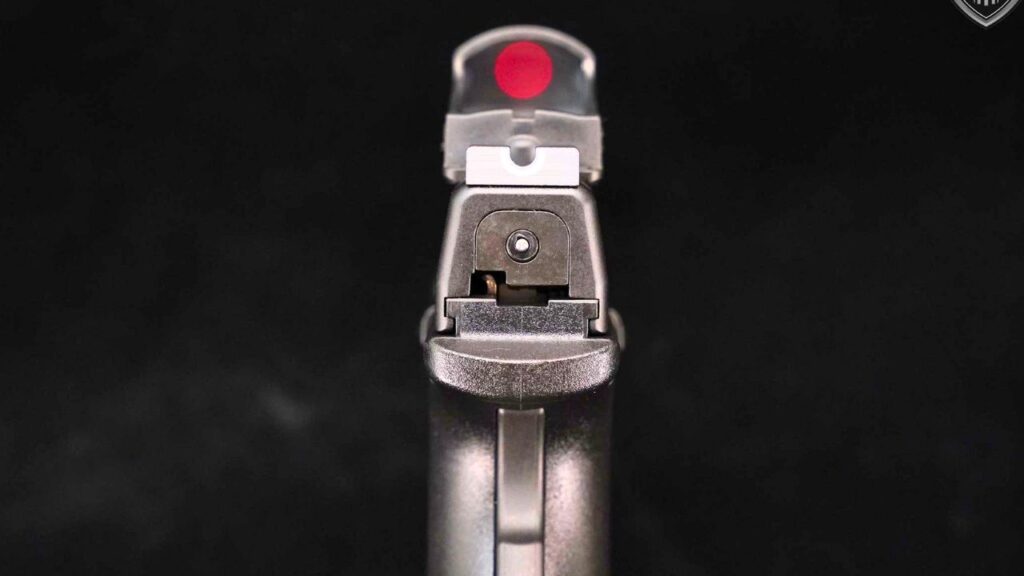
The PDP comes optics-ready from the factory, featuring a low-mounting platform that keeps your red dot closer to the bore for faster target transitions. The stock sights are functional but clearly optimized for shooters planning to run optics.
Springfield includes its “U-Dot” iron sight system, which offers fast sight acquisition right out of the box. The XD-M Elite is also optics-ready, but its higher mounting plate means the PDP achieves a slightly more natural sight picture with red dots installed, especially for defensive use.
Capacity and magazine options

The XD-M Elite stands out for magazine capacity, offering up to 22+1 in some configurations, which makes it a strong choice for competition or those who want maximum rounds at the ready. Springfield also provides extended magazines that feed reliably.
The PDP offers capacities between 15+1 and 18+1 depending on the model. While it doesn’t match the XD-M Elite’s top-end capacity, it strikes a good balance for concealed carry and home defense while still feeding smoothly across a wide range of loads.
Accuracy at defensive and extended ranges

In testing, the PDP consistently produces excellent groupings at 15 and 25 yards, aided by its crisp trigger and solid ergonomics. At defensive distances, its accuracy inspires confidence, especially under stress.
The XD-M Elite performs well at those same distances but shines when stretched further. Its longer sight radius and slightly heavier build give it an advantage for precise shots beyond 25 yards, particularly in competitive shooting scenarios where distance control matters.
Slide serrations and manipulation
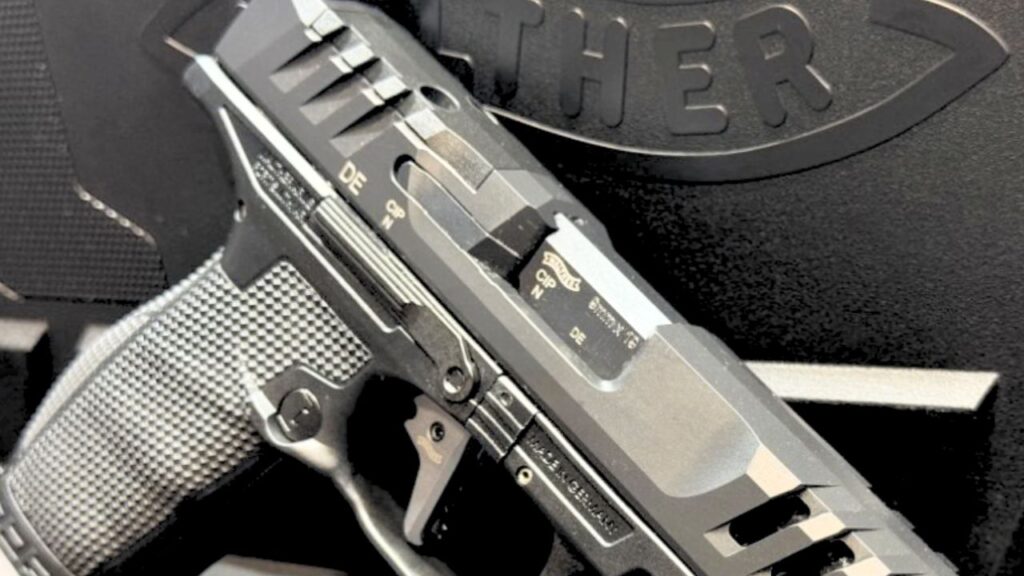
Walther’s PDP features “SuperTerrain” slide serrations that are deeply cut and aggressively angled, making it easy to rack even in wet or gloved conditions. This improves overall handling and speed when running reloads or clearing malfunctions.
The XD-M Elite’s serrations are functional but less pronounced, offering enough grip for basic manipulation without the same tactile advantage. While both are reliable, the PDP’s serration design gives it a slight edge for practical usability in varied environments.
Reliability under different loads
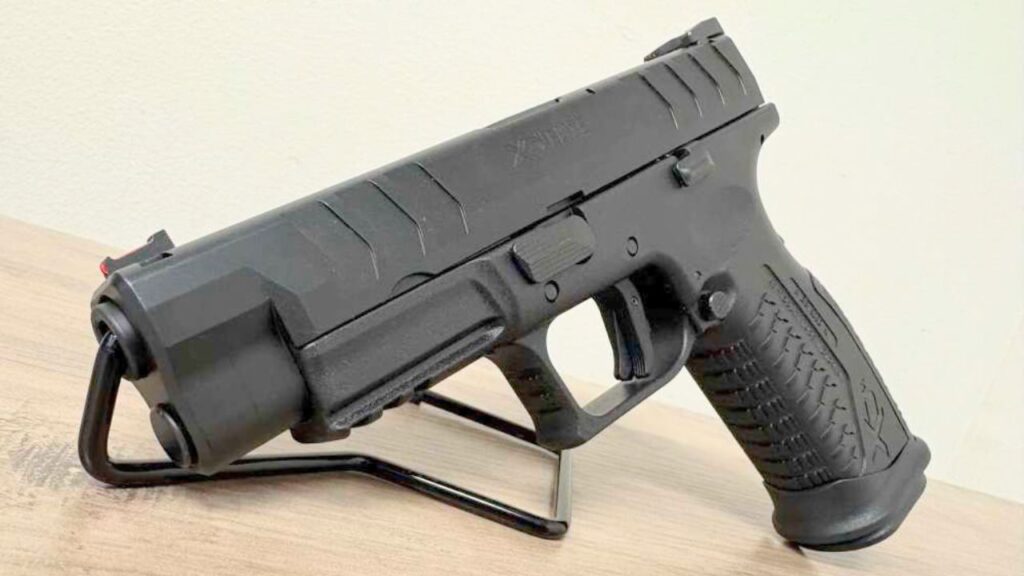
The PDP ran flawlessly with a wide range of ammunition during testing, from standard 115-grain FMJ to premium defensive +P loads. Its chamber tolerances handle varied ammo brands without issue, making it a versatile choice for different shooting needs.
The XD-M Elite showed equal reliability but benefits from its stronger spring setup when running higher-pressure rounds consistently. If your primary focus is rapid strings of hot loads, the XD-M Elite handles that role slightly better, but for mixed-use reliability, the PDP remains every bit as trustworthy.
Ease of maintenance and cleaning
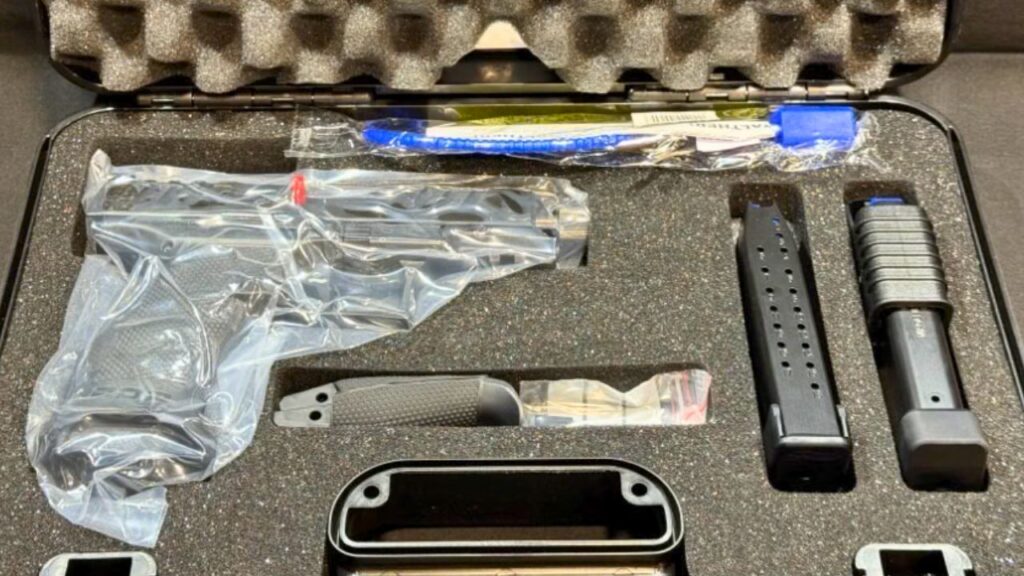
Both pistols break down easily, but the PDP uses a more intuitive takedown lever system that speeds up disassembly for cleaning. Its fewer small internal parts make upkeep less complicated for new gun owners.
The XD-M Elite isn’t difficult to maintain, but its slightly more complex assembly can slow cleaning down. If you prefer a pistol that’s simple to strip and reassemble after high-volume shooting, the PDP is the more user-friendly option between the two.
Final verdict on performance

If you want a pistol that focuses on accuracy, ergonomics, and intuitive handling, the Walther PDP takes the lead. Its trigger, grip design, and optics integration make it an outstanding choice for personal defense and training.
The Springfield XD-M Elite, however, delivers advantages for shooters prioritizing capacity, competition setups, and flexibility with high-pressure rounds. Both handguns perform exceptionally well—it ultimately comes down to whether you want precision-focused refinement or raw magazine capacity paired with speed-driven features.
*This article was developed with AI-powered tools and has been carefully reviewed by our editors.