Photo credit: Appalachian Firearms/YouTube
The Savage 110 isn’t trying to be everything to everybody, but it gets a lot closer than most off-the-shelf rifles. That AccuFit system isn’t some gimmick—they actually let you adjust the length of pull and comb height with the hardware in the box. No gunsmithing. No shipping parts around. You can dial it in at the bench, get your cheek weld just right, and stretch your shots with confidence. If you’ve ever fought a stock that sat too low behind a scope or felt like a kid holding dad’s deer rifle, this one fixes that. You make it yours before you ever break paper.
The trigger doesn’t need tinkering
A lot of factory rifles are solid—until you squeeze the trigger. That’s where Savage has a leg up. The AccuTrigger isn’t some heavy, lawyered-up mess that forces you into a trigger job or an aftermarket swap. Out of the box, it’s clean and controllable with zero surprises. It’s got a built-in safety blade so you’re not worried about it breaking too light, and most folks can tune it right at the bench with no special tools. That gives you more feedback, more control, and more confidence on every shot—especially when you’re past 300 yards and everything counts.
It shoots tighter groups than it should
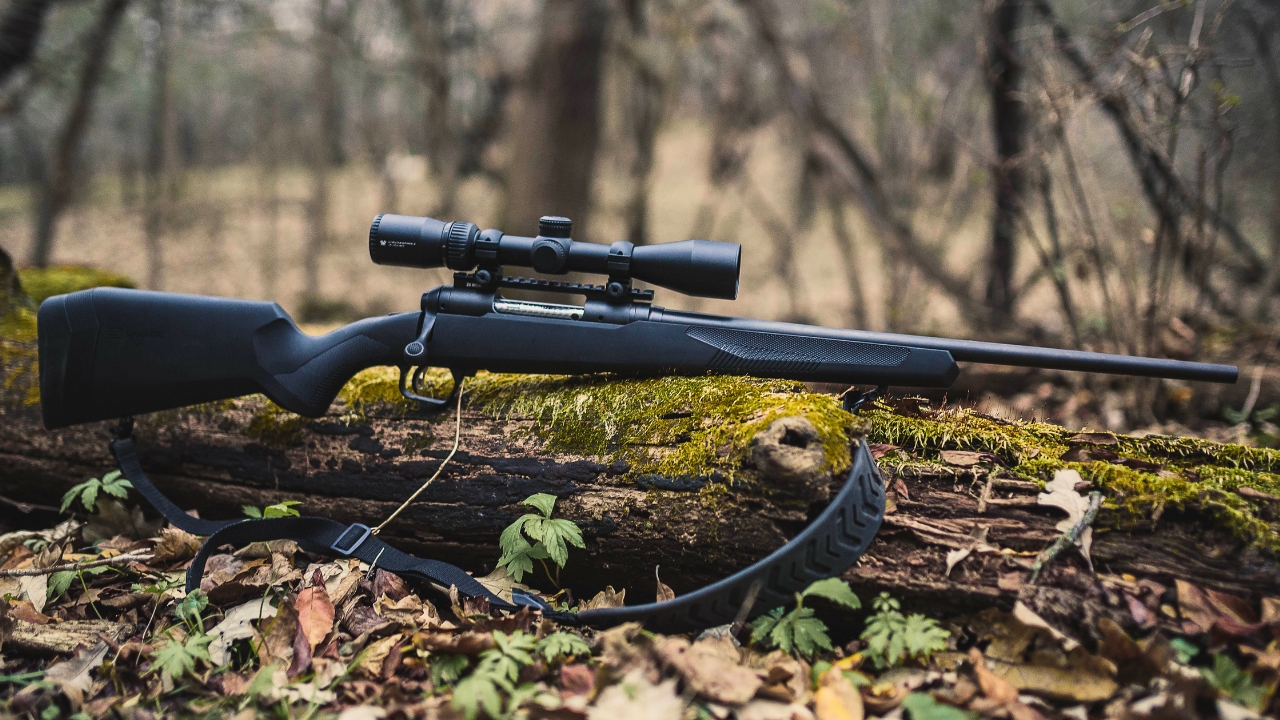
The Savage 110’s reputation didn’t grow out of looks or marketing. It earned its following because it flat-out shoots. Even the basic hunting models—factory barrel, factory ammo—can put up groups that embarrass rifles costing twice as much. The floating bolt head and barrel nut system keep everything in line, and that consistency shows up downrange. I’ve seen bone-stock rifles hold sub-MOA all day long with nothing more than good glass and careful ammo choices. If you’re chasing accuracy on a budget, or you want a rifle that doesn’t punish you for factory loads, the 110 is worth a long look.
The action is smoother than it used to be
Let’s be honest—older Savage actions could feel a little gritty. They weren’t always the slickest to run, especially if you were cycling fast. But that’s changed over the years. The current 110s come with smoother bolts, better machining, and less of that stubborn break-in period. It’s not a custom action, but it doesn’t need to be. You’ll feel the difference after a few range sessions, especially during slow fire or when running drills. It feeds clean, extracts reliably, and doesn’t fight you like some budget rifles do. That means more rounds downrange and fewer moments second-guessing your bolt throw.
Barrel options that make sense

Whether you’re running a lightweight hunter or a heavy varmint rig, Savage has probably chambered a 110 to match it. They’ve always been aggressive with options—short barrels, long barrels, heavy profiles, threaded muzzles—and most of them make real sense at the range. You can find models already set up for suppressors or brake installation without having to cut and thread. If you’re trying to stretch into PRS-style shooting or load development, the longer-barrel options hold up well for heat and consistency. And if you want something lighter that still holds zero, there are factory options that do that too.
You can swap barrels if you want to
One of the things that sets the 110 apart is how easy it is to tear into. That barrel nut design wasn’t created for style—it’s functional. With the right tools and a little know-how, you can swap barrels yourself without needing a full-blown shop. A lot of shooters build their own setups using factory actions and aftermarket barrels for less than you’d spend on a premium factory gun. That kind of modularity isn’t common in bolt rifles, and it makes the 110 a strong platform for custom builds, wildcat rounds, or stepping up calibers without dropping a fortune.
It’s still priced for real shooters
A lot of rifles keep creeping up in price with new coatings, limited runs, and branding that doesn’t change what the gun actually does. The Savage 110 stays in a range where working hunters, range guys, and first-time buyers can still afford one with decent glass. You’re not getting fancy scrollwork or space-age aesthetics—but you are getting a rifle that works. One that can shoot tight groups, handle rough use, and grow with you if you decide to upgrade it. For the money, there aren’t many rifles that let you hit steel at 500 one day and hunt whitetail the next.
Like The Avid Outdoorsman’s content? Be sure to follow us.
Here’s more from us:
The worst deer rifles money can buy
Sidearms That Belong in the Safe — Not Your Belt
*This article was developed with AI-powered tools and has been carefully reviewed by our editors.