Photo credit: BearFotos/Shutterstock.com
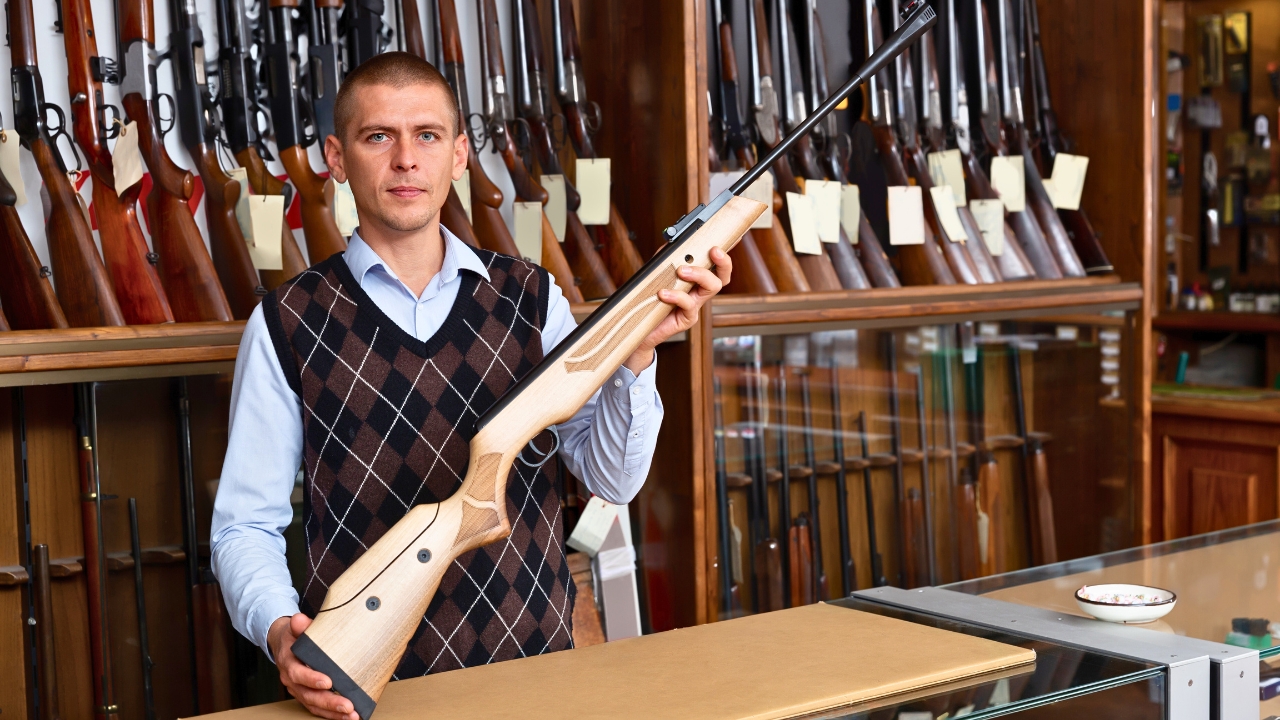
Some calibers get talked up at the gun counter far more than their real-world performance ever justifies. You’ve heard those conversations: a hunter bragging that a certain round “does everything,” or swearing it “dropped every deer I ever pointed it at.” But once you actually run these cartridges in the field, the limits show up fast.
A lot of these rounds hang on because of nostalgia, marketing momentum, or that one story from an uncle who used them in 1978. When you actually stretch distance, deal with wind, or shoot modern bullets, they fall short of the promises made on the sales floor.
.30-30 Winchester

The .30-30 Winchester gets more praise at the counter than it earns in the field these days. It’s a legendary woods cartridge and still fine inside 150 yards, but many hunters oversell it as something capable of far more. Once you push it into open country or try to handle wind past moderate ranges, the limitations are hard to ignore.
The round drops quickly, bleeds velocity fast, and doesn’t deliver the consistency many modern hunters expect. It’s a piece of history, and there’s nothing wrong with that—but when you hear someone call it “all you’ll ever need,” you know they’re leaning more on stories than reality.
.35 Remington

The .35 Remington has been oversold for decades as a heavy-hitter that “drops them where they stand.” In tight woods at modest ranges, it does fine. But the cartridge doesn’t carry energy far, and the trajectory looks more like a rainbow than a line.
Many hunters at the counter talk it up as a versatile choice, yet it severely lacks range and doesn’t offer the bullet selection you get from more modern options. If you hunt dense timber exclusively, it still has a place. But the idea that it’s a one-size-fits-all deer round is something only nostalgia can keep alive.
.300 Blackout

The .300 Blackout is pushed hard as a hunting solution, especially with folks who love their AR platforms. But once you leave the subsonic-suppressed world, its performance as a big-game cartridge is sorely limited. Supersonic loads help, but even then, it’s a short-range tool.
Many hunters oversell it as capable of taking deer at distances it has no business attempting. Energy falls off fast, penetration varies widely by bullet design, and you need perfect shot placement. It’s a fun round with niche uses—but the “multi-role hunting round” pitch doesn’t hold up where real field conditions start to matter.
.243 Winchester

The .243 Winchester gets praised endlessly as the “perfect deer gun,” but the margin for error is far thinner than many hunters admit. Light bullets can be finicky on impact, and wind pushes them around more than people are willing to acknowledge.
It works when everything lines up, and it’s great for recoil-sensitive shooters. But at the counter, it’s often oversold as a long-range performer that “kills like a laser.” The truth is, the .243 demands discipline, good bullet choice, and tighter shot angles. It’s capable, but not nearly as forgiving as the reputation suggests.
.44 Magnum (Carbine Use)

The .44 Magnum from a carbine gets a lot of hype because of improved velocity and nostalgic appeal. Hunters love to claim it “hits like a sledgehammer.” But at real hunting ranges, the limitations are obvious. The trajectory is steep, and the bullets lose steam rapidly once you stretch past 100 yards.
On top of that, performance varies widely by load and barrel. Hunters who oversell it usually aren’t pushing it in challenging conditions. Inside bowhunting distances, it works fine. Beyond that, it’s a cartridge often talked up far more than real-world use supports.
.22-250 Remington

The .22-250 is a fantastic varmint round, but some hunters oversell it as a deer cartridge because they’ve “seen it done.” Sure, with the right bullet and perfect shot placement, it can work. But that doesn’t mean it’s ideal—or consistent—on big game.
The truth is that lightweight, high-velocity bullets have a narrow performance window on deer-sized animals. They can fragment too quickly, penetrate inconsistently, or get pushed by wind more than hunters expect. It’s absolute magic on coyotes, but the gun-counter claims of “deer hammer” status don’t hold up under honest field experience.
.25-06 Remington

The .25-06 is often described as a flat-shooting do-everything round, but it can be surprisingly fickle. It does well with the right bullets, yet impact performance varies more than many hunters realize.
A lot of the praise comes from sheer speed, but high velocity doesn’t fix everything. Wind drift can still cause headaches, and shot placement must be tight for clean kills. Many hunters oversell it because it’s fast and pleasant to shoot, but the cartridge isn’t as forgiving or broad-use as the counter talk suggests.
.280 Remington

The .280 Remington enthusiasts are passionate, and at the counter they’ll swear it’s superior to nearly every other mid-size big-game cartridge. But while the .280 is solid, the claims sometimes drift far beyond actual field performance.
Ammo availability remains a limiting factor, and bullet options are often more expensive. In practice, many hunters notice marginal differences compared to the .270 or .30-06, not the dramatic improvements fans promise. It’s a good round, but the overselling often gives newcomers unrealistic expectations.
.30 Carbine

The .30 Carbine shows up in hunting discussions more often than it should, mainly because of nostalgia for historic rifles. But in the field, it’s a poor performer on medium game. The round lacks energy, offers limited bullet choices, and struggles with penetration on tougher angles.
Hunters who oversell it usually rely on stories, not experience. At the counter, you’ll hear people claim it can take deer “all day long,” but ethically it’s a tight, unforgiving window. Modern cartridges leave it behind entirely.
.32 Winchester Special

The .32 Special is frequently talked up as a “better .30-30,” but real-world use rarely supports that claim. Ammunition availability is extremely limited, bullet selection is outdated, and terminal performance doesn’t noticeably improve on similar lever-gun rounds.
A lot of the hype stems from old marketing and the romance of classic rifles. In the field, you’re dealing with a cartridge that offers few advantages and several drawbacks. At most counters, it gets oversold by people who haven’t actually hunted with it in years.
.45 Colt (Carbine Loads)
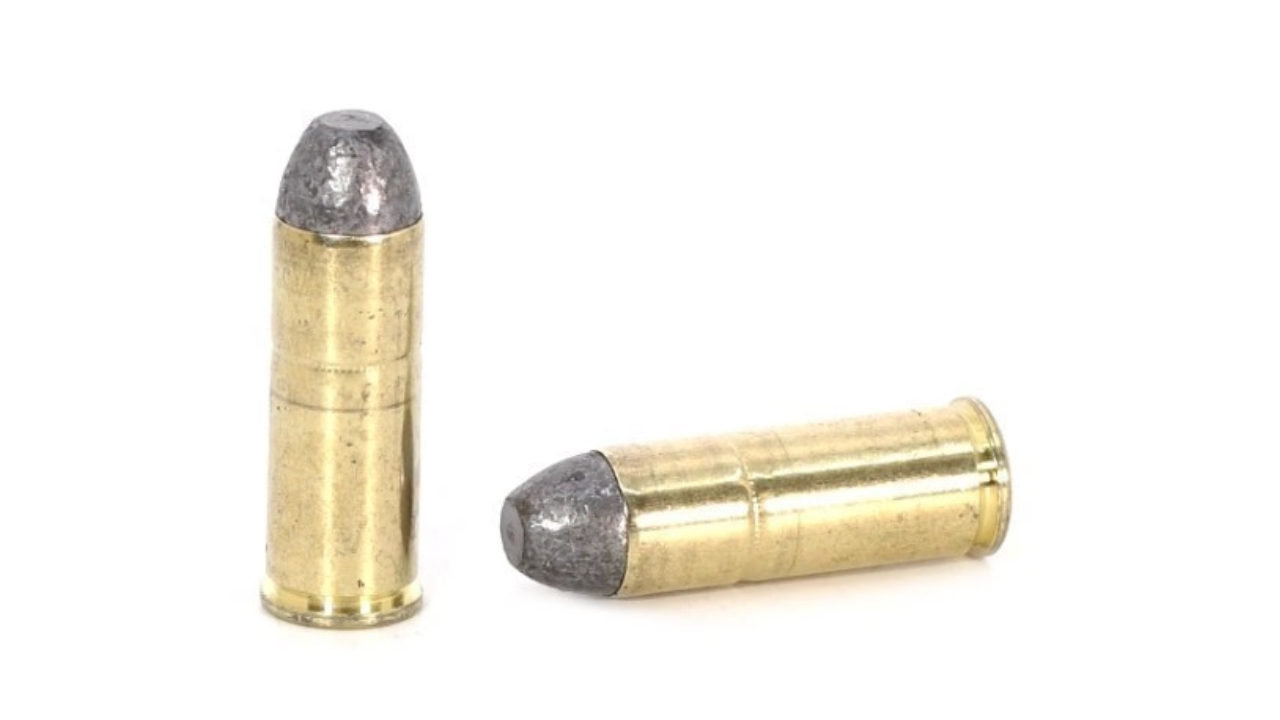
In a modern carbine, .45 Colt can perform well, but many hunters talk it up like it’s some unstoppable force. The reality is that loads vary drastically, and not all rifles handle high-pressure ammunition safely.
Even with strong loads, range is limited, and trajectory issues appear fast. Hunters oversell it because they love the history and the idea of big-bore lever guns. But when you compare it to modern straight-wall cartridges, the gaps show quickly.
.223 Remington (Deer Use)

You hear endless claims at the gun counter about the .223 being “all you need for deer.” And while modern bonded bullets can make it work, the cartridge still has a narrow margin for error.
Wind drift, limited penetration, and reduced energy all require perfect shot selection. Many hunters oversell it because it’s affordable and they’re comfortable with AR platforms. But the honest truth is that it works best as a specialized option—not a broad-use deer round.
7mm-08 Remington

The 7mm-08 is a good cartridge, but some hunters talk it up like it’s a miracle solution. In reality, it performs very similarly to other mid-size rounds, and the supposed “advantages” often get exaggerated.
At longer ranges, velocity drop-off and wind drift show up more than fans want to admit. Ammo availability also fluctuates. While it’s absolutely serviceable, the claims you hear at the counter often overshoot what it consistently delivers.
.308 Winchester

The .308 is reliable and proven, but it gets oversold constantly as an “ultimate” choice. At the counter, you’ll hear people say it handles every situation perfectly, yet its long-range performance falls off faster than many expect.
It’s versatile, but it’s not magic. Wind drift, energy retention, and trajectory all lag behind newer cartridges designed for modern hunting styles. The hype around it often creates expectations that don’t match real results.
.270 Winchester
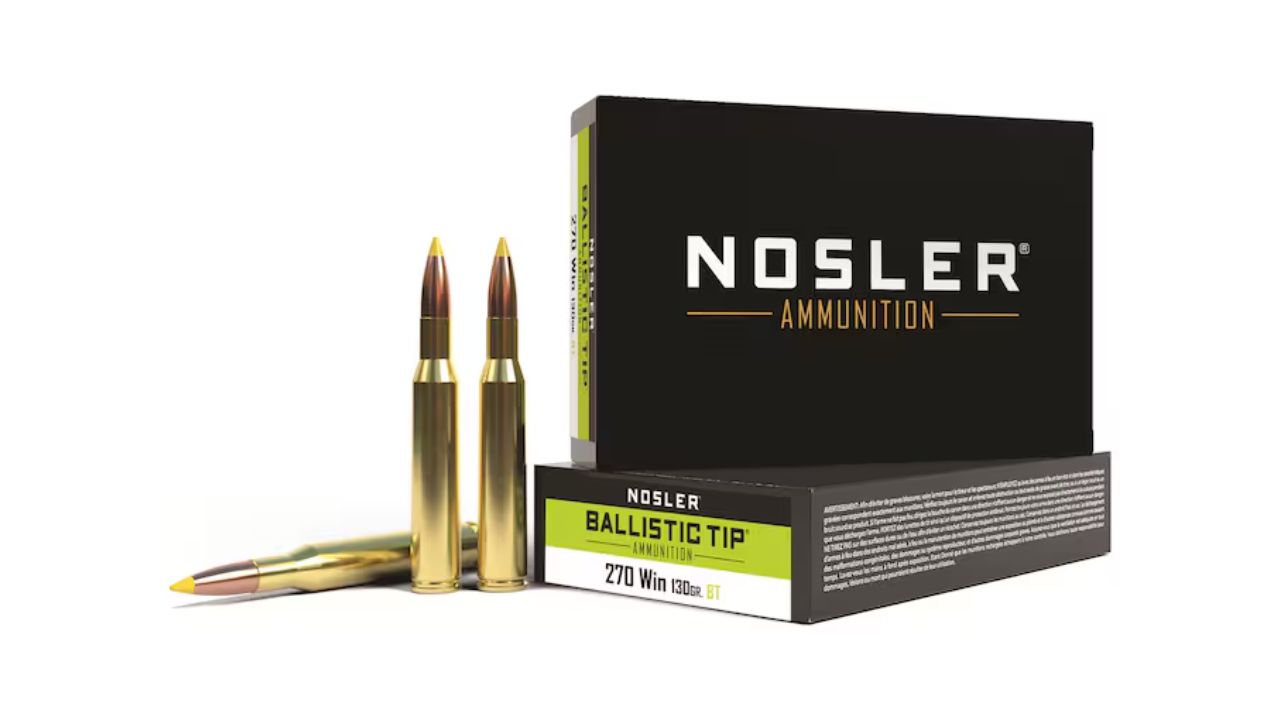
The .270 remains a classic, but gun-counter talk often pushes it as far more capable at long range than it truly is. Light-for-caliber bullets can be sensitive to wind, and older rifles don’t always stabilize the heaviest modern loads.
It’s a great deer cartridge, but the “does everything” pitch doesn’t hold up. Many hunters oversell it because it was the only rifle they used for years, not because it objectively outperforms today’s specialized rounds.
Like The Avid Outdoorsman’s content? Be sure to follow us.
Here’s more from us: