Photo credit: Mrgunsngear Channel/YouTube
A lot of carry guns sound great when the conversation stays theoretical. They’re easy to conceal, easy to praise, and easy to recommend when the only test is how they feel at the counter or how they disappear under a T-shirt. But serious range time changes the conversation fast. Once people start drawing from concealment, shooting longer strings, working reloads, and putting real rounds downrange, some of these “perfect” carry guns stop looking so perfect.
That’s usually where the gap shows up between owning a carry gun and actually training with one. Tiny guns get harder to control, harsh recoil starts wearing people down, skinny grips stop feeling so clever, and guns that seemed ideal for comfort turn out to be miserable to practice with. None of these pistols are useless, and some still make sense for the right person. But they’re also the ones people hype hard before training—and often rethink after it.
Ruger LCP

The Ruger LCP gets praised constantly because it solves one problem extremely well: it is easy to carry when people do not want to carry much of anything. It disappears in a pocket, weighs very little, and feels like the kind of gun you can always have on you. That convenience makes people talk about it like it is the obvious answer to daily carry.
Then they actually train with it. Small sights, a tiny grip, and snappy recoil quickly remind the shooter that “easy to carry” does not mean “easy to run.” A lot of owners still keep one because of how convenient it is, but plenty also realize after real practice that they were praising a backup-level gun like it was something they would actually enjoy training with every week.
Smith & Wesson Bodyguard .380

The Bodyguard .380 has the kind of compact appeal that sells well to people who want a true deep-concealment gun. It looks manageable, feels discreet, and checks the boxes for people who think smaller automatically means smarter. For someone standing at the counter and imagining daily comfort, it can seem like a very easy choice.
That changes once the training starts. Tiny controls, a short grip, and the general realities of shooting a micro .380 under speed make a lot of buyers less enthusiastic. It may still be concealable, but concealability alone does not make a pistol satisfying to train with. A lot of the early confidence people have in a gun like this fades once they start asking it to do more than ride quietly in a pocket.
Springfield Armory Hellcat

The Springfield Hellcat gets a lot of early praise because it promises serious capacity in a very small package. That sounds like the best of both worlds when somebody is shopping for a carry pistol. They get the micro-compact size, modern features, and the comforting idea that they are not giving up much firepower by choosing a smaller gun.
Then they hit real training sessions and start feeling what that size costs them. Small guns with full-power 9mm recoil can feel lively in a way that gets old fast once the round count climbs. The Hellcat still works for plenty of people, but it is also one of those guns that makes buyers realize capacity and concealment were the fun parts to talk about, while shootability only became real after the timer came out.
SIG Sauer P365

The SIG Sauer P365 changed the carry market for a reason, and people still swear by it because it gives them a lot in a very compact frame. It is easy to conceal, easy to justify, and easy to talk up because it made the micro-9 category feel more practical than it used to. That reputation keeps it high on people’s recommendation lists.
But once someone really trains with it, the compromise becomes more obvious. A tiny pistol with a short grip and brisk recoil can absolutely be mastered, but it is not always the pleasant little miracle buyers imagine at first. A lot of people still carry it, but many also admit that longer practice sessions remind them why bigger pistols are still easier to shoot well under pressure.
Glock 43

The Glock 43 built a strong following because it offered the Glock name in a slim, easy-to-carry package. That was enough for a lot of buyers. They felt like they were getting familiar reliability in a format that would not fight them on concealment. It made a lot of sense on paper and at the gun counter.
Then they started training with it and found out that “single-stack simplicity” often translates to less grip, more recoil concentration, and slower follow-up work than many expected. The Glock 43 is not a bad carry gun, but it is one of those pistols that sounds more ideal in casual recommendation talk than it sometimes feels in a real practice session with time pressure and repeated strings.
Kimber Micro 9

The Kimber Micro 9 pulls people in because it looks like the classy answer to concealed carry. It has the compact size people want, the 1911-style appeal many buyers love, and enough visual polish to make it feel like a premium little pistol instead of another plain carry gun. That emotional appeal carries a lot of sales.
Then training starts exposing the downside. Tiny pistols with short grips and abbreviated handling margins can be far less enjoyable than they looked in the case. The Micro 9 can feel like more gun to manage than buyers expected, especially once drills become faster and the round count goes up. A lot of owners still admire them, but admiration and training satisfaction are not the same thing.
Smith & Wesson Airweight J-Frame

Airweight J-frames get praised because they are simple, light, and easy to carry in ways bigger pistols are not. A lot of people love the idea of a lightweight revolver that disappears in a pocket or on an ankle and still gives them a trusted defensive platform. That idea has been selling guns for a long time.
Then they start training seriously and the recoil math gets ugly. Lightweight revolvers are easy to carry and often miserable to shoot in volume. Fast double-action work, recoil control, and repeatable accuracy under pressure can humble people quickly. Experienced shooters may still respect them, but many buyers stop romanticizing them once they have put enough honest training time into one.
Taurus 856 Ultralite
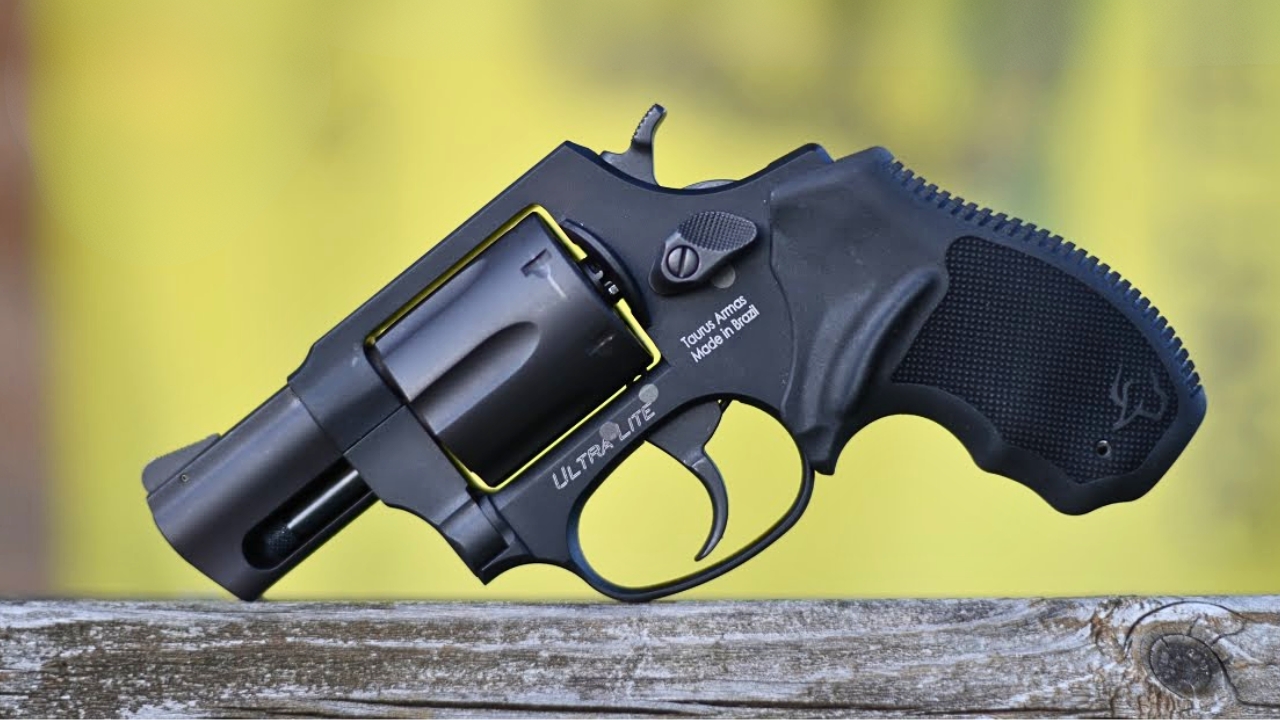
The Taurus 856 Ultralite fits the same pattern as many lightweight snubs. It looks practical, feels easy to carry, and appeals to people who want the simplicity of a revolver without the burden of extra weight. That can sound like a very smart compromise before the range session begins.
Once it does, the same hard truths show up. Lightweight small-frame revolvers demand more from the shooter than many buyers expect. Recoil feels sharper, the grip becomes less forgiving, and sustained practice can go from helpful to punishing fast. People swear by them when talking about convenience, but training tends to remind them that convenience and shootability are not the same thing.
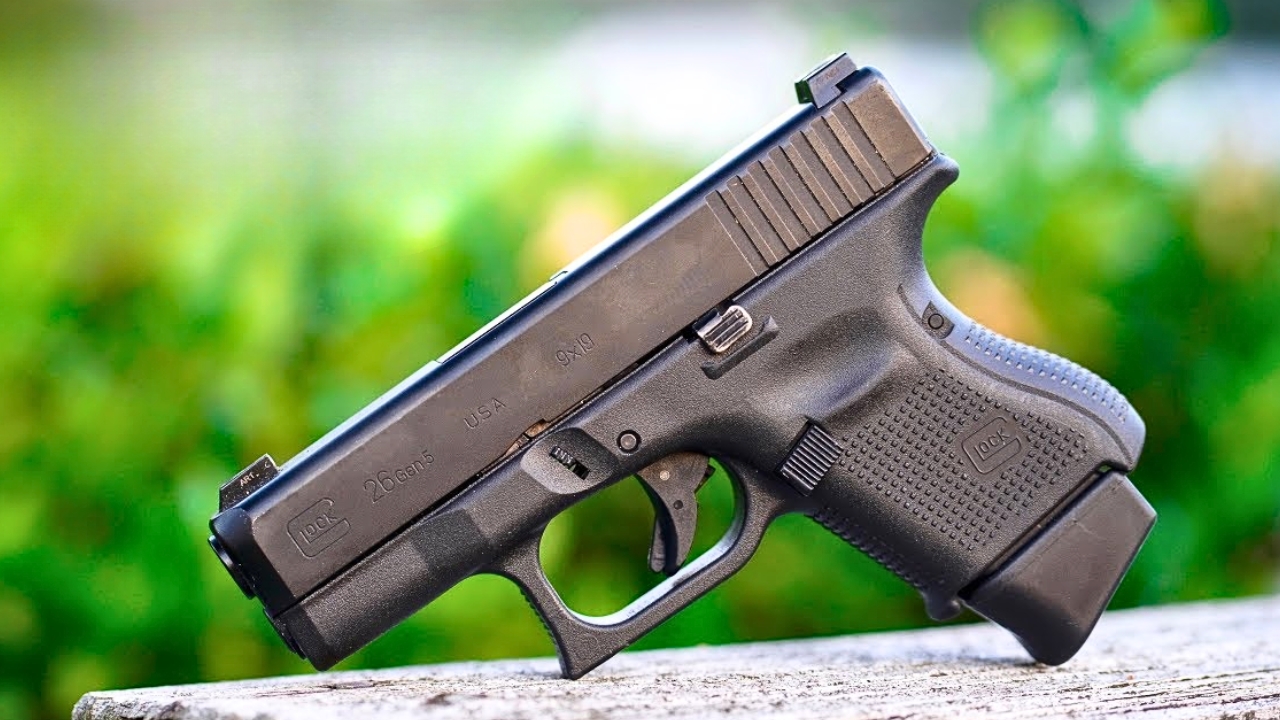
Glock 26

The Glock 26 gets recommended all the time because it carries the Glock reputation in a short, chunky package that many people trust. It has enough capacity to feel serious, enough support to be easy to live with, and enough of a track record that buyers often feel safe choosing it. That reputation is deserved in a lot of ways.
But some people swear by it before they really notice how the short grip affects speed and comfort in training. It can shoot well, but it often becomes more enjoyable once magazines or extensions make it less truly compact. That is the catch. A lot of owners eventually realize the configuration they like training with most is not the one that made them fall in love with it as a carry gun.
SIG Sauer P938

The SIG P938 appeals to people who want a tiny carry pistol with more style and presence than the average micro gun. It looks sharp, feels more refined than a lot of pocket options, and carries a kind of premium charm that makes people feel like they are getting something both practical and impressive. That is a strong sales combination.
Then they start running drills with it. Small guns with small controls do not get easier just because they look nicer. The P938 can be a lot to manage once draw speed, follow-up shots, and sustained practice enter the picture. It is one of those pistols that people are often very proud to own, but not always as thrilled to train hard with.
Ruger EC9s

The Ruger EC9s gets sworn by because it looks like a straightforward answer for someone who wants a slim, affordable carry pistol without a lot of complexity. It conceals easily, does not scare the wallet, and feels like the kind of gun a practical person would choose instead of chasing higher-priced hype. That makes it easy to recommend.
Then the shooter puts in real repetition and starts seeing the limits. Smaller sights, a basic feature set, and a tiny grip do not matter as much during the sales pitch as they do during fast practice. It is one of those pistols that seems like an easy yes until a few harder range sessions remind the owner that minimalism can become a tax once the training gets real.
Springfield Armory XD-S

The XD-S earned plenty of praise as a slim carry gun because it landed at the right time and checked the right boxes. It felt like a serious answer for people who wanted a thin pistol without stepping all the way down to a pocket .380. For a lot of buyers, it looked like the ideal balance between concealment and usable power.
That balance can feel different under training pressure. Slim, compact 9mms often ask more from the shooter than they first appear to, and the XD-S is one of those guns many owners liked more in carry theory than in long practice sessions. It can absolutely work, but it is also the kind of pistol that makes some people realize they valued thinness more than actual training comfort.
Walther PPS M2

The Walther PPS M2 got plenty of love because it felt slimmer and more refined than many carry guns in its class. It was easy to conceal, easy to appreciate in the hand at the counter, and easy to recommend to someone looking for a single-stack 9mm that seemed a little more polished than the usual options. That kind of first impression matters.
Then comes the part where people start training hard and realize slim pistols still have slim-pistol behavior. Less grip, more concentrated recoil, and a smaller working surface all start to matter more. The PPS M2 may still be a good carry gun, but it is another example of a pistol that gets praised heavily before people have really asked themselves how much they want to practice with it.
Kahr PM9
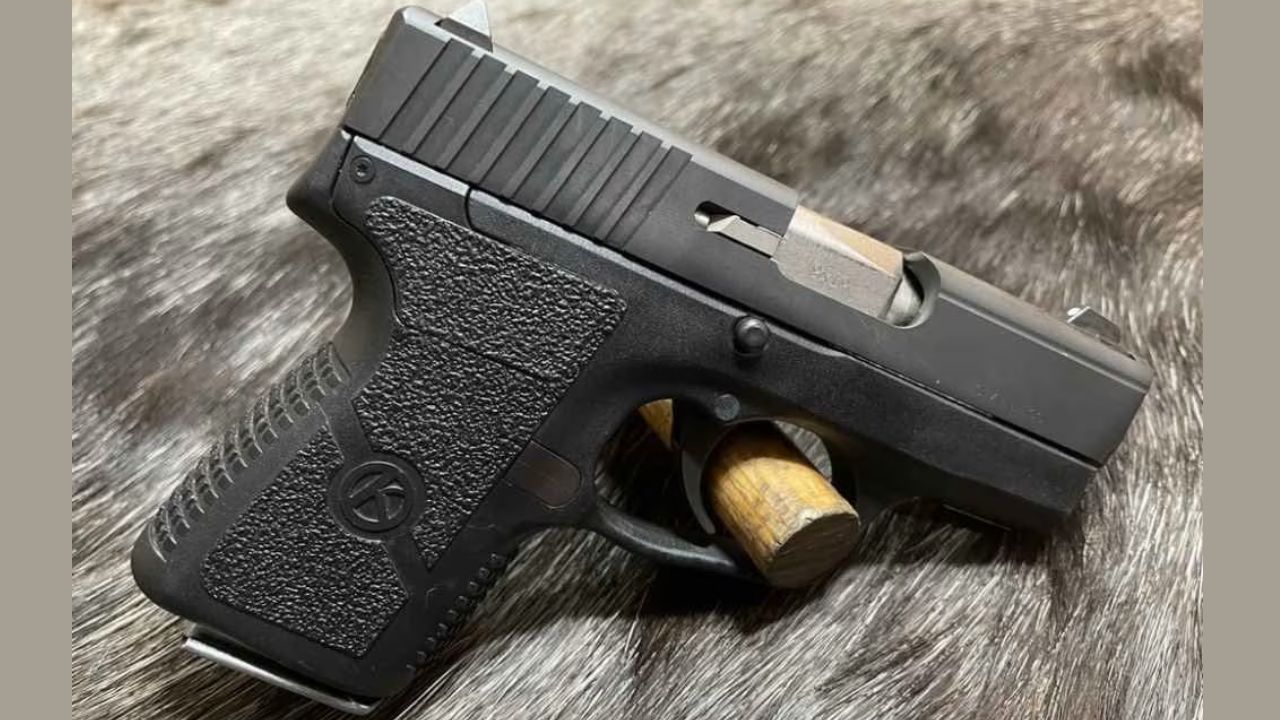
The Kahr PM9 has long been one of those pistols people swear by because it gives them a truly compact 9mm in a very easy-to-hide package. For people focused on discreet carry, that sounds like a huge win. It feels like the answer to wanting something flatter and smaller without dropping down to a lighter cartridge.
But tiny 9mms always collect their payment somewhere, and training is where that payment usually comes due. The PM9 can feel much less forgiving once draw speed, rapid fire, and longer sessions enter the picture. A lot of owners keep respecting the concept, but the more they actually train, the clearer it becomes that they bought concealment first and shootability second.
Bond Arms Derringers

Bond Arms derringers get sworn by in a certain kind of carry conversation because they sound brutally simple and deeply concealable. People like the idea of a small, rugged, no-nonsense pistol that can ride anywhere and still deliver a lot of power for its size. It sounds tough, practical, and easy to justify in a quick discussion.
Then they try training with one and reality lands immediately. A tiny grip, heavy recoil, minimal capacity, and very limited practical speed expose the difference between carrying a gun and being able to run it well. Derringers can still have a niche, but they are one of the clearest examples of guns people defend in theory and then quietly stop bragging about once real practice begins.
Taurus Judge Public Defender Poly

The Taurus Judge Public Defender Poly gets praised by people who love the concept more than the training experience. It sounds versatile, powerful, and comforting in the abstract. Buyers picture close-range authority, unusual versatility, and a carry option that feels like it solves more problems than a normal handgun.
Then real practice exposes how awkward that idea can become. Bulk, recoil, handling speed, and practical accuracy all start asking harder questions than the original sales pitch did. It is one of those carry guns that gets sworn by in broad, confident language right up until the owner starts doing serious repetitions and realizes the concept was easier to love than the actual training experience.
Like The Avid Outdoorsman’s content? Subscribe to our newsletter so you never miss an article.
Here’s more from us: