Photo credit: Rick Nethery Firearm Channel/YouTube
Some rifles have stuck around far longer than their performance justifies. They show up in pawn shops, back closets, and the racks of budget-minded hunters who figured “it’s been around forever, so it must work.” But longevity doesn’t always mean quality, and a lot of rifles still floating around should’ve been retired a long time ago.
You see it in wandering accuracy, cut-rate materials, and designs that never evolved while everything else around them improved. These rifles linger mostly out of habit, nostalgia, or name recognition, long after more reliable and better-shooting options have taken their place.
Remington 710

The Remington 710 is one of those rifles that should have bowed out as soon as it arrived. Even when it was new, the pressed-in bolt head and budget components created reliability questions that never quite went away. The rifle struggled to deliver consistent accuracy, and many early examples showed premature wear that better rifles simply didn’t suffer.
Most owners realized fast that it wasn’t something you could grow into. Once you experience the gritty bolt travel and unpredictable groups, you understand why this rifle’s reputation faded quickly. It’s a platform that lingered far longer than its design deserved.
Remington 770

The 770 was introduced as an “improvement” over the 710, but the changes didn’t fix the core issues. You still got a rough action, a weak stock design, and accuracy that rarely held up even at moderate ranges. Many shooters tried to make it work with better optics or premium ammo, but the rifle simply didn’t have the consistency to justify the effort.
Its lifespan in the market outlasted its usefulness, mostly because it was cheap and accessible. For a rifle that never earned the trust of experienced hunters, it should’ve been retired long before it quietly faded away.
Winchester 670

The Winchester 670 tried to be a budget version of the Model 70, but it never lived up to the lineage. The simplified action and cost-cutting measures led to uneven performance, and accuracy varied wildly from one rifle to the next. Many shooters found themselves constantly tweaking bedding or sights, hoping to coax out better groups.
With time, the shortcomings became more obvious. The 670 never matched the reliability or refinement of the rifles it attempted to imitate. There’s a reason you rarely see it in the field today—it’s a model that overstayed its welcome long before production ended.
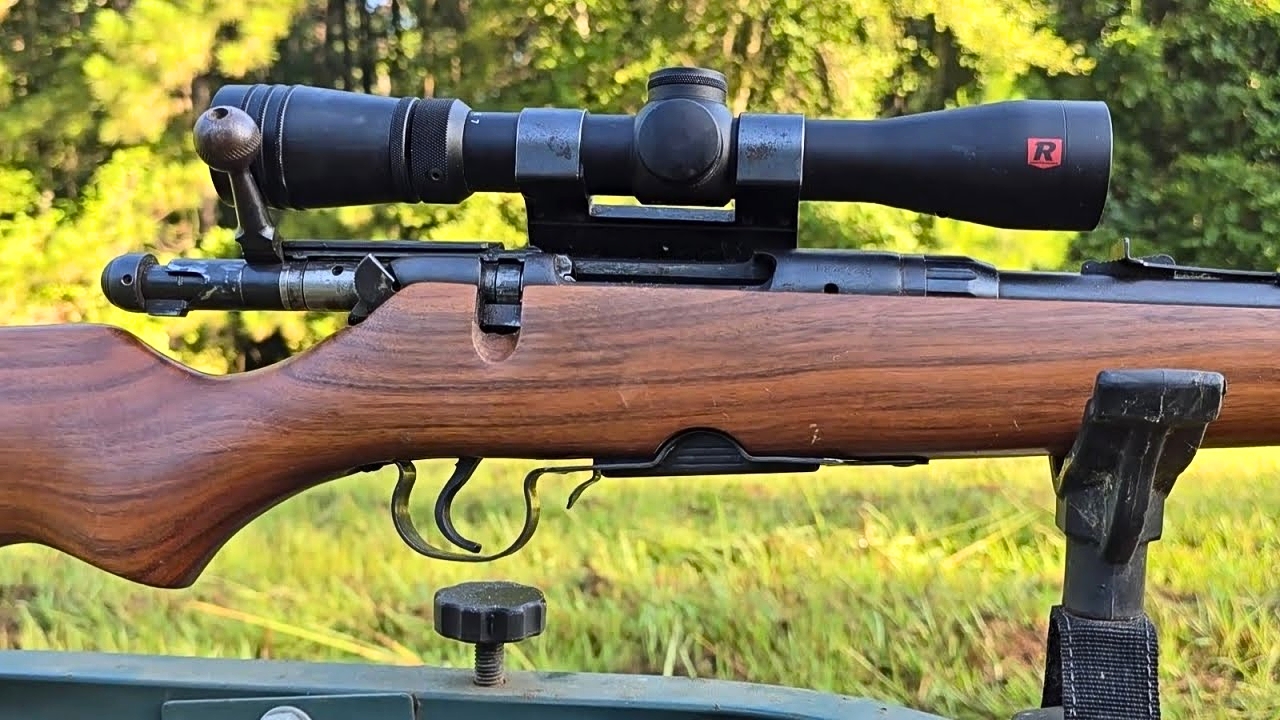
Savage 340

The Savage 340 hung on for decades, but nostalgia is the biggest reason it’s still around. Its accuracy is modest at best, and the detachable side-mounted magazine creates alignment challenges that newer designs solved long ago. The stamped parts and minimalist stock don’t help with consistency, especially as rifles age.
Hunters kept them mainly because they were affordable, not because they were outstanding performers. With so many modern rifles offering more accuracy and reliability at similar prices, the 340 is a design that feels frozen in time—and not in a good way.
Mossberg 810
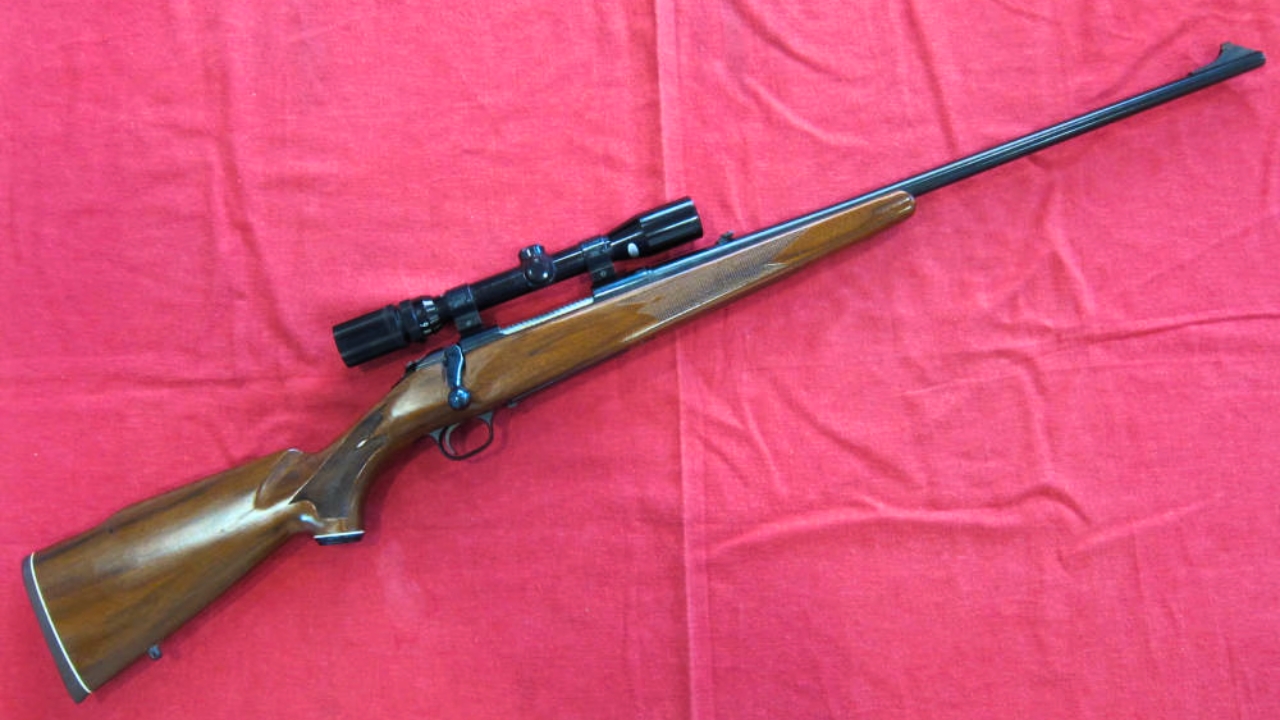
The Mossberg 810 had potential, but inconsistent quality held it back. The rifle’s early production suffered from feeding and extraction issues, and the accuracy was hit-or-miss depending on barrel variation. Many rifles showed wear faster than expected, and spare parts grew scarce long before the platform disappeared from shelves.
Even when you find one today, it’s usually more of a curiosity than a dependable hunting tool. It’s a rifle that could’ve been something special, but the flaws outweighed the value. As a result, it’s one that should’ve stepped aside decades earlier.
Marlin Model 55
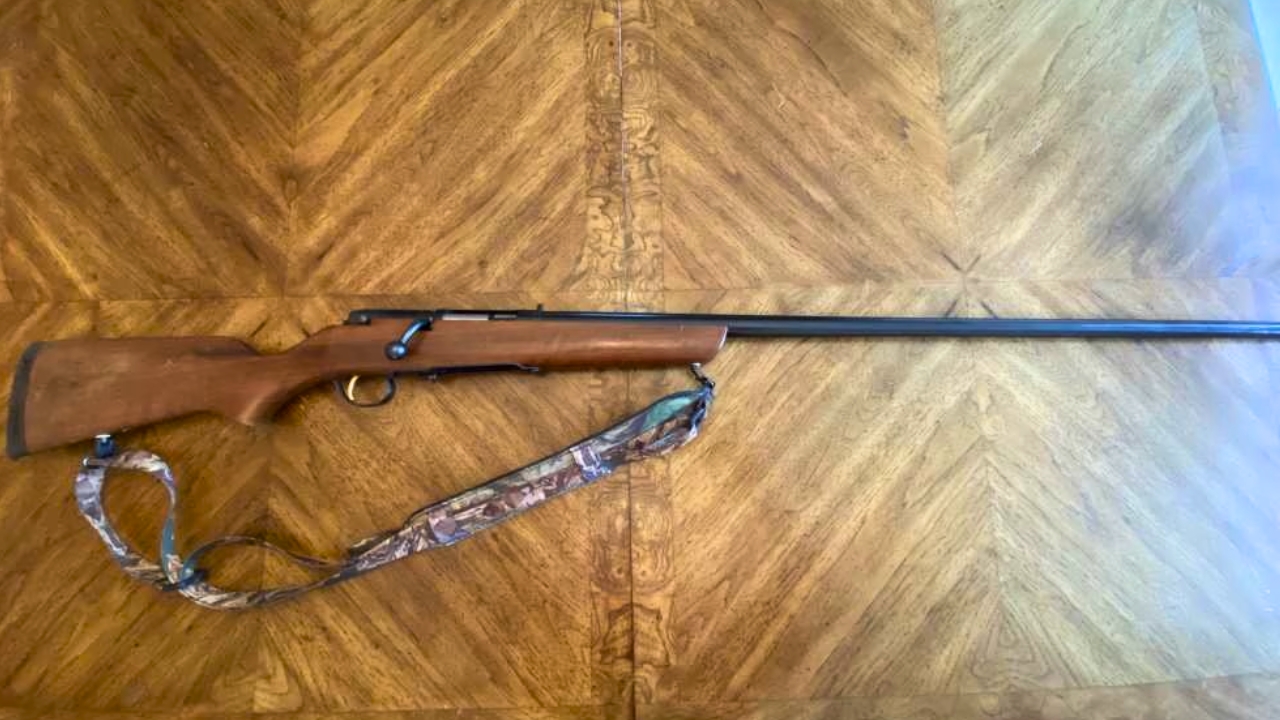
The Marlin 55 bolt-action shotgun stayed on the market for years despite its awkward handling and quirky design. The detachable magazine system was clunky, the balance felt off for many shooters, and the recoil impulse was harsher than expected for a gun in its class.
While some hunters appreciated the unique format, the practical performance never matched the novelty. There were far smoother, more ergonomic options available. Looking back, the Model 55 is a perfect example of a design that lasted because of name recognition, not because it truly earned a long career.
Remington Nylon 76

The Nylon 76 was an interesting attempt at innovation, but its long-term durability and parts availability became a real problem. The unique action didn’t hold up well for heavy use, and accuracy wasn’t impressive compared to other .22 rifles that eventually surpassed it in every category.
Collectors kept the rifle alive longer than its real performance justified. Once the novelty wore off, shooters realized they were dealing with a platform that was difficult to service and didn’t match modern expectations. It’s a rifle that should’ve been phased out long before production actually ended.
Winchester 190
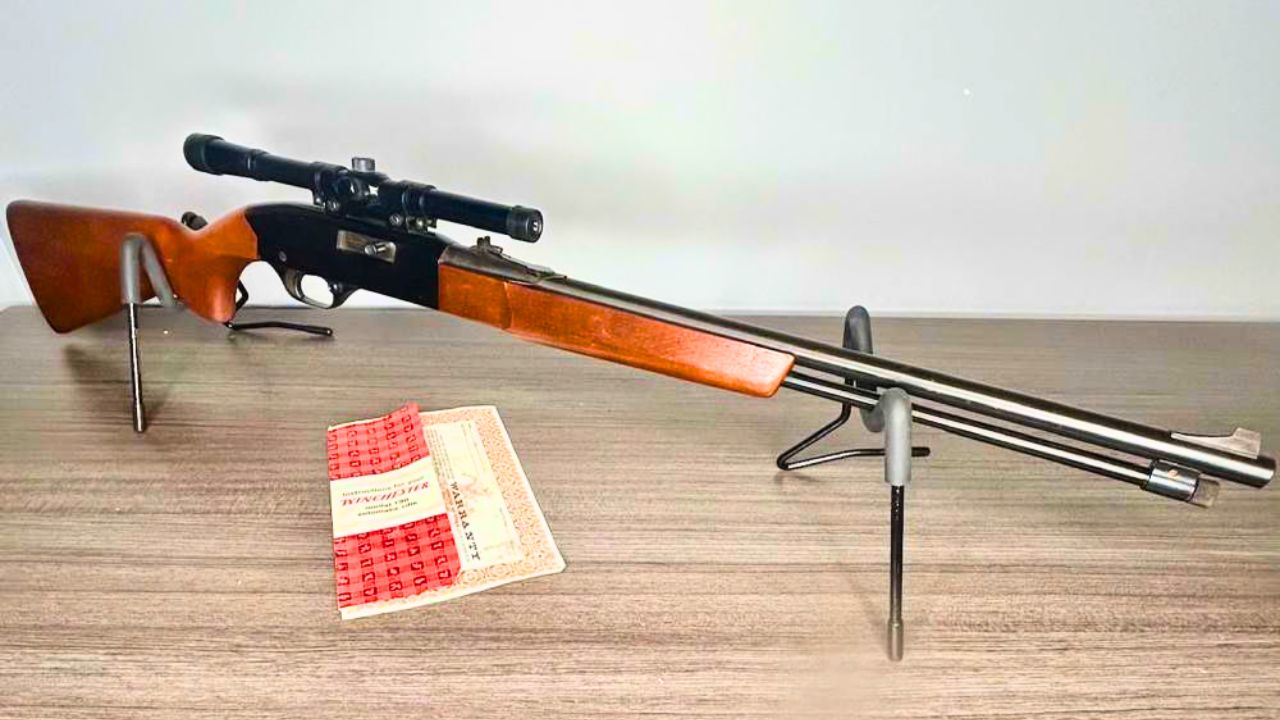
The Winchester 190 was affordable and popular, but reliability and accuracy issues plagued it for years. The action could gum up quickly, and the lightweight internals didn’t always handle high-volume shooting well. Many owners found themselves troubleshooting failures rather than enjoying range time.
Its longevity had more to do with pricing than performance. When stacked against today’s well-built .22 rifles, the 190 feels outdated in every meaningful way. It’s a rifle that served its era but hung around long after better designs replaced it.
Rossi Model 62 Pump
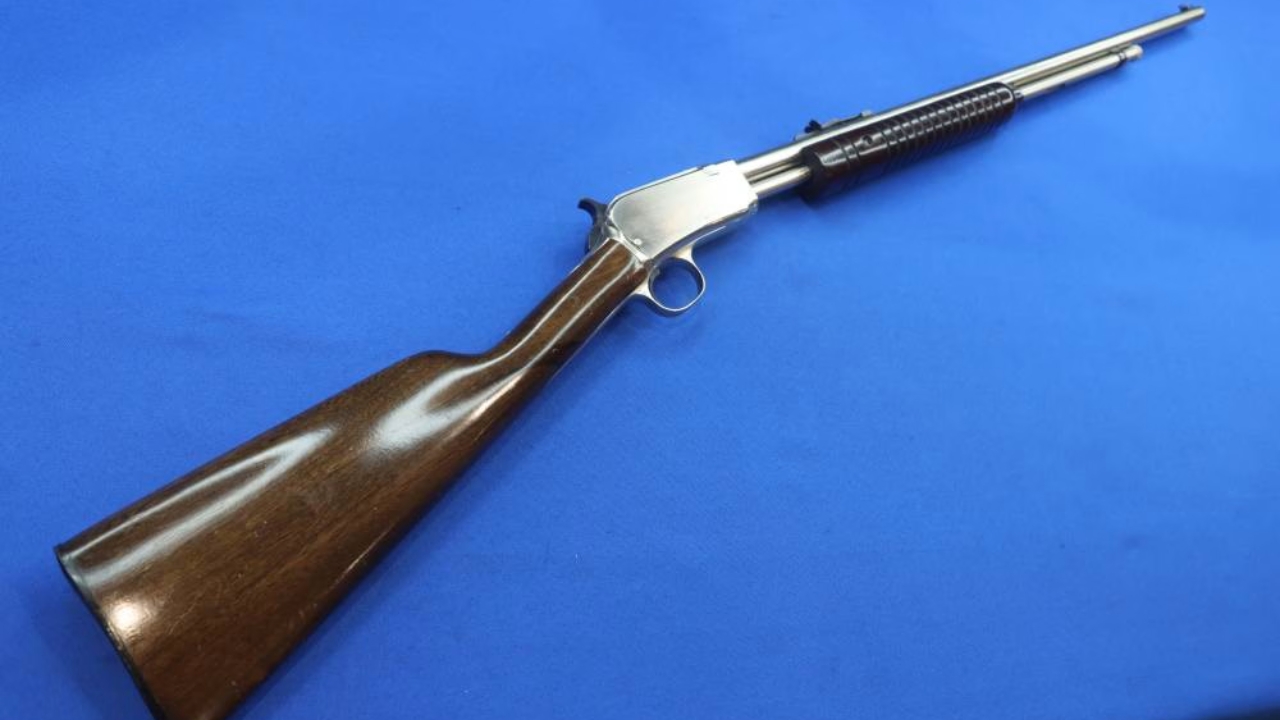
The Rossi 62 pump was meant to mimic classic gallery guns, but the execution never matched the originals. The rough actions and inconsistent machining led to feeding issues that frustrated many shooters. Accuracy hovered in a “good enough” zone, but rarely impressed anyone who expected more from a rimfire pump.
While the nostalgia factor kept people buying them, the performance didn’t hold up over time. With smoother, more reliable pump and lever-action .22s available, the Rossi 62 feels like a design that should’ve retired long before production stopped.
Remington Model 597 (Early Production)
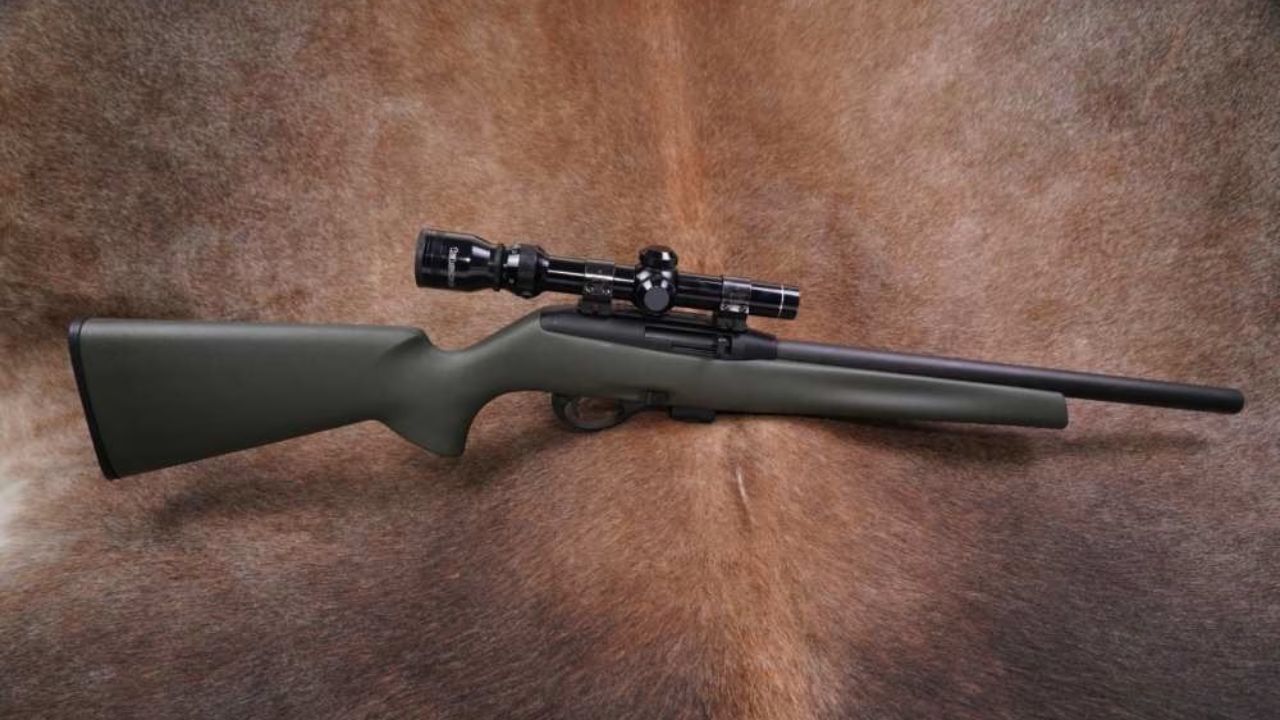
The early Remington 597 rifles were plagued by magazine issues that caused feeding and extraction problems. Even after updated magazines were released, some rifles still struggled with reliability. Accuracy could be decent, but only once you spent time working around the quirks.
Many shooters ultimately replaced the rifle with something more dependable. It’s a platform that had potential but never fully delivered without significant tweaking. In hindsight, the early models should’ve been discontinued much sooner than they were.
Springfield Model 840
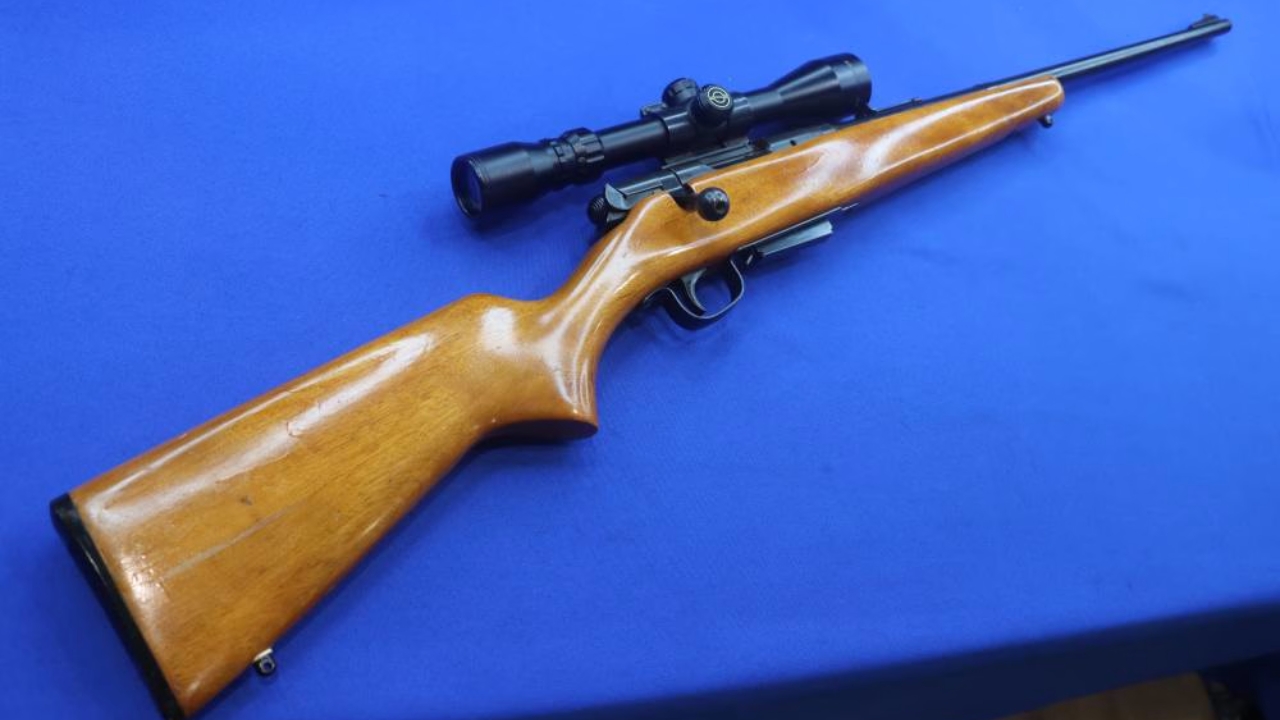
The Springfield 840 tried to fill the budget bolt-action niche but fell short in durability and accuracy. The stamped components and basic stock design didn’t inspire confidence, and many rifles showed wear faster than expected. Shooters often found themselves fighting wandering zero issues that no amount of tweaking truly solved.
While it served its purpose for a generation of budget-minded hunters, the performance gap between the 840 and modern entry-level rifles is huge. It’s a rifle that overstayed its welcome long before production finally ended.
Mossberg 800
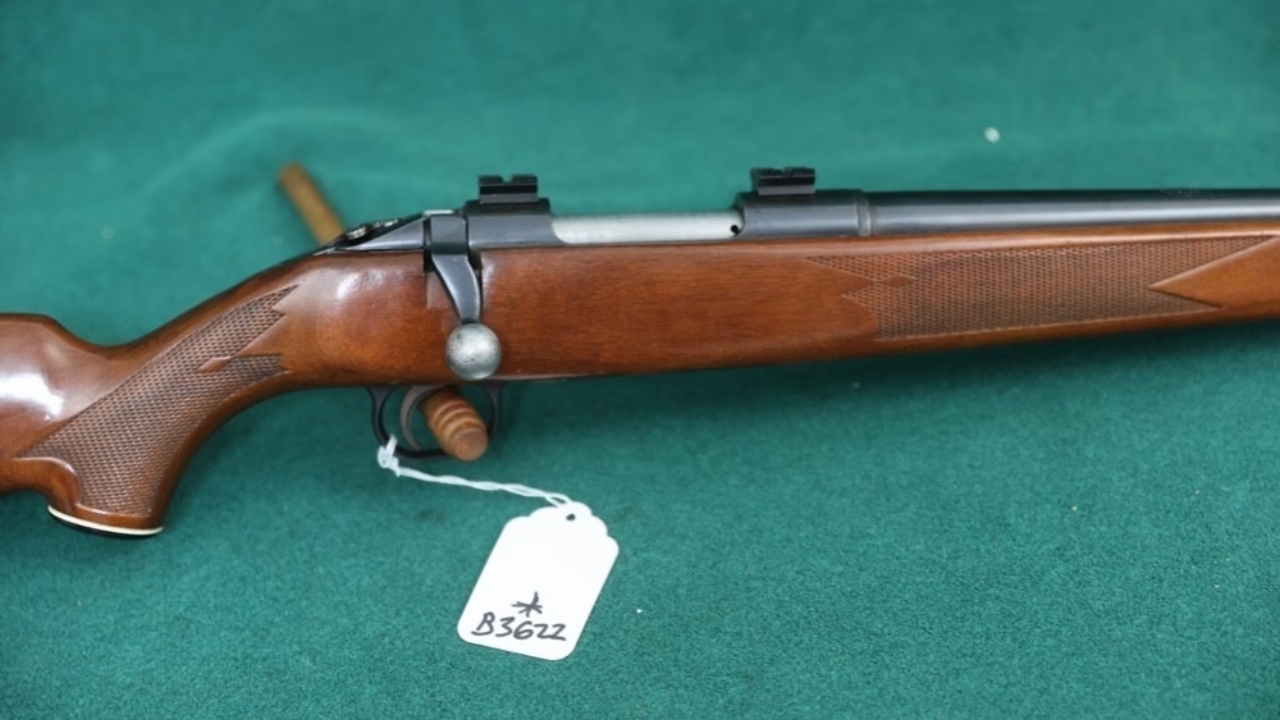
The Mossberg 800 series struggled with inconsistent accuracy and uneven build quality. Some rifles shot surprisingly well, while others delivered groups that made you second-guess everything from optics to ammo. The stock design didn’t help, especially on early rifles that flexed under pressure.
As better rifles entered the market at similar prices, the 800 series quickly felt outdated. It’s one of those platforms that had loyal fans but never truly kept pace with the improvements happening elsewhere in the industry.
Winchester 250
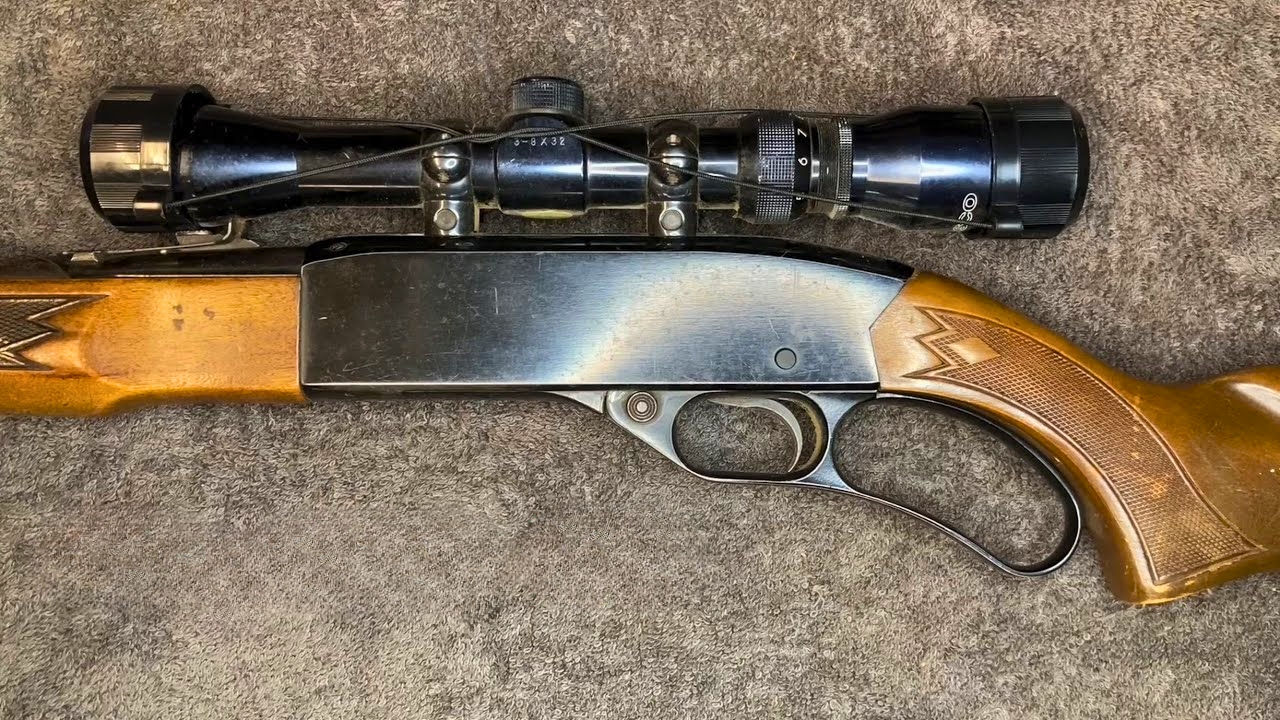
The Winchester 250 lever-action .22 was a creative design but never gained a strong reputation for reliability. The action could feel mushy, and accuracy wasn’t consistent enough to earn trust. Many rifles struggled with feeding issues as they aged, and spare parts became hard to find.
While it had a place in its era, modern rimfire levers outperform it in nearly every way. The 250 is a rifle that lasted more out of nostalgia than sustained performance.
Remington Model 788 Carbine (Certain Runs)

The standard 788 is known for excellent accuracy, but certain carbine-length versions struggled to maintain that reputation. Heat buildup affected point of impact, and some barrels simply weren’t as consistent as the full-length versions.
These rifles often ended up disappointing hunters who expected the same performance as the standard models. While the 788 legacy is strong, the weaker variants highlight how some rifles should’ve been retired far earlier rather than carried forward without refinement.
Stevens Model 73
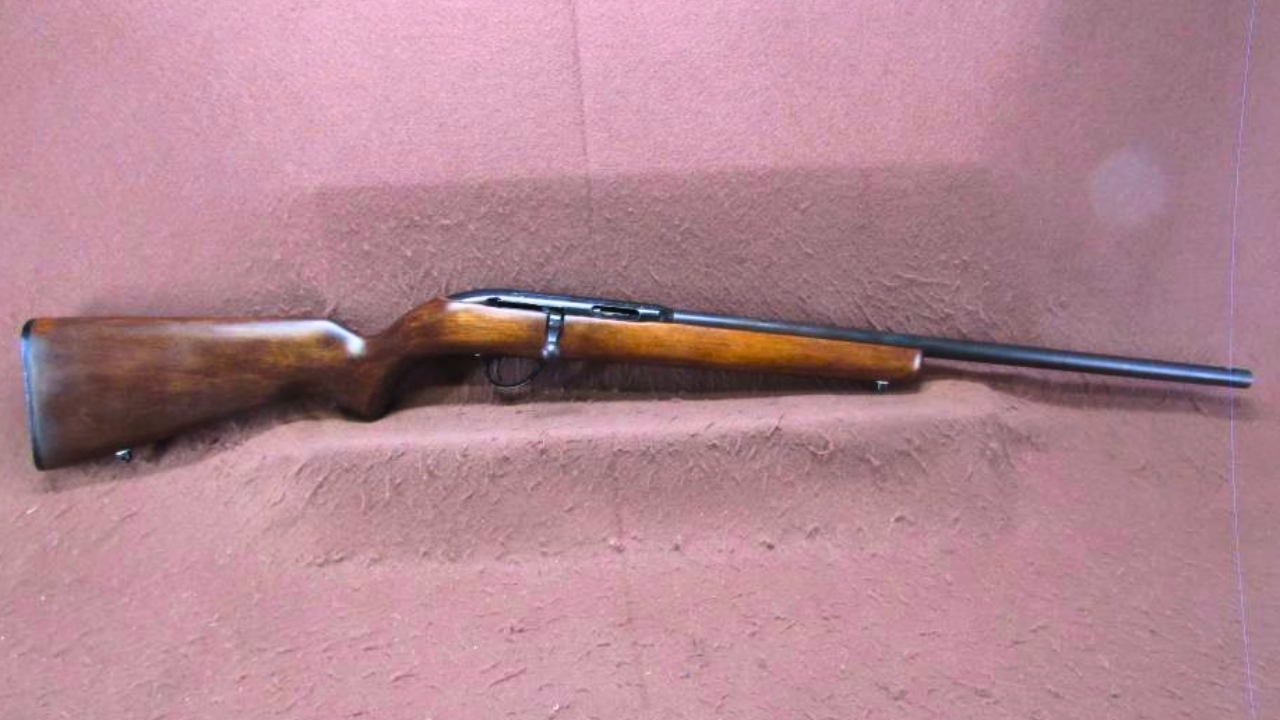
The Stevens 73 was a bare-bones rimfire that offered affordability but little refinement. Accuracy was marginal, the triggers were heavy, and the lightweight stocks didn’t inspire confidence. Many rifles struggled with feeding issues as they aged.
Compared to today’s lineup of smooth, dependable, accurate rimfires, the 73 feels outdated in every way. It’s a rifle that stayed on the market long after better options became widely available, and one that should’ve been retired far earlier.
Like The Avid Outdoorsman’s content? Subscribe to our newsletter so you never miss an article.
Here’s more from us: