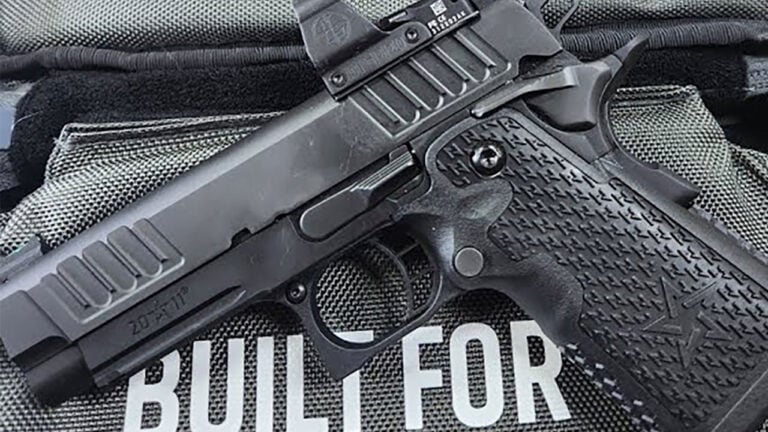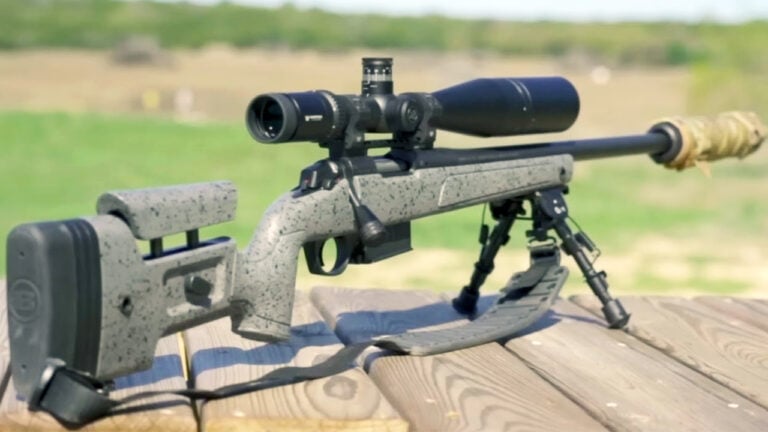
Photo credit: WHO_TEE_WHO/YouTube
Brush hunting has always carried its own set of myths, especially when it comes to calibers that supposedly “push through” limbs and twigs without getting knocked off course. You hear the same lines at camp every fall—someone swears their favorite round drifts less, or that heavy bullets magically muscle their way through thick cover. But when you actually look at what happens once a bullet clips a branch, the story changes fast. Even slow, heavy projectiles can deflect dramatically, and some calibers marketed as “brush busters” end up creating more wounded deer than clean recoveries.
These are the rounds hunters keep defending, even though the reality in the woods tells a different story.
.30-30 Winchester

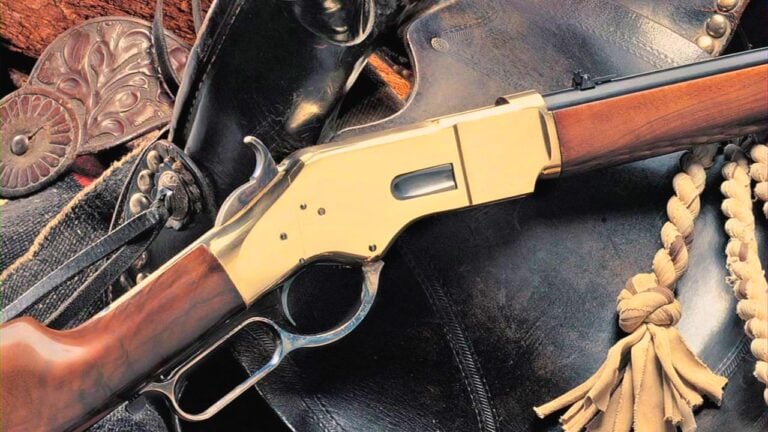
Hunters love the .30-30, and it’s earned its place in deer camps across the country. But when someone claims it cuts through brush without deflecting, that’s where the old stories start drifting from the truth. Its blunt-nosed bullets shed velocity quickly when they hit anything more substantial than air.
Even a small twig can send those projectiles veering off course, especially at typical brush-hunting distances. The caliber works fine in open lanes and moderate cover, but using it under the belief that it “plows through anything” is how tracking jobs get longer than they need to be.
.35 Remington

The .35 Remington carries a loyal following, and many hunters swear by its performance in thick woods. While it does hit harder than lighter, faster rounds, it’s still vulnerable to deflection. Heavier bullets don’t erase physics, and any impact before reaching the animal can throw accuracy completely off.
The myth comes from its close-range punch, not any magical resistance to branches. If you take clean shots inside natural openings, it performs well. But if you push it into truly thick cover while believing it won’t wander after clipping brush, you’ll eventually be proven wrong.
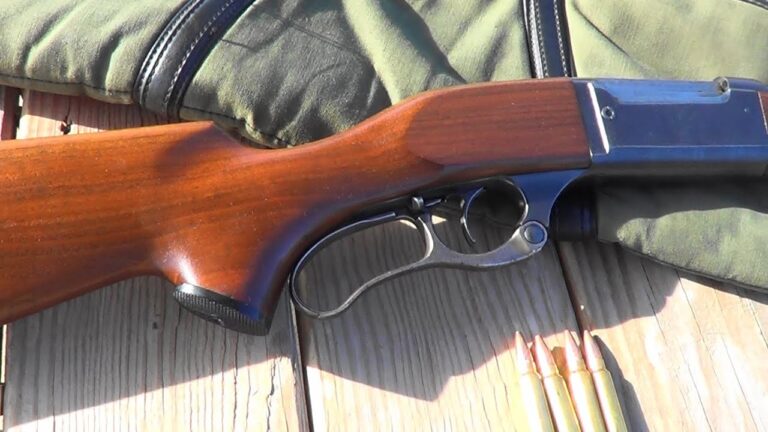
.45-70 Government (with traditional loads)
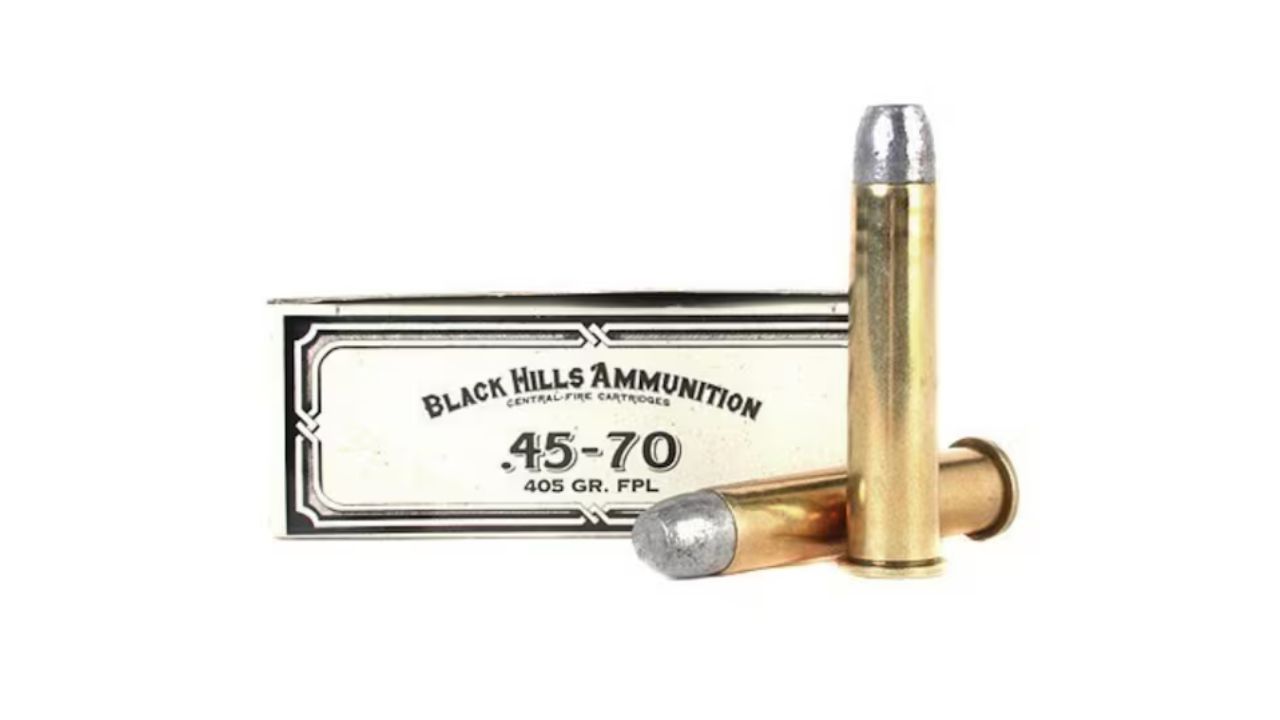
Plenty of hunters talk up the .45-70 as the ultimate brush caliber, but that reputation comes from nostalgia more than real-world performance in tangled woods. The bullet is big, slow, and powerful, but that doesn’t stop it from deflecting when it grazes a limb.
Traditional round-nose or flat-nose bullets are particularly prone to yaw when they contact brush. The caliber delivers excellent terminal performance on deer and larger game, but not because it slips through branches untouched. Using it under that assumption sets you up for unpredictable hits.
.300 Blackout (subsonic loads)

Subsonic .300 Blackout loads get pushed as “brush friendly” because of their slow speed and heavy bullets. But those same characteristics make them more likely to be knocked off track. Subsonic rounds are unstable the moment they hit anything in their path.
Even in close quarters, a small twig can turn these bullets sideways, leading to erratic impacts. The caliber works well inside tight woods when you have a clean lane, but if you expect subsonics to ignore branches, you’re going to be disappointed—and probably tracking farther than you intended.
7.62×39
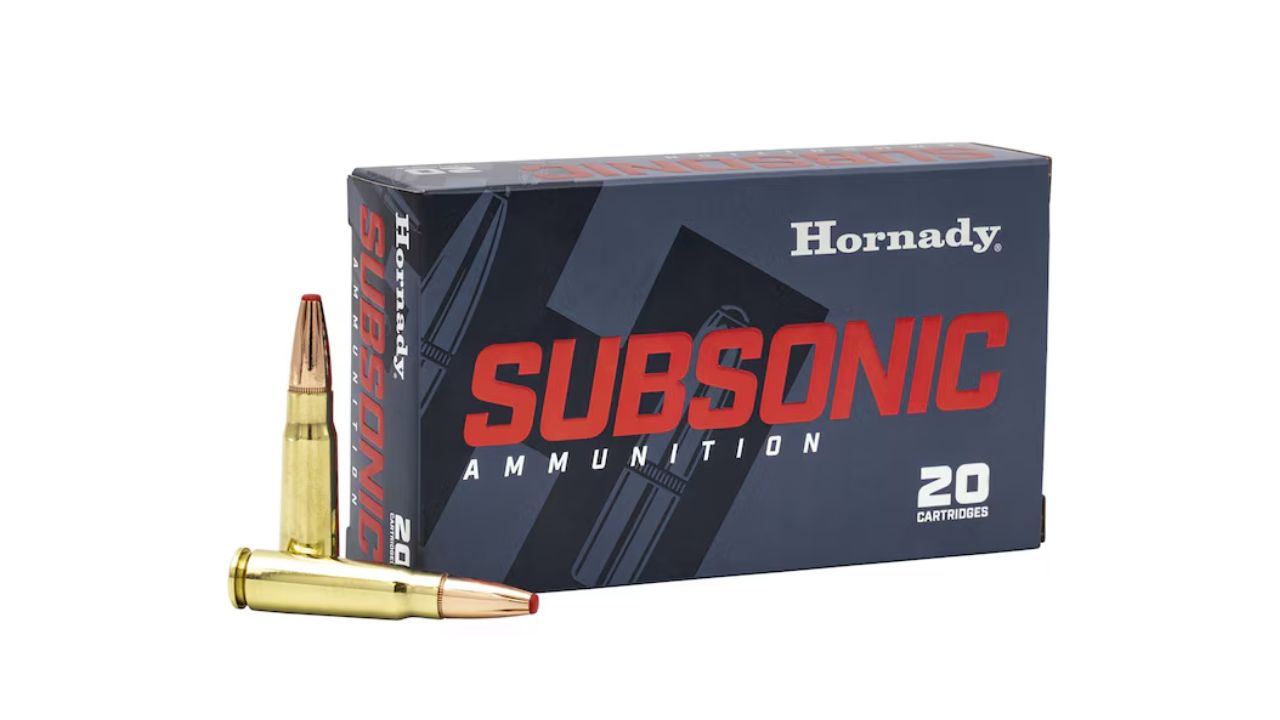
A lot of hunters bring 7.62×39 rifles into the woods expecting the heavy .30-caliber bullet to behave well in brush. In reality, many of the commonly available bullets aren’t built for controlled expansion or straight-line stability after clipping debris.
The round does fine on deer at moderate distances with proper ammo, but it’s not the brush-proof hammer some claim it to be. Light deflection can lead to poor shot placement fast, especially when using budget FMJ or soft points that aren’t designed for precise work.
.44 Magnum (rifle)
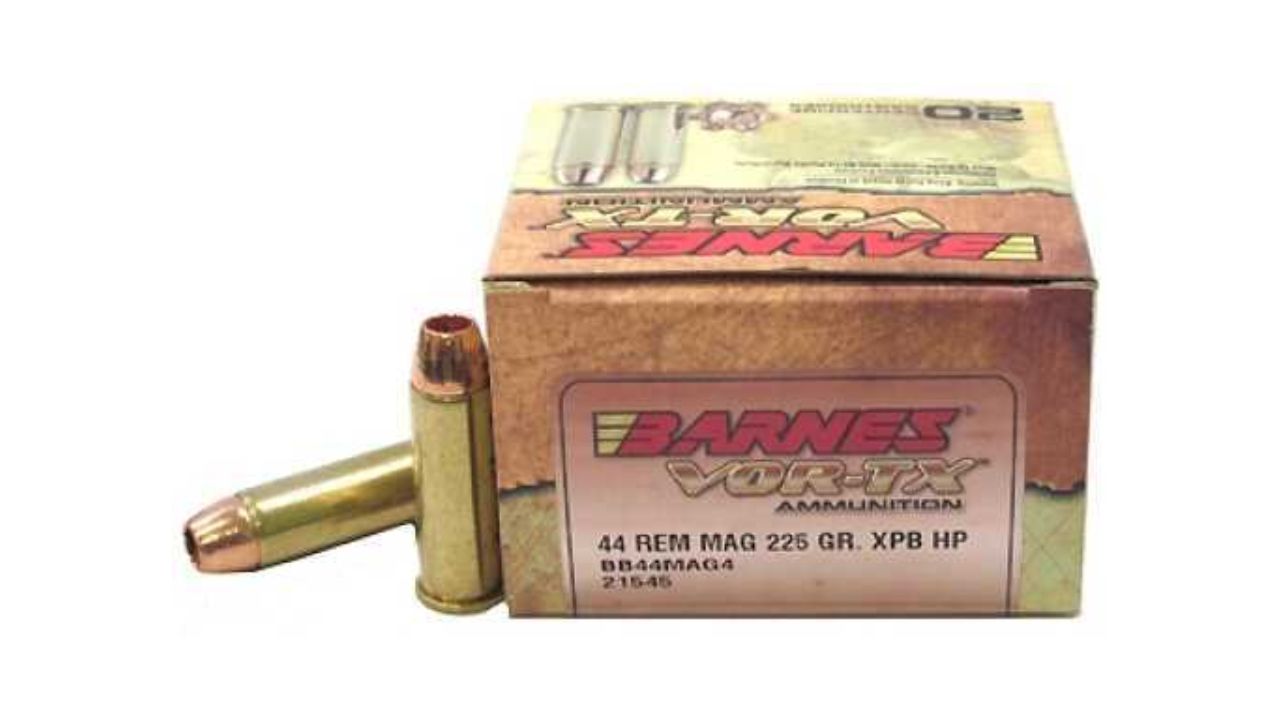
Shooters often believe the .44 Magnum, especially out of a carbine, “handles brush better” because of its weight and slower velocity. But the moment that bullet touches anything between muzzle and target, it behaves unpredictably. Straight-wall handgun rounds simply aren’t built to resist yaw.
In open or semi-thick cover it performs well, offering solid power and manageable recoil. But stepping into truly dense brush and trusting it to stay on track is a risk. Those who claim it “threads through limbs” usually haven’t tested that claim under real field conditions.
.357 Magnum (rifle)

The .357 Magnum is beloved for its versatility and light recoil, but many hunters oversell its performance in brush. Lightweight bullets at moderate speeds are highly sensitive to deflection, even when fired from a carbine-length barrel.
The round is great for woods deer when you have a clear shot window. It’s accurate, handy, and effective inside 75 yards. But if you start believing it’s immune to branches, you’ll end up with unpredictable shot placement. It’s a capable round—just not a branch-breaker.
.450 Bushmaster
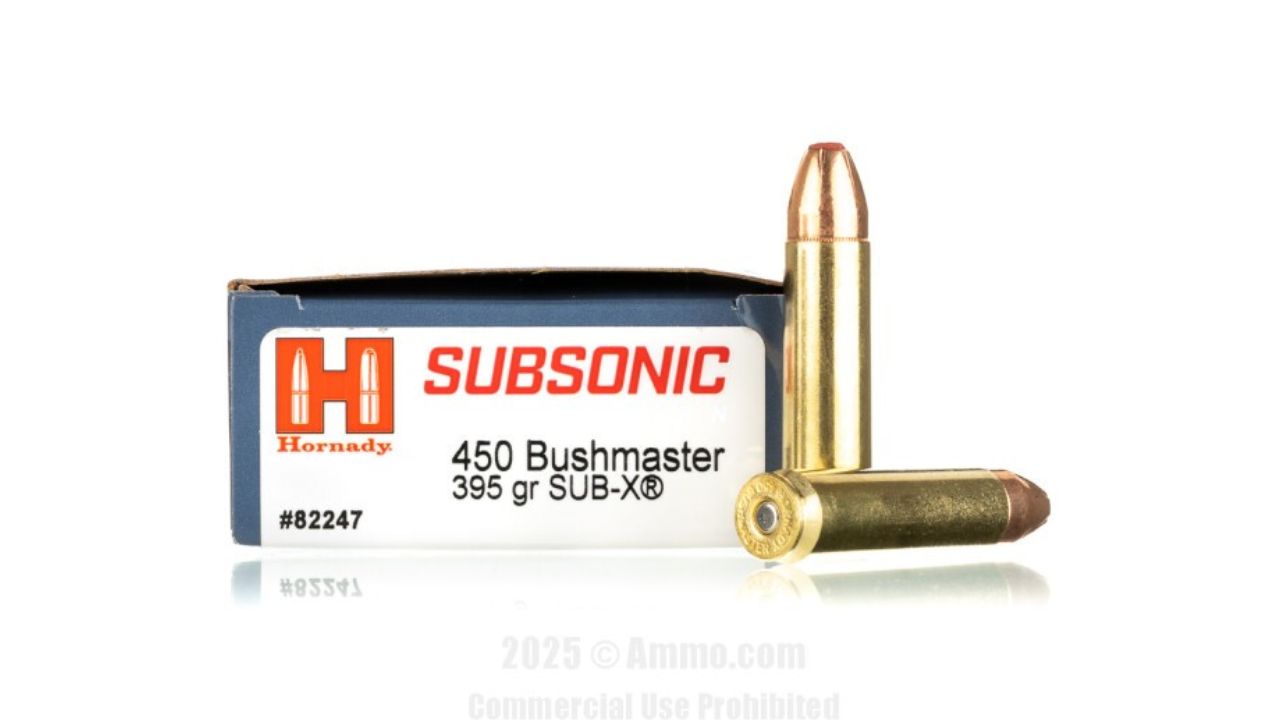
Straight-wall cartridges often get labeled as brush calibers, and the .450 Bushmaster gets that reputation more than most. While the round hits hard and puts deer down quickly with good placement, it can still deflect dramatically if it contacts twigs or leaves.
The bullet’s length and velocity make it prone to tipping when obstructed, and momentum alone doesn’t correct that. The Bushmaster is excellent in open woods and short lanes, but it’s not going to save you from a poorly chosen shot through cluttered cover.
.350 Legend
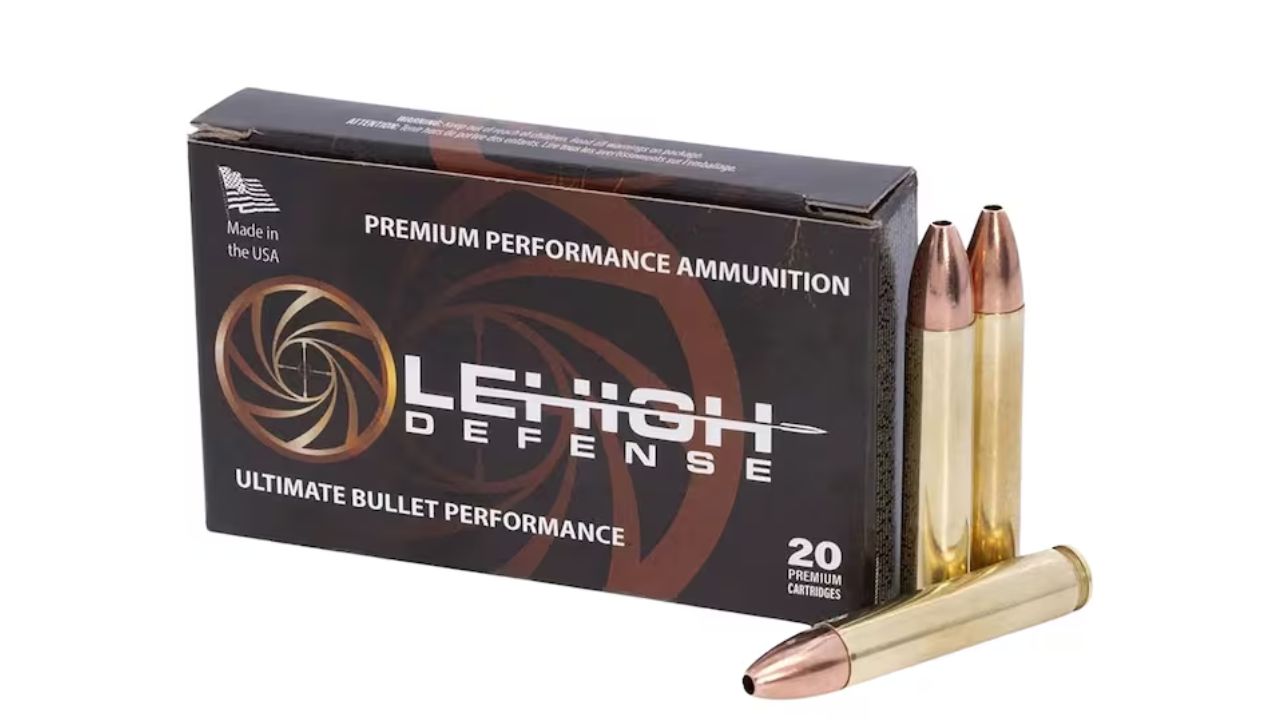
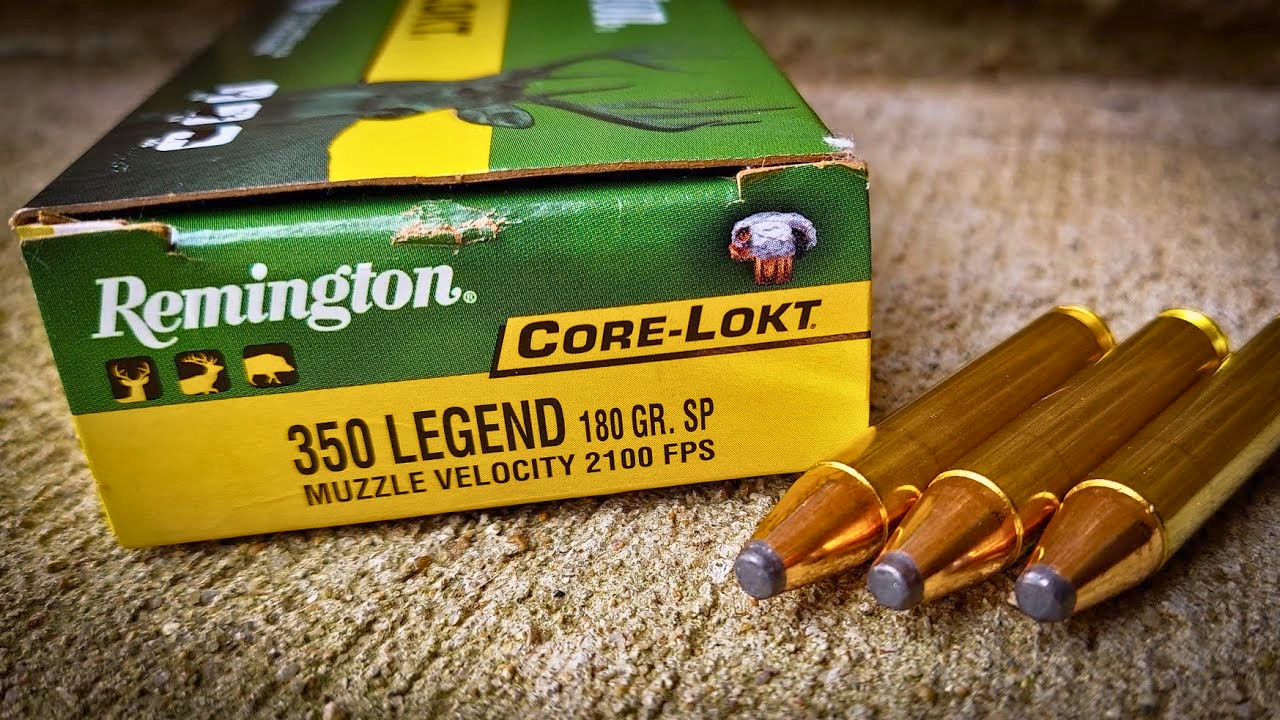
Marketing pushed the .350 Legend as an ideal woods cartridge, but that doesn’t mean it cuts through brush any better than other mid-caliber rounds. Its bullet designs tend to be lightweight for caliber, and that increases the chance of significant deflection.
Inside open hardwoods or farm-country brush, it performs cleanly. But if you start shooting through saplings thinking it will stay on track, you’ll find its limitations fast. Like any round, it needs a clear lane to perform the way hunters expect.
.32 Winchester Special
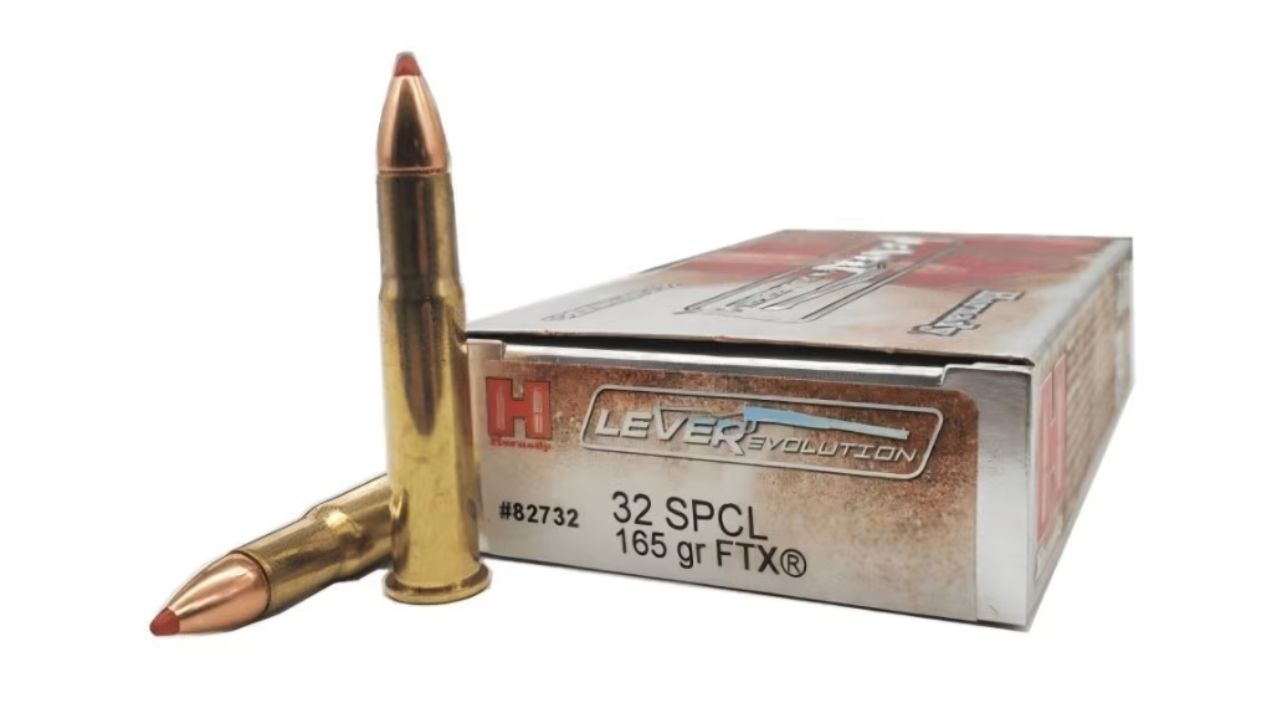
This old woods cartridge gets talked up for its “brush-busting” qualities, but it behaves much like the .30-30 when it clips a branch—poorly. Despite slightly heavier bullets, the deflection problem remains. Hunters who grew up hearing legends about its brush performance often repeat them without modern testing to back it up.
Inside normal woods conditions, it works well. But any shot through true tangle risks sending the bullet off its intended path. It’s a solid deer round, not a magical performer in thick cover.
.308 Winchester (with round-nose bullets)

Some hunters load round-nose .308 bullets believing the shape helps them punch through brush. In reality, round-nose bullets tend to deflect more than modern pointed designs. The larger surface area catches debris and destabilizes the bullet quickly.
The .308 is an excellent caliber for deer, but it gains nothing from round-nose projectiles when brush is involved. You’re better off waiting for a clear shot instead of trusting outdated assumptions.
.303 British

The .303 British has taken plenty of deer, but those who claim it ignores brush are leaning on old stories rather than field performance. Most loads use round-nose or soft-point bullets prone to early upset when they hit anything in their path.
It performs well inside its effective range, especially from smooth-shooting surplus rifles. But it doesn’t change the fundamentals of bullet behavior. Brush will still throw it off course, no matter how passionate its defenders are.
.444 Marlin
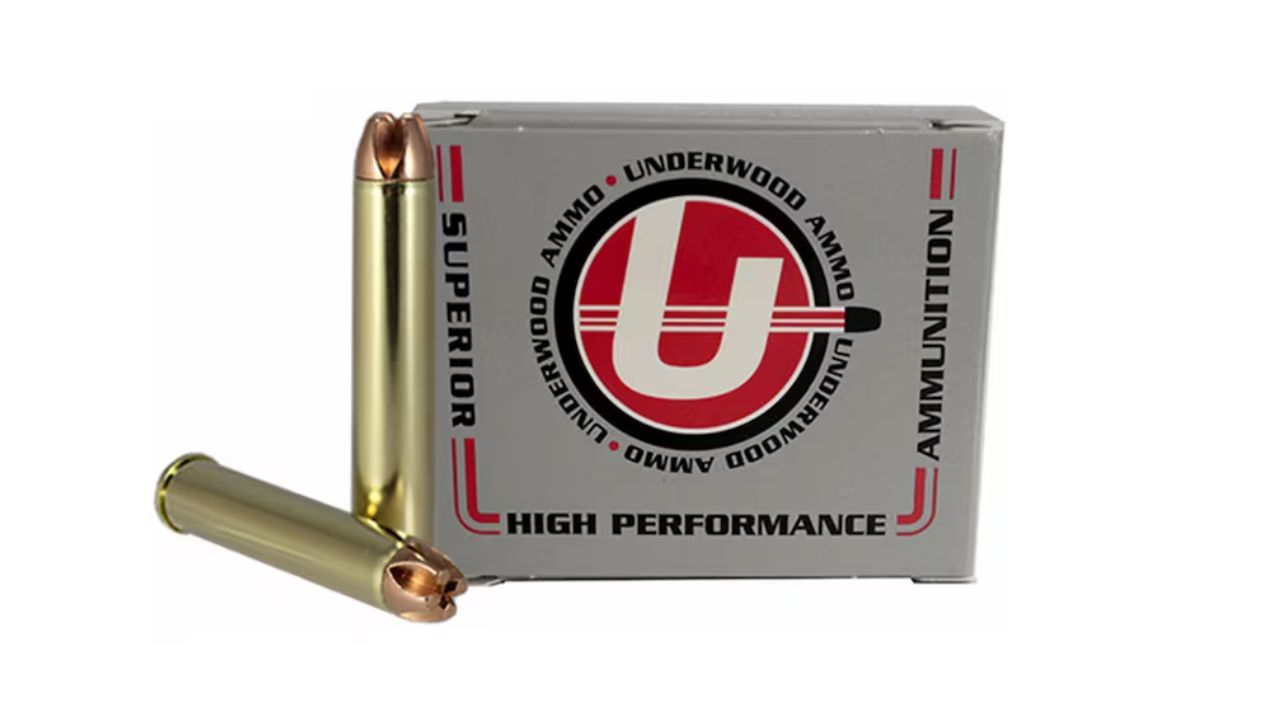
The .444 Marlin makes big holes and sends heavy bullets downrange, but that doesn’t make it resistant to brush. Those long, heavy projectiles respond dramatically to even slight deflection, and once they start to yaw, accuracy goes out the window fast.
Many hunters praise the caliber because of what it does on a clean hit—not because it threads through saplings. Believing otherwise is how shoulder hits turn into long tracking jobs.
.41 Magnum (rifle)

The .41 Magnum has its fans, but when used in thick woods, it behaves more like other straight-wall handgun rounds than a brush-caliber miracle. Its bullet weights vary widely, and many lighter options deflect easily.
It does excellent work on deer when you have a clear opening, but it’s not a secret weapon for cutting through thick cover. If you rely on it to stay straight after clipping brush, you’re setting yourself up for poor results.
.450 Marlin

Some hunters treat the .450 Marlin as the modern answer to brush performance, but like the .45-70, it’s still subject to deflection. A heavy, wide bullet doesn’t resist yaw any better than smaller calibers.
The round is extremely capable on deer, elk, and bear, but it won’t bail you out if you try to punch shots through tight brush. The myth persists mostly because of the caliber’s power, not because of what actually happens when a bullet meets a branch.
Like The Avid Outdoorsman’s content? Subscribe to our newsletter so you never miss an article.
Here’s more from us: