Photo credit: Star_O/ShutterStock.com
Some calibers look fine on paper and even perform well on perfect broadside shots, but things change fast the moment a bullet encounters heavy bone. That’s where you really see the separation between rounds built for controlled expansion and those that crumble, fragment, or lose their straight-line path. Hunters often blame themselves for bad hits, when in reality the bullet simply didn’t have the structure to hold up under tougher angles. If you’ve ever tracked a deer twice as far as you expected after hitting the shoulder, there’s a good chance the caliber—or more accurately, the bullet design—folded when it met resistance.
These are the calibers hunters keep trusting even though bone exposes their weaknesses every time.
.223 Remington (with lightweight varmint bullets)
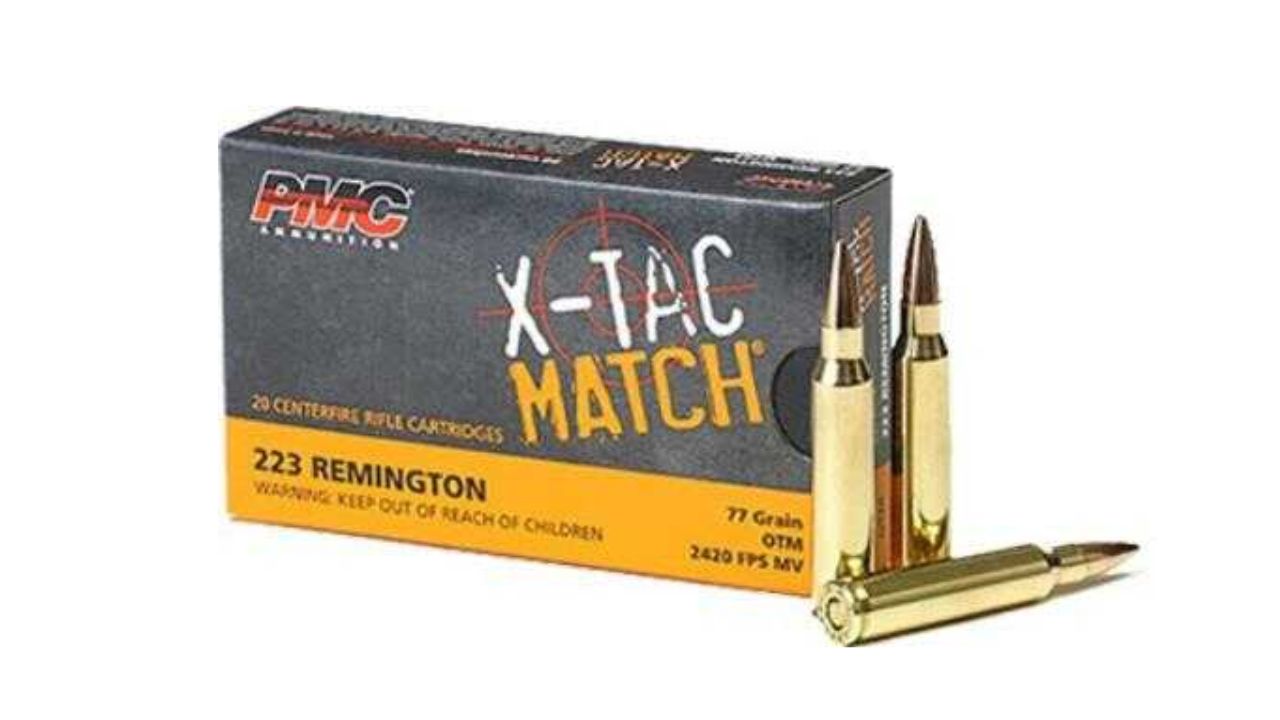
Light .223 bullets work well on coyotes and small predators, but when they hit a deer’s shoulder or upper leg bone, they tend to explode on impact. The construction is too thin to drive through heavy structure, and the velocity only accelerates the breakup.
When you use bonded or monolithic bullets, performance improves, but plenty of hunters still show up with cheap varmint loads that were never meant for big-game use. That’s when the caliber folds fast and turns clean kills into long, frustrating recovery jobs.
.22-250 Remington (varmint-loaded)

The .22-250 carries even more speed than the .223, which makes its thin-jacketed bullets fail even more dramatically when they touch bone. It’s devastating on soft tissue, but a hard shoulder hit causes the bullet to fragment violently and lose all penetration.
Hunters sometimes mistake speed for authority, but a lightweight bullet moving extremely fast doesn’t magically perform like a heavier controlled-expansion round. Unless you’re running a properly engineered bullet, bone will stop a .22-250 instantly.
.17 HMR
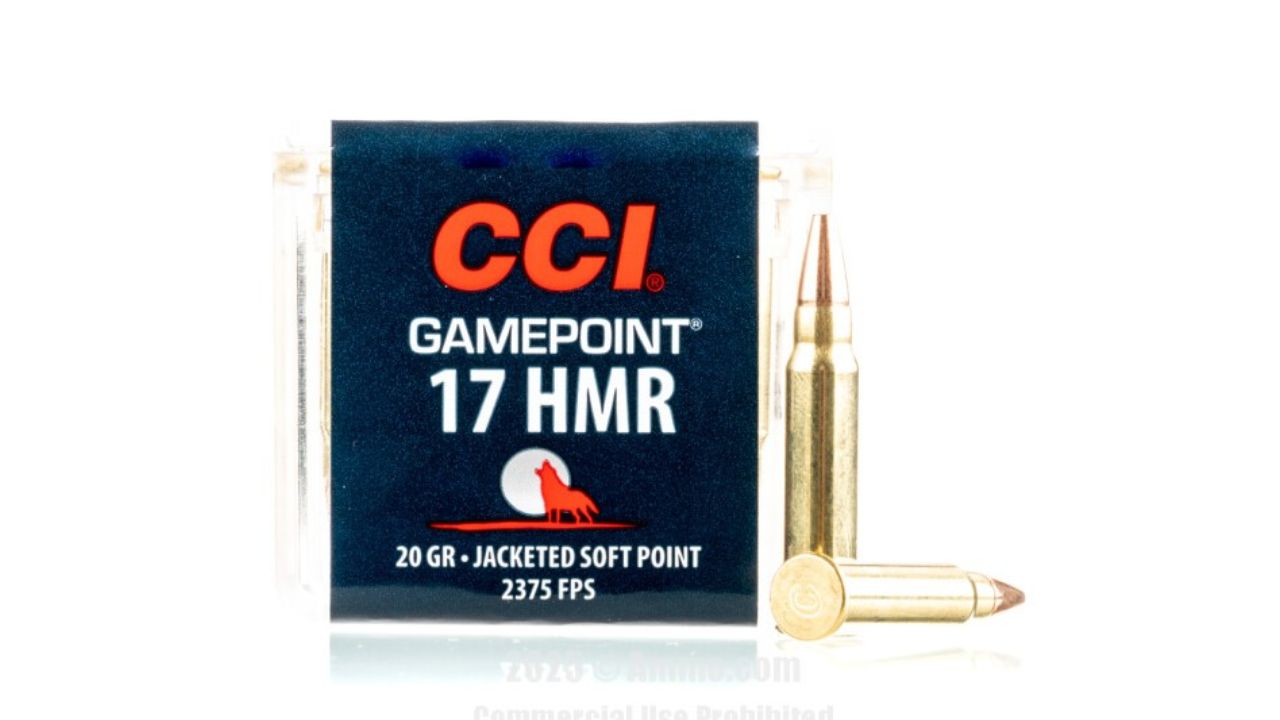
The .17 HMR should never be pointed at a deer, but every hunter has heard stories of someone trying it. Its tiny, frangible bullets can’t punch through anything tougher than a rib, and even then performance is inconsistent.
When the round meets bone, it shatters completely, leaving almost no penetration and no reliable wound channel. It excels for small game, but that’s where its usefulness ends. Using it on animals with real bone structure guarantees failure.
.204 Ruger

Fast, flat, and accurate—but built purely for lightweight varmint bullets. The .204 Ruger loses all integrity the moment it makes contact with a shoulder blade or leg bone. Those tiny, explosive projectiles are designed to transfer energy instantly, not push through dense structure.
On coyotes, it performs beautifully. On anything larger, it becomes unpredictable once the shot isn’t perfect. If you expect a .20-caliber pill to hold together when it hits bone, you’re setting yourself up for disappointment.
.30 Carbine (soft-point loads)
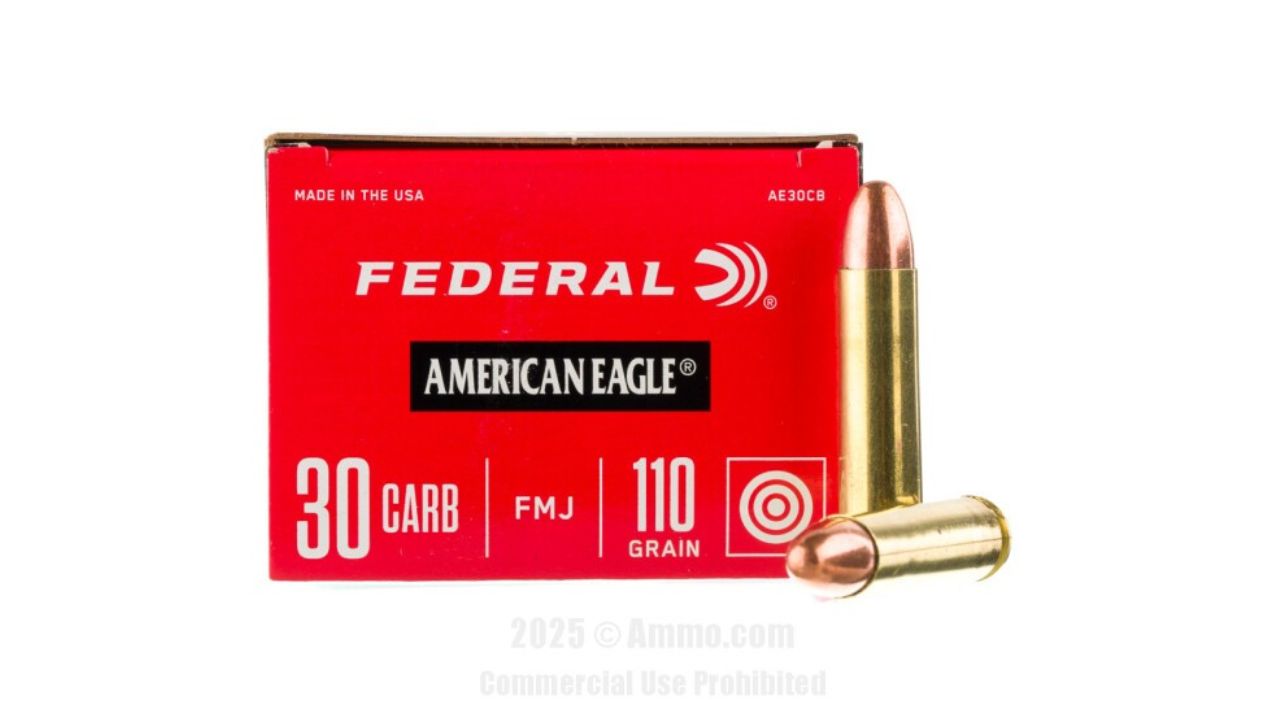
The .30 Carbine has enough energy for close-range deer hunting, but its soft-point bullets aren’t built to withstand heavy bone. They often mushroom too quickly, shed weight, and fail to reach vital organs when the shot isn’t tucked perfectly behind the shoulder.
It can work under ideal circumstances, but a quartering-to angle exposes its limitations quickly. Bone turns this caliber into a shallow-penetrating performer that many hunters misjudge because they assume the .30 designation means deeper penetration.
.357 Magnum (lightweight bullets)

Out of a rifle, the .357 Magnum can be a solid brush-country round, but only with heavy bullets. Lightweight loads often flatten or fragment when they hit shoulder bone on deer, giving unreliable penetration and poor blood trails.
Plenty of hunters grab whatever ammo is on the shelf, not realizing the huge performance swing between load types. If you choose bullet designs intended for expansion on smaller targets, bone will stop them cold.
.300 Blackout (supersonic soft points)

Supersonic .300 Blackout soft points can work at close range, but many offerings are too thinly constructed to handle shoulder bone on deer or hogs. They tend to expand too rapidly, lose weight, and fail to drive deeply enough.
The caliber shines with bonded or monolithic bullets, but most hunters don’t run those loads. If you rely on traditional soft points, you’ll see exactly why this round folds the second it meets bone under tougher angles.
7.62×39 (cheap soft points)
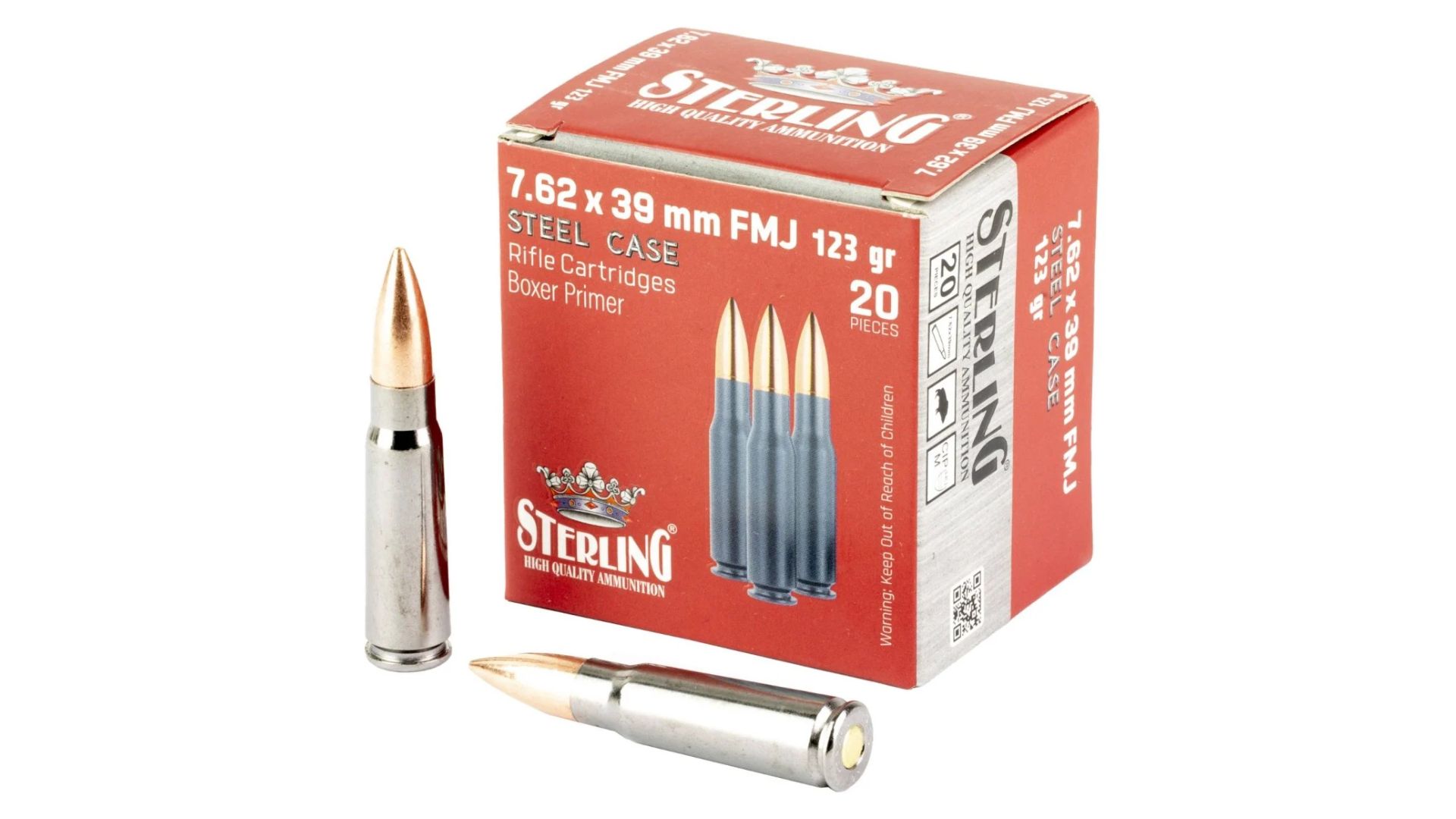
The 7.62×39 has taken plenty of deer, but inexpensive soft points often fold badly when hitting shoulder bone. Many budget loads use thin jackets that peel back instantly, dumping energy too early and giving shallow penetration.
With well-built bullets, the round is capable. But since so many shooters run the cheaper ammo, performance on bone is inconsistent. A hitting angle that a .308 or .30-06 would shrug off can bring the 7.62×39 to a stop.
.300 WSM (lightweight hunting bullets)

The .300 WSM is powerful, but that power becomes a liability when paired with light, thin-jacketed bullets. High velocity and soft construction lead to violent breakup on bone, especially inside 100 yards.
Hunters sometimes blame “meat loss,” not realizing the bullet is disintegrating on impact instead of driving through. With proper bullets it performs well, but too many factory loads prioritize expansion over structural integrity.
.243 Winchester (fragile loads)
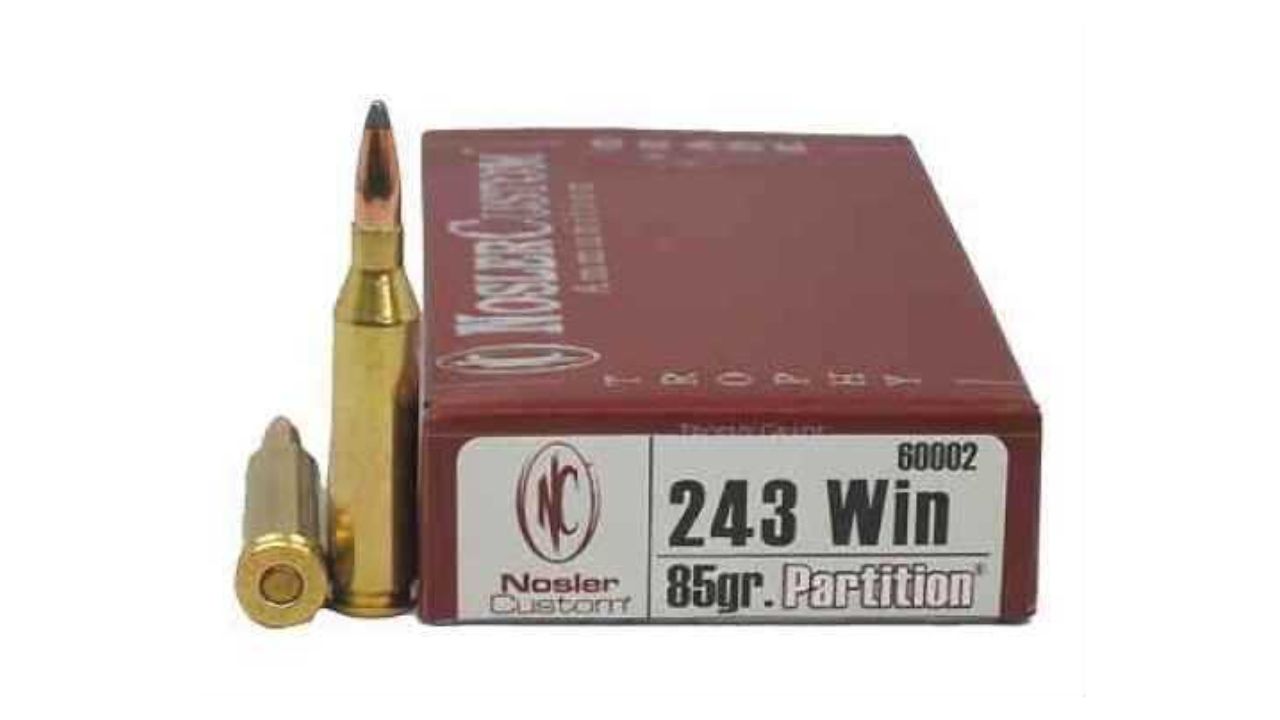
The .243 is a classic deer round, but it suffers when paired with light varmint bullets or overly soft hunting bullets. When these designs hit bone, they often blow up rather than penetrate, leaving little in the way of a reliable exit wound.
With controlled-expansion bullets, performance is excellent. But many hunters still shoot left-over coyote loads or bargain-bin soft points that fold instantly on shoulder impact. It’s a caliber that demands good bullet selection to avoid failure.
.25-06 Remington (high-velocity soft points)

The .25-06 pushes lightweight bullets extremely fast, and that velocity causes many traditional soft points to over-expand or fragment when they meet heavy bone. It can absolutely anchor deer, but angles involving shoulder bone expose its weak load choices.
Heavier bullets work better, yet plenty of hunters continue to use varmint-oriented designs. Those loads struggle to stay together when the shot isn’t perfect.
6.5 Grendel

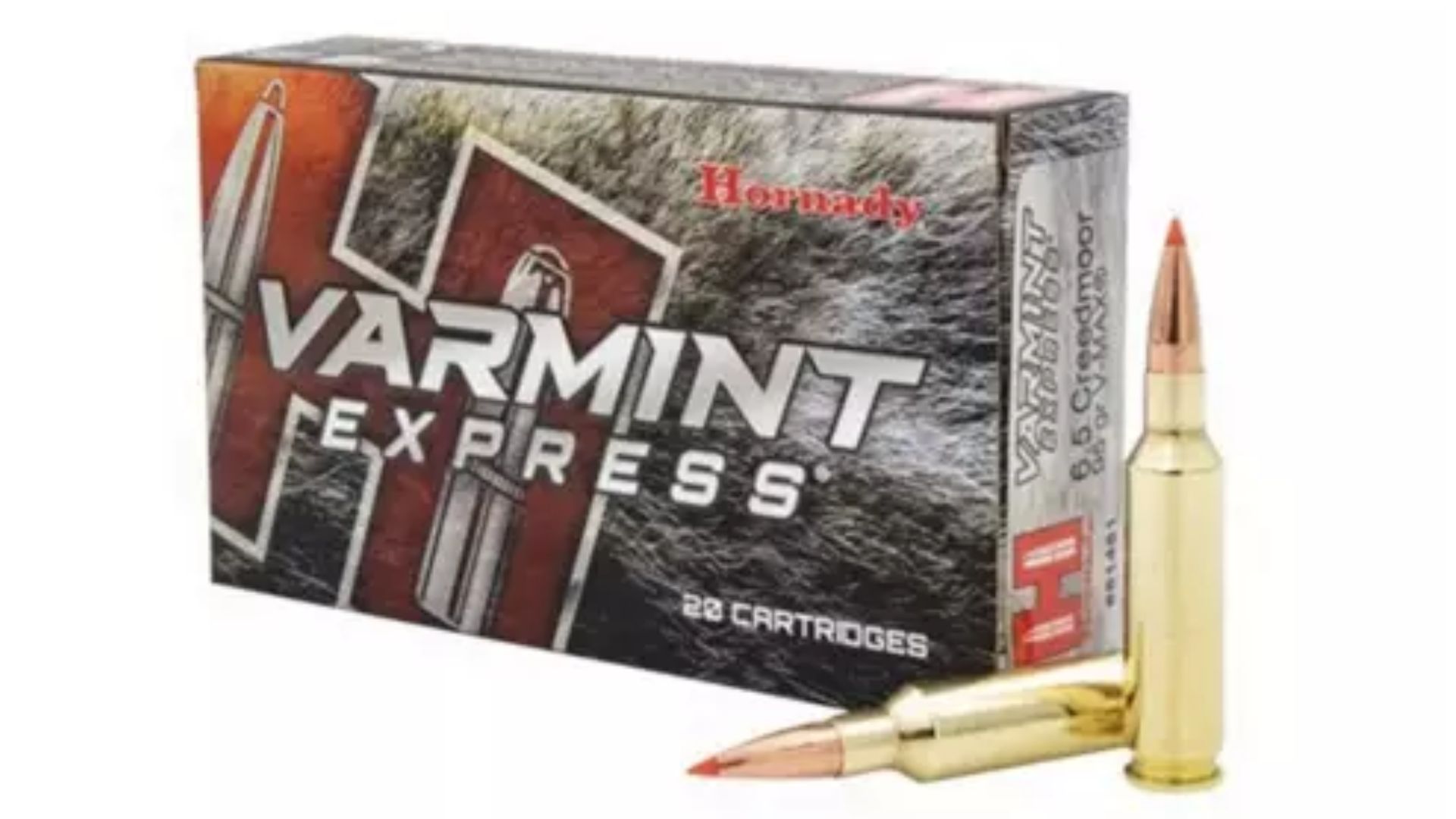
The 6.5 Grendel has become popular for its light recoil, but its relatively low velocity means many bullets are optimized for rapid expansion, not deep penetration through bone. These bullets can shed weight quickly and fail to break through shoulder structure on larger-bodied deer.
If you pair the caliber with bonded or monolithic designs, you’ll get better results. But with common cup-and-core loads, hitting bone often leads to shallow wounds and long tracking jobs.
.22 Hornet
The .22 Hornet is simply too limited in energy and bullet construction to perform reliably on animals with heavy bone. Even soft-point loads can’t hold together when meeting shoulder or leg bones. The round was never intended for medium game, and bone exposes that quickly.
It works for small predators at modest distances, but that’s where its effective use ends. Trying it on deer—or even larger hogs—is asking for bullet failure.
.40 S&W (from a carbine)

Some hunters use .40 S&W carbines for close-range deer, but most bullets are engineered for human targets, not bone. They often expand too fast, lose their structure, and fail to penetrate deeply enough when hitting shoulders or upper leg bones.
It can work when everything is ideal, but bone shows its limitations immediately. Without a bonded bullet, it’s a shallow-penetrating performer.
.45 ACP (from a carbine)
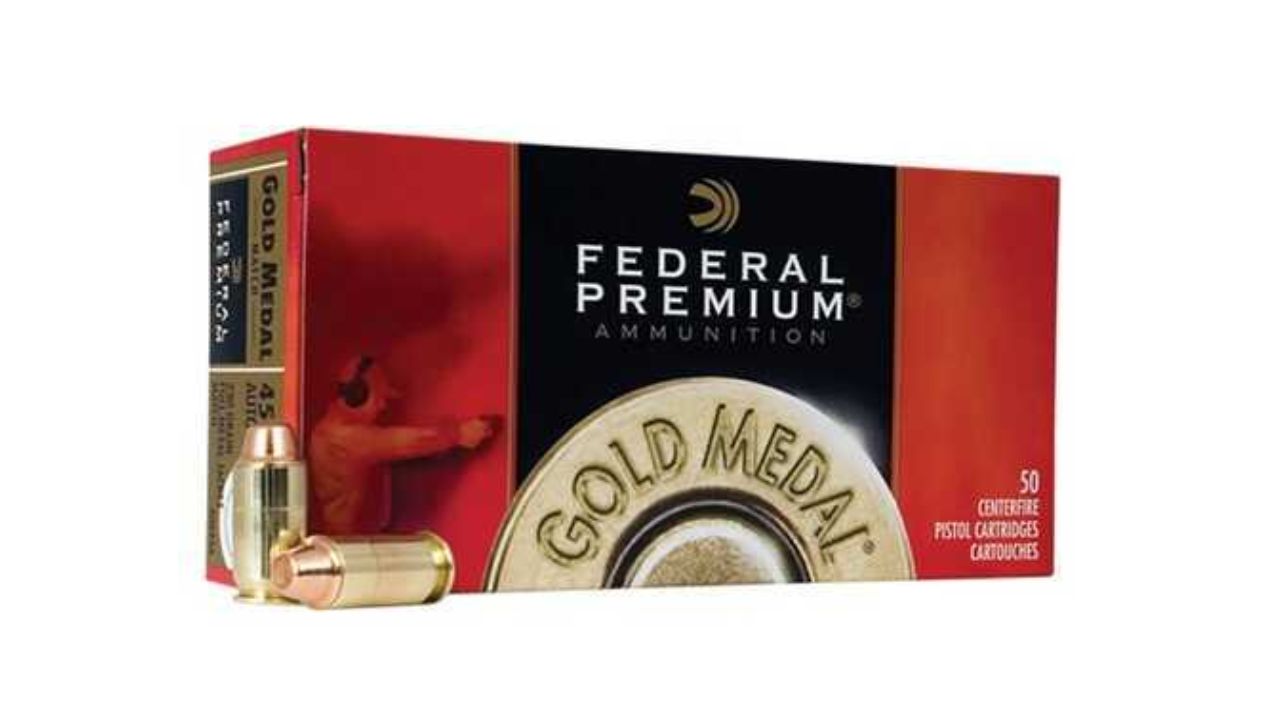
The .45 ACP is slow and heavy, but that doesn’t mean it handles bone well. Many loads are designed for controlled expansion in soft tissue, not for punching through the dense structure of a deer’s shoulder.
When the bullet meets bone, it can deform too quickly and lose momentum. Hunters using pistol-caliber carbines sometimes assume the wider bullet compensates for low velocity. Bone proves otherwise.
Like The Avid Outdoorsman’s content? Be sure to follow us.
Here’s more from us: