Photo credit: BigDaddyHoffman1911/YouTube
Some handguns earn a reputation long before the shooting community has enough time with them to see the cracks. On paper, they promise the world—dependability, rugged construction, and performance you can count on when things get tense. But once these pistols hit real ranges, holsters, and defensive roles, the stories begin to shift. You start hearing about failures to feed, wandering zeroes, parts wearing out too quickly, or guns that simply don’t behave the same once they’ve seen a little dirt or cold weather.
These are the handguns that talk a big game but consistently fall short when shooters need reliability the most.
Kimber Solo

The Kimber Solo arrived with big promises and premium branding, but it quickly earned a reputation for being picky with ammunition. Unless you fed it specific, hotter loads, the pistol struggled with feeding and cycling. Even then, performance varied from gun to gun.
Its small size made it attractive for concealed carry, yet many shooters found themselves clearing malfunctions far more often than they expected. The Solo’s tight tolerances and sensitivity to ammo kept it from ever becoming a dependable everyday option, no matter how nice it looked or felt in the hand.
Remington R51 (Gen 1)

The first-generation R51 was marketed as a modernized revival of a classic design, but the launch was plagued with issues. Many owners experienced failure-to-feed, failure-to-fire, and even out-of-battery firing concerns. Reports stacked up so quickly that Remington recalled the entire production run.
Even after the redesign, trust never fully returned. Shooters remembered how inconsistent the early models were, and how unpredictable the gun felt under recoil. When a pistol’s reliability becomes a question mark from day one, it’s tough to convince experienced shooters to try again.
Taurus PT140 Millennium (early models)
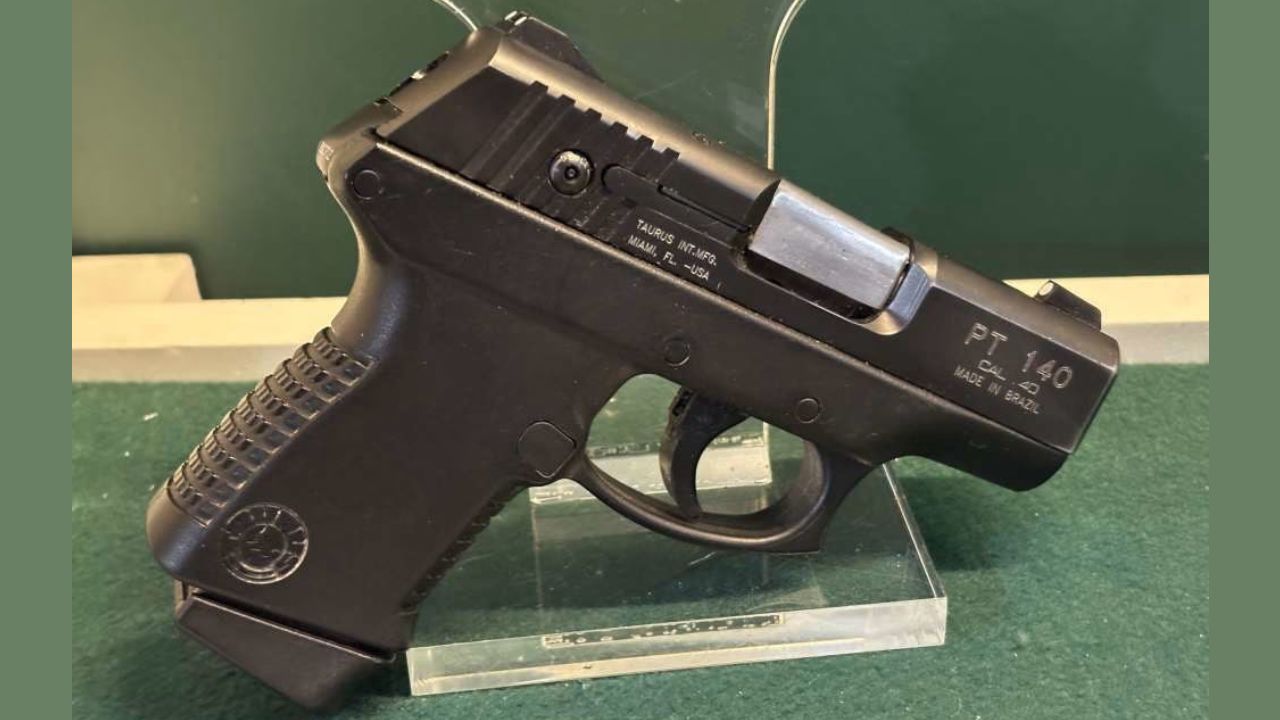
Early PT140 Millennium pistols gained attention for their compact size and affordability, but their reliability record was rocky. Many shooters experienced light strikes, feeding hiccups, and extractor issues right out of the box.
As the round count climbed, the problems often got worse instead of settling in. While later Taurus models improved significantly, the early PT140 runs left enough headaches behind that many shooters simply moved away from the platform. A defensive pistol only earns trust through consistency, and these early models rarely offered that.
SIG Sauer P238 (with certain early extractors)

The SIG P238 became popular fast, but not all early runs performed the same. Certain extractor designs had trouble maintaining tension, which led to inconsistent ejection and stoppages, especially with defensive ammunition.
Most shooters who ran into these problems experienced them early in ownership, and the pistol never fully earned their confidence. Later revisions improved the design, but those initial batches still linger in the market. When you’re carrying a small pistol for real defensive use, inconsistent extraction is an issue you can’t overlook.
Smith & Wesson Bodyguard .380 (early production)

The early Bodyguard .380 models suffered from occasional light strikes and cycling issues that frustrated many first-time carriers. The integrated laser also caused reliability concerns when screws backed out or components shifted under recoil.
For a pistol designed to be simple and trustworthy, the inconsistency disappointed a lot of shooters. Later refinements helped, but the early guns created skepticism that still follows the model. When a pocket pistol doesn’t go bang every time, it’s tough to recommend with confidence.
Kahr PM9 (with certain magazines)

The PM9 is known for its slim profile and shootability, but some early owners experienced feeding issues tied directly to magazine design. Weak springs and inconsistent feed angles led to nose-dives and failures to return to battery.
Kahr updated components over time, but many older mags are still in circulation, and reliability can vary widely because of that. When a gun depends heavily on magazine condition to run well, shooters who carry it daily learn quickly that confidence can fade if the mags aren’t perfect.
Colt 2000 All American
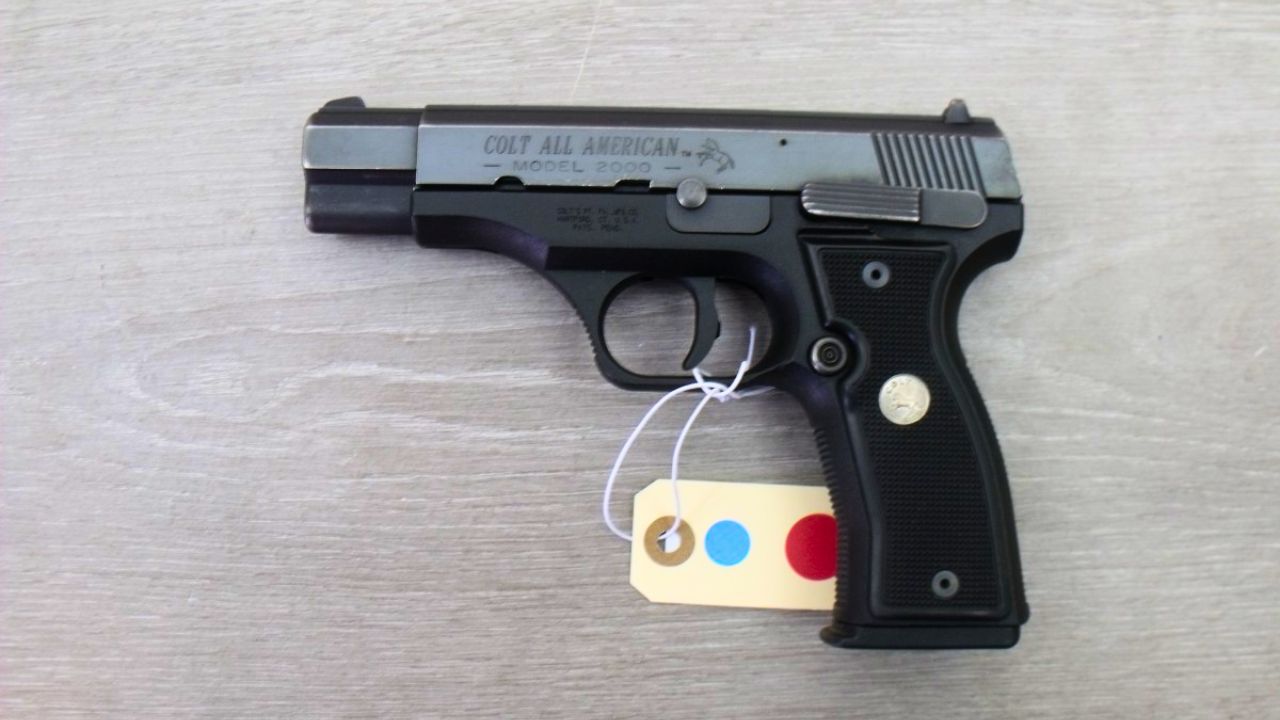
The Colt 2000 carried big expectations due to the brand behind it, but its track record didn’t match the hype. Shooters reported erratic trigger behavior, uneven cycling, and occasional reliability hiccups that never seemed fully resolved.
Its complex internal design made maintenance challenging, and many found that even minor fouling led to noticeable performance drops. Colt discontinued the pistol not long after launch, leaving it with a reputation for never delivering the reliability it promised on paper.
SCCY CPX-1 (early safety design)
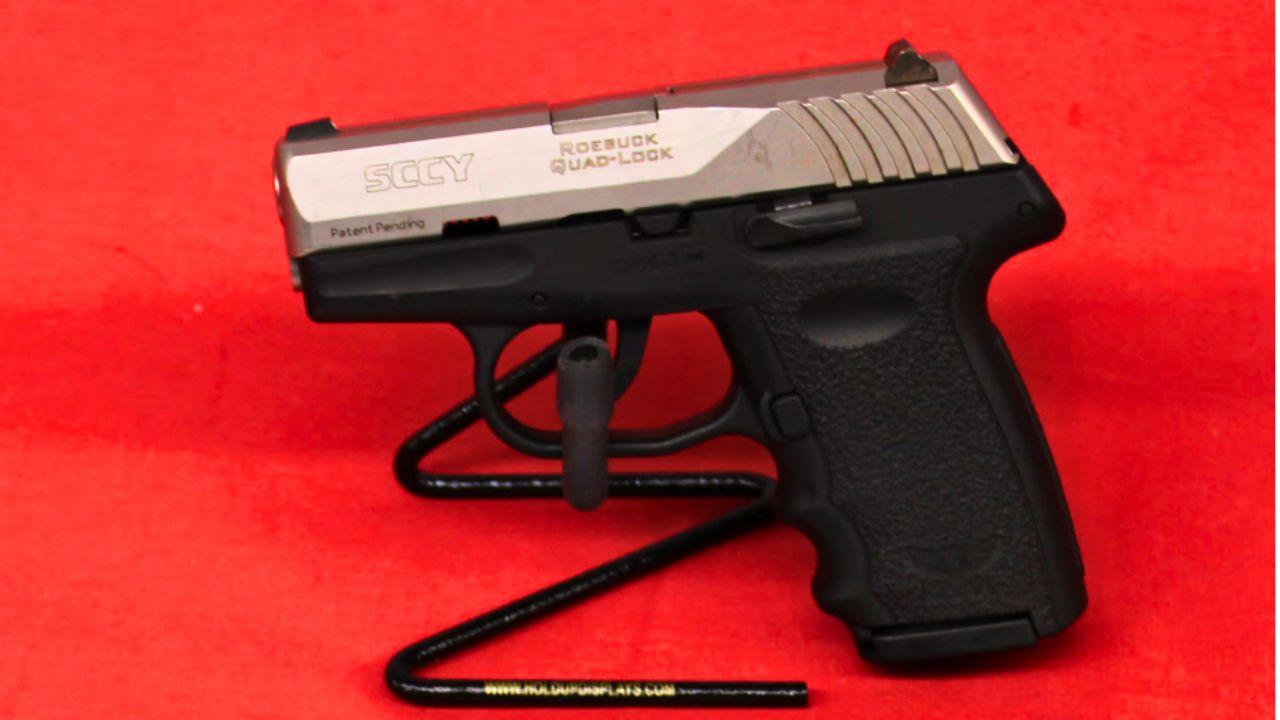
The first-generation CPX-1 included an external safety that caused more issues than it solved. Some users experienced unintended engagement under recoil, leading to sudden stoppages mid-string. Combined with occasional extractor issues, the pistol struggled to build confidence.
SCCY later addressed many of these problems, but early models still surface on the used market. If you carried one without knowing its quirks, you could easily end up clearing malfunctions at the worst possible time.
Walther CCP (original gas-delayed version)
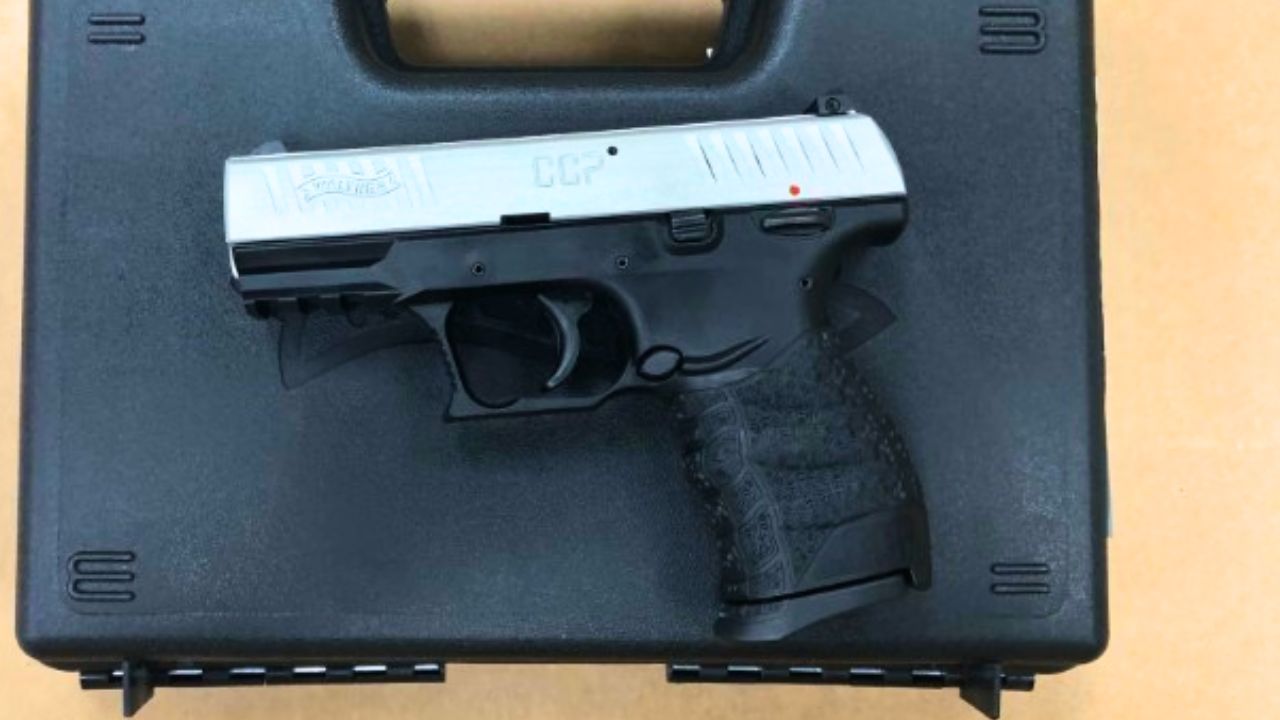
The original CCP used a gas-delayed system that was softer-shooting but far more complicated than most striker-fired pistols. Heat retention, sluggish cycling, and difficult takedown procedures all contributed to reliability complaints.
Some shooters experienced failures when the gun warmed up after extended strings, especially with low-powered ammo. Walther eventually redesigned the pistol into the CCP M2, but the original version left behind a trail of shooters who never felt comfortable trusting it.
Remington RP9
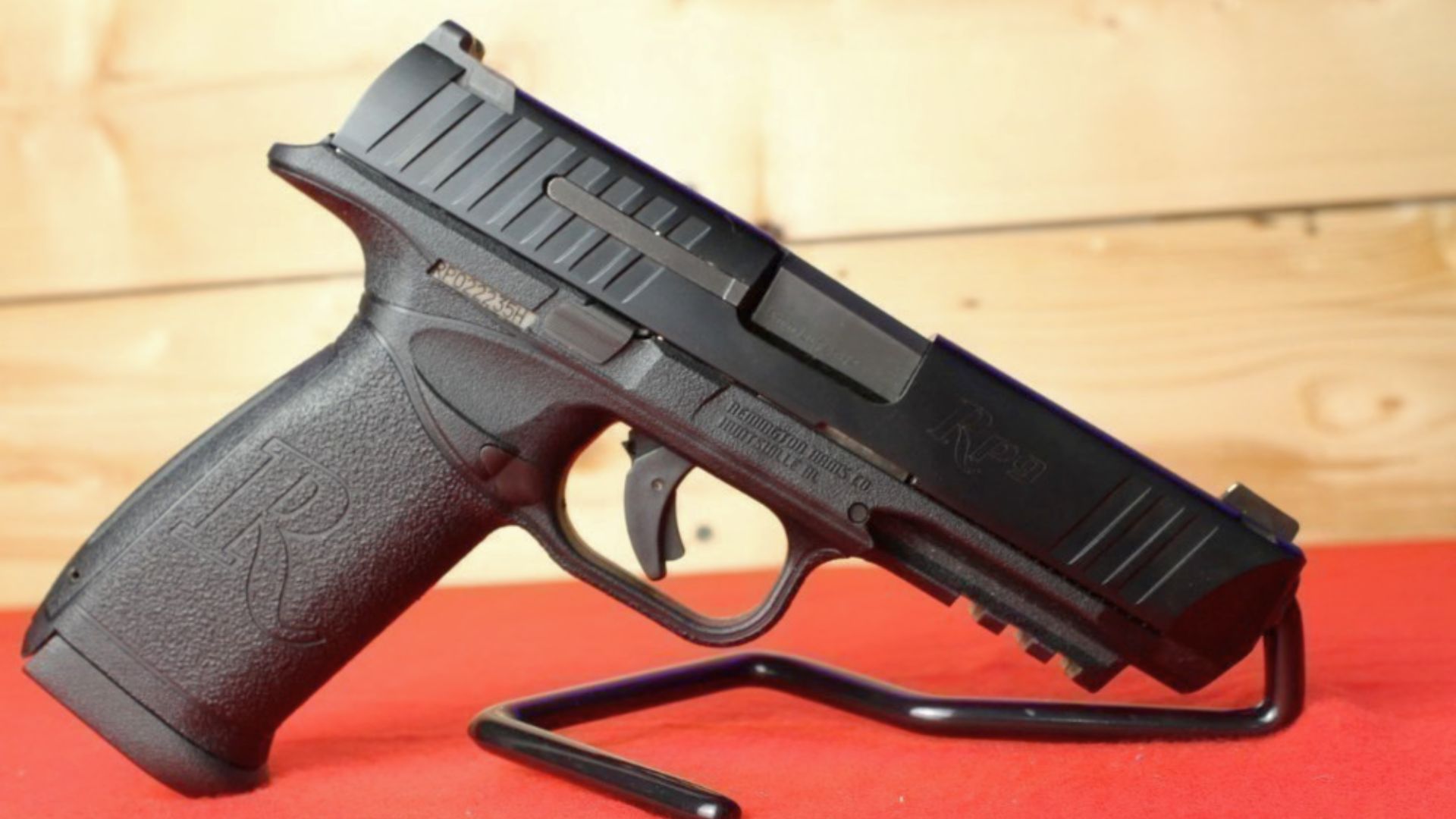
The RP9 targeted budget-conscious shooters, but early runs had their share of reliability concerns. Feeding problems, inconsistent ejection, and occasional failures after light fouling all showed up in user reports.
Even though the pistol offered good ergonomics, many shooters simply couldn’t depend on it for carry or duty use. Once reliability becomes the defining issue of a polymer handgun, it’s difficult for it to regain trust—especially when competing in a crowded market.
KelTec PF-9

The PF-9 carved out a niche as a lightweight single-stack 9mm, but it demanded perfect technique and ammunition selection to run smoothly. Many owners dealt with failures to feed, double-feeds, and occasional premature wear on internal components.
Its slim design made it attractive for deep concealment, yet the compromise in durability and reliability made it tough to trust. A defensive gun shouldn’t require constant tinkering or ammo experimentation to behave consistently.
Magnum Research Micro Desert Eagle
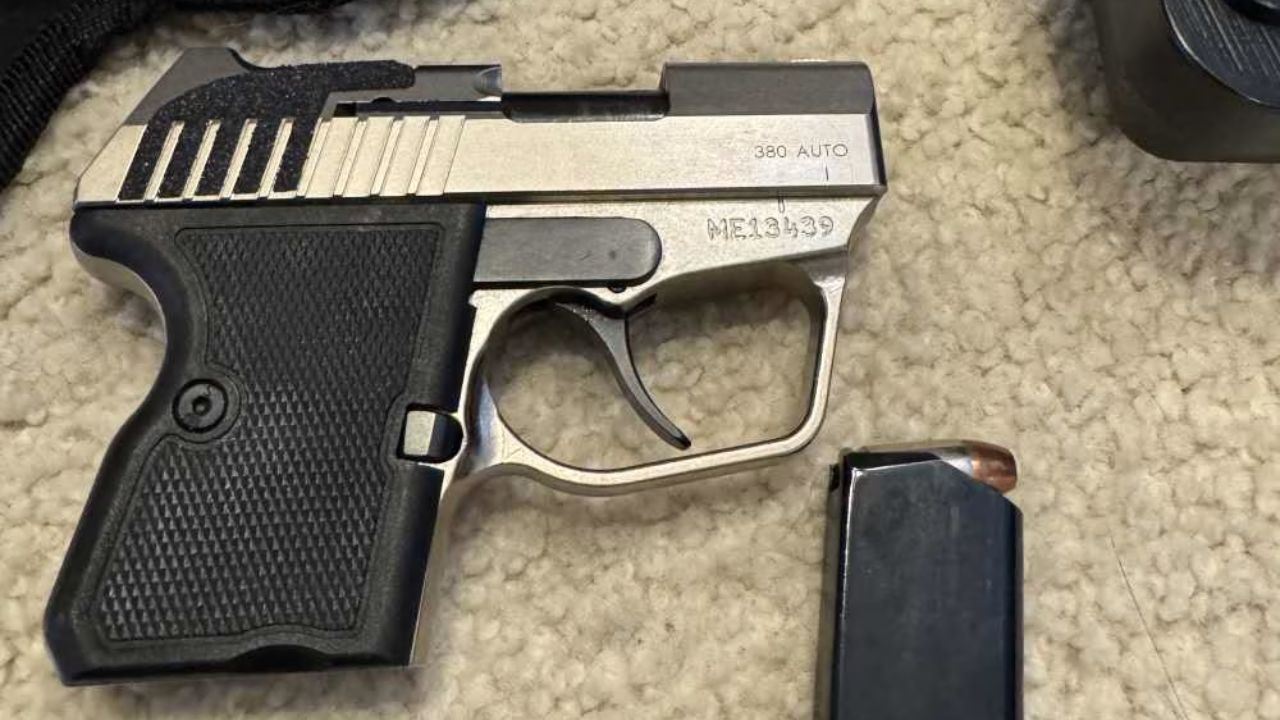
This compact .380 carried big branding but had issues that kept it from becoming widely trusted. Stiff springs, tight tolerances, and snappy recoil led to failures in the hands of many shooters, especially those with less experience.
The gun required a firm grip and flawless ammo selection to run reliably. Even then, some examples struggled with consistent extraction. For a pistol advertised as a dependable pocket option, the reliability bar was never consistently met.
SIG Sauer Mosquito
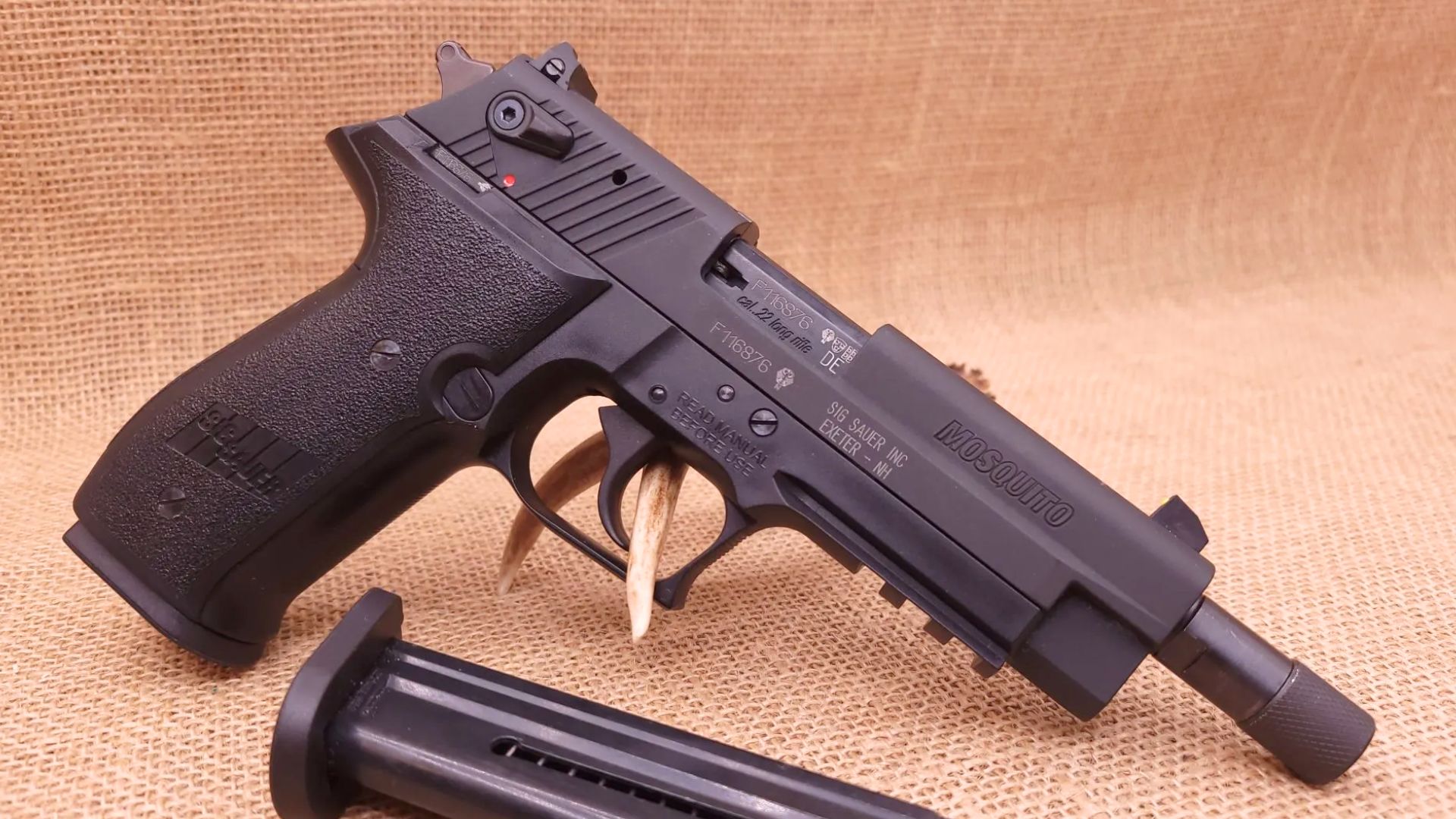
The Mosquito looked like a scaled-down SIG classic, but reliability problems overshadowed everything else. Its design required high-velocity .22 LR ammunition to run, and even then, malfunctions were common until the pistol was well broken in.
For new shooters, this created frustration and doubt. A .22 LR pistol should build confidence, not undermine it. The Mosquito eventually faded as shooters realized there were far more reliable rimfire options on the market.
Beretta Nano

The Nano aimed to compete with other slim 9mm carry guns, but many early owners dealt with failures to eject—especially with weaker or bulk-pack ammunition. Its slide mass and recoil system didn’t play well with lighter loads, and reliability shifted depending on what you fed it.
Some shooters had trouble maintaining a consistent grip due to the slick frame texture, which made the pistol even less predictable. Beretta eventually moved on to newer designs, leaving the Nano with a mixed legacy.
Honor Guard HG9SC (early drop-safety concerns)
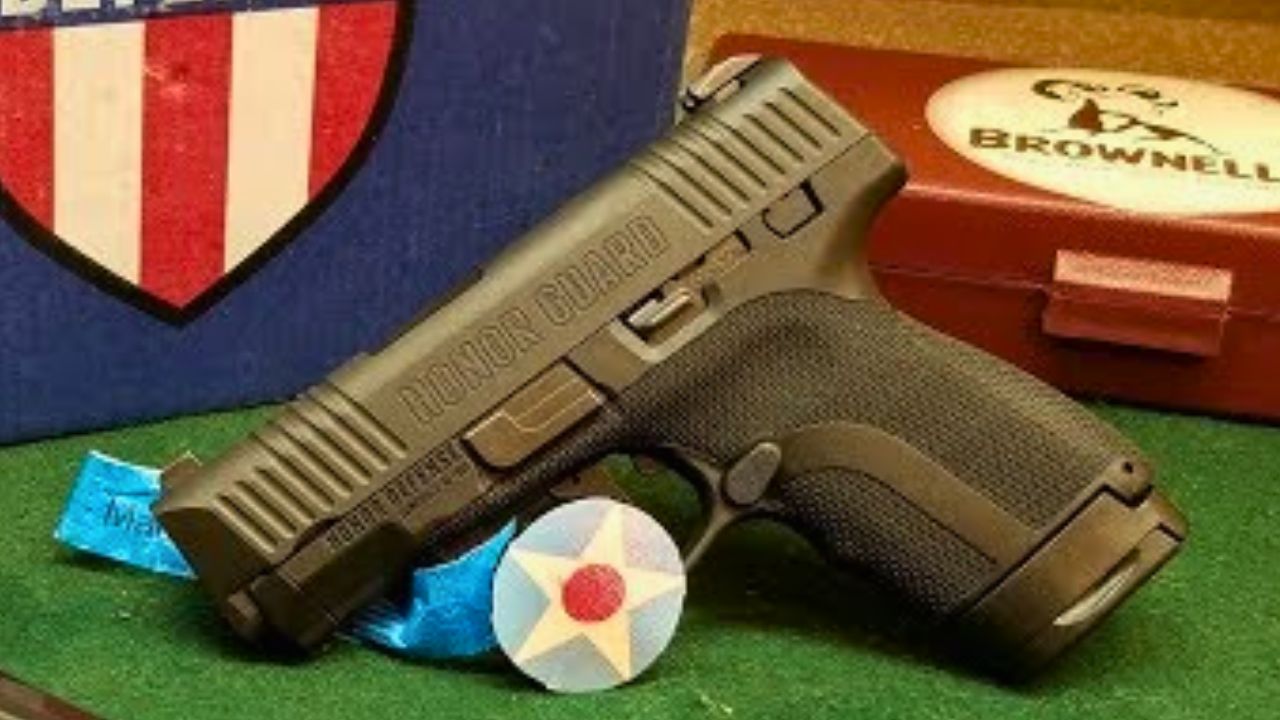
The HG9SC earned initial praise for its ergonomics, but early testing raised concerns about drop safety. Videos showed the pistol firing when struck at certain angles, which quickly overshadowed everything else about the design.
Even though the company addressed the issue, the reliability question hung around. When a carry pistol shows any vulnerability that affects safety or ignition consistency, shooters move on quickly. Confidence is hard to rebuild once doubt settles in.
Like The Avid Outdoorsman’s content? Subscribe to our newsletter so you never miss an article.
Here’s more from us: