Photo credit: Just dance/Shutterstock.com
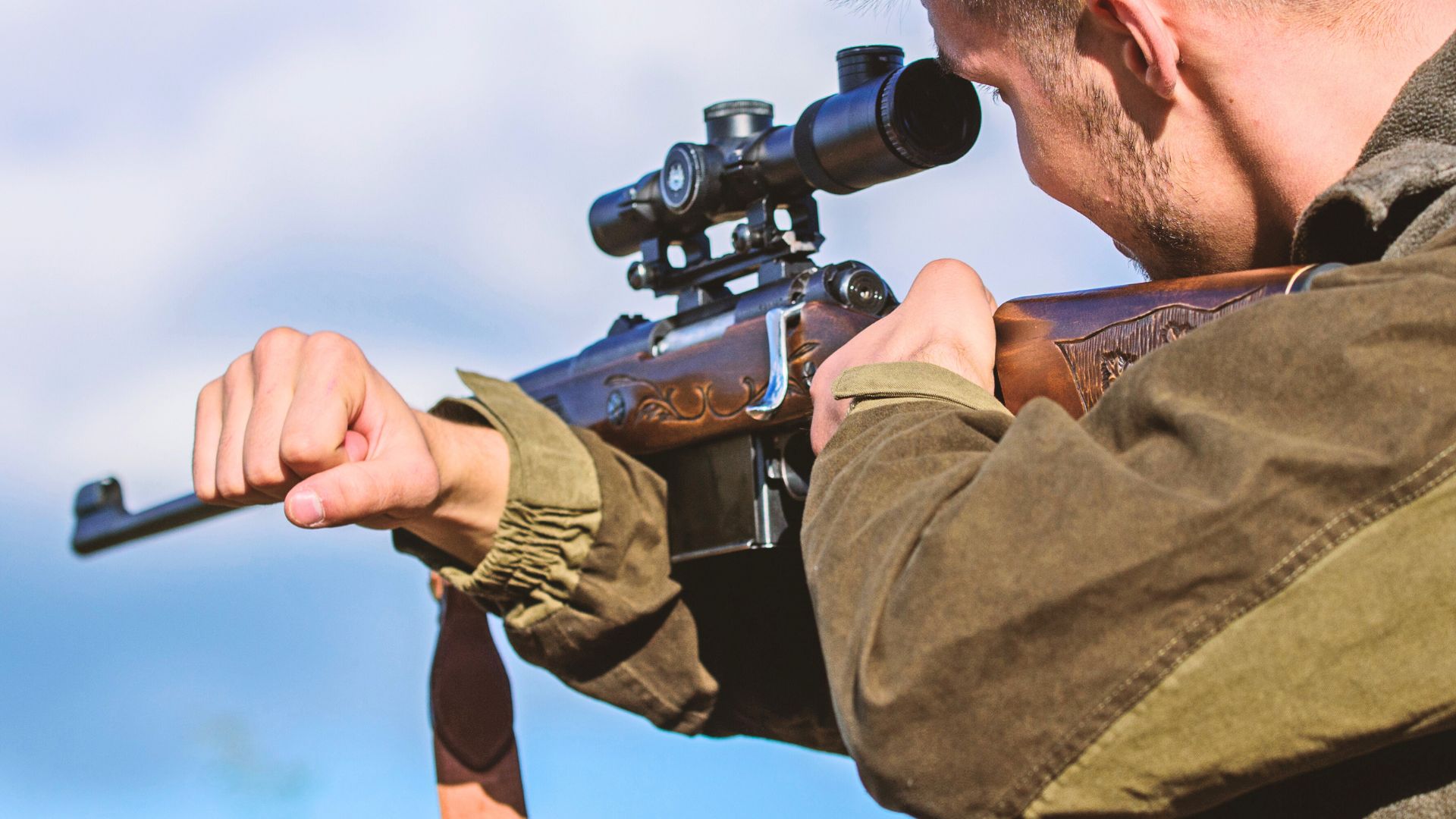
Every hunter’s made the mistake once—thinking they’d “try something new” at the bench, only to end the day with a sore shoulder, ringing ears, and zero confidence in their setup. Some calibers look great on the box, promising power, range, and accuracy, but they punish you before you ever make it to the field. Others are so finicky that sighting in becomes a chore of chasing wandering groups. These are the cartridges that make even experienced shooters mutter, “Why did I do this to myself?” halfway through a box.
Sighting in should build trust between you and your rifle, but these rounds do the opposite. They rattle scopes loose, bruise shoulders, and waste ammo faster than you can say “last adjustment.” Whether it’s excessive recoil, erratic accuracy, or ammo costs that make every trigger pull sting, these calibers are the ones you’ll only sight in once before swearing off them for good.
.300 Remington Ultra Magnum

The .300 RUM looks great in ballistics charts—flat trajectory, massive energy—but behind the bench, it’s misery. The recoil hits like a sledgehammer, especially in lighter hunting rifles. After three shots, your shoulder feels it, and after five, your accuracy starts to fade simply from flinching.
Even seasoned shooters struggle to keep consistent groups when each pull feels like punishment. The cartridge burns through powder, heats barrels fast, and costs enough that you think twice about every shot. In theory, it’s perfect for long-range elk hunting. In practice, sighting one in is more endurance test than precision exercise. Once you’ve endured that first range day, most hunters move on to something more civilized that doesn’t leave them sore for days.
.338 Lapua Magnum

The .338 Lapua Magnum is a powerhouse designed for extreme-range shooting, not casual sighting in at your local range. Its recoil, even in heavy rifles, can be brutal. You’ll feel it through your shoulder and even in your cheek weld. Every trigger pull is an event, and after a few rounds, you’ll find yourself dreading the next one.
The Lapua’s precision potential is undeniable, but you need a rifle built to handle it—and a shooter willing to endure the punishment. It burns barrels quickly and costs more per round than most people want to admit. For hunters, there’s rarely a practical reason to suffer through it. Unless you’re taking 800-yard shots in open country, there are better ways to spend your range time—and your money—without ending the day bruised and broke.
.375 H&H Magnum

The .375 H&H Magnum is legendary for dangerous game, but sighting one in feels like wrestling a bear before you’ve even left camp. The recoil is fierce, and unless your rifle fits you perfectly, it’s a miserable experience. Every shot rattles your teeth and loosens screws that weren’t even supposed to move.
Most hunters who own one only fire a few rounds each year to confirm zero—and that’s all they can stand. The cartridge is fantastic for large, tough animals like Cape buffalo, but at the range, it punishes more than it teaches. Its power comes at the cost of comfort, and unless you need it for Africa or Alaska, most hunters realize too late that it’s simply overkill for anything else.
.45-70 Government (in Lightweight Rifles)

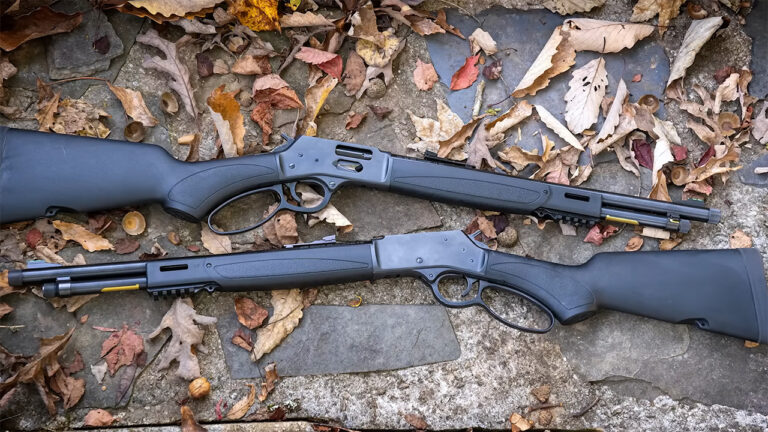
The .45-70 Government has a devoted following, but in lightweight lever guns, it can be downright nasty to sight in. With full-power loads, the recoil is abrupt and punishing. After a few shots, accuracy suffers because your shoulder’s begging for mercy.
It’s a cartridge that rewards experience and patience but punishes casual shooters. The big bullets hit hard on both ends, and muzzle rise can make quick follow-ups difficult. In heavier rifles, it’s manageable and even fun—but those trimmed-down hunting models make every box of ammo feel like a workout. Most hunters learn the hard way that if you want to enjoy the .45-70, you’d better add weight or reduce your loads. Otherwise, you’ll spend more time nursing bruises than printing groups.
.338 Winchester Magnum

The .338 Win Mag has all the power you could want for elk and moose, but sighting one in without a brake or pad is punishment. It’s not the worst recoil in the world, but it’s sharp enough to develop a flinch before the first box is empty. The muzzle blast adds insult to injury, making it a round you don’t enjoy shooting from a bench.
Accuracy is solid, but staying consistent under that recoil takes practice most hunters don’t have time for. By the time your rifle’s dialed in, your shoulder is cooked and your concentration’s long gone. It’s one of those calibers that performs beautifully once it’s zeroed—but getting there is an ordeal most people only want to endure once.
.416 Rigby
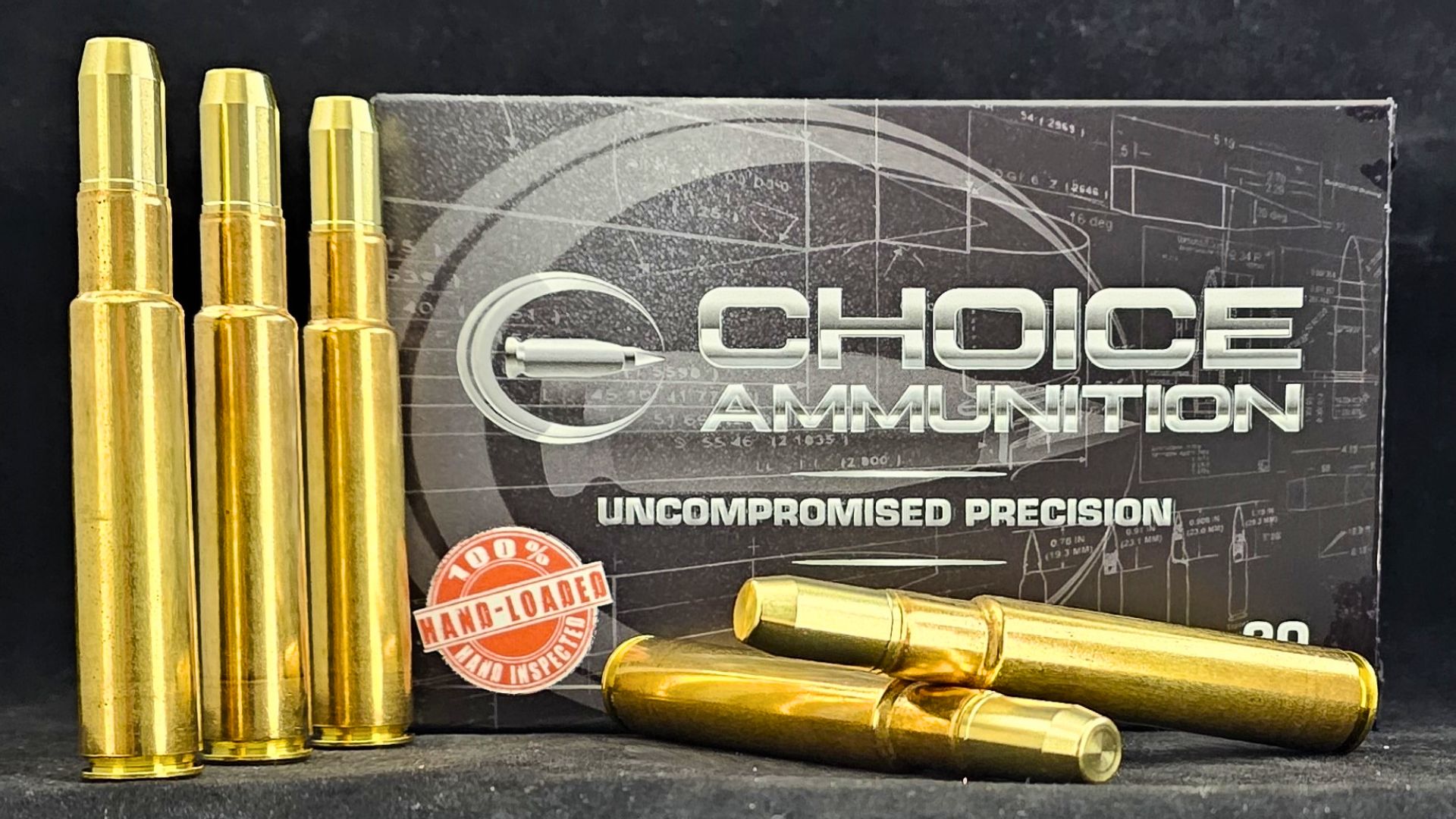
The .416 Rigby is meant for big, dangerous game—and it acts like it every time you pull the trigger. The recoil is fierce, the report deafening, and the ammunition expensive enough that every shot feels like a small investment. Sighting it in isn’t about precision; it’s about surviving each round without developing a flinch.
The rifle’s size and weight help a little, but not enough to make it pleasant. Hunters who use it for Africa accept that it’s part of the job, but for everyone else, it’s an eye-opener. The cartridge performs flawlessly on buffalo and big bears, but for sight-in sessions back home, it’s overkill in every sense. Most shooters never forget the first day they sighted one in—because they only do it once.
.300 Weatherby Magnum
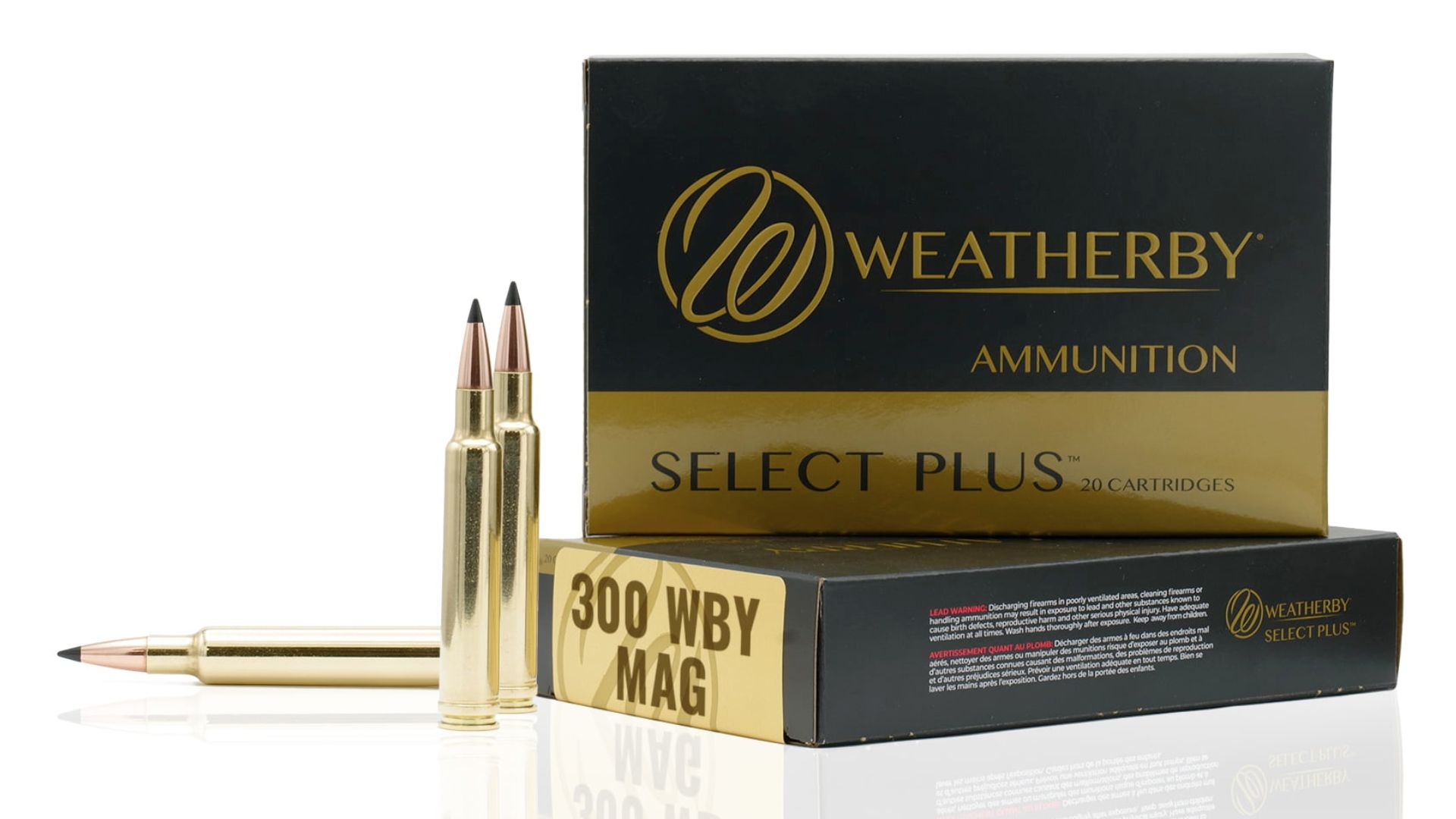
The .300 Weatherby Magnum delivers blistering speed and long-range performance, but it’s notorious for harsh recoil and muzzle blast. It’s a cartridge that seems to punish you for trying to master it. The Weatherby case burns a huge amount of powder, producing violent recoil that makes extended sight-in sessions miserable.
Accuracy is excellent—if you can shoot it well—but few can stay consistent through an entire box. The blast alone is enough to rattle your concentration, and without a brake, it’s a punishing experience. Hunters who buy one for the ballistics often end up switching to milder .30-calibers after realizing that “Weatherby velocity” costs more than money—it costs comfort and confidence.
.458 Winchester Magnum
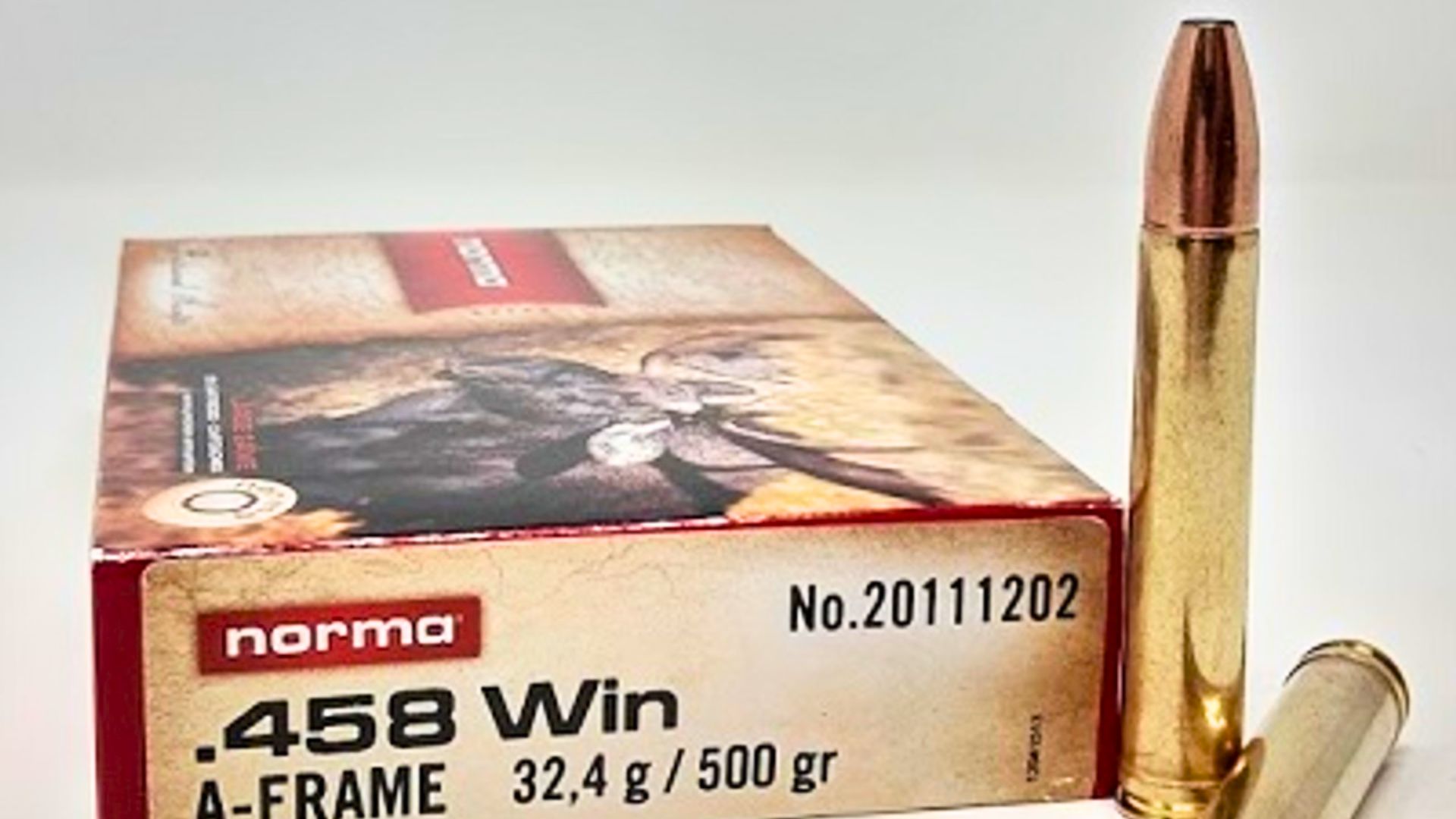
The .458 Win Mag is an incredible cartridge for stopping dangerous animals up close—but sighting it in at the bench feels like a mistake. Every shot delivers a jolt that can leave bruises or even headaches. The muzzle blast shakes the air, and few scopes survive long without creeping in their mounts.
For most hunters, there’s simply no practical reason to endure that kind of punishment. It’s designed for professional hunters or those chasing game that can fight back. In any other context, sighting it in feels excessive. You can admire its raw power—but after a few shots, you’ll be ready to call it good and move on to something that doesn’t rearrange your shoulder.
.270 Winchester Short Magnum

The .270 WSM promises flatter shooting and more velocity than the classic .270, but it’s a cartridge that brings unnecessary recoil to the table. It’s snappy, loud, and doesn’t offer enough improvement over standard .270 loads to justify the punishment.
Hunters expecting easy accuracy find that the short, fat case can be picky with loads. Factory ammo is expensive and inconsistent between brands. Sight-in sessions quickly become frustrating as groups wander or recoil fatigue sets in. For a cartridge that was supposed to “modernize” a classic, it delivers more pain than performance. Many hunters try it once, appreciate its numbers, then go right back to their original .270 and wonder why they ever switched.
7mm Remington Ultra Magnum
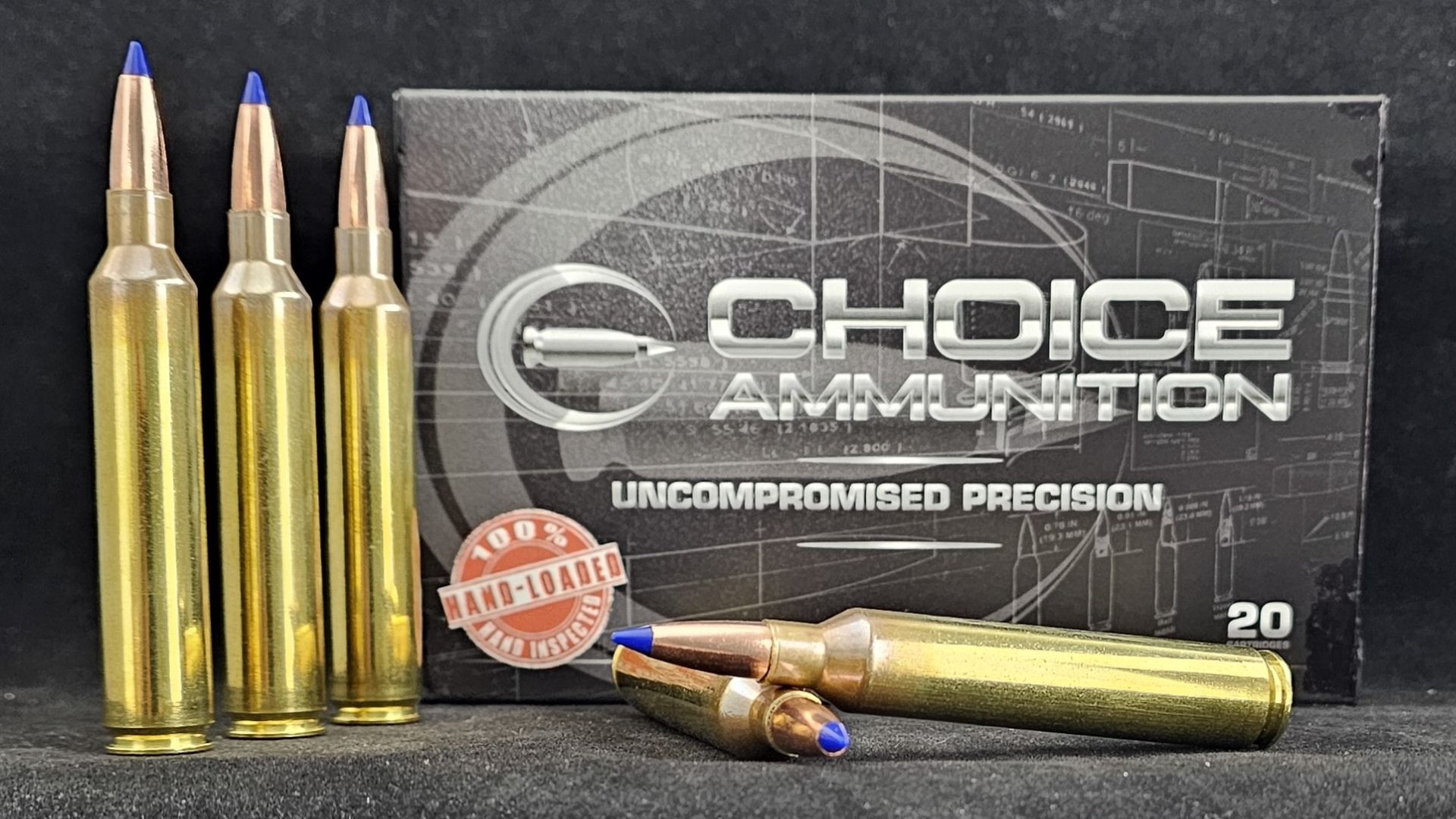
The 7mm RUM was built for extreme velocity, but that comes with brutal recoil and barrel heat that makes extended sight-in sessions tough. After just a few rounds, the barrel warms enough to affect accuracy, and recoil fatigue sets in fast.
While the cartridge shines at long range, the average hunter gains little from the extra punishment. It’s overbore, overpowered, and overkill for most game. Hunters who chase precision spend more time letting their rifles cool than actually shooting. By the time you’re zeroed, you’ve burned a lot of expensive powder and patience. It’s one of those rounds that looks impressive on paper but beats you down in practice.
.300 Winchester Magnum

The .300 Win Mag is one of the most popular big-game calibers, but it’s also one of the most regretted when sighting in. Without a brake or pad, it’s sharp and jarring, and even experienced shooters start to flinch after a handful of rounds. Accuracy is excellent—but only if you can maintain focus through the recoil.
Barrel life isn’t long, ammo’s pricey, and it punishes poor form like no other. Hunters love its field performance but hate the process of getting there. It’s a great hunting round, but you’ll pay for every click of that scope turret with a sore shoulder and ringing ears.
.340 Weatherby Magnum
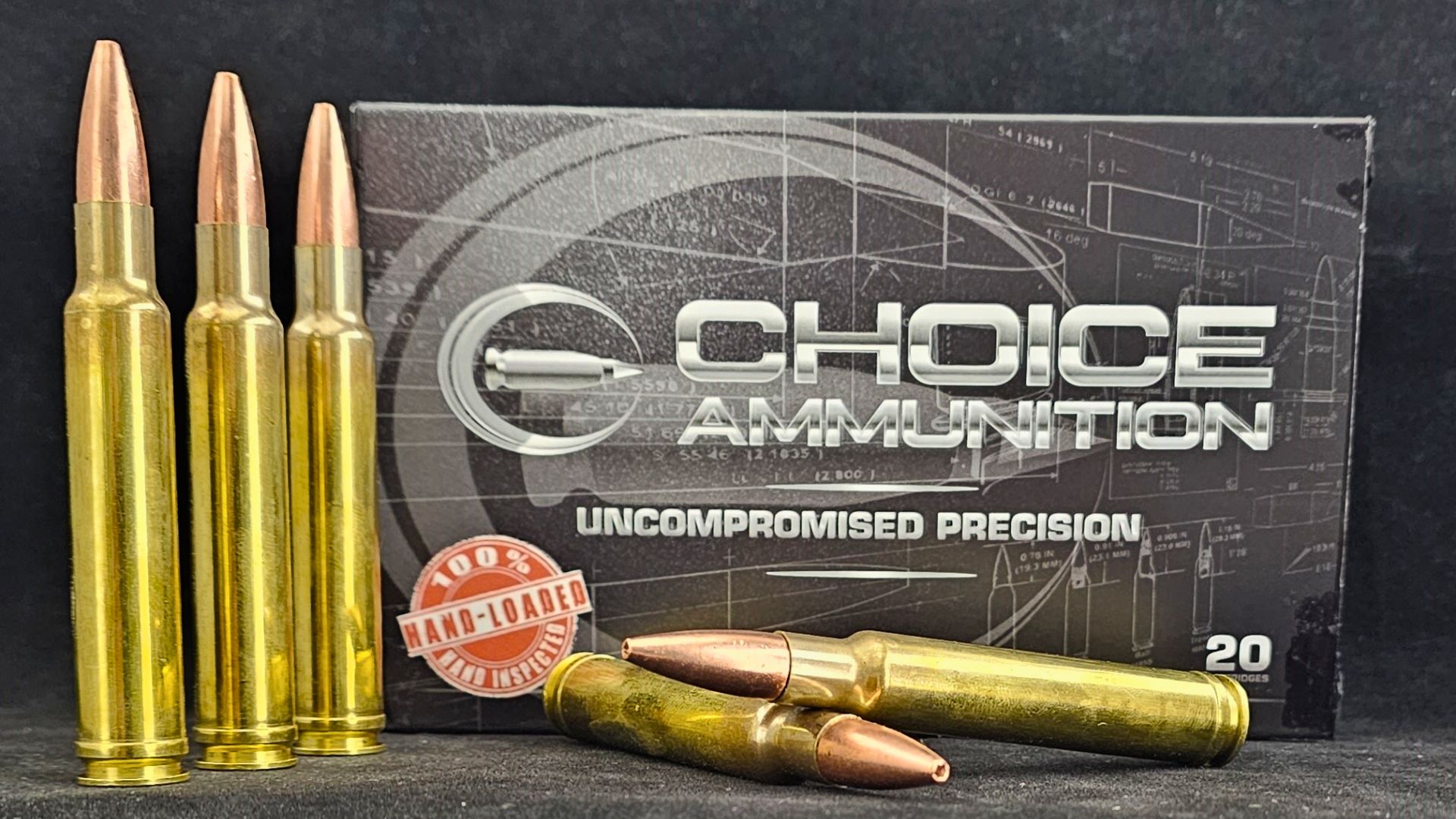
The .340 Weatherby Magnum is the definition of diminishing returns. It pushes .338 bullets faster, hits harder, and punishes more severely. The recoil is vicious, and the muzzle blast can rattle anyone on the firing line. Sighting it in requires a sturdy bench and stronger nerves.
It’s too much rifle for most hunts, and few shooters can handle it well enough to justify the added velocity. After a few shots, groups start to open simply because you don’t want to pull the trigger again. It’s a powerhouse, but one that teaches a painful truth—more speed isn’t always worth the price in recoil and fatigue. Most hunters who own one know it: sighting it in once was enough.
*This article was developed with AI-powered tools and has been carefully reviewed by our editors.