Photo credit: Okyela/Shutterstock.com
Every hunter’s been there—you buy a few boxes of factory ammo that promise accuracy, knockdown power, and tight groups, then spend an afternoon at the range wondering why you fell for it. Not all loads live up to the hype, and some are memorable for all the wrong reasons. Between inconsistent velocities, poor bullet construction, and recoil that ruins follow-up shots, a few factory offerings have earned a reputation for one-and-done testing. These are the rounds that sound good in theory but end up buried in the back of the ammo cabinet after a single trip to the range.
Remington Core-Lokt Tipped
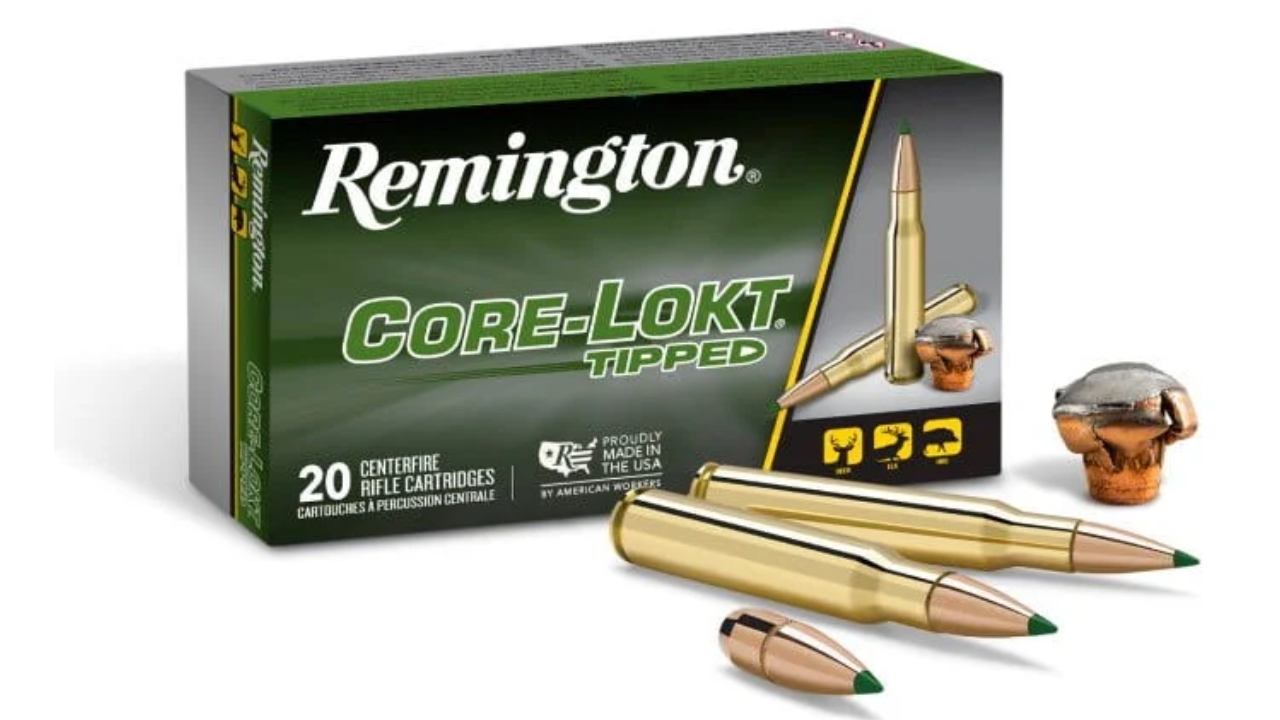
Remington’s Core-Lokt line has been a deer camp favorite for decades, but when the Tipped version hit the shelves, many hunters expected tighter groups and better ballistic consistency. What they got instead was erratic performance—some rifles shoot it well, others can’t keep three rounds inside a pie plate at 100 yards.
The polymer tip does improve aerodynamics, but the expanded version seems to vary lot-to-lot in terms of accuracy. Some hunters found noticeable point-of-impact shifts between boxes, and even those who got decent groups saw terminal results that didn’t match the old soft-point classic. It’s not terrible ammo, but when consistency drops and the price goes up, it’s tough to justify over the proven Core-Lokt standard.
Winchester Deer Season XP

Winchester’s Deer Season XP caught attention with its big polymer-tipped “Extreme Point” bullet designed for rapid expansion. The problem? That expansion can be too rapid. On smaller deer, it’s fine—but on larger-bodied whitetails or mule deer, it often fragments too early, limiting penetration.
Accuracy also varies from rifle to rifle. Some barrels group it acceptably, others scatter it. Many hunters found the load to be temperature-sensitive, shifting zero noticeably in cold conditions. It looks good on paper, but in real-world testing, it’s a round that tends to impress once, then disappoint when it counts. Most who’ve tried it end up going back to traditional soft points or bonded bullets that hold together better on impact.
Federal Fusion

Federal Fusion has a loyal fanbase, but if you’ve ever tested multiple boxes, you’ve likely noticed inconsistency. The bonded bullet concept works well in theory—great weight retention and reliable expansion—but the lot-to-lot variations and wide velocity spreads frustrate precision-minded hunters.
In the field, it performs adequately on medium game, but it doesn’t always group well enough to inspire confidence. Some rifles love it, while others throw two-inch groups at 100 yards. For hunters who prize repeatable results, Fusion tends to feel like a gamble. It’s not bad ammo, but it’s not the “miracle” bonded bullet many expected. After one range session and a few head-scratching patterns, most folks move on to something more predictable.
Hornady American Whitetail

Hornady’s American Whitetail line aims to provide affordable, consistent deer loads—but it often underdelivers. While it uses proven InterLock bullets, the powder charge isn’t as consistent as Hornady’s premium lines, and that translates into groups that wander.
You’ll occasionally find a rifle that shoots it well, but across different calibers and barrel lengths, it’s hit-or-miss. Many hunters appreciate the price but complain about flyers or erratic cold-bore shots. For a load marketed on dependability, that inconsistency is frustrating. It’s the kind of ammo you test once out of curiosity, then go right back to your premium handloads or higher-end factory options when you want predictable accuracy.
Nosler Ballistic Tip

The Nosler Ballistic Tip has long been known for its accuracy, but when it comes to hunting, it can be too fragile. Many hunters who’ve tried it once walk away unimpressed by how violently it expands on impact. It’s a fantastic varmint round, but for deer-sized game, it often over-fragments, especially at close range.
The accuracy doesn’t make up for unpredictable terminal performance. Even though it shoots flat and groups tight, too many reports of shallow penetration or surface wounds have soured hunters on using it for anything larger than coyotes. It’s the perfect “range hero” that turns into a disappointment when real-world hunting conditions kick in.
Winchester Power Max Bonded

Winchester’s Power Max Bonded was designed to compete with Federal Fusion, but it never caught on. Accuracy issues and inconsistent expansion plagued early lots, and the reputation stuck. Even in rifles that group well with other bonded bullets, Power Max often shoots loose.
On game, it performs adequately, but some hunters report erratic expansion at both high and low velocities. It’s tough to trust ammo that might over-expand on one shot and underperform on the next. For those who test it once, it usually ends up on the “not again” list—especially when better bonded loads exist at similar prices.
Remington Premier AccuTip

Remington’s Premier AccuTip promised premium performance, but it’s another load that looks great in theory and underwhelms in practice. It’s accurate enough for hunting ranges but inconsistent in terminal behavior. In some calibers, it mushrooms beautifully; in others, it fragments like a varmint bullet.
The inconsistency makes it hard to trust on bigger game. Many hunters have tested it in .270 or .30-06 only to see erratic results between shots. With premium price tags and mixed results, it’s no wonder many move on after the first box. The old Core-Lokt soft points often outperform it where it counts—inside 200 yards on living targets.
Hornady SST

The Hornady SST is infamous for its inconsistency on game. It’s flat-shooting and accurate, but the bullet tends to fragment too quickly at close range. For long-range hunting, it can shine, but few hunters want a load that’s only dependable in narrow conditions.
At the range, it impresses with tight groups, but in the field, too many deer-sized animals have run farther than expected after being hit. The SST’s explosive nature turns a clean hit into excessive meat loss, or worse—an exit wound that looks more like a grenade blast. Most hunters try it once, see the results, and quietly go back to something that expands more predictably.
Federal Non-Typical Whitetail

Federal’s Non-Typical line aimed to provide a mid-tier hunting load for everyday deer hunters. Unfortunately, “average” is the best way to describe it. Accuracy ranges from decent to disappointing depending on the rifle, and many hunters report inconsistent velocities that lead to vertical stringing.
The bullet construction isn’t bad, but it’s uninspiring. It performs like a basic soft point—adequate for close-range deer, but it lacks the precision or consistency that today’s shooters expect. After one or two range sessions, most hunters move on to more modern options like Federal’s Fusion or Hornady’s Precision Hunter.
Browning BXR Rapid Expansion

Browning’s BXR line had promise, with a polymer tip and advertised rapid expansion. The issue is—it’s too rapid. Hunters found that it blows up inside the first few inches of tissue, especially on lighter game. That might be fine for varmints, but on deer, it often fails to reach vital organs unless perfectly placed.
Accuracy is passable, but not exceptional. The sleek bullet profile doesn’t translate to superior performance in real hunting conditions. Many shooters walked away unimpressed, realizing they paid a premium price for results that rival bargain soft points. Once tested, most never revisit it.
Winchester Expedition Big Game Long Range

This load was marketed as a high-end, long-range hunting round using bonded bullets and sleek BCs. In practice, it’s finicky and often underwhelming. Some rifles shoot it lights-out, while others pattern like shotguns. The problem seems to lie in inconsistent seating depth and powder charges.
For the price, you expect match-grade consistency, but it’s rarely there. Hunters report random flyers even from quality rifles, and terminal results aren’t always reliable at extended ranges. It’s a round you test once, take a few notes on, and then replace with something more dependable like a Nosler AccuBond or Hornady ELD-X.
Federal Blue Box Power-Shok

The Blue Box Power-Shok line has been around forever, and while it’s affordable, most hunters only test it once. It’s fine for close-range whitetail hunting, but accuracy and consistency fall apart past 150 yards. Groups tend to open up fast, and different lot numbers can produce wildly different impacts.
It’s reliable enough to kill deer within moderate distances, but it doesn’t offer confidence at longer ranges or on larger game. Many hunters appreciate the price and simplicity but quickly outgrow it once they see what higher-end ammo can do. It’s the definition of “tested once, never again” for anyone chasing tighter groups and repeatable results.
Hornady Superformance

Hornady’s Superformance promised higher velocity through advanced propellants, but many rifles simply don’t handle the added pressure well. It’s loud, often produces erratic groupings, and can change point of impact dramatically compared to standard loads.
While it performs well in certain barrels, it’s too unpredictable to rely on across multiple rifles. Many hunters who tested it once reported sticky bolt lifts or harsh recoil without clear accuracy benefits. It’s a flashy idea that delivers more speed than stability—making it a one-and-done experiment for most seasoned shooters.
*This article was developed with AI-powered tools and has been carefully reviewed by our editors.