Photo credit: FREEDOM EAGLE/YouTube
A lot of handguns get sold on one word: comfort. Comfortable to hold at the counter. Comfortable to carry in soft clothes. Comfortable because they’re light, slim, or don’t look intimidating. The problem is that “comfortable” in the store doesn’t always mean “comfortable to shoot,” and it definitely doesn’t mean “easy to train with.” That’s how people end up buying pistols they feel good owning but rarely feel good practicing.
Most of the time, the issue isn’t that the gun is bad. It’s that the reason it got bought—light weight, tiny size, low recoil on paper, extra-light trigger, or odd ergonomics—doesn’t hold up once real range time starts. If a handgun is annoying, painful, or awkward to shoot, people stop training with it. Then the “comfortable” gun becomes a false sense of security. These are the kinds of handguns that often fall into that trap.
Ruger LCP Max

The LCP Max gets bought for comfort because it disappears in a pocket, rides light, and solves the “I don’t want to dress around a gun” problem better than most pistols. You can carry it in summer clothes, gym shorts with the right setup, or as a backup without feeling dragged down. That carry comfort is very real.
The practice problem shows up the first time you run more than a couple magazines. The grip is short, the gun is light, and even .380 starts feeling sharp when there isn’t much frame to absorb it. The sights are better than older pocket guns, but the pistol still moves around in your hand. A lot of buyers love owning it because it’s so easy to carry, then quietly avoid long range sessions because it reminds them it’s a true pocket gun, not a range toy.
Ruger LCP II

The LCP II sells on convenience. It’s tiny, flat, and easy to forget you’re carrying, which is exactly why people buy it. For someone who wants the smallest practical handgun they can slip into a pocket holster, it checks the box fast. At the counter, it feels like the answer to everyday comfort.
Then they shoot it. The little frame snaps harder than new shooters expect, the grip gives you very little to hold onto, and longer practice sessions turn into work fast. That’s the pattern with these tiny .380s: carry comfort gets confused with shooting comfort. The LCP II still makes sense in its role, but many owners end up carrying it far more than training with it because it’s easy to live with in a pocket and not nearly as fun to spend an afternoon shooting.
Smith & Wesson Bodyguard 380

The Bodyguard 380 gets bought because it’s slim, light, and easy to conceal in places bigger guns start becoming a lifestyle choice. It feels harmless in the hand at the counter and manageable because it’s small enough that people assume recoil will be mild. That assumption sells a lot of these pistols.
The actual shooting experience tends to change the mood. Recoil is snappier than many buyers expect, the grip is minimal, and the gun’s small size means your margin for error gets thin quickly. Add in a trigger that many shooters find less than ideal, and range time starts feeling like effort instead of confidence-building. People keep carrying it because it’s comfortable on the body. They stop practicing because it’s not especially comfortable in the hand once live rounds are involved.
Beretta Pico

The Pico gets chosen for comfort because it’s one of the easiest true pocket pistols to carry discreetly. It’s thin, smooth, and shaped in a way that doesn’t snag or print much. For someone who wants a gun they can hide in almost any normal outfit, the Pico feels like a smart, civilized answer.
Where it loses people is on the range. The tiny grip, light weight, and small controls mean the gun demands more work than its calm appearance suggests. Recoil feels sharper than many buyers expect, and the long trigger pull can make accuracy feel like a chore if you haven’t put in real reps. It’s a gun people often appreciate in theory—easy to carry, easy to stash, easy to own—then quietly avoid shooting often because the comfort that sold it doesn’t really follow them to the firing line.
Glock 43

The Glock 43 gets bought for comfort because it gives you a thin, simple, trustworthy pistol that disappears far easier than a double-stack. It carries well, doesn’t feel bulky against the body, and lets people stick with a familiar Glock manual of arms in a much easier package. For daily carry, that feels like a responsible compromise.
But the thinner, lighter setup comes with a price. The recoil impulse is sharper than many buyers expect, especially if they’re used to larger 9mms. The short grip and lighter frame make the gun less forgiving during fast practice, and a lot of owners discover they don’t enjoy putting 150 rounds through it in one session. So they carry it, because it’s comfortable to wear. They don’t practice enough, because it’s much less comfortable to shoot than the store counter suggested.
Glock 42

The Glock 42 gets bought because it feels like the “comfortable” Glock: lighter recoil than a micro 9, smaller size, and easy concealment. For buyers who want a pistol that feels less aggressive than the bigger Glocks, it often comes across as the friendly choice. In the hand, it feels soft, approachable, and easy to control.
That impression doesn’t always survive a real range day. It’s still a very small pistol, and small pistols ask more of your grip and trigger control than people expect. While it’s easier to shoot than many tiny .380s, it’s not the same as shooting a compact 9mm with real grip area and weight. Some buyers treat it like a “soft shooter,” then realize they still don’t enjoy long practice strings with a tiny frame. The result is a gun they trust enough to carry, but not enough to train with consistently.
SIG Sauer P365

The P365 gets bought because it feels like the perfect comfort compromise. It’s slim, easy to hide, carries more rounds than older single-stacks, and doesn’t force you to dress around it as much as a bigger gun. For many people, it feels like modern concealed carry finally made sense the moment they picked one up.
The practice reality is different. The P365 is still a micro 9, which means it’s light, quick in recoil, and less forgiving than its size-to-capacity ratio makes it look. You can shoot it very well, but you have to work. A lot of owners buy it because it’s comfortable on the waistline, then discover it’s not especially comfortable to shoot for extended sessions. It ends up being carried a lot and practiced with less than it should be—not because it’s bad, but because small 9mms demand more discipline than people expect.
Springfield Armory Hellcat

The Hellcat sells on comfort because it gives you strong capacity in a small, easy-to-hide footprint. It feels like you’re getting a lot of gun without a lot of burden, and that matters to people who want to carry every day without changing their whole wardrobe. On paper, it looks like the efficient answer.
On the range, it reminds you that efficiency is not the same as ease. The Hellcat is light, compact, and snappy. If your grip isn’t solid, it gets busy in the hand fast, and long practice sessions can feel more punishing than buyers expected from a gun that felt so manageable in the store. A lot of owners still carry it because it’s comfortable to conceal. They simply don’t shoot it often enough because the recoil and short grip make practice feel like work instead of something they naturally want to keep doing.
Kahr PM9

The Kahr PM9 gets bought for comfort because it is extremely easy to conceal and carries flatter than many thicker pistols. It feels refined, slim, and practical for people who want a real 9mm without obvious bulk. In a holster, it disappears in a way that makes many larger handguns feel like too much.
The problem is that its small size and long trigger can make practice less inviting than buyers expect. The recoil is brisk, the grip is minimal, and the long, smooth trigger—while consistent—demands more focus than many newer buyers realize. That can make range sessions feel mentally tiring as well as physically less pleasant. It’s a pistol that often wins the carry test easily, then loses the “will I shoot this 200 rounds on a Saturday?” test. For many owners, the answer ends up being no.
Smith & Wesson 340PD
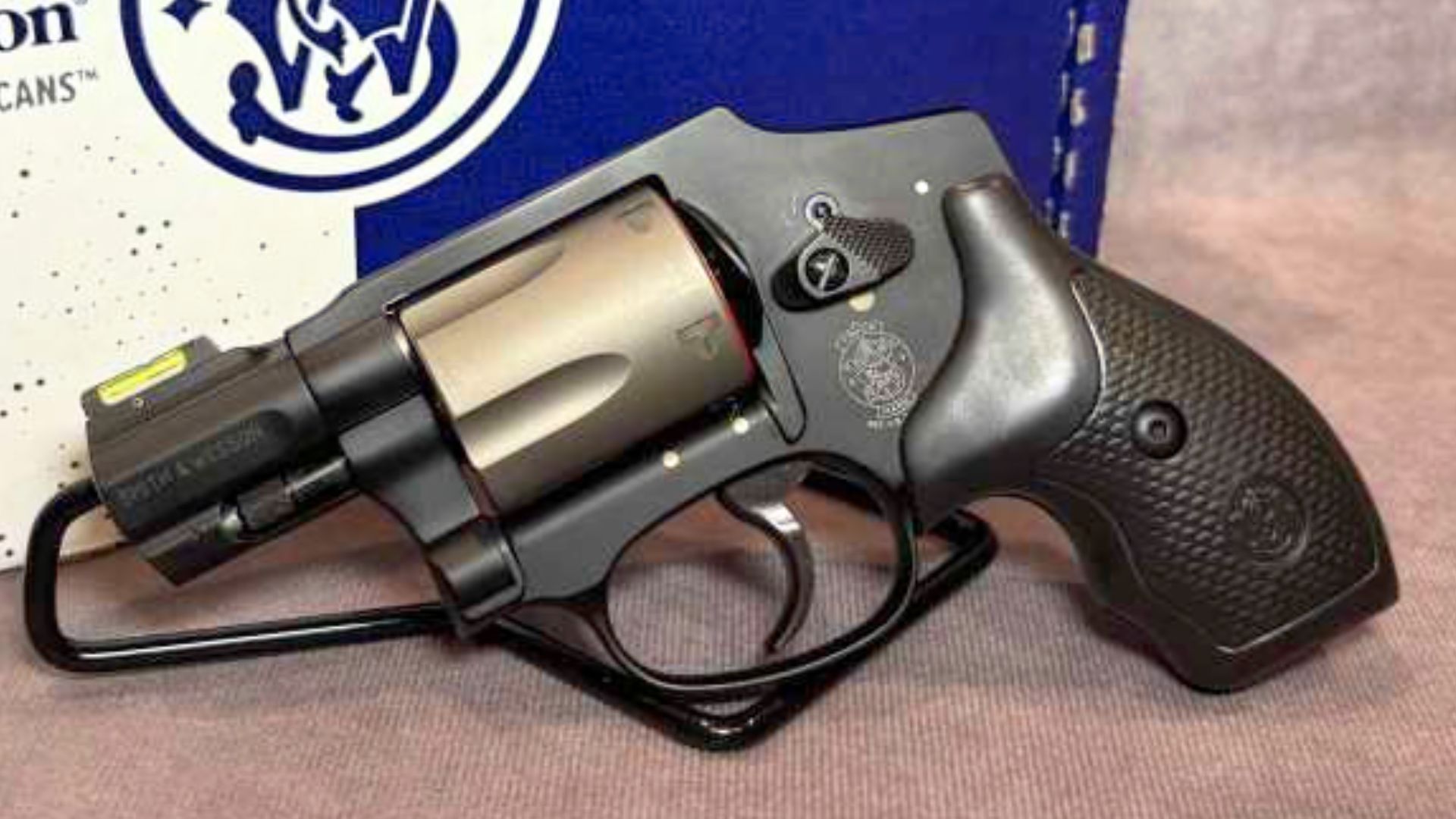
The 340PD gets bought for one kind of comfort only: carry comfort. It is absurdly light for a revolver, and that makes it easy to drop into a pocket, ankle rig, or discreet carry role without feeling like you brought a brick along. At the counter, that featherweight appeal is hard to ignore.
Then you shoot it, and the illusion ends fast. Even with .38 Special, it can be unpleasant. With .357 Magnum, it can be downright punishing for many shooters. The recoil is sharp, recovery is slower than people expect, and long practice sessions become something owners postpone again and again. The result is predictable: a revolver chosen because it’s so comfortable to carry becomes a revolver that gets carried a lot and practiced with far too little. It’s a classic example of comfort in one category creating neglect in another.
Ruger LCR in .357 Magnum

The .357 LCR often gets bought because the gun itself feels smart and comfortable to carry. It’s lightweight, snag-free, and easy to keep on you. Buyers also like the idea that they’re getting maximum power in a small package, which makes the purchase feel practical and prepared at the same time.
What often happens is they practice a little, feel that recoil, and quietly switch from “I’ll train with this all the time” to “I’ll carry it and shoot it once in a while.” In .357, a lightweight revolver can be brutally sharp, and even .38 practice sessions can get old faster than expected in a small frame. The gun still makes sense if you understand the role, but many buyers are sold by the comfort of carrying it and then discover that range comfort is a completely different issue.
Taurus 856 Ultra-Lite

The 856 Ultra-Lite gets bought because it feels like a practical, affordable way to carry a revolver without a lot of weight. It rides easily, hides well, and appeals to people who want the straightforward manual of arms of a wheelgun without strapping on a chunk of steel. At the store, it feels like a smart comfort buy.
The downside is that the reduced weight makes practice less friendly than buyers expect, especially once they start shooting defensive loads. A lightweight snub with a small grip and a long double-action pull is not a recipe for effortless range time. For some owners, that means a few cylinders at a time and then the gun goes back in the holster. They keep it because it carries easily. They avoid extended practice because the shooting side reminds them exactly why that easy carry came with a trade.
SIG Sauer P238

The P238 gets bought because it feels soft, small, and much more polished than many pocket pistols. It’s easy to conceal, easy to appreciate in the hand, and the lighter recoil of .380 in a small metal pistol often makes it seem like the comfortable answer for someone who wants less bite than a small 9mm. At first glance, it looks like the “pleasant” pocket gun.
And for short strings, it often is. The issue comes when people assume that means they’ll naturally train a lot with it. Small controls, limited grip area, and the realities of a compact .380 still make it more work than a bigger pistol. It’s more comfortable than some tiny alternatives, but it’s still a small gun that asks for more attention than buyers often plan on giving it. That’s how it ends up carried more than practiced.
Kimber Micro 9

The Kimber Micro 9 gets bought because it is slim, attractive, and easy to conceal in a way full-size pistols aren’t. It feels refined and compact, and people who like the 1911 layout often get drawn in by the idea of a smaller version they can actually carry every day without effort. Comfort and familiarity are doing a lot of the selling here.
The practice problem is that it’s still a very small 9mm. The gun is light, the grip is short, and recoil is sharper than the “mini 1911” look leads some buyers to expect. Small pistols with single-action triggers can feel great in dry fire, but once recoil enters the picture, control becomes a bigger factor than the trigger. A lot of owners appreciate the carry comfort and the styling, then find themselves shooting it less often than they should because longer sessions are less pleasant than they imagined.
North American Arms mini-revolvers

NAA mini-revolvers get bought because they redefine carry comfort. They are tiny, light, and easy to stash in places larger guns simply won’t go. For some buyers, the attraction is almost entirely about having something with them in the smallest package possible. In that narrow sense, they absolutely deliver.
What they do not deliver is a practice experience that encourages regular range work. The grips are extremely small, the sights are minimal, the manual of arms is slower and more fiddly than larger handguns, and they are simply hard to shoot well under speed. They can be neat little tools in a very specific role, but many buyers discover quickly that “easy to carry” has been mistaken for “practical to train with.” That’s why so many get purchased with good intentions and then spend most of their life being carried occasionally and shot rarely.
Like The Avid Outdoorsman’s content? Subscribe to our newsletter so you never miss an article.
Here’s more from us: