Photo credit: Toe2Toe Firearms and Training/YouTube
A lot of guns spend years getting laughed at for the exact traits that later make people want them. They are too plain, too weird, too old, too heavy, too cheap-looking, or too tied to a time when buyers thought something newer would always be better. That kind of mockery usually comes easy when racks are full, prices are reasonable, and nobody feels any pressure to think ahead.
Then the supply dries up, the better examples stop showing up, and people start talking about those same guns in a very different tone. Suddenly the thing they used to joke about looks durable, useful, well-made, or just plain hard to replace. These are the guns that got dismissed when they were easy to buy and started looking downright smart once the market got tighter and cleaner examples became much harder to find.
Smith & Wesson 3rd Gen autos
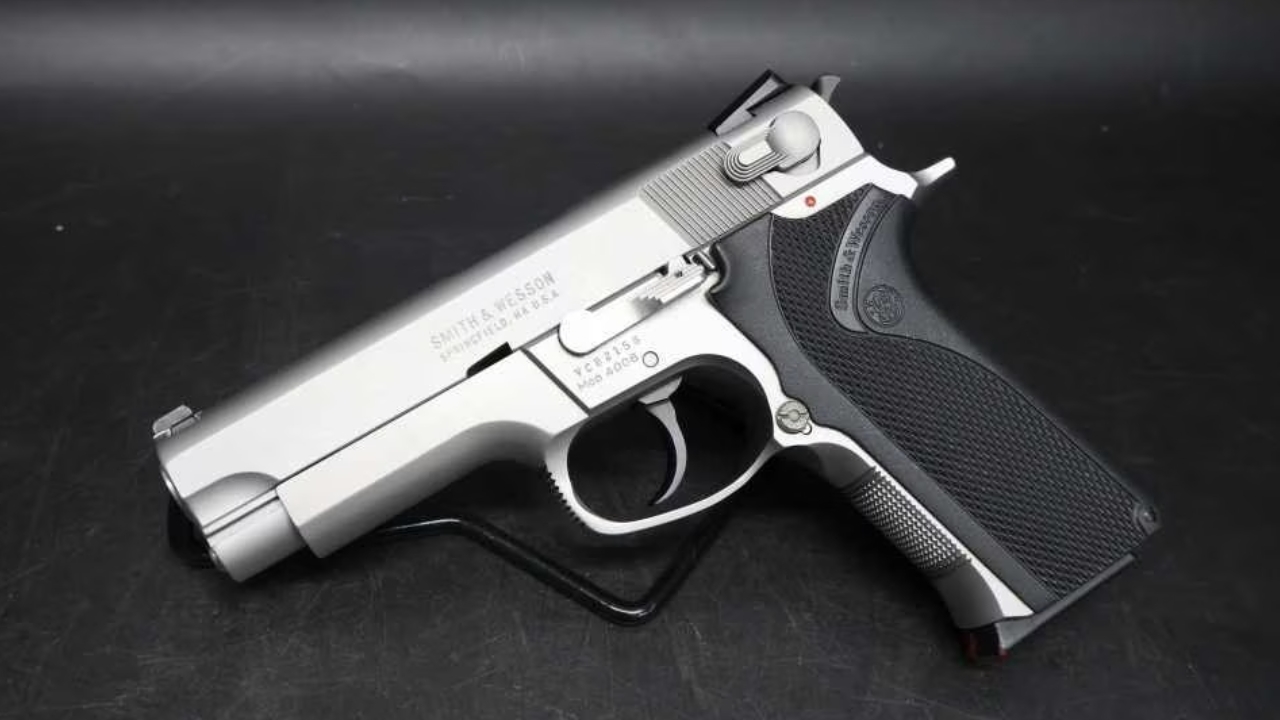
For a long time, Smith & Wesson’s 3rd Generation pistols got treated like yesterday’s duty leftovers. They were heavy, blocky, full of sharp edges, and easy to mock once lighter polymer guns took over the conversation. Plenty of buyers looked at guns like the 5906, 4006, and 4506 and figured they were the kind of pistols only departments and old-school holdouts would care about.
Then the supply started thinning out, especially on cleaner examples, and people remembered these things were built like serious working guns. They fed well, lasted a long time, and had the kind of no-nonsense toughness that newer buyers suddenly started appreciating. What used to be written off as outdated metal-framed bulk turned into one of the smarter categories to have bought before everyone else caught up.
Ruger P-Series pistols

The Ruger P-Series spent years getting mocked for being clunky, ugly, and about as graceful as a cinder block. A lot of buyers treated pistols like the P89, P90, and P95 as budget stopgaps rather than handguns worth owning on purpose. They were reliable enough, sure, but nobody was bragging about them when slimmer and more stylish pistols were getting all the attention.
That old laughter looks a lot less clever now. The P-Series aged into exactly the kind of gun people wish they had not ignored: durable, dependable, and usually able to take a beating without much complaint. Once clean examples started getting harder to find and used prices began creeping up, buyers had to admit those “ugly Rugers” were a lot smarter to stash away than some of the trendier pistols they chose instead.
Marlin 1894 lever guns
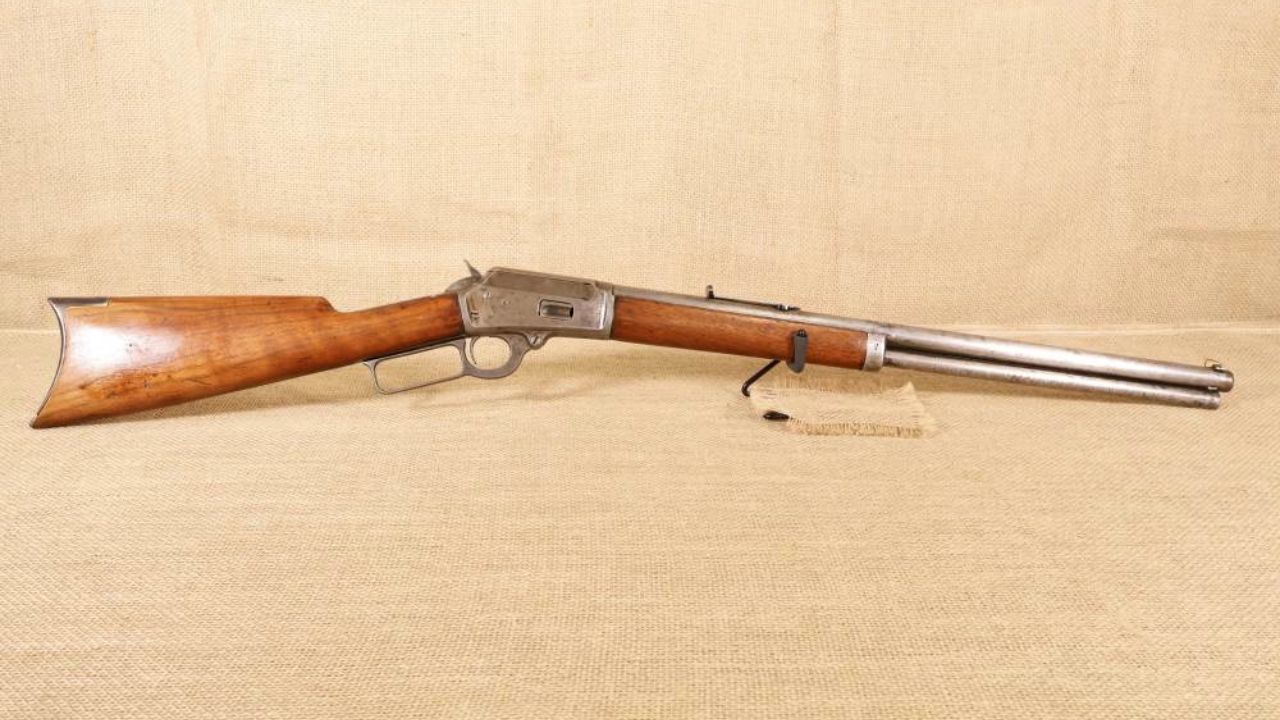
There was a stretch when the Marlin 1894 felt like a niche lever gun for people who liked cowboy calibers a little too much. A lot of shooters mocked them as range toys, cowboy-action pieces, or just old-fashioned fun guns that had no real reason to be high on anyone’s shopping list. Back then, a pistol-caliber lever rifle did not feel urgent to most buyers.
That changed in a hurry once lever guns got hot again and older Marlins became much harder to replace. Suddenly the same rifles people overlooked in .357 Magnum, .44 Magnum, and .45 Colt started looking like some of the most practical and enjoyable carbines around. The mockery faded fast once buyers realized how useful, compact, and flat-out desirable those rifles became when supply tightened and everybody wanted one at once.
Winchester 94 Angle Eject

The Winchester 94 got dismissed for years by buyers who acted like every post-64 example was automatically second-rate and every Angle Eject was somehow less desirable because it broke from the old-school formula. A lot of hunters treated them like compromise rifles rather than good field guns, especially if they wanted to sound like they knew the difference between “real Winchester” and everything that came later.
Scarcity changed that tone. Once older lever guns started climbing and clean hunting-grade 94s stopped being rack filler, people got a lot more realistic about what the Angle Eject models actually offered. They were handy, useful, scope-friendly, and still very much Winchester 94s where it counted. The same rifle people once rolled their eyes at started looking a whole lot more brilliant when the easy choices dried up.
Remington Nylon 66

The Nylon 66 used to catch plenty of jokes from shooters who thought it looked too futuristic, too plastic, or too weird to ever deserve serious respect. A lot of buyers treated it like a gimmick from another era instead of a genuinely smart rimfire design. Because it did not fit the old walnut-and-steel image many shooters preferred, it was easy to underestimate.
Then people started paying attention to how well the gun actually held up and how many nice examples had quietly disappeared. The Nylon 66 was light, reliable, and much more durable than the skeptics gave it credit for. Once scarcity took hold, the same rifle people once mocked for being oddball and synthetic started looking like one of the more forward-thinking rimfires of its time.
Savage 99
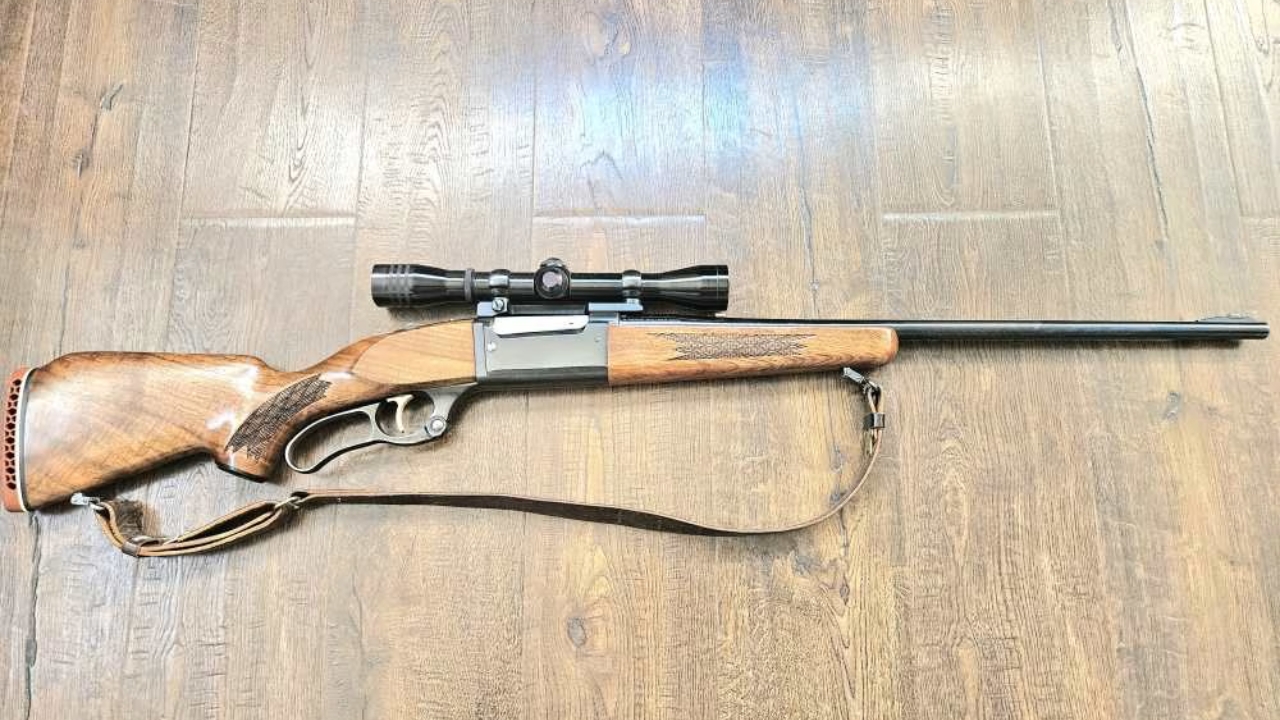
The Savage 99 spent years getting brushed aside by buyers who saw it as an old deer rifle with too much nostalgia and not enough urgency. It was not a bolt gun, not a military collectible, and not the kind of rifle that fit neatly into modern buying trends. That made it easy to admire from a distance and just as easy to leave sitting on the rack.
Then the market started drying up on clean examples, especially in desirable calibers, and all of a sudden the 99 stopped looking like old furniture and started looking like a rifle people had badly underestimated. Strong handling, great balance, and real hunting credibility have a way of shining through once choices get thinner. Scarcity forced buyers to realize the 99 was never boring. It was just too familiar to be appreciated while it was easy to find.
Browning BDA .380

For a long time, the Browning BDA .380 got overshadowed by sexier pistols, cheaper pistols, and more modern carry options. A lot of buyers mocked it as an overpriced old .380 with too much polish and not enough practical appeal. Since it sat in that awkward space between collectible and carry gun, people often passed over it without thinking too hard about what they were looking at.
That turned out to be a mistake. Once quality metal-frame .380s became more desirable and harder to find, the BDA started looking like a very smart gun to have bought when nobody cared. It had great styling, solid build quality, and a level of refinement that stood out more once the market got flooded with disposable-feeling alternatives. Scarcity made the old skepticism look pretty shortsighted.
Ruger Security-Six

The Security-Six used to live in the shadow of more glamorous revolvers, and buyers let it know. It got mocked as the plain Ruger .357 people bought when they could not or would not spring for a nicer Smith or a Colt with more bragging rights. It was respected for strength, but that respect rarely turned into urgency when prices were still friendly.
Then revolver prices climbed, good .357s got thinner on the ground, and suddenly the Security-Six looked like one of the smarter buys of its generation. It was durable, shootable, and much more practical than some of the shinier names that pulled all the early attention. Scarcity made buyers rethink what mattered, and the old Ruger that once felt second-tier started looking like the kind of revolver wise people grabbed before the crowd did.
Mossberg 590DA1
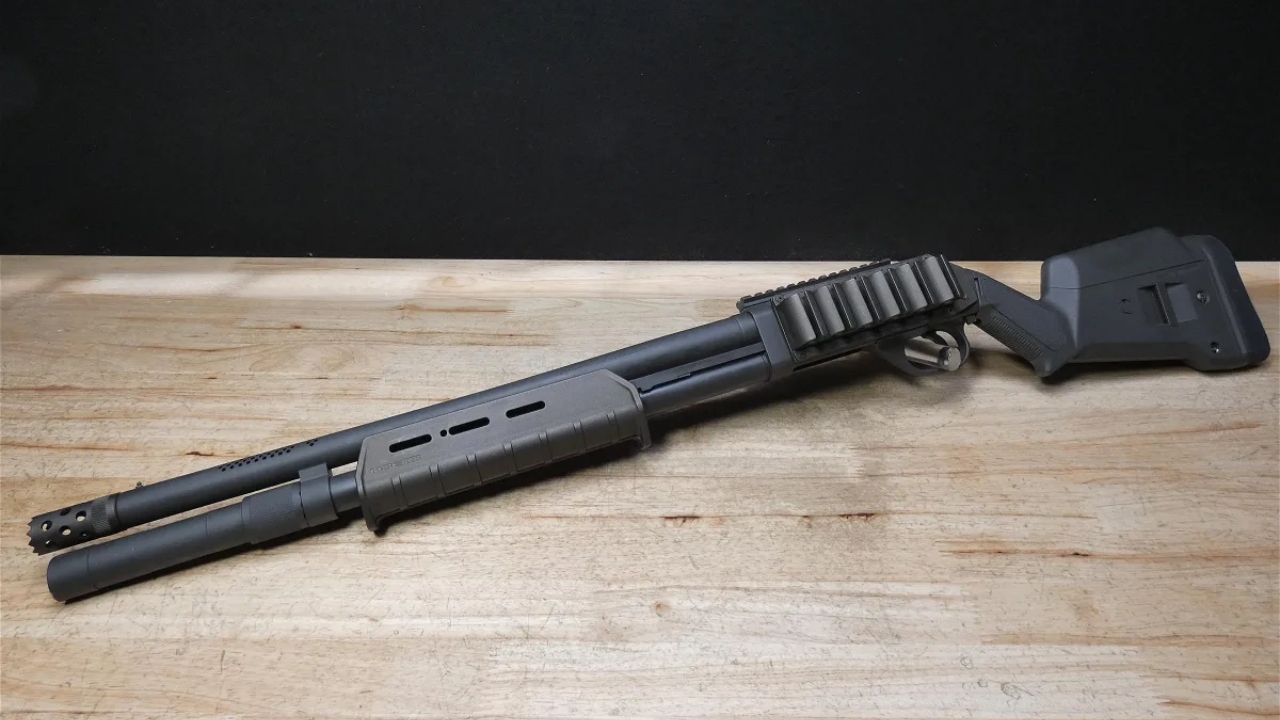
The 590DA1 was the kind of shotgun many people mocked for being overbuilt, heavy, and a little too specialized for most ordinary buyers. Double-action-only on a pump gun sounded strange to some shooters and unnecessary to others. It was one of those firearms people respected in theory while also acting like nobody really needed one sitting in the safe.
That attitude changed once buyers started chasing military-linked shotguns, oddball duty configurations, and harder-to-find tactical variants from brands they already trusted. The 590DA1 stopped looking like an awkward curiosity and started looking like a genuinely scarce shotgun with real character. Scarcity has a funny way of improving reputations, especially when the gun in question comes from a serious lineage and is no longer easy to stumble across in good condition.
Colt Mustang Pocketlite

There was a time when plenty of shooters mocked the Colt Mustang Pocketlite as a little .380 for people who cared more about looks and legacy than serious handgun choices. It sat in that dangerous pocket-pistol category where a lot of guns were easy to dismiss, and because it was not a duty-size 1911 or a modern polymer carry piece, it got written off more often than it got appreciated.
Then the market changed, older Colts got harder to find, and buyers realized the Mustang had more going for it than the casual jokes ever admitted. It was lightweight, easy to carry, and tied to a name people rarely ignore for long. Once scarcity hit and demand for classic compact carry guns rose, the old mockery stopped sounding very smart.
Ithaca 37 Defense models

The Ithaca 37 itself always had loyal fans, but shorter defense-oriented versions often got mocked for being old-school pumps in a world obsessed with whatever the newest tactical shotgun trend happened to be. Bottom ejection, slick actions, and plain looks were not enough to impress buyers who thought more rails and louder branding automatically meant better. For a while, that kept them flying under the radar.
Then the market got tighter, older pump guns started getting re-evaluated, and people remembered that good handling and real-world dependability age very well. The defense-style Ithaca 37s suddenly looked a lot more interesting once buyers realized they were competing for a smaller pool of solid older examples. Scarcity made that once-overlooked pump start looking like a much smarter buy than the trendier stuff around it.
CZ 82

The CZ 82 got laughed off by a lot of buyers because it was a surplus pistol chambered in 9×18 Makarov and looked like something from the wrong side of the Cold War. To many shooters, it was just a cheap oddball with an awkward caliber and no real reason to matter long-term. That kind of thinking was pretty common when imports were flowing and surplus prices were still comfortable.
Once supplies shrank and people spent more time actually shooting them, the tone changed fast. The CZ 82 had a good trigger, solid ergonomics, and far more quality than many buyers expected from a surplus handgun in that price lane. Scarcity turned an overlooked import into a gun people wished they had grabbed in pairs when they were still cheap enough to joke about.
Remington 742 Woodsmaster

The 742 has taken its share of abuse over the years, and some of that criticism was earned. But for a long time, buyers also mocked it a little too broadly, as if every Woodsmaster was junk and none of them were worth keeping around. That kind of blanket dismissal made a lot of serviceable, clean rifles seem easier to ignore than they probably should have been.
Then older hunting autos started thinning out and buyers got more selective about condition, history, and what these rifles meant to generations of deer camps. The 742 did not turn into a flawless miracle just because examples got harder to find, but scarcity absolutely made people rethink the ones that had been maintained well and carried real family-history appeal. Mockery tends to fade once replacement gets harder and nostalgia gets more expensive.
Smith & Wesson Model 3913
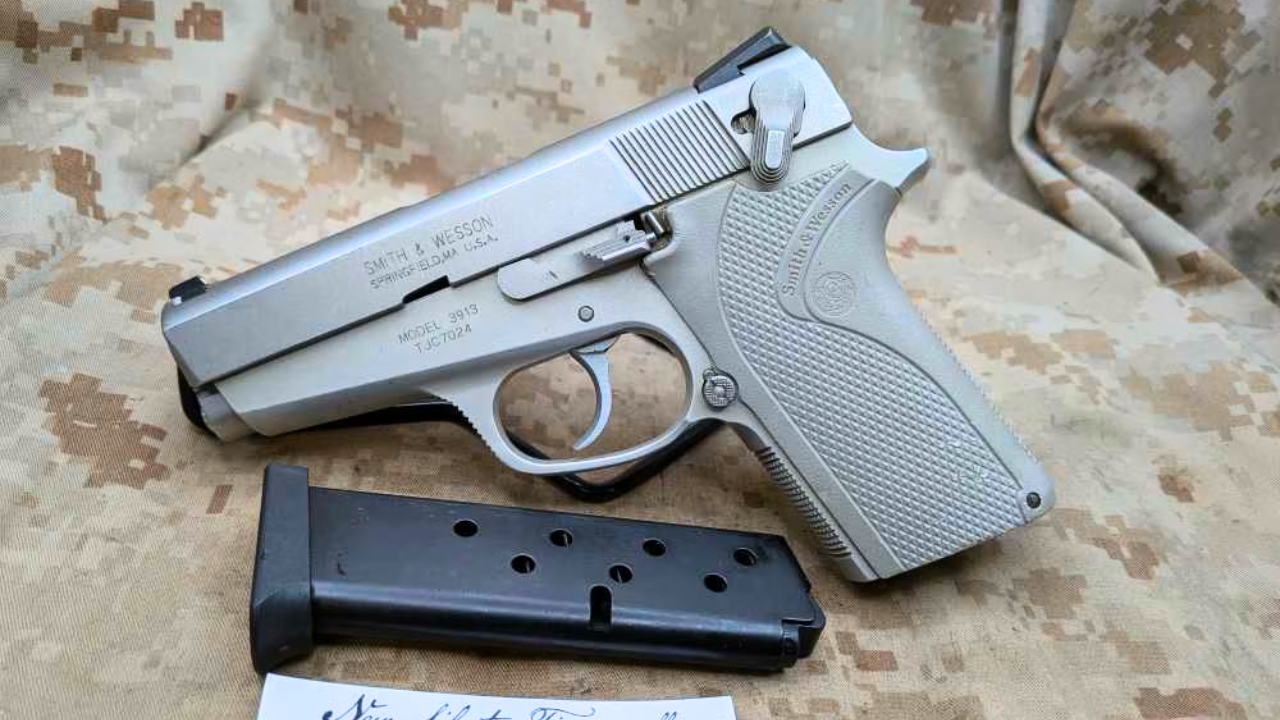
The 3913 spent years being underrated by people who acted like slim metal-framed 9mms were yesterday’s news. It was not flashy enough for the competition crowd, not modern enough for the polymer wave, and too practical to attract much loud attention. That made it easy to mock as a dated carry pistol from a transitional era that had already been passed by.
Then buyers started realizing just how good these pistols were for actual carry. They were thin, reliable, easy to live with, and built with a kind of quality that became more noticeable once cleaner examples stopped showing up everywhere. Scarcity did the rest. The same gun many people ignored while chasing bigger and louder ideas started looking brilliant once the used market reminded everyone what a well-made carry pistol feels like.
Ruger Deerfield Carbine

The Deerfield Carbine was easy for people to laugh at because it sat in a strange little corner of the rifle market. It was not a full-power deer rifle, not a tactical darling, and not some beloved classic everybody agreed on. A lot of buyers saw it as a niche semi-auto in a handgun caliber and kept moving, figuring there would always be more interesting rifles to spend money on.
That turned out to be shortsighted. Once compact carbines got hotter and buyers started appreciating easy-handling rifles with real utility, the Deerfield looked a lot smarter than it had a decade earlier. Add in Ruger loyalty and thinning supply, and what once felt like a weird side choice became a hard-to-find carbine that people suddenly talked about with much more respect than they used to.
Beretta 81 Cheetah
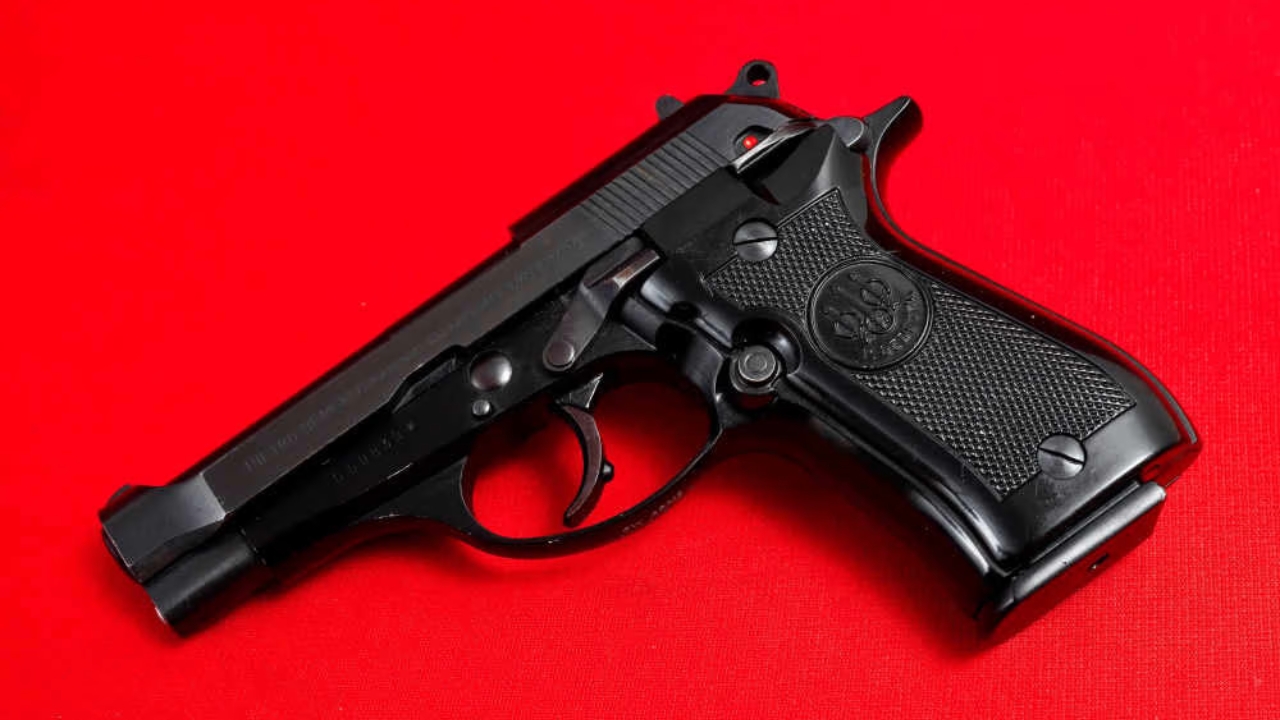
The Beretta 81 Cheetah used to get dismissed by buyers who thought .32 ACP pistols belonged more in old detective novels than in serious collections. To a lot of shooters, it was just a soft-shooting curiosity with a nice name and not much urgency behind it. That sort of mockery comes easy when guns like this are still floating around in enough numbers to feel replaceable.
Then cleaner imports and surplus examples started drying up, and people who had actually handled one remembered how nice these pistols really were. The 81 had excellent ergonomics, great fit, and an easy-shooting personality that made it more than just a novelty. Scarcity made buyers look again, and plenty of them realized too late that the little Beretta they once shrugged off had quietly become a very smart gun to own.
Like The Avid Outdoorsman’s content? Subscribe to our newsletter so you never miss an article.
Here’s more from us: