Photo credit: SolidMaks/Shutterstock.com
Every hunter has that rifle they brag about but never seem to pull out until the season opener. The rifle might shoot a “favorite caliber” they swear by at camp, but if you ask when it was last sighted in, the answer’s usually vague. Truth is, some calibers get more lip service than trigger time. They’re talked up for accuracy, nostalgia, or power, but they spend most of the year untouched in the safe.
It’s not that these rounds don’t perform—they do. But they’re often owned by hunters who love the idea of them more than the maintenance they require. A rifle in a heavy caliber might kick too hard for long sessions, or a vintage round might be too expensive to burn through at the range. Either way, they’re the calibers everyone “loves” until it’s time to check zero.
.300 Winchester Magnum
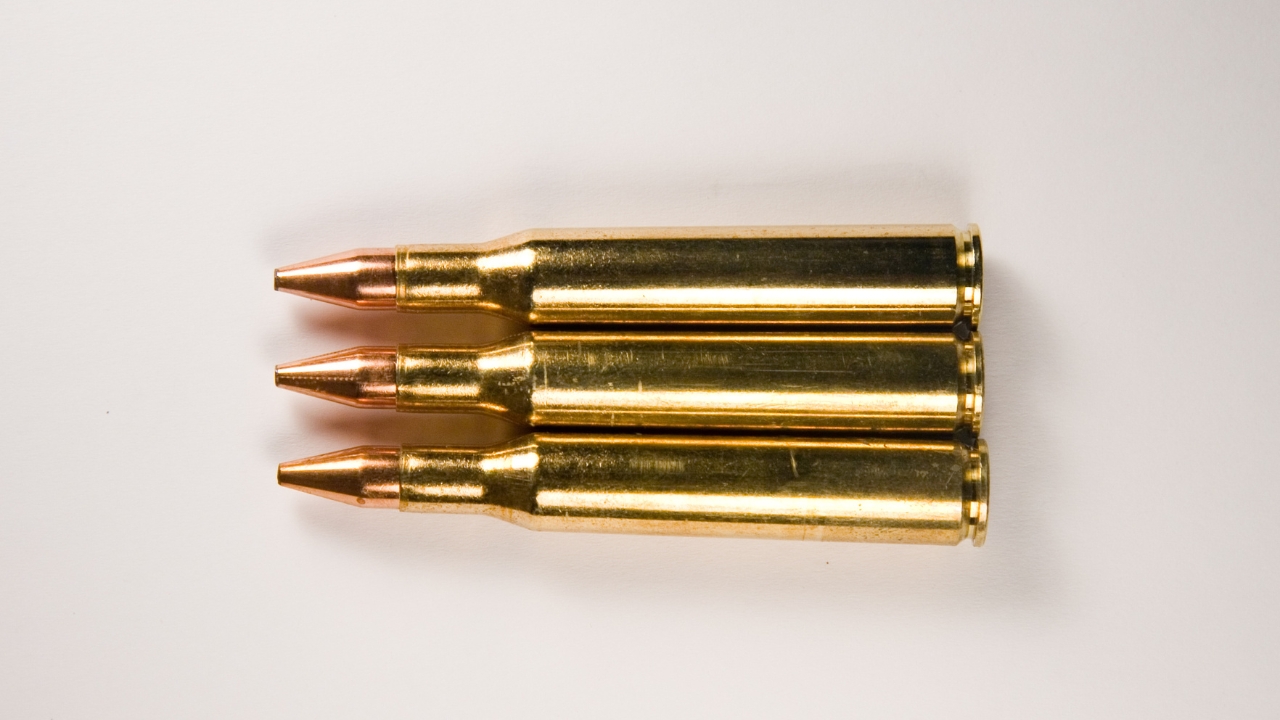
Every camp has someone who swears the .300 Win Mag is the only caliber worth owning. They’ll tell you it’s perfect for elk, moose, or even whitetails, but the truth is, many of those rifles haven’t been fired since last year. The recoil alone makes most hunters skip regular range time. A few shots off the bench are enough to remind them why they avoid it.
The .300 Win Mag is powerful and accurate when properly dialed, but it’s not forgiving when the shooter flinches. The noise and punch wear on you fast. It’s a round that demands frequent practice to master, yet most owners avoid shooting it until the week before season. Ask them if it’s sighted in, and you’ll get a confident “yep”—but deep down, they’re hoping nothing’s shifted since last year’s one-and-done group.
.270 Winchester
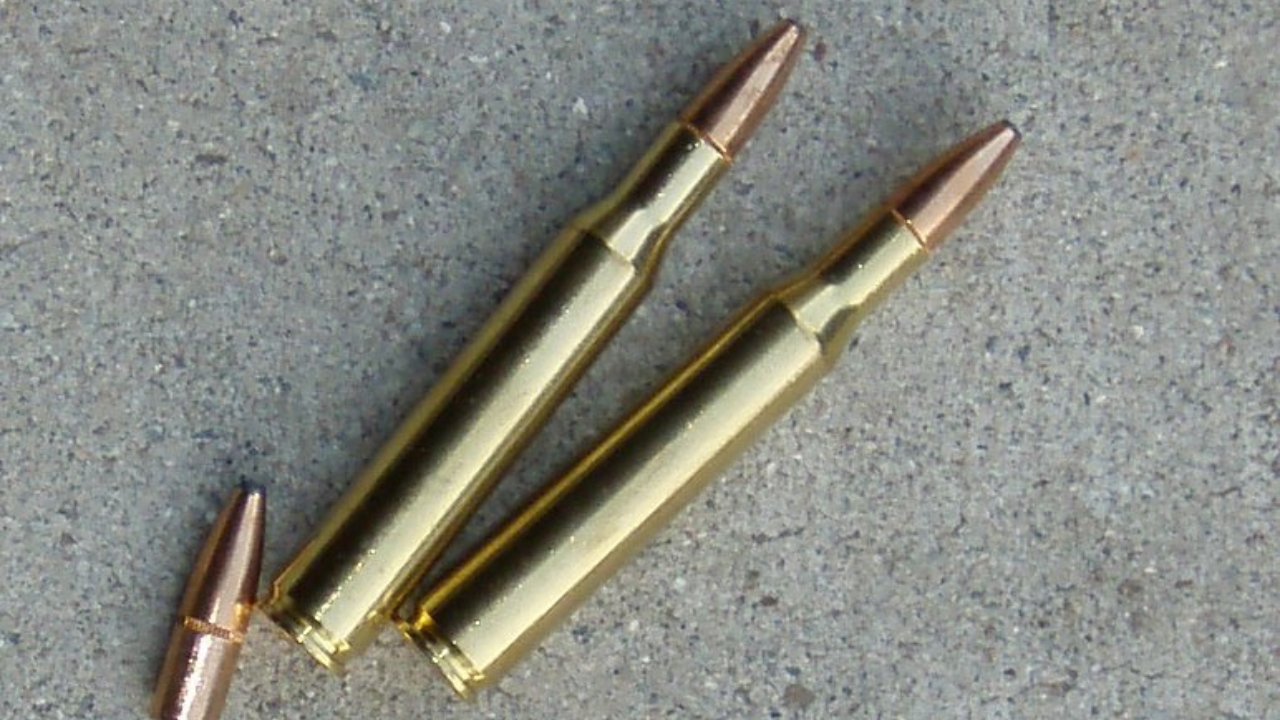
The .270 Winchester might be the most beloved “set-it-and-forget-it” caliber in America. Hunters have trusted it for generations and assume it never drifts off zero. You’ll often hear, “That rifle hasn’t moved in years,” as if optics somehow immune to weather and time. But scopes loosen, stocks swell, and zeroes shift—it’s just physics.
The .270 has earned its reputation for flat shooting and reliability, but that doesn’t make it maintenance-free. Most hunters who claim theirs is “still dead on” haven’t actually checked it in seasons. Then when they miss a deer high or low, they blame the ammo or wind. The truth? It’s probably a rifle that hasn’t seen a proper bench rest since the Bush administration. It’s loved for its consistency—but often taken for granted.
.30-06 Springfield

There’s a certain pride that comes with owning a .30-06. It’s the everyman’s rifle—good for everything from antelope to moose. That confidence, though, often leads to neglect. Too many hunters figure a gun that’s “always shot straight” doesn’t need to be verified. They’ll dust it off before the opener, wipe the barrel, and call it ready.
The .30-06 isn’t immune to environmental shifts or optic movement. It kicks enough to loosen scope mounts over time, and factory ammo varies enough to shift point of impact. Yet, hunters treat it like it’s invincible. They talk about its versatility and heritage but rarely give it the attention it deserves. When a miss happens, they blame themselves—not the fact that they haven’t fired a confirming group in a decade.
.45-70 Government

Everyone loves the .45-70 for its power and nostalgia. It’s got history, recoil, and a reputation for dropping game like Thor’s hammer. But very few hunters actually take the time to re-zero one after switching loads or seasons. The difference between a 300-grain and 405-grain bullet in this caliber is huge, yet most owners swap boxes without adjusting their sights.
The .45-70 has one of the widest ballistic spreads of any popular hunting round. At 100 yards, different loads can print several inches apart. Still, many hunters trust that their “old guide gun” is dead on because it shot fine last year. The recoil and cost of ammo discourage frequent practice, and that shows in the field. It’s a rifle loved for its personality—but neglected when it comes to precision.
.35 Remington

The .35 Remington has a cult following, especially among lever-gun hunters. It’s one of those calibers you’ll hear praised endlessly by anyone who owns a Marlin 336 chambered for it. But those same rifles often get fired once a year, right before the season starts—and sometimes not even then. Ammo scarcity and old-school optics make it an easy one to ignore.
With its moderate recoil and relatively short range, the .35 Remington performs best when the shooter knows the drop and drift intimately. The problem? Most owners haven’t checked their zero since the last time they cleaned the bore. It’s a cartridge loved for nostalgia, not regular range work. Hunters brag about how it “always hits,” but the only real proof is in the two boxes of shells that have lasted them since 2009.
.243 Winchester

The .243 is a sweetheart of a caliber—light recoil, flat shooting, and deadly accurate. But it’s so forgiving that many hunters skip re-zeroing altogether. They figure, “It’s a .243, it shoots flat,” and head into the woods confident everything’s fine. Unfortunately, small changes in ammo brand or scope mounts can push it off just enough to wound instead of drop.
The light recoil makes it easy to shoot, but that same comfort leads to complacency. The .243 performs best with precise sighting, especially at longer ranges. Too many hunters treat it like a plug-and-play round. Ask when they last checked zero, and you’ll hear, “Oh, it’s fine—it’s always fine.” That’s exactly the problem. A rifle this accurate deserves better than blind faith.
7mm Remington Magnum

The 7mm Rem Mag is one of those “big country” cartridges every western hunter claims to love. Flat trajectory, hard-hitting energy—it sounds like the perfect round. But at the range, most shooters stop after three rounds because of the recoil. Then they spend the next season assuming it’s still zeroed.
The 7mm Mag demands attention. It’s sensitive to barrel heat, shooting position, and even small changes in ammo brand. Ignoring that means you’re gambling with accuracy. Many of the hunters who brag about theirs haven’t actually put a group on paper in years. They love the range it promises but rarely put in the work to make it count. It’s one of those calibers that sounds impressive at camp but sits quietly untested most of the year.
6.5 Creedmoor

The 6.5 Creedmoor crowd is full of self-proclaimed precision shooters—but a surprising number haven’t fired their rifle since last season. Because it’s known for consistency, many owners assume it’s always perfect. They’ll tell you it “shoots lights out” while the rifle sits unverified in the safe. The confidence often outweighs the trigger time.
The Creedmoor is capable of incredible accuracy—but it still needs confirmation. Changing ammo, temperature, or elevation can shift impacts. Yet many owners rely on reputation alone. It’s the new “trust me” cartridge, and plenty of hunters do exactly that—trust it without proof. It’s not the rifle or round that’s the problem; it’s the faith that a gun can stay perfect indefinitely.
.308 Winchester

The .308 Winchester is a workhorse. It’s accurate, versatile, and stable—but that dependability often breeds neglect. Many hunters consider it a “set it and forget it” round. They’ll leave it in the case all summer and assume it’s still zeroed when fall rolls around. The rifle might even have been bumped, dropped, or traveled cross-country—but nobody checks.
It’s a caliber that deserves more respect than it gets. The .308 can hit hard and group tight, but it still needs regular validation. Trackers and guides will tell you: most missed shots come from rifles that “used to be sighted in.” The .308’s reputation for consistency has ironically made hunters lazier about confirming it.
.280 Remington

The .280 Remington is one of those calibers hunters defend passionately but rarely practice with. They’ll tell you it’s the perfect balance between a .270 and a .30-06—but ask the last time they sighted it in, and you’ll get a shrug. Ammo availability and recoil make it one of those rifles that lives in the safe until it’s time to hunt.
The .280 shoots beautifully when tuned right, but zero drifts over time just like any other. Hunters often rely on their “lucky load” or decades-old scope settings, assuming they’re still perfect. It’s a round that deserves better treatment than it gets. Loved in theory, ignored in practice, the .280’s performance in the field often doesn’t match its reputation around the fire.
.300 Savage

The .300 Savage holds a special place in hunting history, but most rifles chambered for it are decades old—and that shows. Scopes loosen, stocks swell, and ammo varies wildly between brands. Yet, many hunters with vintage 99s or 722s still claim theirs “hits right where it always has.” In reality, most haven’t fired a confirming shot in years.
Old lever guns and early bolt-actions in .300 Savage often have unique zero shifts from age or storage. The cartridge is capable and effective, but it’s also one of the most commonly neglected. It’s the gun that gets bragged about every year, pulled out for deer season, and fired once to “check.” By that point, the bullet’s landing three inches left—and nobody notices until it’s too late.
.32 Winchester Special

The .32 Winchester Special is a caliber old-timers swear by, but few actually sight in regularly anymore. The rifles are old, the ammo’s expensive, and most of them sit all year in gun cabinets or behind truck seats. Hunters will tell you “she’s still dead on,” even though the scope screws have loosened and the barrel’s probably never been scrubbed.
It’s a round with history and heart—but little maintenance. The .32 Win Special performs well within 100 yards, but every rifle drifts over time. Age, recoil, and weather all play a role. Still, nostalgia keeps these guns alive in campfire stories, even if nobody’s touched the sight screws since the Reagan era. It’s one of those calibers everyone loves to talk about, but few actually take to the bench anymore.
*This article was developed with AI-powered tools and has been carefully reviewed by our editors.