Photo credit: Sergey Kamshylin/Shutterstock.com
Ammo companies love a good sales pitch—high velocity, tight groups, and one-shot kills at impossible distances. On paper, some loads look like they’ll change the game. Then you take them to the range and reality hits. They foul barrels, throw erratic groups, or kick like a mule without delivering any real benefit. Marketing can’t change physics, and sometimes the “next big thing” turns out to be nothing more than a flashy box. These loads might photograph well on a catalog page, but they’ve disappointed plenty of hunters and shooters in real-world conditions.
Winchester Deer Season XP

Winchester’s Deer Season XP promised big performance with its oversized polymer tip and “Extreme Point” marketing. In practice, accuracy is hit-or-miss depending on your rifle. The bullets can be overly jump-sensitive, and inconsistent jacket thickness sometimes leads to erratic expansion. Many rifles group it poorly, even when other Winchester loads perform just fine.
The bullet’s aggressive design causes drag inconsistencies, and the lightweight construction means it can fragment too quickly on larger-bodied deer. You’ll often see impressive energy figures on the box, but that doesn’t mean reliable terminal performance. Hunters expecting consistent exits and tight groups often walk away disappointed. It’s a reminder that not every deer-specific load actually shoots better than a standard soft point.
Hornady Superformance

Hornady’s Superformance line sells on speed. The ads boast higher velocity without added pressure—but many shooters have learned that “more speed” doesn’t always mean better accuracy. The problem is inconsistency between rifles. Some barrels love it, others spray it. The specialized powder blend burns hot and can change harmonics in unpredictable ways.
In semi-autos, it can be especially finicky. Many ARs and hunting rifles experience cycling issues or unusual pressure signs. And for handloaders, the powder is proprietary, meaning you can’t replicate or tune it. When it works, it shoots tight, but when it doesn’t, you’ll waste half a box chasing groups that never settle. The marketing says “faster without compromise,” but most shooters end up compromising on consistency.
Federal Fusion

Federal Fusion ammo looks great on paper—bonded bullets, uniform jackets, and consistent expansion. But accuracy varies wildly between rifles. The heavy electrochemical bonding process can make bullet weights slightly uneven, and some barrels just don’t like the Fusion’s design.
The bullet tends to deform slightly under high pressure, affecting stability in longer barrels. Many hunters report excellent performance at 100 yards but poor grouping beyond that. It’s a load that often looks like a deal—premium bullet at a mid-tier price—but you may end up spending more testing boxes than it’s worth. When it hits right, it performs beautifully, but when it doesn’t, it’s unpredictable.
Remington Core-Lokt Tipped
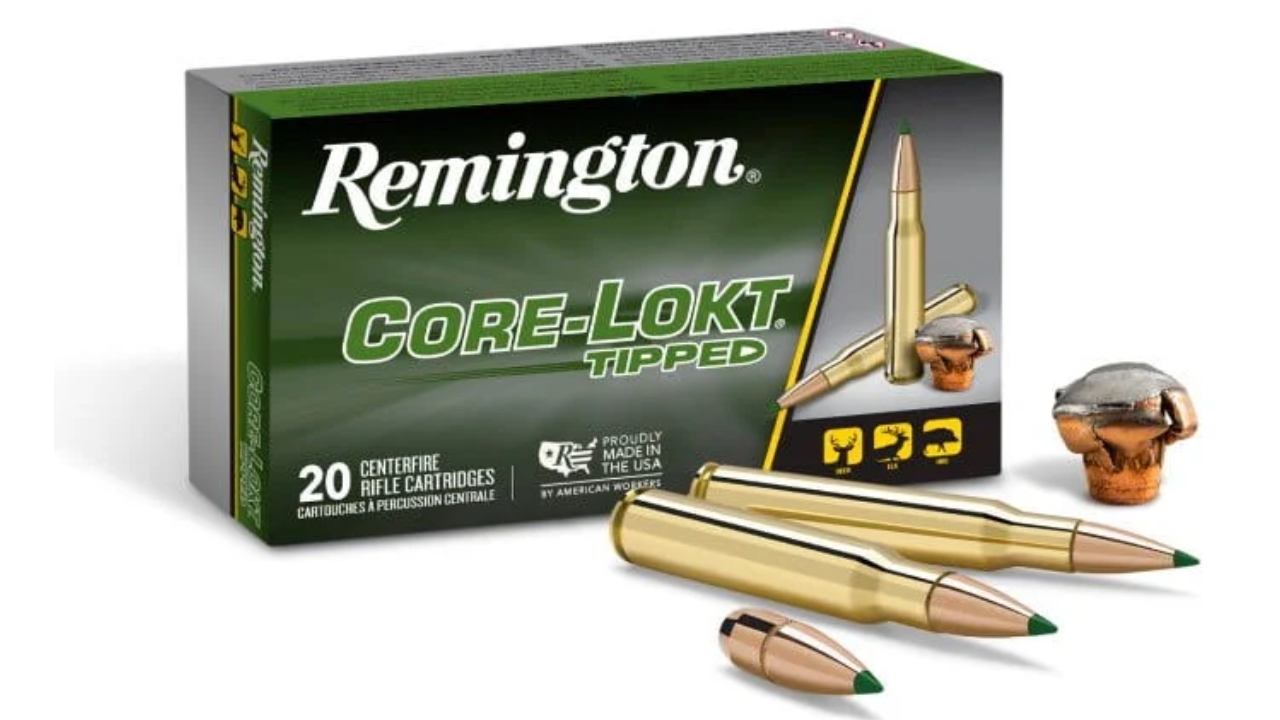
Remington’s update to their classic Core-Lokt was met with high expectations. The tipped design promised flatter trajectories and better long-range energy retention. Unfortunately, it didn’t translate to consistent accuracy. The polymer tips vary slightly in seating depth, and early batches showed uneven crimps.
The traditional Core-Lokt had a loyal following for decades because it was reliable and easy to tune for most barrels. The tipped version, however, introduced inconsistencies that many shooters didn’t expect. It’s flashy, it sells well, but plenty of rifles show poor grouping compared to the old standby. It’s a perfect example of “new” not always meaning “better.”
Browning BXR Rapid Expansion

Browning’s BXR loads were marketed as “ready for whitetails right out of the box.” The nickel-plated cases and Matrix tip look premium, but the performance doesn’t always match. The bullet design favors rapid fragmentation, which can lead to shallow penetration on heavier game.
Accuracy is also hit-or-miss. Many hunters found that their rifles grouped standard soft points or even budget FMJs tighter. The lightweight bullet combined with an aggressive polymer tip often results in inconsistent flight paths past 200 yards. The packaging screams quality, but the results often scream frustration. It’s one of those loads that performs great once—and never again the same way.
Nosler Ballistic Tip Hunting

Nosler Ballistic Tips are legendary for precision in target shooting, but their hunting versions sometimes disappoint. They expand violently and fragment quickly, which looks great on small game but often fails to exit larger animals. At close range, they can even break apart on shoulder impact.
Accuracy-wise, they’re sensitive to seating depth and barrel twist. Two rifles of the same caliber can yield completely different results. Many reloaders have learned to love the design only after extensive tuning. Factory loads, however, can be unpredictable. It’s one of those bullets that looks surgical on paper but behaves erratically unless conditions are perfect.
Winchester Power Max Bonded

The Winchester Power Max Bonded load was meant to rival Federal Fusion—bonded core, controlled expansion, and improved accuracy. In reality, it shoots inconsistently across barrel types. The bonding process adds minor imperfections to bullet balance, which can open up groups.
Many rifles exhibit erratic velocity spreads with this ammo, making long-range shots unpredictable. It hits hard up close, but performance tails off quickly. The Power Max isn’t a bad round, but it’s far from the “premium bonded accuracy” the box promises. It’s one of those cartridges that looks like an upgrade but rarely delivers one.
Hornady Outfitter

Hornady’s Outfitter line markets itself to hunters who need waterproof, temperature-stable ammo. The nickel-plated brass and sealed primers are great for durability—but the CX monolithic bullets are notoriously picky. In many rifles, they won’t group tightly without a perfect match between bullet jump and barrel twist.
Accuracy often degrades at longer ranges because the monolithic design exaggerates any inconsistencies in seating or alignment. It’s great in theory for hunters braving wet conditions, but most shooters would trade the corrosion resistance for consistent grouping. The ammo’s appeal fades fast once you start punching paper.
Federal Trophy Bonded Tip

Federal’s Trophy Bonded Tip is a respected name among big game hunters, but it’s not without flaws. The bullet construction—thick jacket and bonded core—makes it hard for some barrels to stabilize. As a result, rifles with slower twist rates often see poor grouping.
The heavy bearing surface can also spike pressures unexpectedly in certain chambers. Many reloaders find that similar bullets like the AccuBond or Partition shoot tighter and cleaner. The Trophy Bonded Tip performs well on impact, but at the cost of predictable accuracy. It’s one of those “great on game, frustrating on paper” loads that look far better in ads than on targets.
Hornady American Whitetail

Hornady’s American Whitetail load gets points for affordability, but not for consistency. It uses InterLock bullets, which work well for expansion but don’t always fly true in every rifle. Many shooters report random flyers and vertical stringing even after cleaning and load testing.
The powder blend is temperature sensitive, leading to noticeable velocity shifts between cold mornings and warm afternoons. On the range, that translates to unpredictable point of impact. The marketing pushes it as “accuracy with reliability,” but the performance rarely holds up past 150 yards. It’s good budget ammo—but it’s not the “precision deer load” the branding makes it sound like.
Winchester Super-X Soft Point

Winchester’s Super-X line has been around forever, but some modern versions don’t perform like the classics. The quality control on newer soft points varies, with bullets showing inconsistent jacket thickness and seating depth. Groups can be all over the place, even from rifles that shoot other brands flawlessly.
The powder blends have also changed over time, and many shooters find their rifles no longer group Super-X loads the way they used to. It’s nostalgic ammo that’s lost some of its reliability, especially in higher-velocity calibers. It’s still serviceable for close-range hunting, but if you’re chasing tight groups or extended-range precision, it’ll leave you disappointed—and probably shopping for something else after one box.
*This article was developed with AI-powered tools and has been carefully reviewed by our editors.