
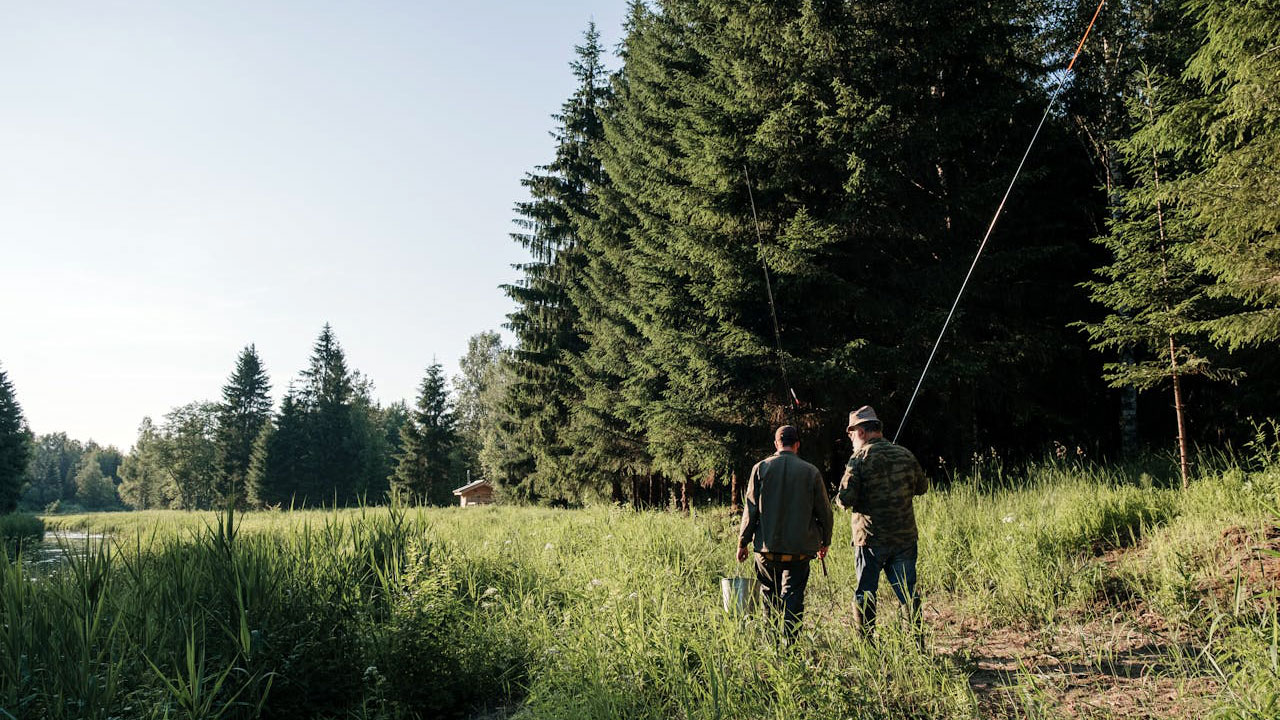
Photo credit: cottonbro studio/Pexels.com
Out-of-state demand isn’t automatically “bad.” It brings money into agencies and small towns. But when the demand gets big enough, residents start feeling it in three places: access pressure, draw odds/availability, and costs/rules that get tightened to manage crowds. Some states respond by raising nonresident fees, some by capping licenses, and some by restructuring tag systems entirely.
Here are 15 states where that squeeze is showing up the most.
Montana

Montana has been at the center of the conversation because nonresident demand keeps stacking onto the same public-land corridors. In late 2025, Montana’s Fish and Wildlife Commission voted to cap sales of a nonresident general deer license, a move explicitly aimed at reducing pressure and addressing mule deer issues. The fact they went after the license structure tells you how loud the overcrowding complaints have gotten.
Residents feel it in the “everything is packed” way—trailheads full, trucks lined up at access points, and the same basins getting hit day after day because they’re the easiest to hunt. Even when deer numbers are fine, the experience changes when everyone hunts the same few entry points.
Idaho

Idaho made one of the clearest “demand control” moves on the board: starting in 2026, nonresident general season deer and elk tags are issued via an application/draw process instead of the old system. That change doesn’t happen unless the state is trying to manage demand and how tags are distributed.
For residents, the upside is less chaos at the start of tag sales and a better chance that pressure doesn’t spike in the same predictable units overnight. The downside is the broader vibe: when demand gets big enough that a state has to overhaul how tags are issued, residents know the “easy days” are gone.
Colorado
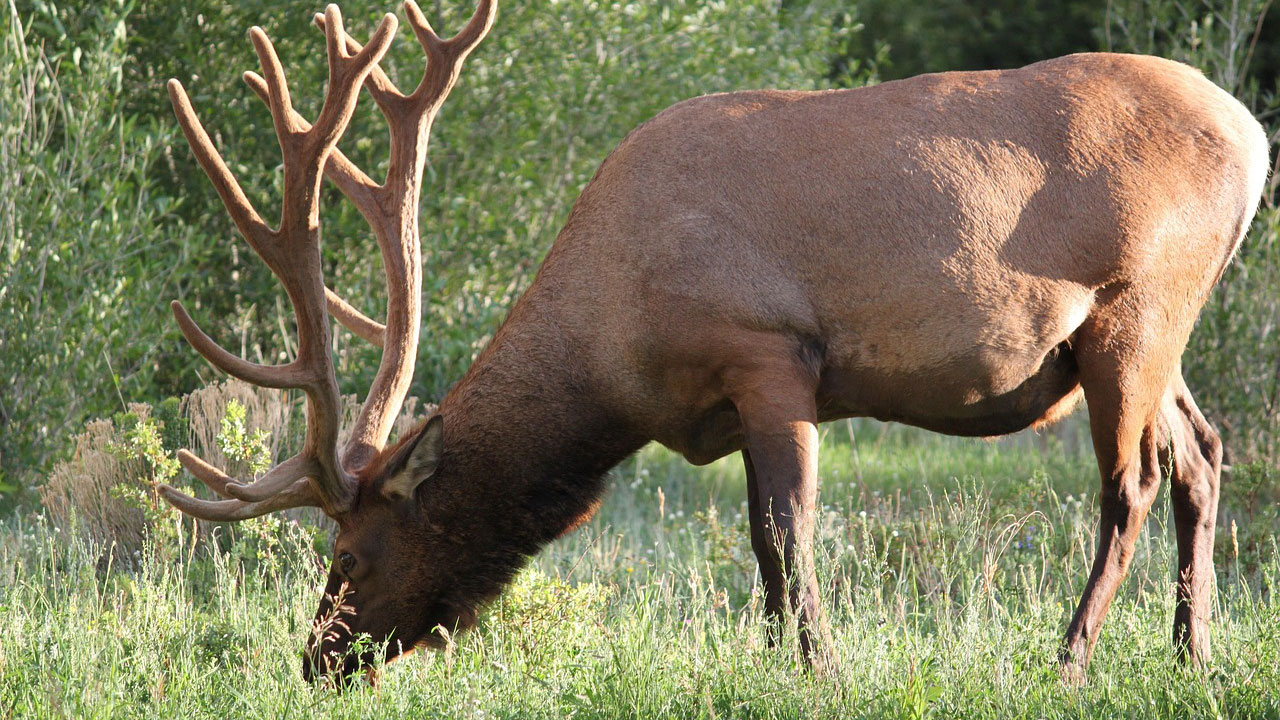
Colorado is where residents have watched the OTC/nonresident pressure story play out in real time—especially in famous elk country. In February 2026 reporting, a Colorado outlet described GMUs in the Gunnison Basin moving from OTC bull elk to limited licensing, citing resident survey support for converting OTC to limited. That’s exactly the kind of shift you see when local hunters feel crowded out.
The resident “price” in Colorado is often practical: more competition for trailheads, more people in the same drainages, and animals that get pushed into private or nastier terrain early. Even if the state still offers opportunity, residents end up hunting pressure patterns as much as hunting elk.
Wyoming

Wyoming is a classic “demand makes everything expensive” state. The special vs. regular draw structure means nonresidents can pay a lot more for potentially better odds, and the price difference is real money. That doesn’t directly raise resident tag prices, but it absolutely changes who shows up—and how committed they are when they do.
Residents feel it because the nonresident crowd often concentrates on the same high-demand units and access corridors, especially where public land is limited by private checkerboard. When the tag is expensive and hard-earned, people hunt it hard.
Utah

Utah is a good example of the “resident benefit vs. resident pressure” balancing act. The state passed a law authorizing higher nonresident fees beginning July 1, 2025 (licenses) and Sept. 1, 2025 (permits). That’s one way states try to manage demand and fund wildlife work without hammering residents.
But residents still feel the crowding in popular general-season and accessible public land. Even if the state keeps resident-friendly structures, the simple reality is that Utah is a destination state—and destinations bring pressure.
Arizona
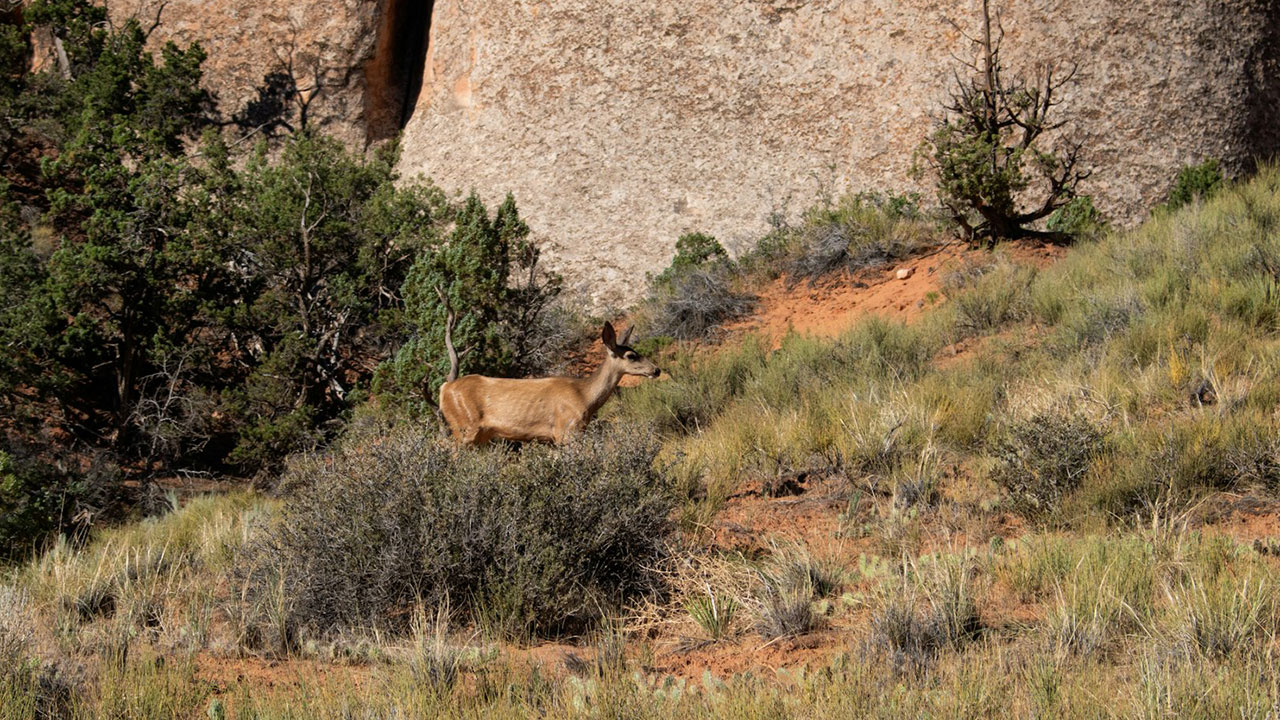
Arizona makes out-of-state demand visible with one hard number: the 10% nonresident cap in the draw for many hunt codes/species. When demand is high, that cap means point creep and brutal odds for nonresidents—but it also means residents see more of the tag pie.
The resident price shows up in a different way: the state is so desirable that pressure builds around roads, glassing points, and well-known public parcels. Residents might have better access to tags than outsiders, but they still share the ground with a lot of serious travelers.
New Mexico

New Mexico’s system is built around protecting residents on paper: at least 84% of draw licenses go to residents, with up to 10% in an outfitter pool and up to 6% for nonresidents applying without an outfitter. And 100% of draw licenses for antlerless elk and WMA-only hunts go to residents.
So what’s the resident “price”? Pressure and access. When a state is famous for elk and uses a pure random draw, it attracts massive interest. Residents still deal with crowded public land, and in some areas the outfitter pool dynamic shapes where and how hunting happens.
Oregon

Oregon is a state where demand shows up in both structure changes and costs. A January 2026 roundup highlighted Oregon increasing costs for licenses, application fees, and nonresident tags (example figures in that report: nonresident deer and elk tag costs increasing).
Residents feel the pressure side most on public land near trailheads and accessible timber, especially during peak seasons. The more nonresident interest rises, the more local hunters deal with “parked out” access points and animals that shift to private or nastier cover faster.
Nevada

Nevada is a destination draw state where nonresident demand is always high, and the upfront-cost structure makes people take trips seriously. Official NDOW materials show the nonresident license costs and the application process that feeds that demand pipeline.
Residents pay the price mostly in competition for the best units and the best access routes. Nevada is huge, but the productive basins and the best glassing country funnel people into the same few roads and pullouts.
California

California’s demand story is weird because a lot of it is internal (huge population) plus nonresidents chasing iconic experiences in certain regions. Where it overlaps with bear country or mountain corridors, conflict management and access rules get strict fast—sometimes pushing residents into more regulated, more crowded situations even when they’ve lived there forever.
Residents also deal with access being the real limiter. When public parcels are hard to reach or heavily restricted, the few “easy” entry points get hammered—by everyone.
Washington

Washington’s resident pain point is how many people use the same public corridors—hunters and non-hunters. Add nonresident travelers who want a new state to hunt, and the easiest access points get crowded fast. Even when tags aren’t the core issue, the experience is: more trucks, more boot tracks, more animals shifting into private or thicker cover.
Washington residents often end up competing with recreation pressure too, which makes the “out-of-state demand” feel bigger than just hunting numbers.
South Dakota
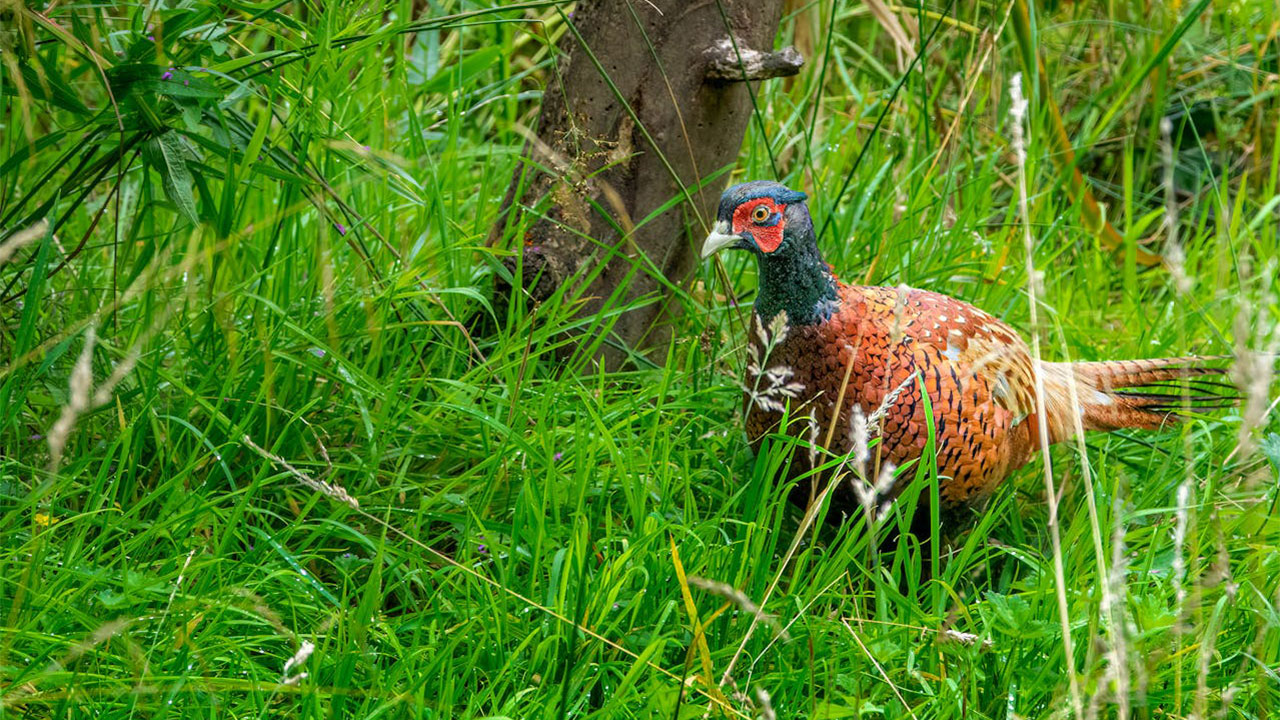
South Dakota is a clean example of residents pushing back on nonresident public-land pressure. In 2023, South Dakota capped nonresident archery deer licenses on public land (with a specific public-land tag cap reported), while nonresident private-land licenses remained unlimited. That’s the state basically saying, “Public land is getting crowded.”
Residents feel it because the public-land experience is what changes first. When parking lots and walk-in areas get hammered, states start writing rules around the pressure.
Kansas

Kansas is a trophy-whitetail magnet, and demand shows up in the permit numbers. Farm Progress reported that about 24,000 out-of-state hunters applied for about 22,000 nonresident permits, and noted Kansas has one of the higher nonresident shares of deer hunters. Kansas also publishes a defined nonresident deer permit application period, reflecting how regulated the demand has become.
For residents, the price is often access and leasing. When demand rises, more ground gets leased, permission gets harder, and locals end up pushed onto fewer parcels or into hunting harder-to-access habitat.
Iowa

Iowa is the classic “nonresident demand meets limited supply” state. The state offers preference points for nonresidents, which exists for one reason: demand exceeds availability for many zones. That “years to draw” reality is exactly what drives more nonresident pressure into neighboring states—and keeps Iowa residents protective of their system.
Residents pay a different kind of price here: nonstop out-of-state interest fuels leasing rates and permission scarcity. You can have great deer and still have locals rolling their eyes because every fence line feels like it has a price tag now.
Wisconsin

Wisconsin’s resident squeeze is partly financial and partly cultural. The Wisconsin DNR announced nonresident fee changes in recent years. And national coverage has described how nonresident fee increases were used to help address funding gaps.
But the bigger “resident price” is pressure in the places that are easy and public. When you stack resident tradition + nonresident travel + concentrated public parcels, the average local hunter feels it in parking lots, competition, and deer that adjust fast.
Like The Avid Outdoorsman’s content? Be sure to follow us.
Here’s more from us:


