Photo credit: Dmitri T/Shutterstock.com
Gun safes are supposed to keep your firearm secure—but some make it nearly impossible to get to your weapon when it counts. Whether it’s a slow biometric reader, a clunky mechanical lock, or a lid that sticks every time, a bad design can cost you precious seconds. And when you’re under pressure, you don’t want to fumble around hoping the safe decides to cooperate. Here are seven safes that might keep your gun secure—but also might keep it from you when you need it most.
GunVault MiniVault (Biometric)
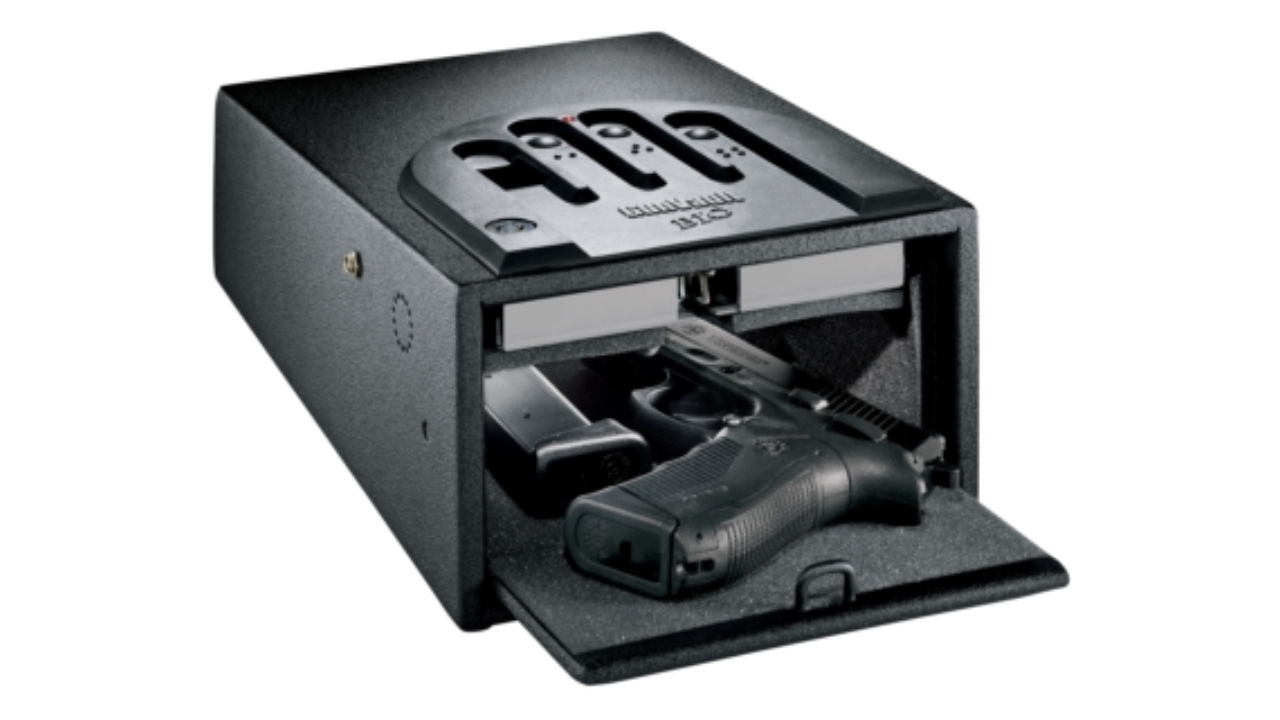
The idea sounds good—quick access with just a fingerprint. But in practice, the biometric reader on the MiniVault is hit or miss. Wet hands? Dirty fingers? Good luck getting it open on the first try.
Plenty of folks end up using the key or backup code more often than the scanner. That kind of defeats the point of fast access. If you’re banking on reliability under stress, this safe has some frustrating quirks.
Barska AX11620 Biometric Safe
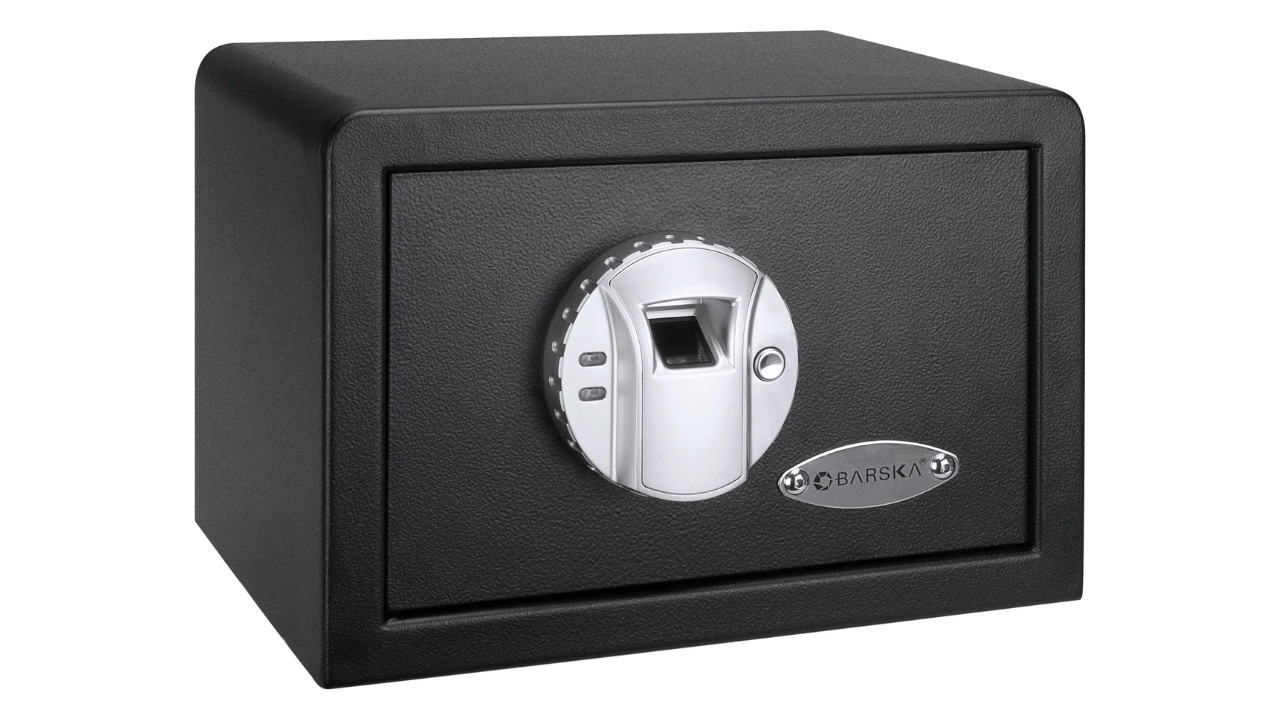
Barska’s compact biometric safe promises fast access, but users often complain it takes multiple swipes to read a fingerprint correctly. And when seconds matter, that lag can be a dealbreaker.
Add in a loud beep with each failed read, and you’ve got a safe that’s both slow and attention-grabbing. It’s secure, sure—but that doesn’t help if you’re standing there locked out while your heart’s pounding.
Stack-On PDS-500 Drawer Safe

The PDS-500 uses an electronic keypad that feels about a decade behind. The buttons can be slow to register, and there’s a noticeable delay before the lock disengages.
Some users also report keypad malfunctions after just a few months. When it works, it’s fine. But when it doesn’t, you’re fumbling for the override key in the dark—exactly what you don’t want in an emergency.
SentrySafe QAP1BE
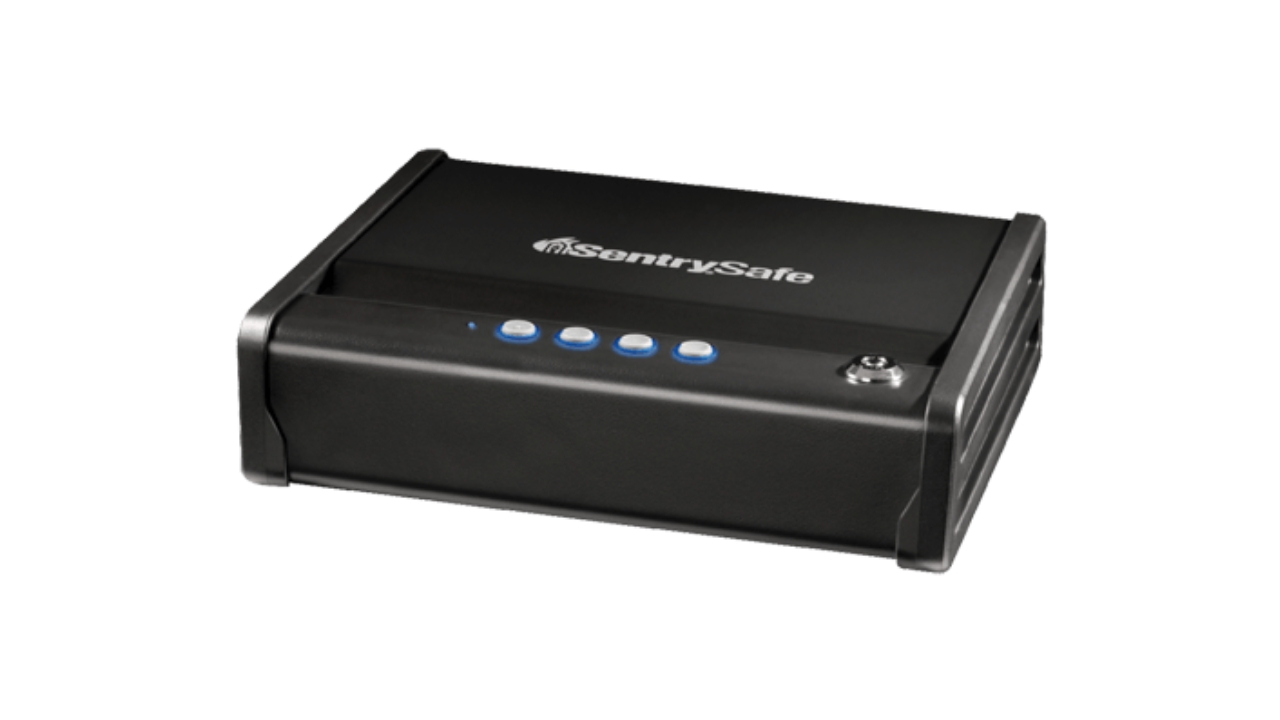
The SentrySafe QAP1BE is another biometric model with inconsistent reads and slow response times. If you’re in a rush, expect it to let you down once in a while.
Even the backup keypad can feel unresponsive. Combine that with the sluggish lid lift and you’re looking at delays that could matter. It’s quiet and low-profile, but it doesn’t always perform when the pressure’s on.
Amazon Basics Security Safe
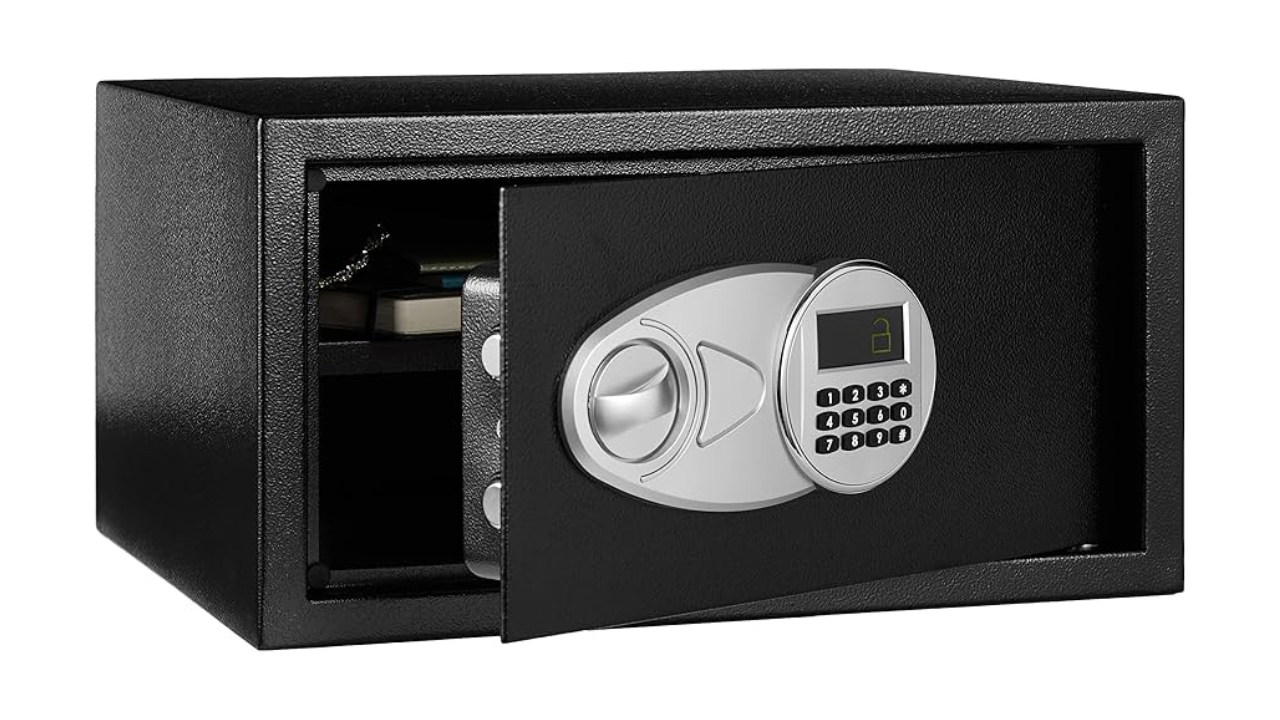
This one’s more of a generic home safe than a quick-access solution. The keypad is clunky, the door sticks, and the motorized lock takes its sweet time unlocking.
It’s not marketed specifically for firearms, and it shows. You can technically store a handgun in it, but don’t count on getting to it in a hurry. It’s best used for documents—not defense.
Hornady Rapid Safe 2700KP
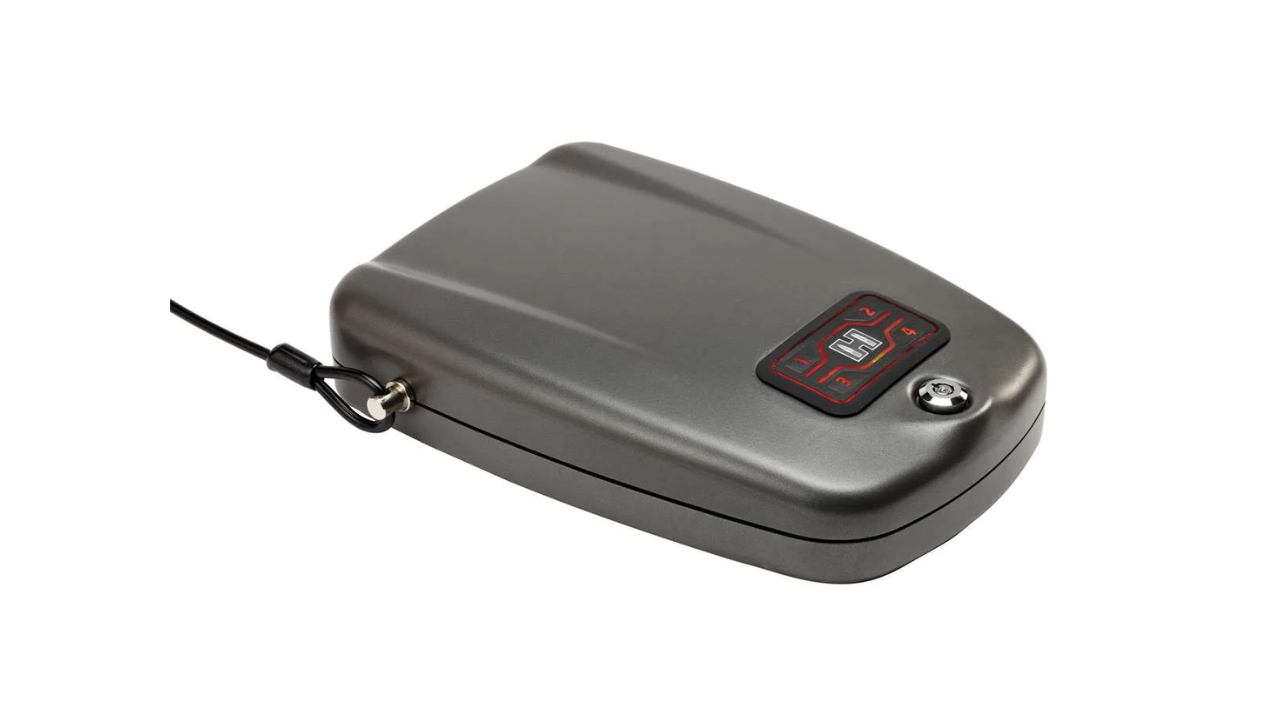
Hornady’s RFID technology seems fast on paper, but it can be glitchy in real use. Tags have to be positioned just right, and that isn’t always easy when you’re half-awake or in a panic.
The lid mechanism is strong, but if the RFID doesn’t trigger right away, it forces you to switch to a backup code or key. It’s a neat concept, but not always dependable when time is tight.
GunVault MicroVault XL (Keypad)
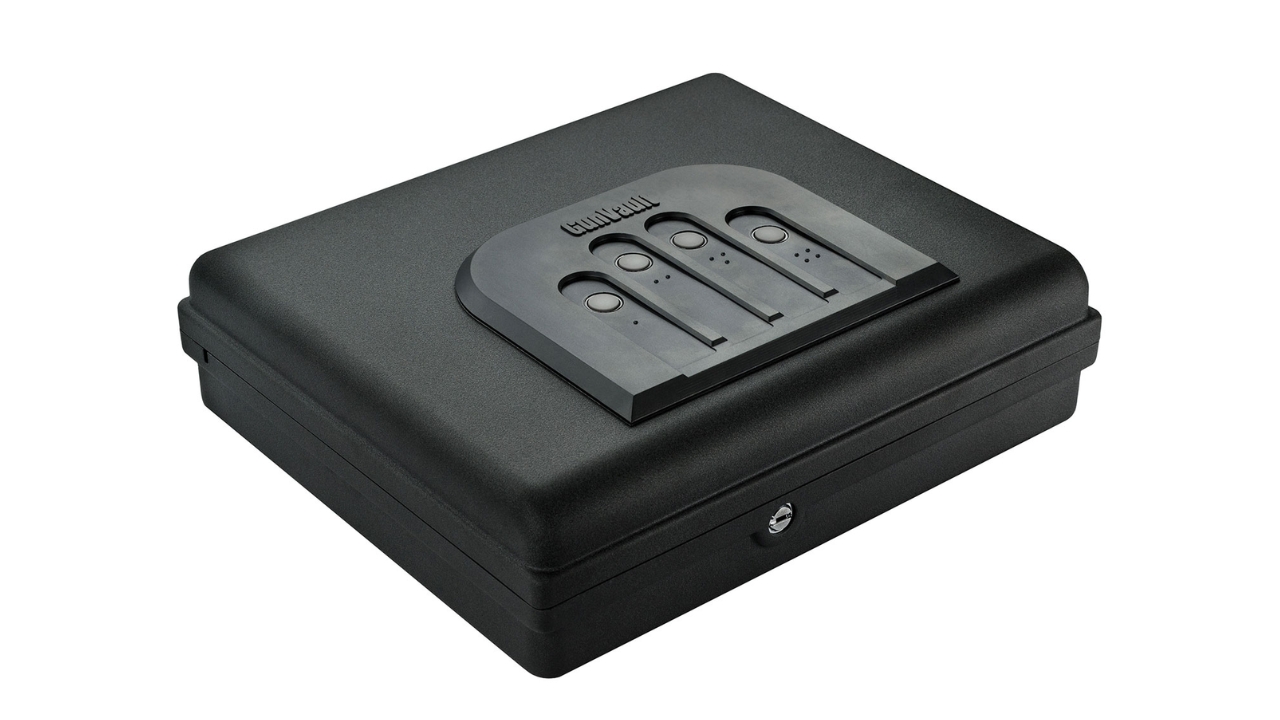
The MicroVault XL ditches biometrics for a keypad—but the layout can be a pain. It’s not intuitive in the dark, especially if you haven’t practiced a lot.
It’s also easy to fat-finger the input if you’re rushed. Add to that a slow lid pop and it starts to feel more like a secure storage box than a true quick-access safe. It works, but not always fast.
*This article was developed with AI-powered tools and has been carefully reviewed by our editors.