Photo credit: Northern Hills Defense/YouTube
The worst time for a gun to let you down is when the shot finally presents itself. You’ve hiked in, watched the wind, kept quiet, and waited. And then, when it matters—click, jam, misfire, or worse. Some guns don’t choke on the range, but the second they hit the backcountry or see a little moisture, they fall apart. It’s frustrating because you might’ve trusted them for years before they showed their true colors. Sometimes it’s design flaws, other times it’s bad materials or shortcuts taken at the factory. Whatever the reason, some guns flat-out don’t belong in the field when the pressure’s on.
Remington 770
The 770 tried to offer an affordable bolt-action with a factory scope, but it cut too many corners. In dry conditions, it might group well enough. But once you’re hiking through wet brush or sitting in freezing temps, the sticky bolt and plastic stock show their flaws.
When the bolt binds or doesn’t close smooth, it can cost you a fast follow-up. And the factory magazine likes to pop loose at the worst time. Add in a mushy trigger and you’ve got a rifle that works in theory, but falls apart when the shot matters. A clean bench is one thing—real hunts are another.
CVA Hunter Single Shot

There’s nothing wrong with single-shot rifles—if they’re built solid. The CVA Hunter is a lightweight option that feels handy, but it doesn’t hold up well under real use. The hinge lockup can get sloppy fast, and the trigger doesn’t inspire much confidence.
In the field, it’s not uncommon for the gun to fail to fire or hang up when trying to open or close it after a shot. That might be fine at the range, but when you’re trying to reload quickly with cold fingers in the woods, that’s a big problem. You need more out of a hunting rifle than novelty and price point.
Remington 597 in .22 WMR
In .22 LR, the 597 had its quirks. But in .22 Magnum, it was flat-out unreliable. The magazines were a mess, the extraction was weak, and the cycling was spotty even with top-shelf ammo. For small game hunts, that gets old fast.
Even with a clean action and properly loaded mags, the 597 in .22 WMR tended to stovepipe, fail to feed, or light strike at random. You don’t want to be clearing jams while trying to pop a rabbit or hit a coyote at dusk. Plenty of rimfires can handle field duty. This one never really did.
Mossberg 100ATR
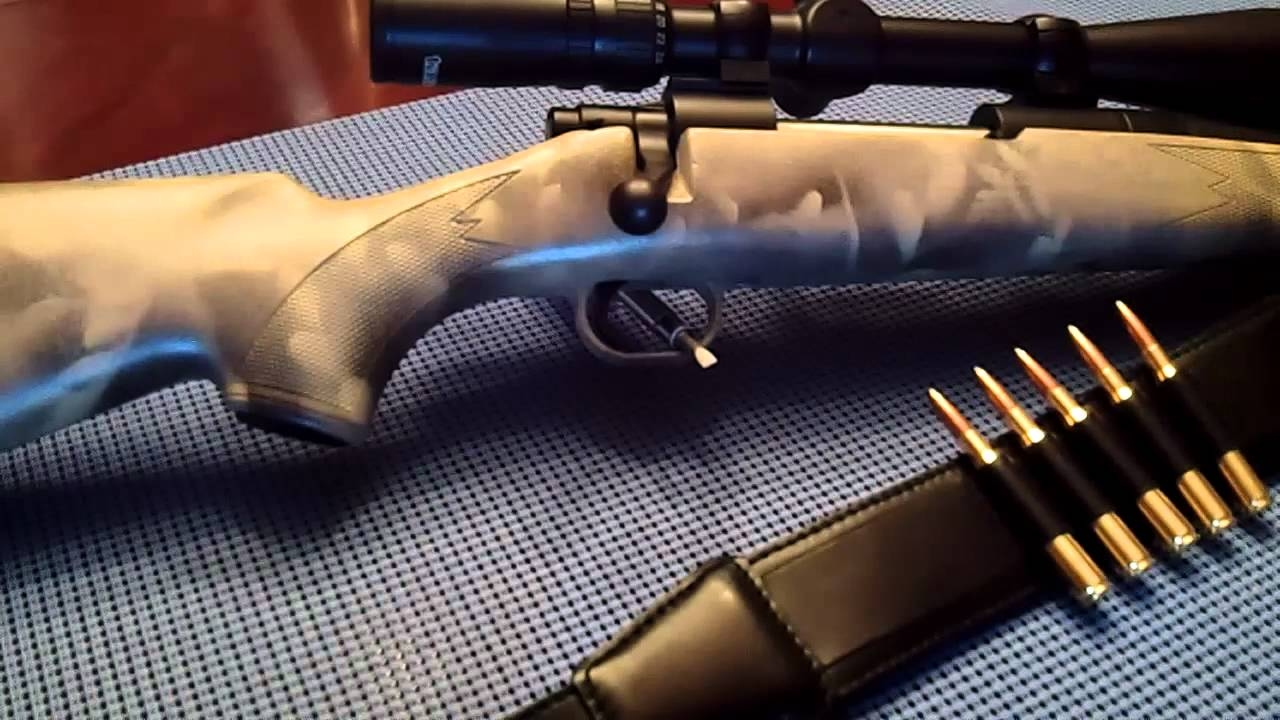
The 100ATR was another low-cost bolt-action that looked fine on paper. But reliability in the field was hit or miss. The bolt throw felt gritty, and the safety design could be finicky in cold weather. Not great when you’re trying to make a shot with gloves on.
Hunters have had issues with accuracy wandering after a couple shots and with the gun refusing to eject reliably when the action got even a little dirty. If you’re hiking in snow, crawling through sage, or hunting in the rain, those small issues become big ones. And you only get so many chances out there.
Winchester Wildcat 22
The Wildcat had a clever design and tool-free takedown, but the action was finicky and the feeding system too delicate for serious hunting. It might do okay plinking cans or shooting paper, but in the field, things change.
Magazines seated oddly, and even with the right ammo, extraction could be inconsistent. That’s the kind of thing that turns squirrel hunting into an aggravating mess. You might keep it as a pack gun or trainer, but if you’re serious about bringing home meat, this one makes you work harder than it should.
Rossi R92 in .357 Magnum

Lever guns make great brush rifles—when they run right. The Rossi R92 in .357 has potential, but the out-of-the-box reliability can be hit or miss. Feeding issues are common, especially with anything but full-length rounds. Hollow points? Good luck.
Even when cleaned and lubed, some R92s have a tendency to bind up mid-cycle or fail to extract smoothly. That’s fine when you’re punching paper or working slow. But when a hog steps out or a buck needs a quick second shot, a lever that won’t cycle is a big liability. You shouldn’t have to gunsmith your way to basic function.
Savage A17
The A17 was designed to bring semi-auto reliability to .17 HMR, and while it works sometimes, the platform doesn’t always cooperate under field conditions. Magazines can be touchy, and the delayed blowback system is sensitive to debris and inconsistent ammo.
On cold mornings or dusty days, you may find yourself clearing stovepipes or dealing with feeding issues that don’t show up at the range. You’re not shooting prairie dogs from a bench out there—you’re walking fence lines and watching treelines. You want your rifle to go bang every time, not hiccup because of a little dirt in the chamber.
Like The Avid Outdoorsman’s content? Be sure to follow us.
Here’s more from us:
The worst deer rifles money can buy
Sidearms That Belong in the Safe — Not Your Belt
*This article was developed with AI-powered tools and has been carefully reviewed by our editors.