Photo credit: JJdoes.everything/YouTube
Cold-bore groups can make you fall in love fast. Three shots touching, a clean little cloverleaf, and you’re already thinking this rifle is “the one.” Then you run another string, the barrel warms, and the next group opens up like you switched ammo mid-box.
That shift is usually heat, not bad luck. Thin hunting contours warm quickly. Stocks that barely clear a barrel channel can start pressing as things expand. Add a bipod, sling tension, or a front bag that grabs the forend differently from shot to shot, and you’ll watch point of impact creep. None of this means the rifle is useless. It means you need to judge it the way you’ll actually hunt with it—and understand which rifles are more likely to wander once they’re hot.
Remington Model 783
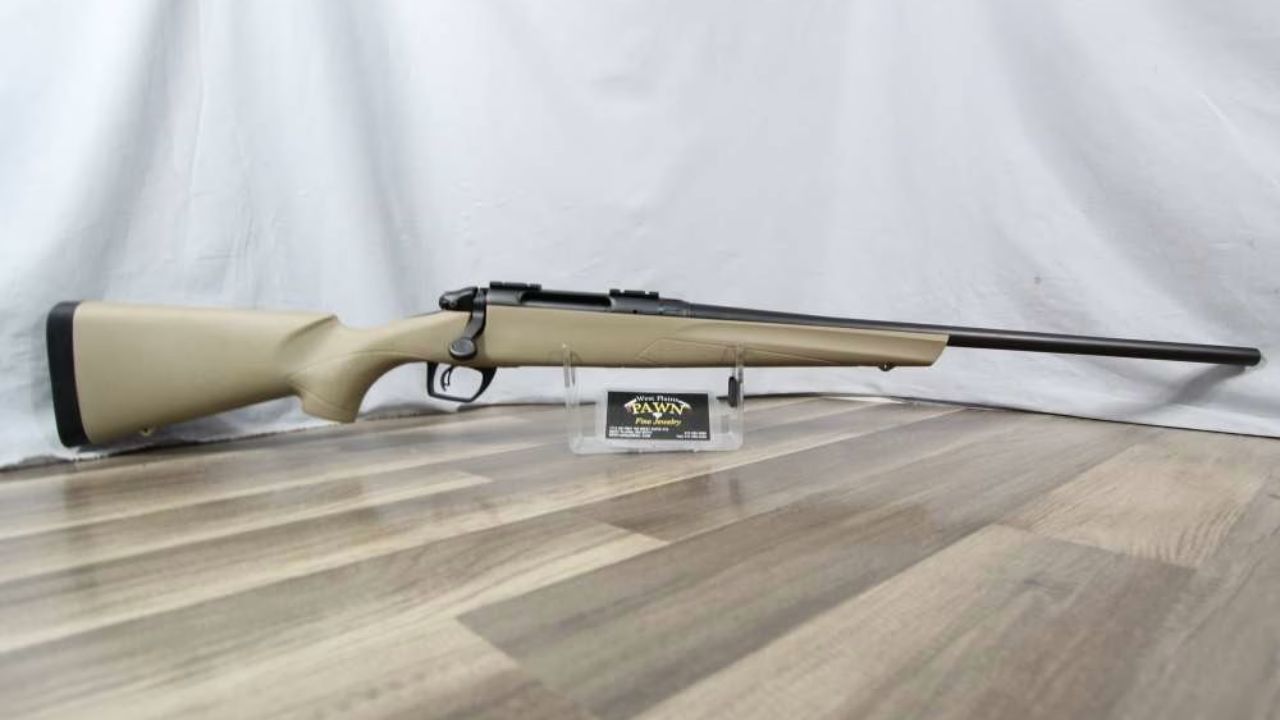
The 783 can put up a great first group and make you feel like you found a bargain. A lot of them will shoot a tidy three-shot cluster with the barrel cool. Keep pressing, though, and you’ll sometimes see groups open or start to string as the heat builds.
That’s the downside of a hunting-weight setup that’s asked to behave like a range rifle. The barrel warms quickly, and any small change in how the forend is supported can show up on paper. Some 783 stocks also have tight spots in the barrel channel that don’t matter until things warm and shift. If you shoot it at a hunting pace, it usually looks a lot better. If you try to run five-shot strings back-to-back, you’ll see its limits fast.
Ruger M77 Hawkeye Compact

The Hawkeye Compact carries like a dream, but compact hunting rifles can get “hot and bothered” in a hurry. A cool barrel may print a tight group, then the next string starts creeping as heat and pressure build.
Shorter, lighter barrels don’t have the same thermal mass as a heavier contour. Add a front rest that grabs the forend, or sling pressure that changes between shots, and you’ll see point of impact move. That doesn’t make it unreliable—it makes it honest about what it is. If you evaluate it with slow, deliberate shots and cooling time, the Compact usually gives you plenty of accuracy for real-world hunting. Treat it like a bench rifle, and it’ll remind you why it’s called “Compact.”
Marlin X7 (XL7/XS7)

The old Marlin X7 series surprised a lot of people with how well it could shoot—especially on the first group. It’s not rare to see a strong three-shot start and then a gradual widening as the barrel warms.
You’re dealing with a hunting contour and a stock that can be sensitive to pressure. If your rest placement moves even a half-inch, the warm barrel may react differently. Some rifles also show a little vertical stringing once heat builds, which looks like “bad ammo” until you realize it’s a temperature pattern. Shoot a cold group, let it cool, then repeat. That’s the fairest way to judge these rifles, and it lines up with the way you’ll actually use them when a deer steps out.
Ruger Scout Rifle (Gunsite Scout)

The Ruger Scout is built for handling and field practicality, not long strings off a bench. It can shoot a respectable cold group, then start spreading if you run it like a target rifle, especially with the lighter barrel profile in many configurations.
The Scout’s strength is quick first-shot performance and repeatability at a realistic pace. Heat shows up quickly if you’re firing multiple strings, and the setup can be sensitive to how you support it—especially if you’re loading a bipod or pulling into a sling hard. Add the fact that many Scouts wear forward-mounted optics, and you can also “feel” wobble differently and chase the group without realizing it. Slow down and keep your support identical, and you’ll see the rifle’s real personality—steady, not surgical.
Stevens 200

The Stevens 200 has always had a reputation for “cheap, but it shoots,” and plenty of them earn that. Cold groups can look great. Where it can get frustrating is when you keep shooting and the groups start wandering as heat and stock pressure stack up.
A lot of Stevens rifles live in basic synthetic stocks that flex more than you’d like. That flex might not show up when the barrel is cool and you’re taking your time. Start firing faster, add a bit of pressure on the forend, and heat makes the rifle less forgiving. If you’ve ever seen the first three shots touch and the next two land out of the group, that’s the pattern. Torque consistency and a steady shooting cadence matter more here than most people expect.
Ruger No. 1 (Light-Barrel Versions)

A Ruger No. 1 can be an absolute laser on the first group—then turn into a head-scratcher once the barrel warms. It’s not that the rifle can’t shoot. It’s that the No. 1’s design and forend setup can be more sensitive to heat and pressure changes than a typical bolt gun.
With some No. 1s, you’ll see groups shift as the barrel warms and the forend pressure changes. Rest placement matters a lot, and even small differences in how you support the rifle can move impact. The classic move is to chase it with scope adjustments instead of controlling the variables. If you want to see what a No. 1 really does, shoot three-shot groups with cooling time and keep the forend supported the same way every time. When you do, the “mystery” usually gets smaller.
Mossberg ATR 100

The ATR 100 is one of those rifles that can tease you with a great first group and then make you work for the next one. A cool barrel may print tight, but heat can bring out inconsistent behavior—usually in the form of widening groups or a slow drift.
The ATR’s hunting contour and budget stock are a common combination for this problem. Flex and barrel-channel clearance don’t always matter until the barrel warms. Once you add heat and a bit of pressure from a rest, you may get contact that wasn’t there on the cold group. You’ll also see sensitivity to how hard you grip the rifle as you get tired. Shoot it like you’d hunt it: slower cadence, consistent front support, and a light touch. That’s when the ATR tends to look most honest.
Weatherby Mark V Ultra Lightweight

Ultra-light rifles are famous for looking great on paper—right up until you shoot them like a range gun. A Mark V Ultra Lightweight can throw a sweet cold group, then open up as heat builds because there simply isn’t much barrel there to soak temperature.
That’s not a knock on the rifle. It’s physics. Thin barrels warm fast and change quickly. On top of that, recoil from an ultra-light platform can make you tighten up without realizing it, which turns into extra movement as the session goes on. If you’re testing, give it time between shots. If you’re hunting, you’re almost always taking one shot cold or near-cold anyway. Judge it like a hunting rifle, not a benchrest rig, and you’ll get a more realistic read on it.
Ruger 77/44

The 77/44 is a handy woods rifle, and it can absolutely shoot well enough for what it’s built to do. Cold groups can look tight at 50–100 yards, then you’ll sometimes see the pattern loosen as the barrel warms and your support changes.
Carbine-length barrels heat quickly, and the 77/44’s role encourages quick shooting—exactly the kind of pace that exaggerates warm-barrel shifts. Some rifles also react strongly to forend pressure, especially if you rest them close to the tip. You’ll notice it when you move from bags to a bipod or from a soft rest to a hard one. Keep your rest placement consistent, slow your cadence, and you’ll usually get stable performance. Try to rapid-fire groups, and you’ll think something is “wrong” when it’s really just heat.
Howa 1500 Hogue OverMolded Package

The Hogue OverMolded stock feels good in the hands, but that softer, grippy forend can create its own issues as things warm. A Howa 1500 in a Hogue stock can shoot a tight first group, then start stringing or shifting if the forend begins touching the barrel as heat builds or as you change support pressure.
This is one of those setups where rest pressure matters a ton. If you load into the rifle differently from shot to shot, the warm barrel will show it. The rifle itself is usually solid. The stock is often the variable. Keep the front support consistent, avoid cranking down on the forend, and shoot at a realistic cadence. If you want to diagnose it, mark your rest location and repeat it exactly. You’ll learn fast whether the “walking group” is the stock, the heat, or your setup.
Remington 7600

The 7600 isn’t a bench rifle, but it can print a surprisingly tight first group with the right ammo. The warm-barrel behavior shows up when you shoot it in longer strings and the pump action encourages a faster cadence than you’d run with a bolt gun.
As the barrel warms, small changes in how you mount the rifle—and how you pull it into your shoulder—start to show up. The forend and action movement can also change the feel of the gun shot to shot if you’re getting a little aggressive on the pump stroke. That doesn’t mean it won’t hit where it needs to. It means you should test it like you’ll use it: a couple shots, cool it, then confirm. The 7600 shines when you keep the tempo realistic and the support consistent.
Ruger Mini-14 (Standard Barrel)

A standard Mini-14 can look great for the first few rounds—then spread out as the barrel heats. This is one of the most common “tight early, loose later” rifles because the barrel profile is light and the platform is often shot at a faster pace.
Heat changes harmonics quickly on a thin tube. Add a bit of barrel whip, plus the fact that many people grip a Mini differently as they get tired, and you can watch groups expand. Some shooters also chase the group with sight adjustments instead of letting the gun cool and repeating the test. The fair way to judge a Mini is with controlled cadence and consistent support. If you run it like a carbine class rifle with long strings, expect more spread. If you shoot it like a ranch rifle for practical accuracy, it usually makes more sense.
FN SCAR 17S

The SCAR 17S is a soft-shooting .308 for what it is, and a cool barrel can print groups that make you proud. Run it hard, though, and heat plus support changes can open things up, especially if you’re transitioning between positions or loading a bipod aggressively.
The platform encourages speed, and speed builds heat. As the barrel warms, your point of impact can shift slightly and your groups can widen. You’ll also see shooters change how they grip the gun as recoil stacks up, which doesn’t help. The SCAR will also magnify any inconsistency in your support hand pressure. If you want clean data, slow it down and keep your support identical. If you’re using it for what it’s built for—fast, practical shooting—expect the warm barrel to behave differently than the first cold group.
Ruger Precision Rifle

Even a rifle built for precision can show warm-barrel changes if you’re running long strings and building heat fast. Depending on configuration, a Ruger Precision Rifle can shoot a tight first group, then start to string once the barrel is hot and you’re chasing speed instead of consistency.
A lot of the issue is cadence. Precision rifles often get shot in longer strings, and people forget that barrels still heat, even when they’re heavier than a typical hunting gun. Add a tight bipod load, or a rear bag technique that changes as you get tired, and you’ll watch the group stretch. This is one where your process matters as much as the rifle. Shoot consistent strings, keep the same pressure, and let the barrel cool between groups if you’re trying to evaluate mechanical accuracy instead of “how it looks after 30 rounds.”
Thompson/Center Icon

The T/C Icon can be a sweetheart on the first group, especially when the barrel is cool and everything is settled. Where it can frustrate you is when heat shows up and you start seeing a little point-of-impact shift or group growth that wasn’t there at the start.
This often comes down to how the stock and action interface behaves as temperature changes. If you’re resting the rifle differently between groups—or you’re applying pressure near the forend tip—you can get different results once the barrel is warm. The Icon is also a rifle that tends to reward careful torque and consistent setup. If you treat it like a hunting rifle and shoot at a hunting pace, it generally looks much better. If you hammer strings and get impatient, the target will tell on you.
Ruger 10/22

People don’t always think “heat” with .22 LR, but a thin-barreled 10/22 can still change as it warms during high-volume shooting. You might see a tight early group and then a slow widening as the barrel and action heat, especially if you’re resting it inconsistently.
A 10/22 is also sensitive to how it’s supported. Press the forend into a rest one way, then shift it slightly, and you can move impact. As the session goes on, you also start to rush because it’s “only a .22,” and your fundamentals loosen up. That combination makes it look like the rifle went bad when it’s really heat, support, and pace. If you want honest groups, slow down, keep the support identical, and let it cool for a minute. Even rimfires have limits when you treat them like a hose.
Like The Avid Outdoorsman’s content? Be sure to follow us.
Here’s more from us: