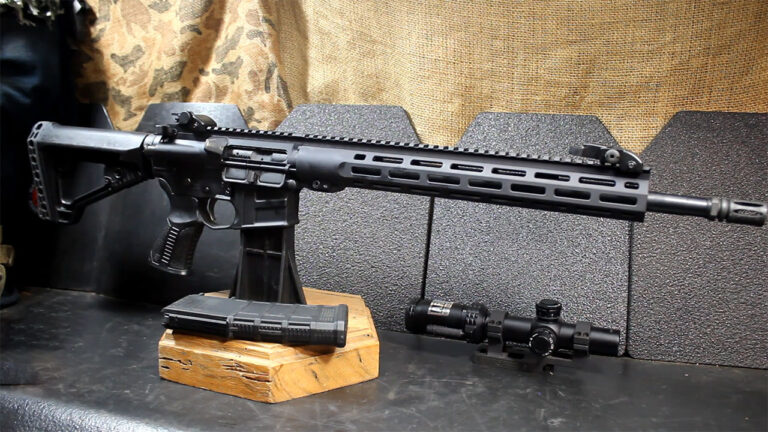
Photo credit: Bullets4Bucks/YouTube
Light rifles are great—until you touch one off and it feels like the stock is trying to rearrange your collarbone. That “surprise recoil” usually isn’t the cartridge alone. It’s the whole setup: a short, handy barrel, a trim stock with less surface area, a lively recoil pad (or none worth mentioning), and a rifle weight that doesn’t soak up anything. Add a light contour barrel that snaps the muzzle up and you’ve got a gun that carries like a dream and shoots like a grudge.
If you’ve ever wondered why a rifle that easy to pack can feel harder-kicking than a heavier gun in the same chambering, you’re not imagining things. Here are 15 specific rifles that are known for being easy to carry—and unexpectedly sharp when they go off.
Tikka T3x Lite

You pick up a T3x Lite and immediately get why people love it. It carries like a walking stick, balances well, and usually shoots far better than a “light hunting rifle” has any business shooting. Then you chamber a full-power hunting load and remember where all that weight went.
The recoil isn’t always brutal, but it’s quick. The rifle moves fast, and that can feel worse than a slower shove from a heavier rig. The factory pad helps, but you still feel the snap more than you expect, especially in common deer chamberings that get spicy in a light rifle. If you’re planning long range sessions, you’ll notice fatigue sooner than you think.
Ruger American Rifle

The Ruger American earns its keep because it’s affordable, accurate enough, and light enough to tote all day. The downside is that “light enough” becomes “lively” the minute you start running hunting ammo through it. It’s a rifle that can surprise you—especially if you’re used to heavier wood-stocked guns.
The stock design and pad do okay, but the rifle still has that fast recoil pulse that feels sharper than the same chambering in a heavier bolt gun. It’s not that the Ruger is punishing by default. It’s that the rifle doesn’t give recoil anywhere to hide. If you shoot from a bench a lot, you’ll feel it in a hurry.
Savage Axis II

The Axis II is another budget bolt gun that carries light and shoots better than the price tag suggests. It also has a reputation for feeling sharper than you expect once you settle in behind it. On a hunt, it’s easy to ignore. On a range day, it shows itself.
A lighter rifle with a basic stock and a modest recoil pad can make even mild chamberings feel snappy. The Axis II tends to pop rather than push. The comb can also make recoil feel more abrupt on your cheek if your fit isn’t perfect. None of this makes it a bad rifle. It just means you shouldn’t be surprised if you dread sight-in day more than you planned.
Kimber Mountain Ascent

The Mountain Ascent is built for people who count ounces and chase steep country. It does that job extremely well. The tradeoff is simple: when you get a rifle this light, you feel what you’re shooting. There’s no magic. Physics always collects.
Even in chamberings that aren’t considered “hard kickers” in heavier rifles, the Kimber can feel sharp. The rifle comes back fast, and it can be difficult to stay glued to the scope through the shot. That’s not a dealbreaker in the mountains where you fire once and go to work. But if you’re practicing a lot, you’ll want to pace yourself or you’ll start flinching without realizing it.
Winchester XPR

The XPR is a solid hunting rifle that tends to come in at a carry-friendly weight. It’s also a gun that can feel more abrupt than you expect, especially when you’re shooting from awkward positions or off a bench. It’s not a “brutal” rifle—just a light one that doesn’t soften anything.
Part of the bite comes from how quickly the rifle moves under recoil. When the gun is light, your body becomes the recoil pad, and you notice it. The XPR’s recoil management is fine for what it is, but the whole package still has that quick slap that makes you sit up straighter. You can hunt happily with it. You just don’t want to burn three boxes in one sitting.
Browning X-Bolt Stalker

The X-Bolt Stalker is a classic “do-everything” hunting rifle: trim, weatherproof, accurate, and easy to carry. That same trim build can feel a little rude when you run heavier loads, because the rifle doesn’t have much extra mass to soak up the hit.
The recoil often feels like a fast jab rather than a slow push. The Inflex pad helps, but the overall weight and balance still make the rifle lively. You’ll notice it most from the bench, where you’re locked in and can’t roll with the shot. In the field, adrenaline smooths it out. At the range, it can convince you to “call it good” right when your groups are starting to tighten.
Mossberg Patriot

The Patriot is another lightweight hunting rifle that surprises people. It carries easy and points well, but recoil can feel sharper than expected because the rifle doesn’t have much weight—and the stock and pad aren’t built like a premium recoil system.
You’ll feel it most when you’re zeroing with hunting loads. The rifle comes back quick, and if your shoulder position is a little off, it can smack you harder than you planned. That can lead to rushed shots and wandering groups, which makes you blame the rifle when it’s really the recoil getting inside your head. If you own one, treat sight-in like a short workout: shoot a few, rest, and don’t grind through it.
Weatherby Vanguard Camilla

The Vanguard action has a reputation for strength and smoothness, but some of the lighter Vanguard configurations can still feel surprisingly sharp. When a rifle is built to be carried by real hunters and not staged for photos, weight gets trimmed. Recoil doesn’t.
The stock design can also influence how recoil feels on your face and shoulder, especially if the fit is slightly off for you. A gun that “almost fits” is often worse than one that obviously doesn’t. With the lighter Vanguard options, you get a dependable rifle that’s easy to tote. You also get a recoil impulse that reminds you it’s a hunting gun, not a range toy.
Remington Model 700 SPS

The 700 SPS isn’t the lightest rifle on earth, but it often feels light once you’re carrying it, and some setups end up lively on the shoulder. A thinner factory stock and a hunting-weight barrel don’t always do you any favors when you’re shooting full-power ammo from a bench.
The recoil can come across as abrupt, and the stock can flex enough to make the rifle feel less settled under recoil. That unsettled feeling makes recoil seem worse because you’re fighting the gun instead of letting it track straight back. The 700 platform is easy to customize, which is good news: a better pad, better stock fit, and a little weight in the right place can change the entire experience.
Bergara B-14 Ridge

The B-14 Ridge is often described as a “do-it-all” rifle with good accuracy, and depending on the configuration, it can still feel surprisingly lively once you’re behind it. Bergara barrels can shoot, but a hunting-weight setup doesn’t behave like a heavy target rig when recoil starts.
The recoil isn’t necessarily painful. It’s the speed of it. You feel that quick hit and the muzzle rise, especially when you’re shooting from a bench or prone. If your scope has a tight eyebox, it can feel like the rifle is trying to scoot away from you. The good part is that the Ridge usually rewards good technique. When you lock in and let it recoil straight, it calms down.
CZ 600 Alpha

The CZ 600 Alpha is a handy, modern hunting rifle that a lot of folks like for its feel and value. It’s also light enough that recoil can come across sharper than your brain expects from a “normal” deer rifle, especially when you start shooting longer strings.
The rifle moves quickly under recoil, and that quick movement is what wears you out. If you’re used to older, heavier rifles, you’ll notice the difference immediately. The Alpha is built to be carried and hunted, not to soak up recoil for a day of bench work. If you’re sighting in and testing loads, do it in short sessions. The rifle will shoot better when you’re not bracing for the hit.
Howa 1500 Carbon Stalker
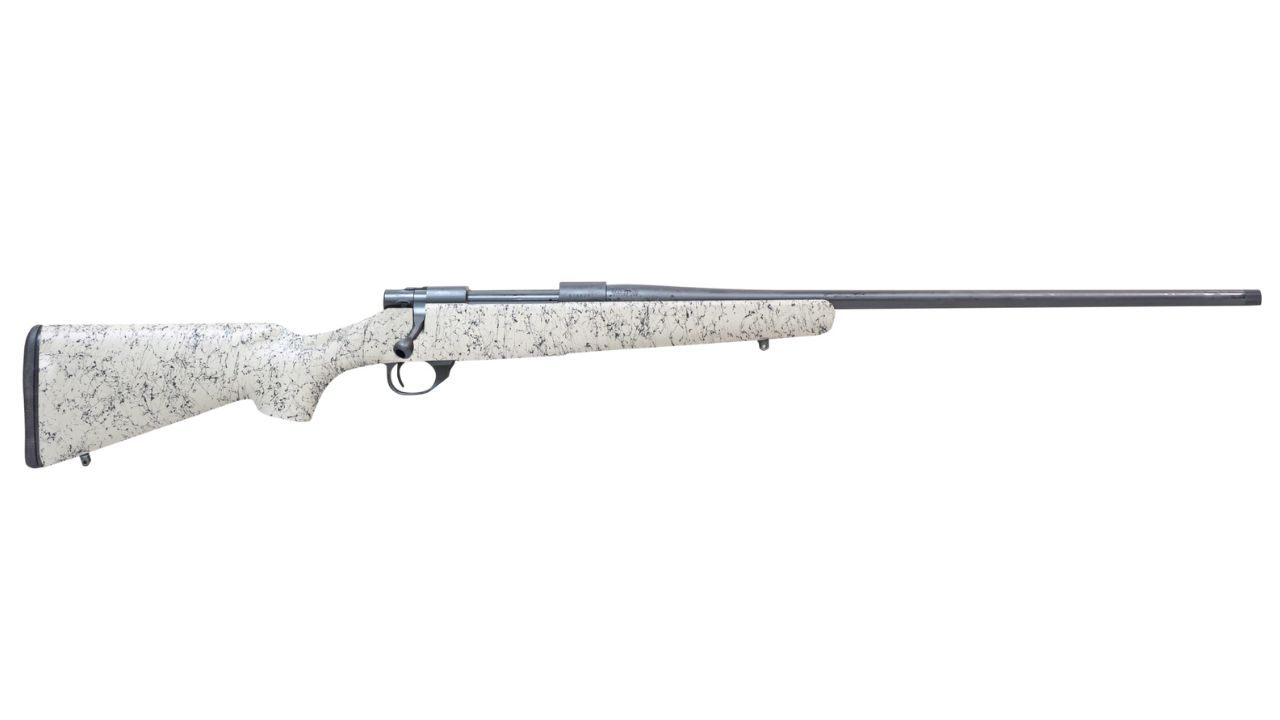
A Howa 1500 in a lighter, carbon-style hunting configuration is a great example of “light rifle, big attitude.” The action is solid, the rifle is capable, and the whole point is saving weight. That weight savings shows up the second you press the trigger.
The recoil is quick and it can feel surprisingly stiff in chamberings that are perfectly manageable in heavier rifles. You’ll also notice muzzle rise, which makes it harder to spot impacts and stay in the scope. None of this is a knock on the rifle. It’s the nature of the setup. If you want a mountain rifle, you accept more recoil. The trick is training without beating yourself up.
Sako S20 Hunter
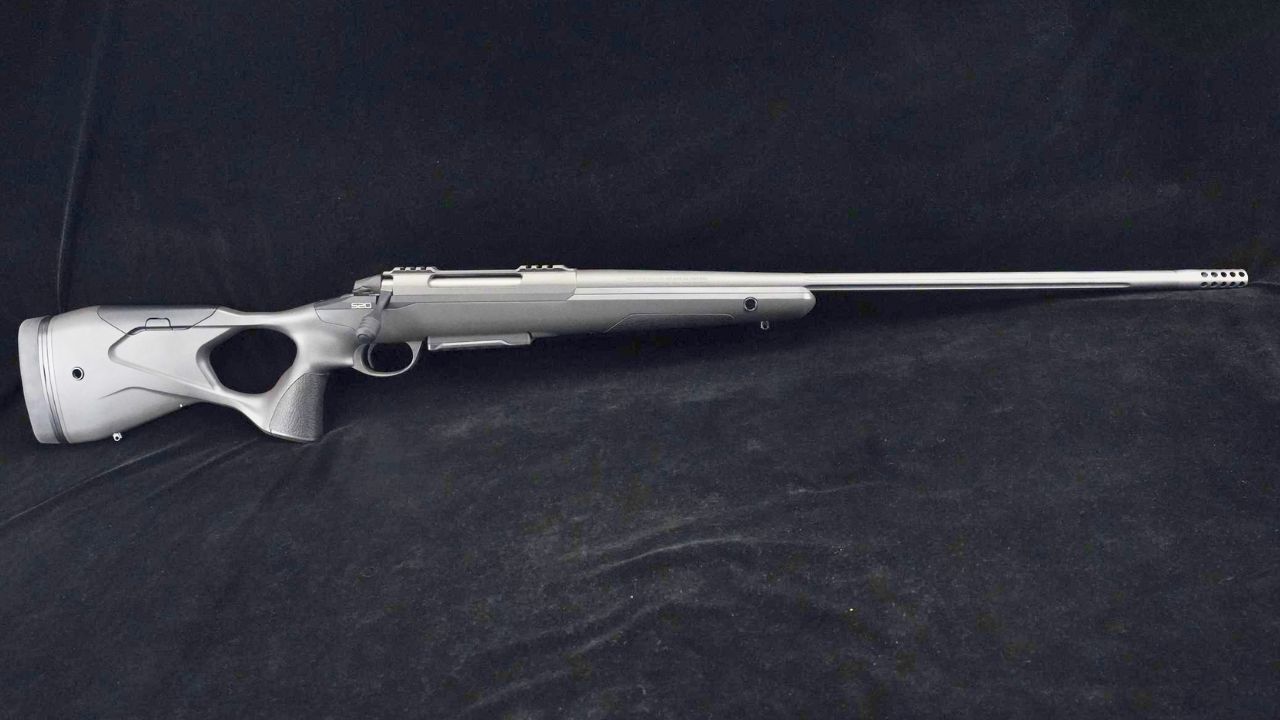
The Sako S20 Hunter is a modern hunting rifle that balances well and carries nicely. In lighter hunting trim, that balance can make recoil feel sharper because the rifle is so quick to move. It’s not a heavy, lazy target rifle that just sits there.
When you shoot it from field positions, it often feels fine. When you shoot it from a bench, you realize it’s still a hunting rifle built around carry comfort. The recoil comes back fast and can feel more abrupt than you’d expect for the money. The upside is that the S20 usually has the accuracy to make practice worth it. You just have to manage your pace so recoil doesn’t start steering your trigger press.
Ruger Hawkeye (lighter configurations)

Some Hawkeye setups carry lighter than you’d think, especially compared to older wood-and-steel rifles people remember. They’re rugged hunting rifles with real-world weight, and in certain chamberings they can feel snappy because the rifle isn’t heavy enough to turn recoil into a gentle shove.
The Hawkeye’s recoil character is often a straight-back punch—clean, honest, and quick. If the stock fit doesn’t match your build, that punch can feel sharper on your shoulder and cheek. The good news is that these rifles are built to hunt hard. The bad news is that they’re not built to make range days feel like a spa treatment. If you’re doing extended practice, a better recoil pad and smart shooting cadence help a lot.
Steyr Scout

The Steyr Scout is the definition of a rifle that carries like nothing and shoots like something. It’s built to be light, fast, and practical. That also means recoil can feel surprisingly sharp, because the rifle doesn’t have extra weight to slow anything down.
When you fire it, you feel the rifle move immediately. The recoil isn’t mysterious—it’s simply honest. In a rifle like this, even moderate cartridges can feel more aggressive than expected. The Scout is meant to be shot well, not shot endlessly. If you treat it like a high-round-count range rifle, it will wear you out. If you treat it like a field rifle—short practice sessions and purposeful shots—it makes far more sense.
Remington Model Seven

The Model Seven is a classic “woods rifle” that feels great in the hands and disappears on a sling. That’s exactly why it can surprise you on the shoulder. It’s compact, often light, and built around quick handling—not around soaking up recoil for long strings.
The recoil can feel sharp because the rifle is short and lively, and the stock doesn’t always give you a big, forgiving contact patch. From the bench, it can make you rush your follow-through. From field positions, it’s usually fine—because you’re not trapped behind the rifle the same way. If you love the Model Seven, keep your practice realistic. Shoot it like a hunting rifle, not like a varmint rig, and it’ll feel a whole lot more friendly.
Like The Avid Outdoorsman’s content? Be sure to follow us.
Here’s more from us: