Photo credit: Mr. Madness/YouTube
Some calibers fade because they are bad. Most fade because the market moves past them. A newer round does the same job with less recoil, better ammo support, better rifles, better magazines, or more affordable practice. Once shooters stop buying guns chambered for a cartridge, the ammo shelf starts shrinking too.
That does not mean every round on this list is useless. A lot of them still work. Some are even excellent inside a narrow lane. The problem is that “it works” is not enough anymore. If a caliber costs more, kicks harder, offers fewer gun choices, or gets outperformed by something easier to live with, shooters eventually move on.
.40 S&W
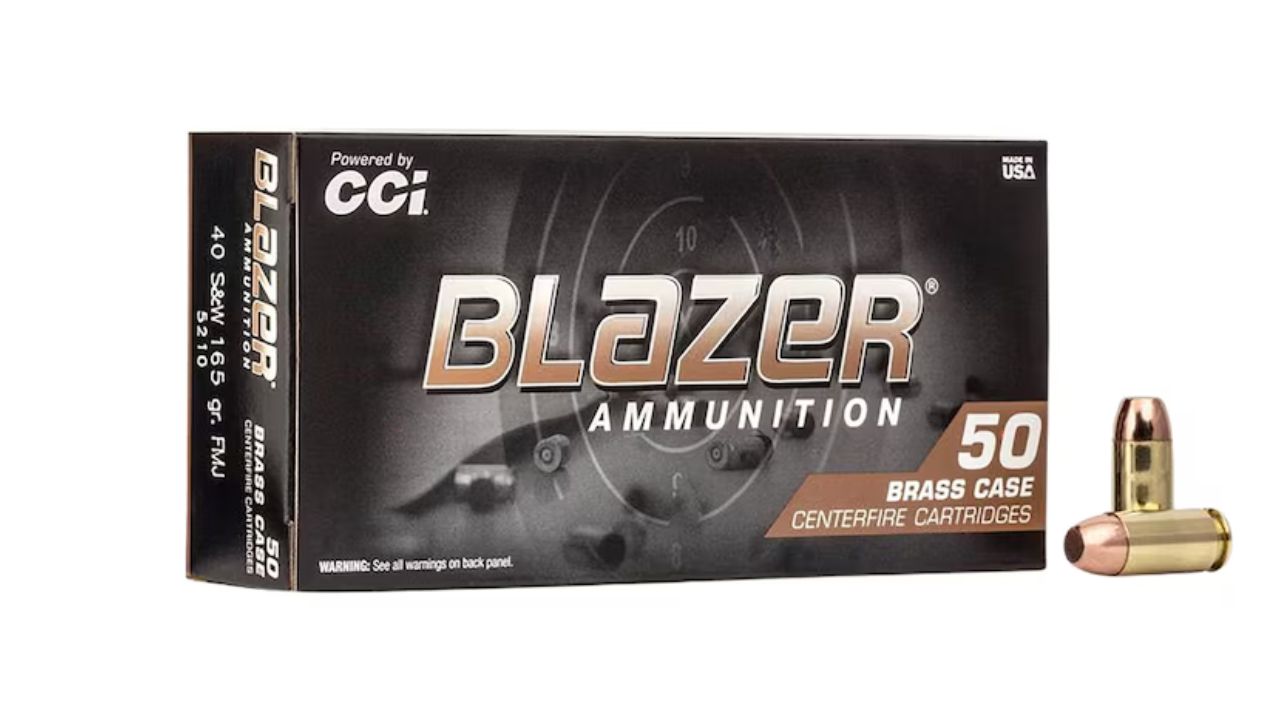
The .40 S&W used to be everywhere. Police departments carried it, gun stores stocked it heavily, and plenty of shooters thought it was the perfect compromise between 9mm capacity and .45 ACP size. For a long time, it looked like a permanent part of the defensive handgun world.
Now it feels like a round losing ground every year. Modern 9mm defensive loads, better bullet design, lower recoil, higher capacity, and cheaper practice ammo have made .40 harder to justify for most carriers. Firearms News noted the broad move away from .40 S&W, .357 SIG, .45 ACP, and 10mm toward 9mm and .380 ACP for defensive use, largely because 9mm offers capacity, reduced recoil, and strong terminal performance.
.357 SIG
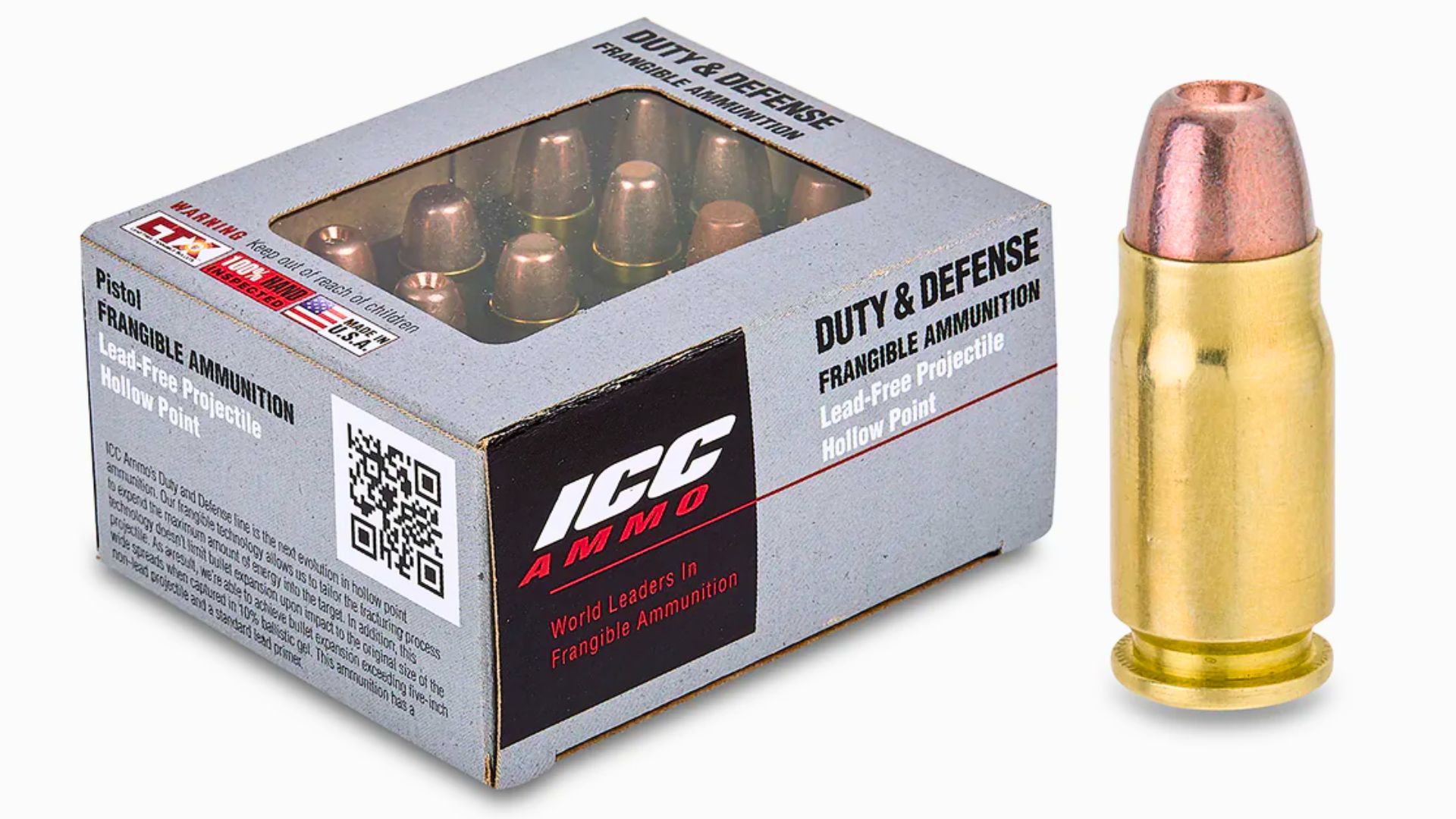
The .357 SIG always had a strong pitch. It was fast, loud, flat-shooting, and carried a law-enforcement reputation that made it sound more serious than standard 9mm. On paper, it seemed like the smart shooter’s hot defensive round.
The problem is that the benefits were never enough for most people. Guns & Ammo described .357 SIG performance as roughly equivalent to 9mm +P+ and noted its history with agencies such as the U.S. Secret Service and Richmond Police Department, but the market never treated it like a true mainstream successor. More recoil, more blast, fewer guns, and more expensive ammo made it easy for 9mm to push it aside.
.45 GAP

The .45 GAP tried to solve a real problem: give shooters .45-caliber performance in a smaller grip frame. That sounded useful at the time, especially when many shooters still believed bigger defensive bullets were automatically better.
The market did not care enough. The .45 ACP already owned the big-bore semi-auto lane, and 9mm was gaining strength fast. Once major gun makers stopped giving .45 GAP serious attention, the cartridge became hard to recommend. A defensive caliber needs guns, magazines, ammo, holsters, and long-term support. The .45 GAP never built enough of that.
.30 Super Carry
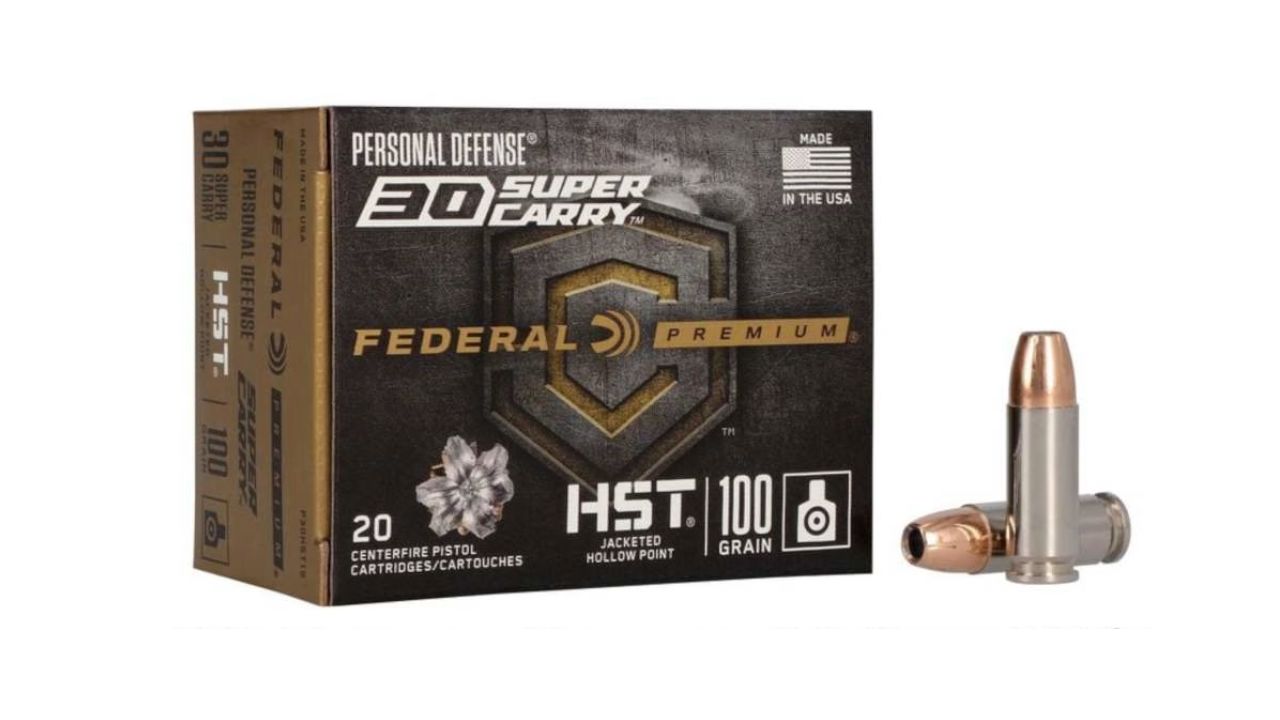
The .30 Super Carry is one of the most interesting recent examples of a caliber struggling for traction. The idea made sense on paper: more capacity than 9mm, stronger performance than .380 ACP, and a purpose-built defensive design. It was not a dumb concept.
But good concepts still need buyers. The carry market is already packed with excellent 9mm micro-compacts, and most shooters do not want to gamble on a new caliber when 9mm is cheap, proven, and everywhere. Firearms News pointed out early that strong numbers do not guarantee people will buy pistols in a new small defensive caliber. That has become the .30 Super Carry problem.
.45 ACP

The .45 ACP is not dead, and it probably never will be. It has too much history, too many loyal fans, and too many good pistols behind it. But as a mainstream carry caliber, it has clearly lost ground.
The reason is simple. Most people can carry more 9mm, shoot it faster, practice cheaper, and get reliable defensive performance with less recoil. The .45 still has a place in 1911s, suppressor hosts, and big-bore defensive pistols. It just no longer feels like the obvious serious-person answer it once did.
10mm Auto

The 10mm Auto is actually gaining attention in woods-defense circles, but it is losing ground as a normal defensive carry answer. Shooters like the power until they start dealing with bigger guns, sharper recoil, more expensive ammo, and slower follow-up shots.
The 10mm still makes sense for hogs, black bear country, and people who really train with it. But for daily carry, it asks more than most shooters need to give. A lot of people buy it for the numbers, then realize they shoot 9mm better and more often.
.25 ACP
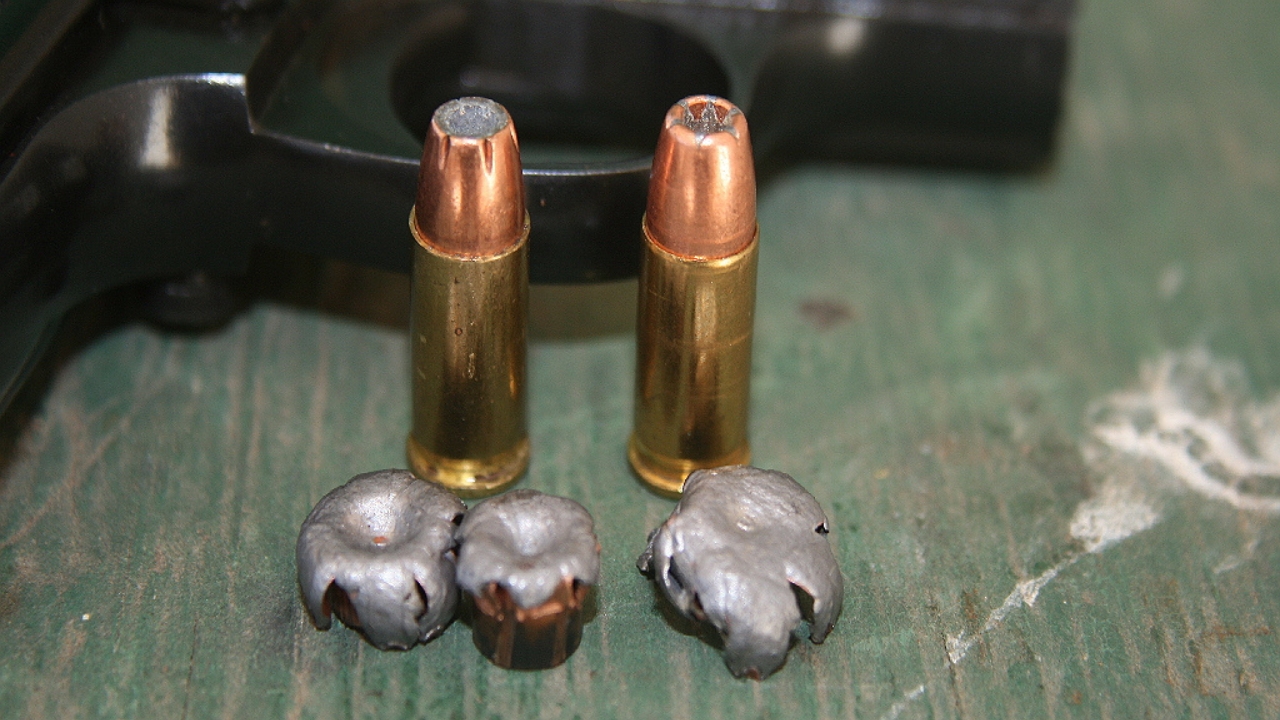
The .25 ACP has been living on borrowed time for decades. It used to make sense when tiny centerfire pocket pistols were one of the few deep-concealment options. Today, that argument is much weaker.
Modern .380s, small 9mms, and even better .32 ACP options leave .25 ACP with very little room. It is weak, usually found in tiny hard-to-shoot pistols, and not supported like real defensive calibers. The only thing it still has going for it is size, and modern guns have largely taken that advantage away.
.32 ACP
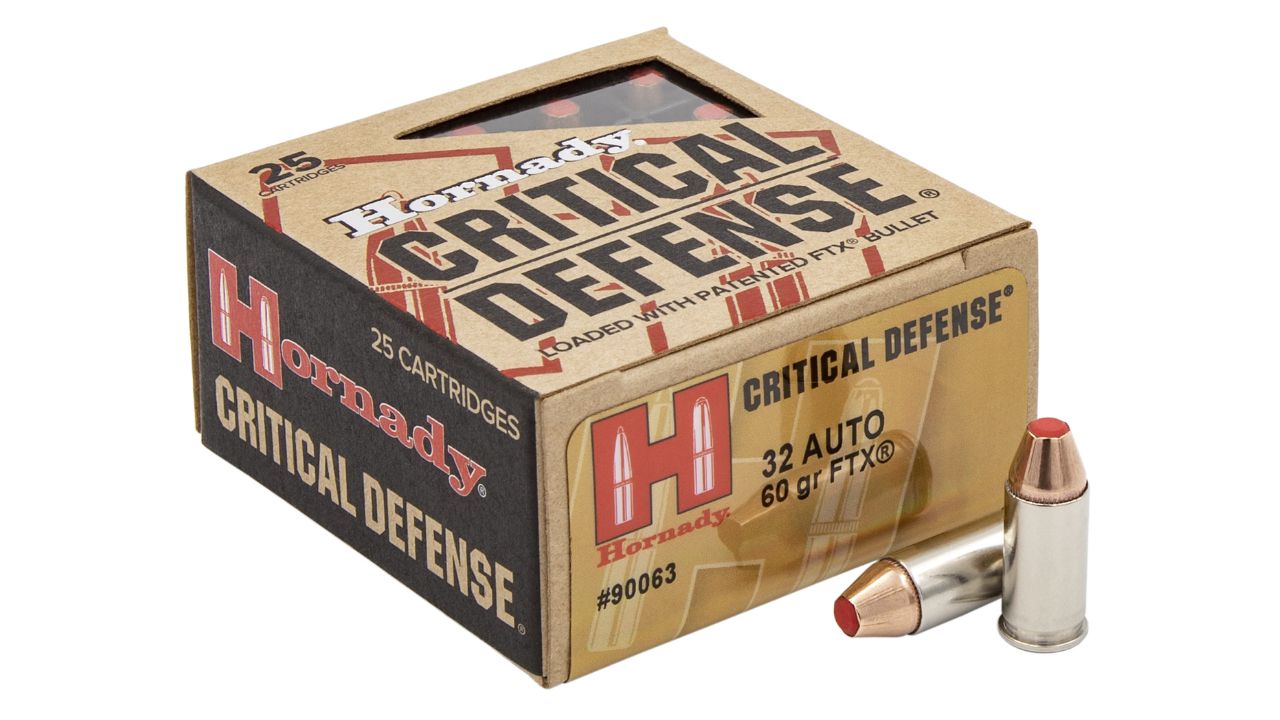
The .32 ACP is more useful than .25 ACP, and in some small pistols it is actually easier to shoot than tiny .380s. That said, it is still losing ground because the market has moved toward higher-performing pocket guns.
Its problem is not that it cannot work. Its problem is that buyers have better options now. A shooter can get a small .380, a slim 9mm, or a mild-recoiling compact with better sights and more capacity. The .32 ACP still has charm, but charm does not keep a caliber growing.
.38 Super
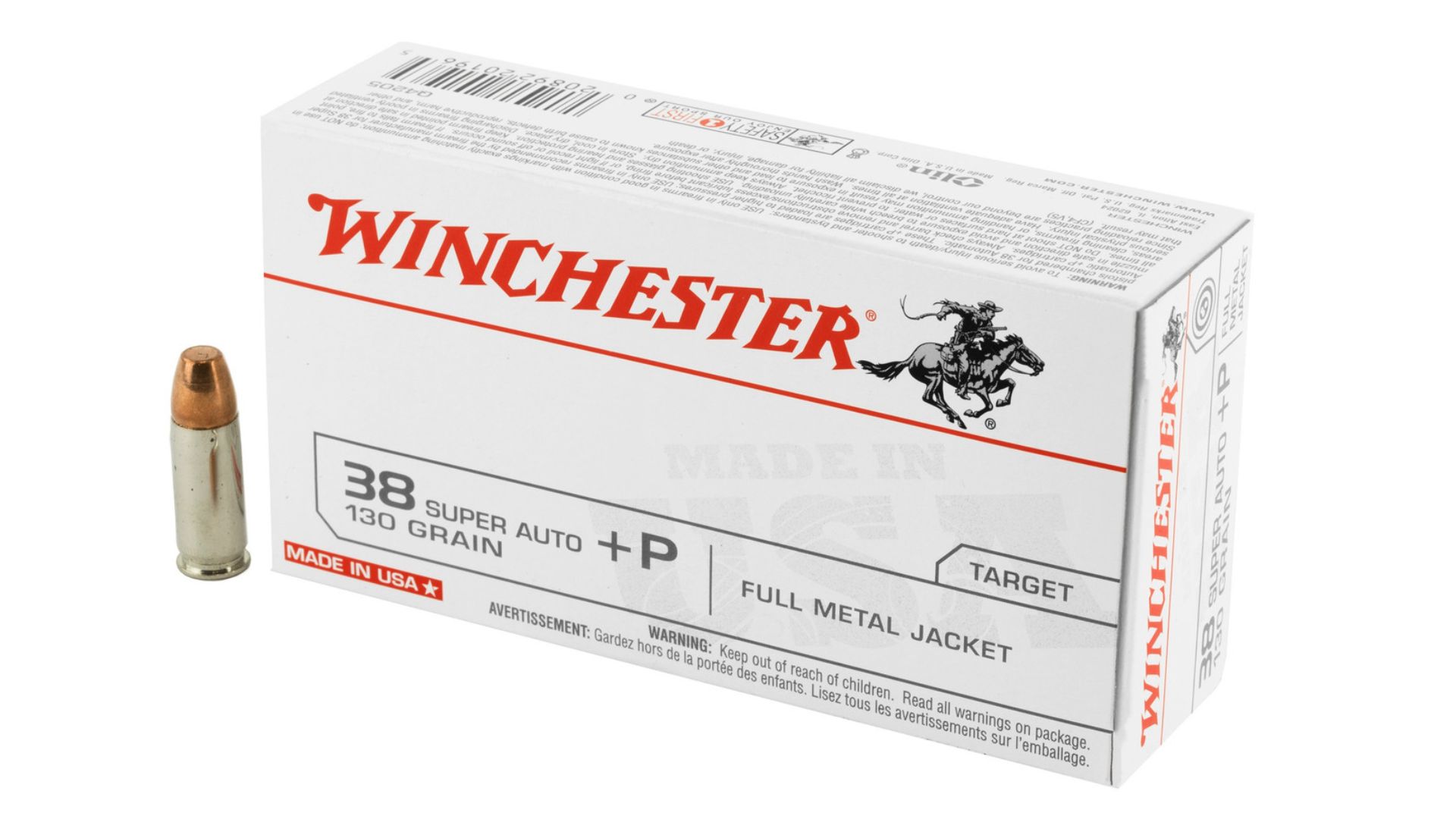
The .38 Super is one of those cartridges that still has fans because it really can perform. It is fast, accurate, and historically interesting, especially in 1911-style pistols. For competition and certain custom guns, it still has a purpose.
For normal shooters, it has lost the mainstream fight. Ammo is more expensive, pistol choices are limited, and 9mm has become so good that .38 Super’s advantage is hard to sell. It is a cool round, but cool is not the same as convenient.
.41 Magnum

The .41 Magnum should have been more popular than it became. It hits hard, shoots flatter than some big-bore revolver loads, and sits between .357 Magnum and .44 Magnum in a way that sounds practical.
The problem is that the middle ground was never big enough. Most revolver shooters went lighter with .357 or heavier with .44 Magnum. Ammo availability, gun options, and cost kept .41 Magnum from becoming a real standard. It still has loyal fans, but the market has been slowly walking away for years.
.44 Special

The .44 Special has history, mild pressure, and a strong reputation among revolver people who like big bullets without magnum blast. It is pleasant in the right gun and still useful with good loads.
But it is losing ground because most carry and field shooters want either smaller, easier guns or full .44 Magnum capability. The .44 Special lives in a narrow revolver lane. It is too big to be convenient for most defensive carry and too mild to satisfy hunters who already own magnum revolvers.
.30 Carbine

The .30 Carbine has nostalgia on its side because of the M1 Carbine. It is light-shooting, fun, and still useful as a range and collector cartridge. The gun makes the caliber more interesting than the numbers do.
As a serious practical round, though, it has been passed by. For defensive rifles, 5.56 NATO does more. For hunting, better short-range cartridges exist. For handguns, .30 Carbine revolvers are loud and awkward. The old carbine is still cool, but the cartridge itself is not gaining modern ground.
.224 Valkyrie

The .224 Valkyrie came in with a lot of promise. A flat-shooting, high-BC small-bore round that worked in the AR-15 sounded like a big deal. It looked like it might own the long-range small-frame AR niche.
Then the excitement cooled. Twist rates, ammo consistency complaints, competition from 6mm ARC, and a general lack of sustained enthusiasm hurt it. The idea was strong, but the market moved on quickly. It is not useless, but it no longer feels like the obvious future it was advertised to be.
.243 WSSM

The .243 WSSM was fast, short, and different. It promised .243 performance in a compact package and had enough velocity to get attention from varmint and deer hunters.
The downside was everything around it. Barrel wear concerns, limited rifle support, limited ammo support, and awkward market timing hurt it badly. Standard .243 Winchester already did the job well enough for most hunters. The WSSM version felt like a solution to a problem many people did not have.
.25 WSSM

The .25 WSSM had the same basic problem as the .243 WSSM. It offered speed and a compact short-action idea, but it never gained the rifle or ammo support needed to survive as a mainstream hunting round.
Hunters who liked quarter-bores already had .25-06 Remington, .257 Roberts, and .257 Weatherby Magnum. The .25 WSSM did not offer enough practical improvement to overcome availability problems. Once the novelty faded, so did most of the demand.
.270 WSM
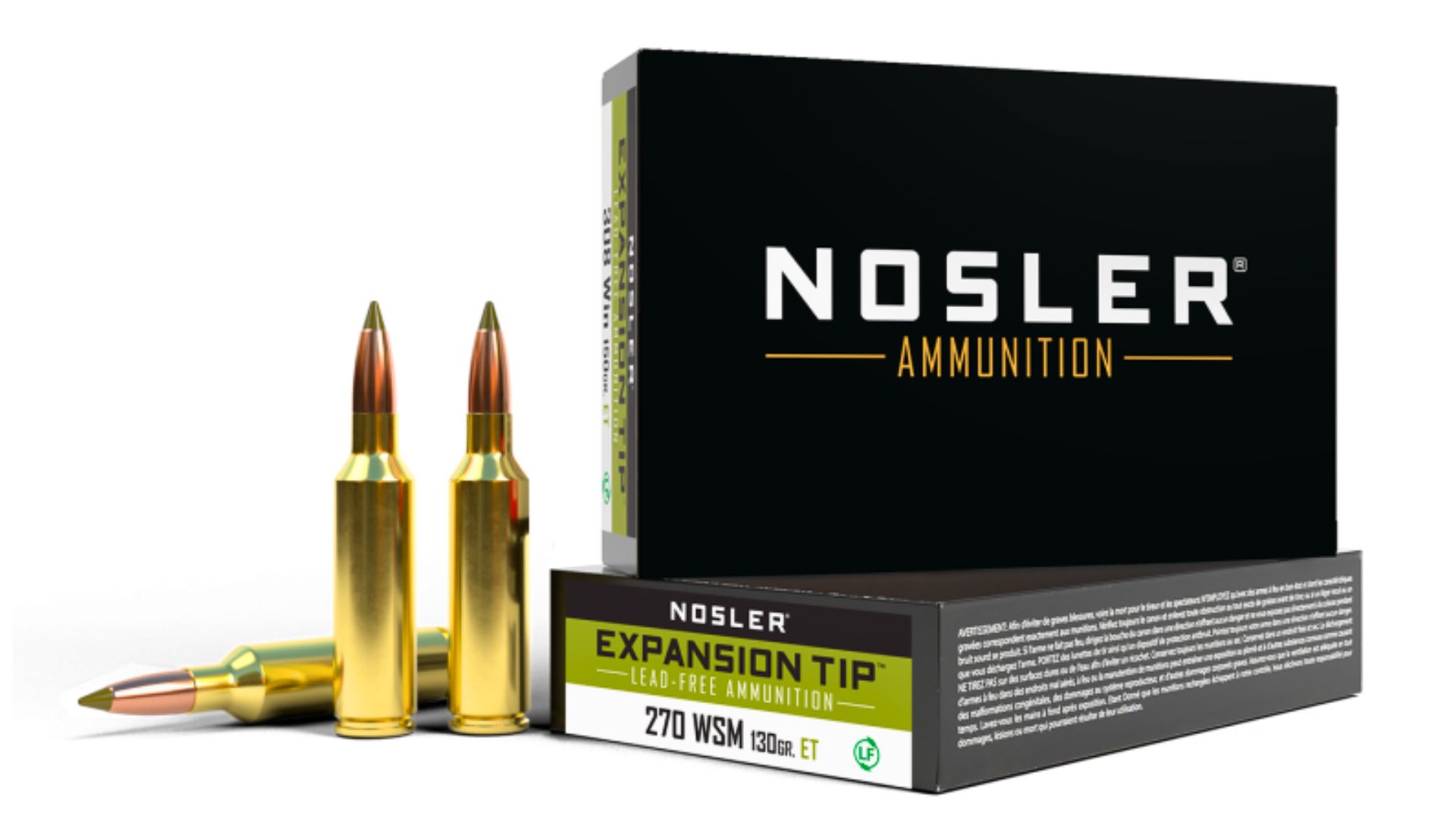
The .270 WSM is not a bad hunting round. In fact, it can be excellent. It shoots flat, hits hard, and gives hunters magnum-like performance in a short action. The issue is that it never truly replaced the standard .270 Winchester.
That is the problem. The regular .270 is cheaper, easier to find, easier on barrels, and already good enough for most deer and elk hunters. The .270 WSM still has a following, but it feels squeezed between classic .270 Winchester loyalty and newer long-range cartridge trends.
.300 WSM

The .300 WSM had a stronger run than many short magnums, and it still has real usefulness. It gives .300-class performance in a short action and can be a very capable elk and western hunting round.
But it has lost some shine. The .300 Win. Mag. remains deeply supported, while newer cartridges like .300 PRC have pulled attention from hunters and shooters who want heavy, efficient bullets. New ammo development has also leaned into modern PRC-type cartridges, with 2026 product coverage showing companies adding loads for rounds like 6.5 PRC, 7mm PRC, and .300 PRC.
.325 WSM
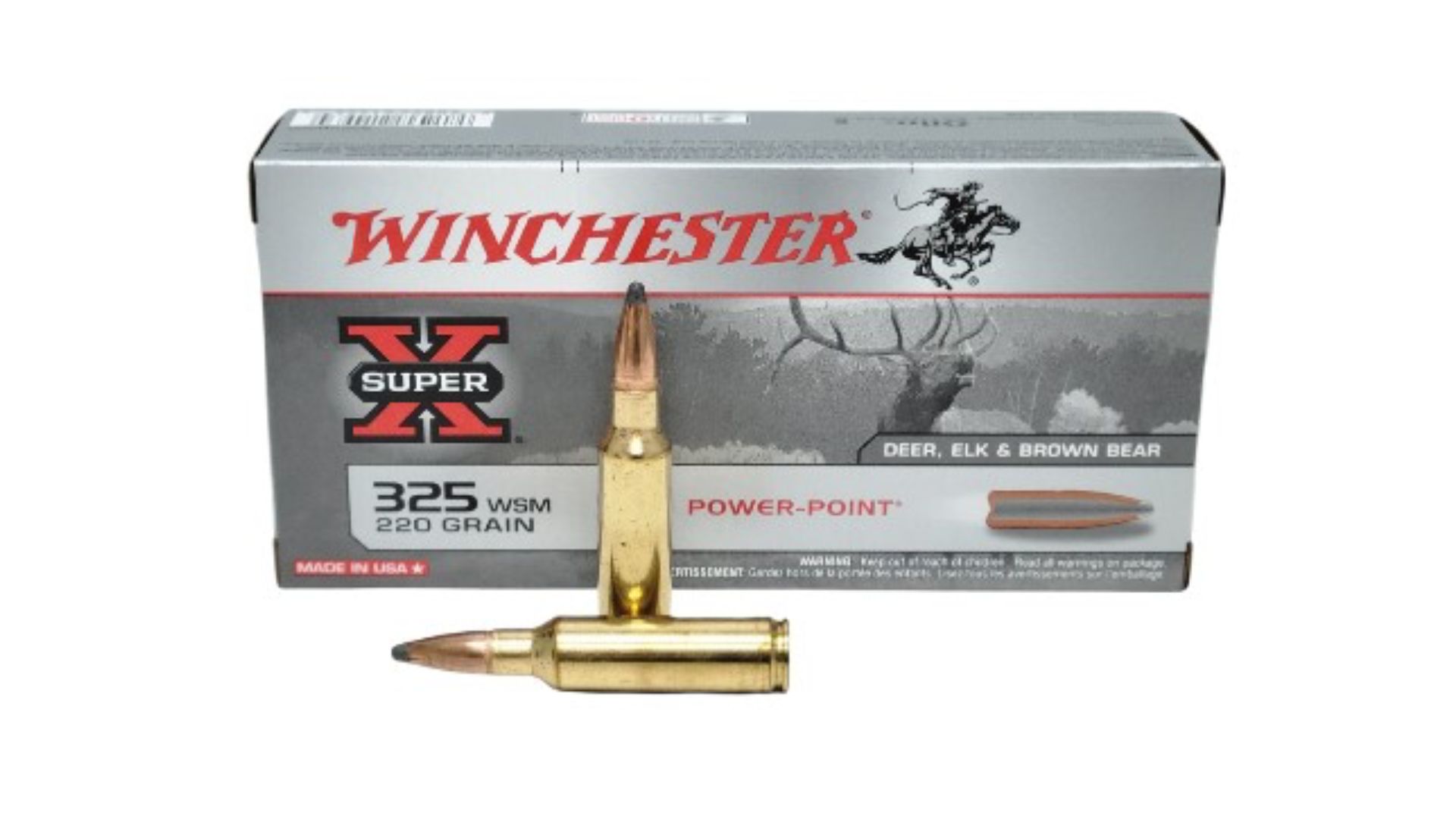
The .325 WSM may be the clearest example of a short magnum that never found enough oxygen. It offered a powerful 8mm option for elk, moose, and bigger game, but American hunters have never been deeply loyal to 8mm cartridges.
That made it a hard sell from the beginning. Ammo choices stayed limited, rifle support narrowed, and most hunters chose .300 WSM, .300 Win. Mag., .338 Win. Mag., or something more common. The .325 WSM works, but working was not enough.
.264 Winchester Magnum

The .264 Winchester Magnum was ahead of its time in some ways. It pushed sleek 6.5mm bullets fast long before the modern 6.5 craze made that sound normal. On paper, it still looks impressive.
The problem is that newer 6.5s are easier to live with. The 6.5 Creedmoor is mild and common. The 6.5 PRC gives strong modern performance with better current support. The .264 Win. Mag. is fast, but it is also loud, hard on barrels, and less convenient than the rounds that now fill its space.
7mm Remington Ultra Magnum

The 7mm Remington Ultra Magnum has plenty of horsepower. It can push sleek 7mm bullets fast and hit hard at distance. For the right shooter, it is absolutely capable.
But it has been crowded out by rounds that are easier to justify. The 7mm Rem. Mag. is more common, the 7mm PRC has the modern long-range spotlight, and the .280 Ackley Improved gives many hunters enough performance with less punishment. The 7mm RUM is powerful, but most hunters do not need the extra blast, recoil, and cost.
Like The Avid Outdoorsman’s content? Subscribe to our newsletter so you never miss an article.
Here’s more from us: