Image Credit: Military Arms Channel/YouTube.
Not every handgun caliber is a smart choice for self-defense. Some rounds just don’t hit hard enough, penetrate deep enough, or run reliably when it counts. And while any gun is better than no gun, you don’t want to find out too late that your choice was a mistake.
We aren’t trying to stir up drama—we’re simply pointing out the calibers that come up short when lives are on the line. If you’re carrying for protection, here are eight handgun calibers you might want to think twice about.
.22 Long Rifle
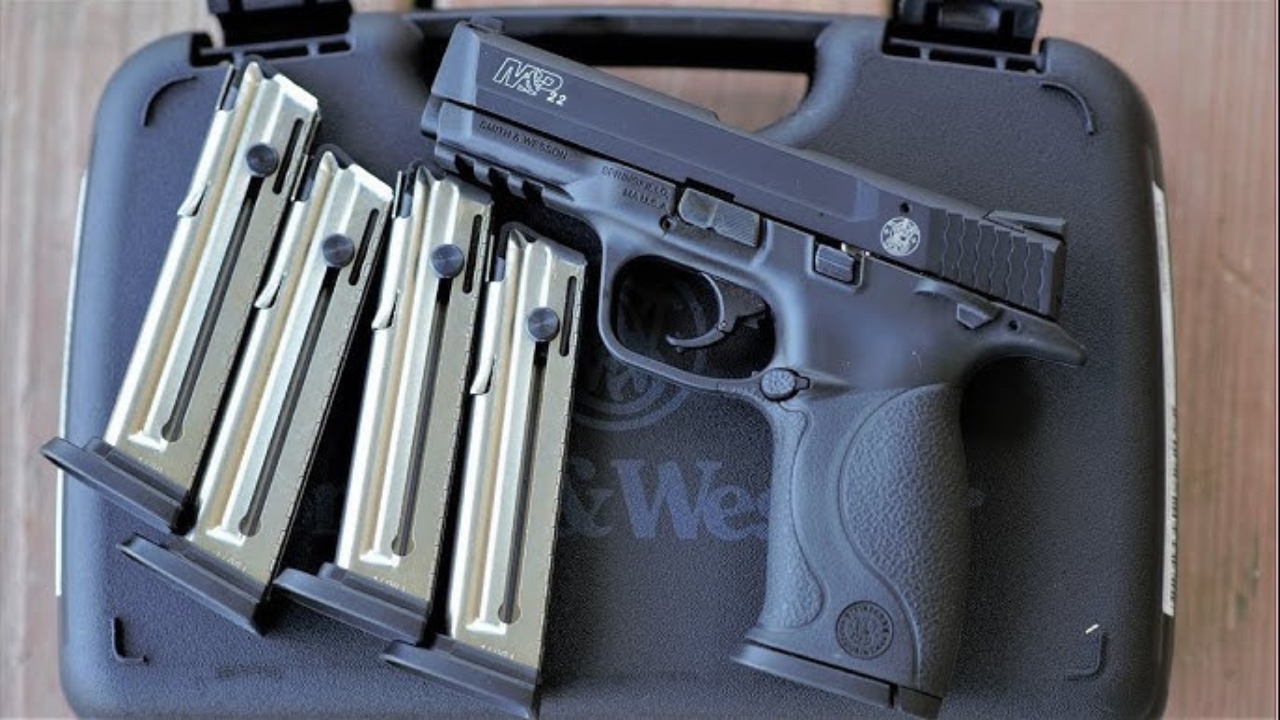
The .22 LR has its place, but self-defense isn’t it. Sure, it’s cheap and easy to shoot, but it lacks the stopping power you need when lives are on the line. Reliability is also a problem—rimfire ammo is more prone to misfires than centerfire.
It’s better than nothing, but that’s about it. If you’re carrying for protection, you want something that hits harder, penetrates deeper, and feeds more consistently. The .22 is fine for training or pests—not for serious defense.
.25 ACP

The .25 ACP is outdated and underpowered. It was designed for pocket pistols, but it doesn’t do much that a modern 9mm can’t do better. You get low velocity, poor expansion, and barely enough penetration to meet basic self-defense standards.
To make things worse, most guns chambered in .25 ACP are cheap, unreliable, and hard to shoot well. If you’re going small, there are better options with better ballistics. This one just doesn’t cut it in today’s world.
.32 ACP
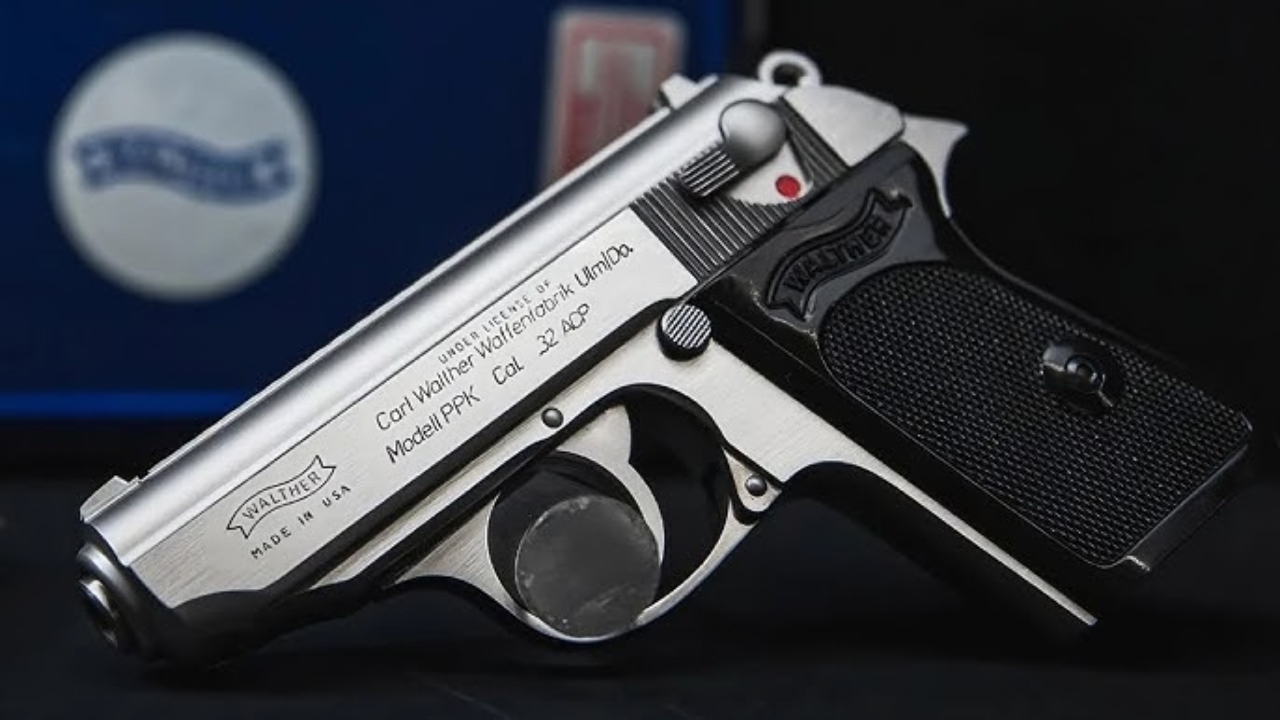
Some folks still carry .32 ACP, but it’s mostly hanging on due to nostalgia. Ballistically, it falls short. Expansion is hit or miss, and it struggles to meet the kind of penetration most experts recommend for self-defense.
While it’s soft-shooting and easy to conceal, it lacks real stopping power. Modern ammo options are limited, and most guns in this caliber are outdated. If you’re serious about protecting yourself, it’s worth stepping up to a more capable round.
.410 Shotshell (in Revolvers)

The .410 in a revolver looks cool and sounds powerful, but it’s not as effective as folks think. You’re getting low velocity and limited penetration from those small shells, especially at handgun barrel lengths.
Shot spread might sound like an advantage, but in real life, it just means less energy on target. Slugs and buck rounds exist, but even those don’t perform as well as dedicated handgun calibers. It’s more gimmick than good option when it comes to personal defense.
.380 ACP (with Poor Ammo)
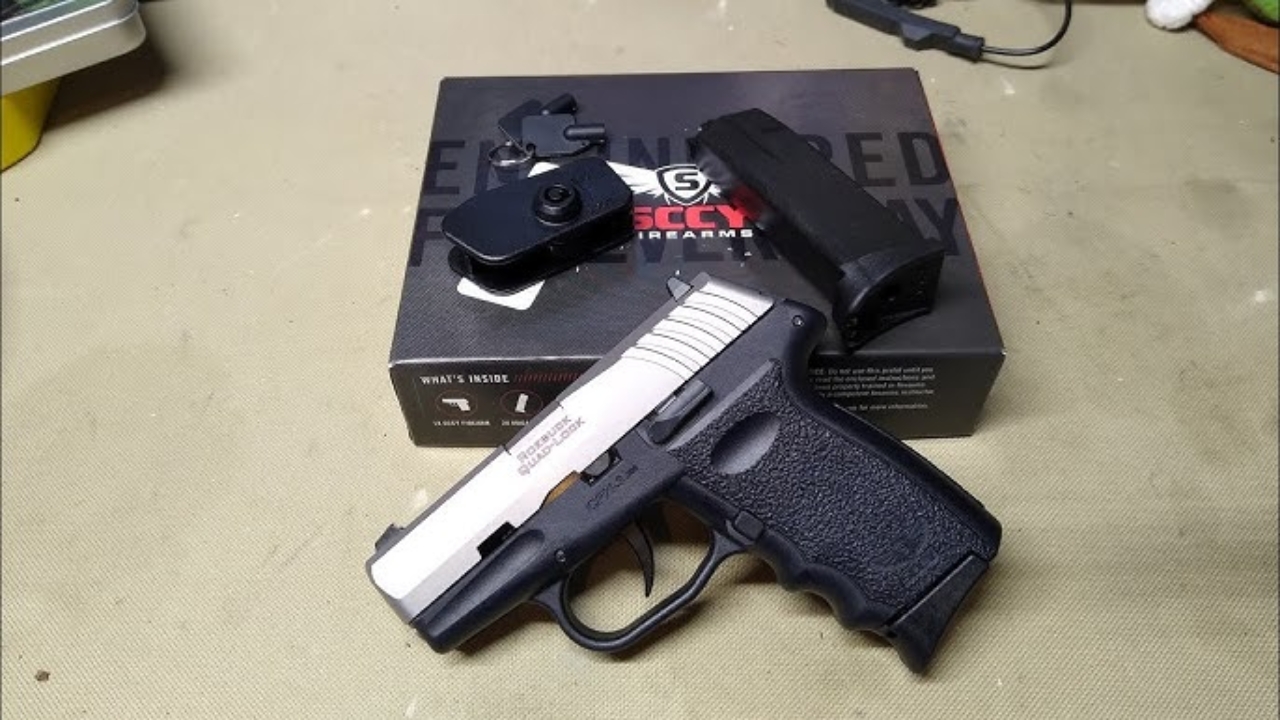
The .380 can work in the right hands with good ammo, but too many people carry it with underpowered rounds that don’t penetrate deep enough. That’s where it becomes a problem. Ballistics are borderline, and without the right load, you’re rolling the dice.
It’s popular because the guns are small and easy to carry—but that only helps if the round performs. If you’re going to carry .380, do your homework and choose proven defensive loads. Otherwise, it makes this list for good reason.
10mm Auto (for Most People)
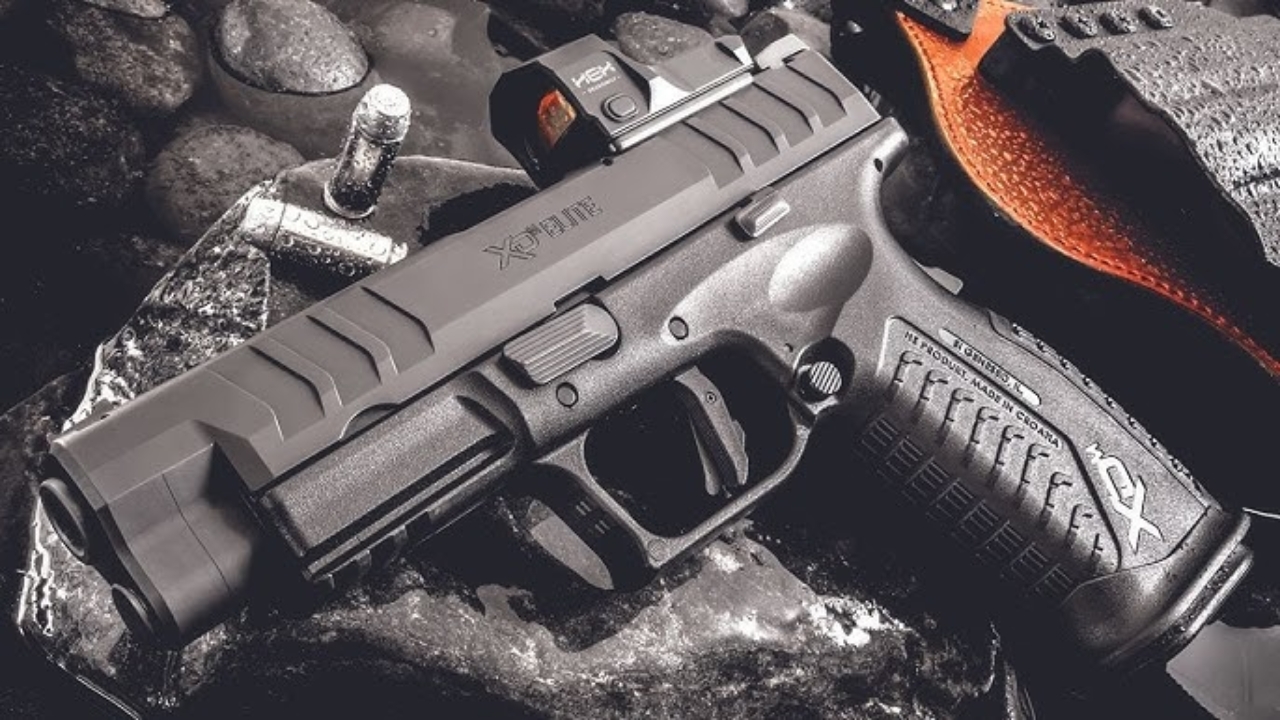
10mm packs a punch, no question. But that’s part of the problem—it’s too much gun for most people in a defensive situation. Recoil is harder to manage, follow-up shots are slower, and overpenetration is a real concern.
Unless you train with it regularly and can shoot it fast and accurately under stress, it’s more liability than advantage. There’s a reason most professionals stick to 9mm or .45. 10mm shines in the woods, but it’s overkill for everyday carry.
.38 Special (Out of Ultra-Snub Noses)

.38 Special can be effective, but out of ultra-short barrels, it starts to lose steam fast. You get lower velocity, weaker expansion, and a ton of recoil for what you’re actually getting in return—especially with +P loads.
Snub revolvers look good on paper, but they’re hard to shoot well, and follow-ups can be slow. If you’re going to carry a .38, make sure you’re running quality defensive ammo and practicing with it often. Otherwise, it’s easy to be underprepared without realizing it.
.44 Magnum

Carrying a .44 Magnum for self-defense might sound tough, but it’s wildly impractical. The recoil is heavy, overpenetration is a real risk, and the size of the gun makes concealment a chore. You’re also slower on follow-ups—and that matters.
Unless you’re in bear country, there’s just no reason to carry a magnum revolver for personal defense. The tradeoffs far outweigh the benefits. You’re better off with a manageable caliber you can shoot fast and accurately when it counts.
*This article was developed with AI-powered tools and has been carefully reviewed by our editors.