Photo credit: The Avid Outdoorsman
A lot of rifles get laughed at before they ever get used the way they were meant to be used. Maybe they look cheap, feel plain, come from the wrong brand, or don’t match whatever the internet says a “serious” hunting rifle should be. Hunters can be rough on anything that looks different, costs less, or refuses to play the image game.
Then the same rifles start showing up in blinds, truck racks, deer camps, and freezer-filling stories. They may not be pretty. They may not impress anyone leaning over the gun counter. But when they hold zero, feed cleanly, and put bullets where they need to go, the jokes get quieter.
Savage Axis

The Savage Axis got mocked hard when it first showed up because it looked like a budget rifle from across the room. The stock felt hollow, the lines were plain, and nobody was confusing it with a polished walnut deer rifle. A lot of hunters treated it like something you bought only because you couldn’t afford better.
Then folks started shooting them. The Axis was not fancy, but plenty of them grouped well enough to embarrass rifles that cost a lot more. For a hunter who needed a simple bolt gun in a common chambering, it worked. The rifle proved that ugly and cheap did not automatically mean inaccurate.
Ruger American

The Ruger American caught grief for its plastic stock, rotary magazine, and plain working-rifle feel. Some hunters looked at it and saw a disposable rifle instead of something worth taking seriously. It did not have old-school charm, and that hurt it with folks who still judge rifles by bluing and walnut.
The American made its point on paper and in the field. The bedding system worked, the triggers were usable, and the rifles usually shot better than their price suggested. Hunters who wanted a lightweight rifle they could drag through bad weather found out it was more useful than pretty.
Mossberg Patriot

The Mossberg Patriot had to fight the “Mossberg makes shotguns” attitude from the start. Some hunters acted like a bolt-action centerfire from Mossberg was automatically second tier. The early reputation was not helped by the fact that it often sat in the budget rack beside rifles people already looked down on.
But the Patriot gave a lot of hunters a serviceable rifle for real hunting money. It came in practical calibers, had decent features, and could shoot plenty well for deer woods distances. It may not be the rifle a collector brags about, but it filled tags without asking for much attention.
Thompson/Center Compass

The Thompson/Center Compass was easy to dismiss because it looked plain and sold cheap. Hunters mocked the styling, the stock, and the overall feel. It did not carry the same respect as older Thompson/Center single-shots, and some shooters never got past that.
Once people started using it, the Compass earned more respect than expected. Many rifles shot well right out of the box, and the price made it easier for new hunters to get into a reliable centerfire. It was not a refined mountain rifle, but it did the basic job: chamber, fire, extract, and hit where aimed.
Remington 783
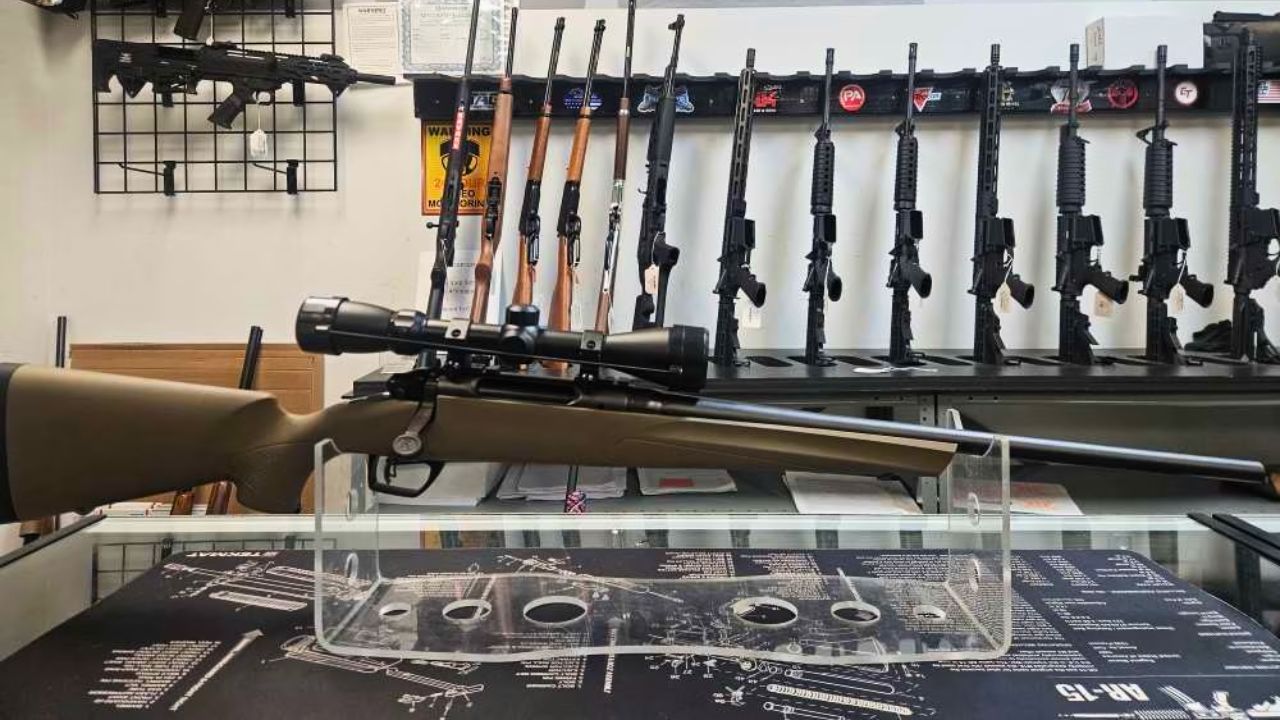
The Remington 783 came out under a tough shadow. Hunters compared it to the Model 700 and judged it like it was supposed to carry the same legacy. The cheaper feel, basic stock, and budget positioning made it an easy target for anyone already frustrated with modern Remington.
Still, the 783 worked better than its reputation in a lot of deer camps. It had a solid barrel nut system, a decent adjustable trigger, and enough accuracy for normal hunting. It was never going to replace the old-school 700 in people’s hearts, but it proved useful for hunters who cared more about results than nostalgia.
Marlin X7
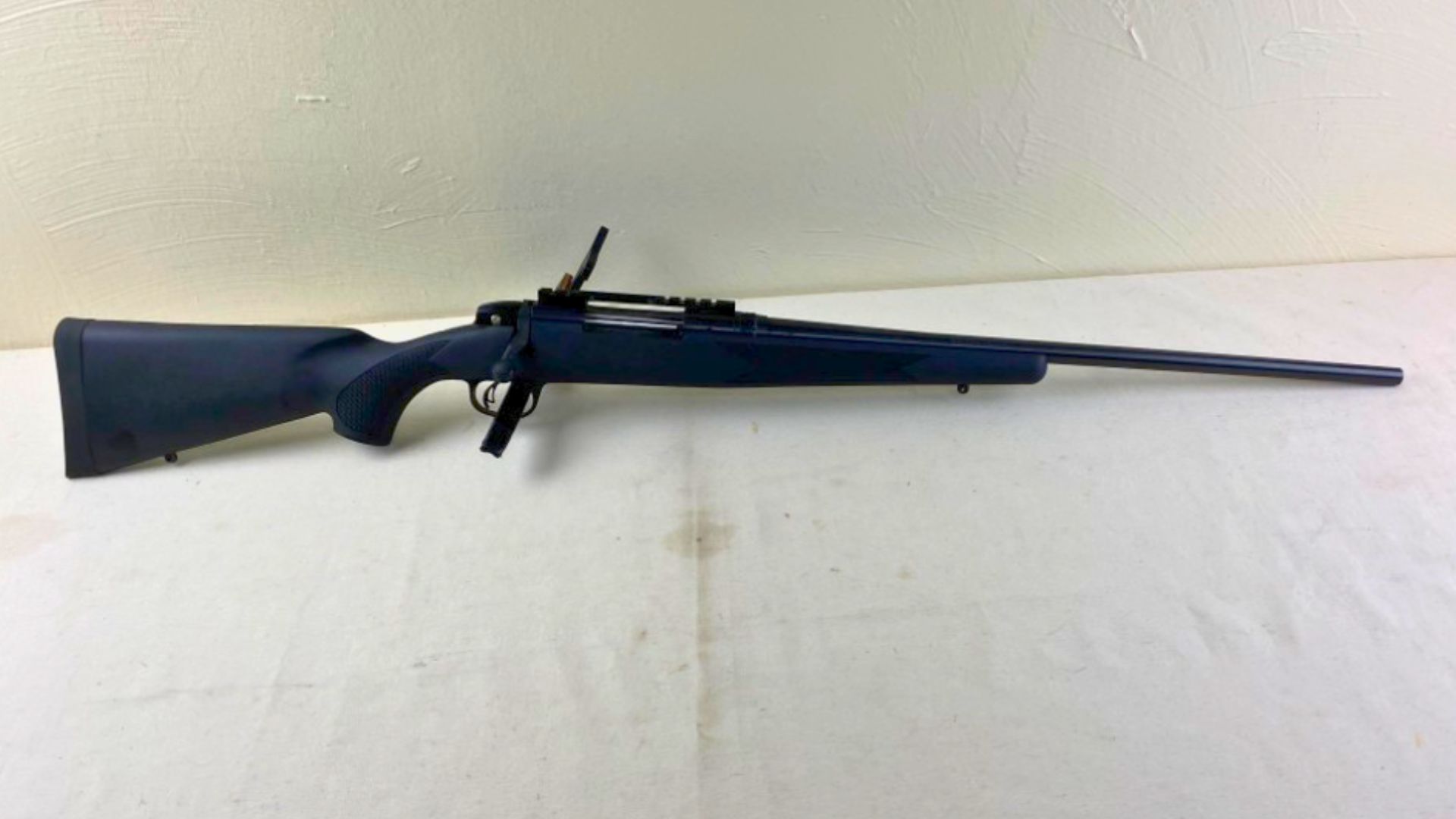
The Marlin X7 did not get the attention it deserved when it was around. Hunters often treated it like another bargain bolt gun that would disappear into the rack and be forgotten. It had plain looks, a synthetic stock, and no big-name mystique behind it.
The funny thing is, a lot of them shot very well. The X7 had practical features, a good trigger for the money, and enough accuracy to make owners wonder why more people were not talking about it. It became one of those rifles hunters mocked lightly until they saw what it could do with decent ammo.
CVA Cascade

The CVA Cascade had to deal with hunters who still thought of CVA mainly as a muzzleloader company. A centerfire bolt-action rifle from that brand sounded odd to some folks, and plenty of shooters were skeptical before ever shouldering one.
Then the Cascade started earning praise from hunters who actually carried it. It felt better than expected, shot well for the price, and came threaded from the factory on many models. For hunters who wanted a practical modern rifle without paying premium money, it made more sense after range time than it did in online arguments.
Howa 1500

The Howa 1500 has been underestimated for years because it does not always get the same attention as flashier American names. Some hunters passed over it because the brand felt unfamiliar, or because it lacked the campfire reputation of a Remington, Winchester, or Ruger.
Shooters who knew better defended it. The Howa action is smooth, strong, and dependable, and many rifles shoot extremely well with factory ammo. It has always been more of a working rifle than a bragging rifle. Hunters who bought one often found out it was boring in the best possible way.
Weatherby Vanguard

The Weatherby Vanguard got side-eyed by hunters who thought a “real” Weatherby had to be a Mark V. Some mocked it as the cheaper rifle wearing a famous name. Others dismissed it because it was built around the Howa action instead of fitting the glossy Weatherby image they had in mind.
In the field, the Vanguard made a strong case for itself. It gave hunters Weatherby styling, solid accuracy, and dependable function without the Mark V price. Plenty of owners found out it was a serious hunting rifle, not just a budget badge job. It worked because the bones were good.
Winchester XPR

The Winchester XPR caught criticism because it was not a Model 70. That was almost enough by itself. Hunters who grew up respecting controlled-round-feed Winchesters looked at the XPR and saw a modern budget rifle with plastic parts and none of the old romance.
But the XPR was not trying to be a Model 70. It was built as a practical hunting rifle, and many of them shot accurately right away. The trigger, barrel, and overall function gave hunters what they needed for real field use. It never had to be legendary to be useful.
Franchi Momentum

The Franchi Momentum looked strange enough to get mocked early. The stock design, grip shape, and overall styling did not look like the usual American deer rifle. Some hunters wrote it off as European weirdness before they ever sent a round downrange.
Then owners started reporting good accuracy and comfortable handling. The Momentum’s stock shape made more sense once you shot from field positions, and the rifle carried nicely. It was not traditional, but it was practical. Hunters who cared less about looks and more about how a rifle behaved started defending it pretty quickly.
Tikka T3x
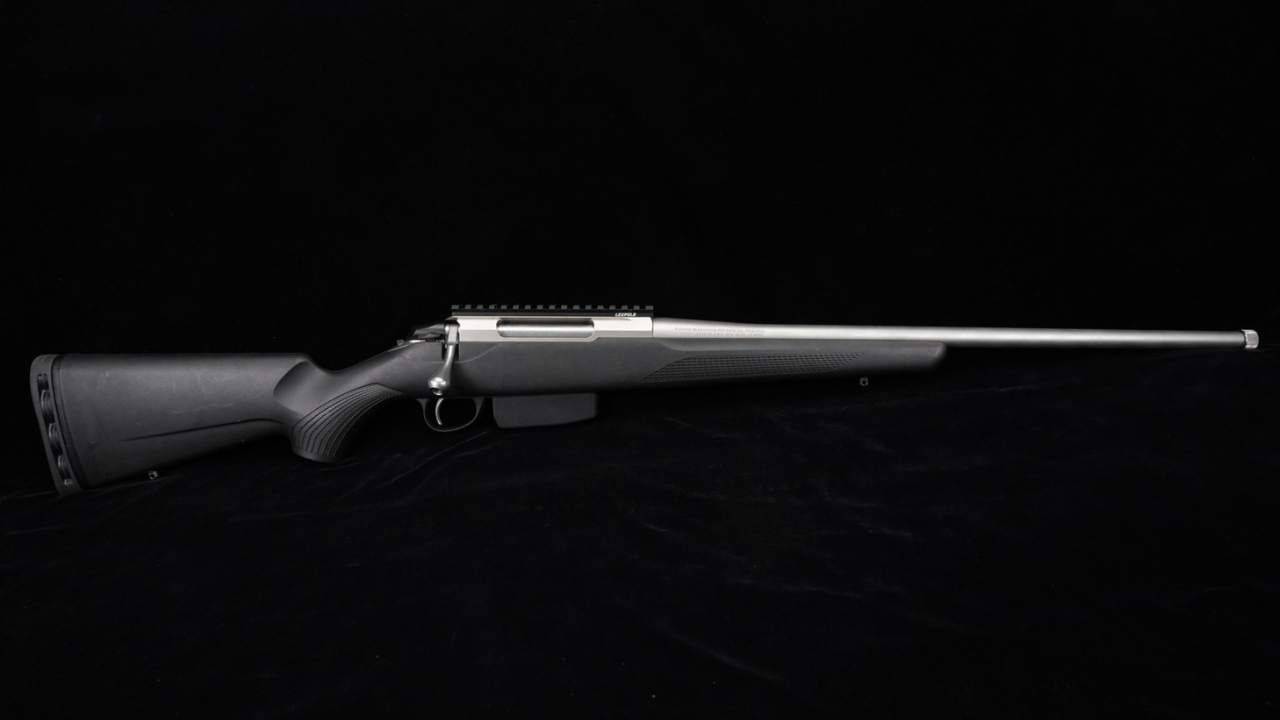
The Tikka T3x gets respect now, but plenty of hunters mocked earlier Tikka rifles for feeling too light, too plastic, or too different from old American bolt guns. Some could not get past the polymer magazine and slick, modern feel. It did not look like what they expected a serious hunting rifle to be.
Then people shot them and shut up fast. Tikkas became known for smooth actions, clean triggers, and reliable accuracy. The T3x proved that a hunting rifle did not need to feel heavy or traditional to perform. Hunters who once joked about them ended up buying them.
Henry Long Ranger
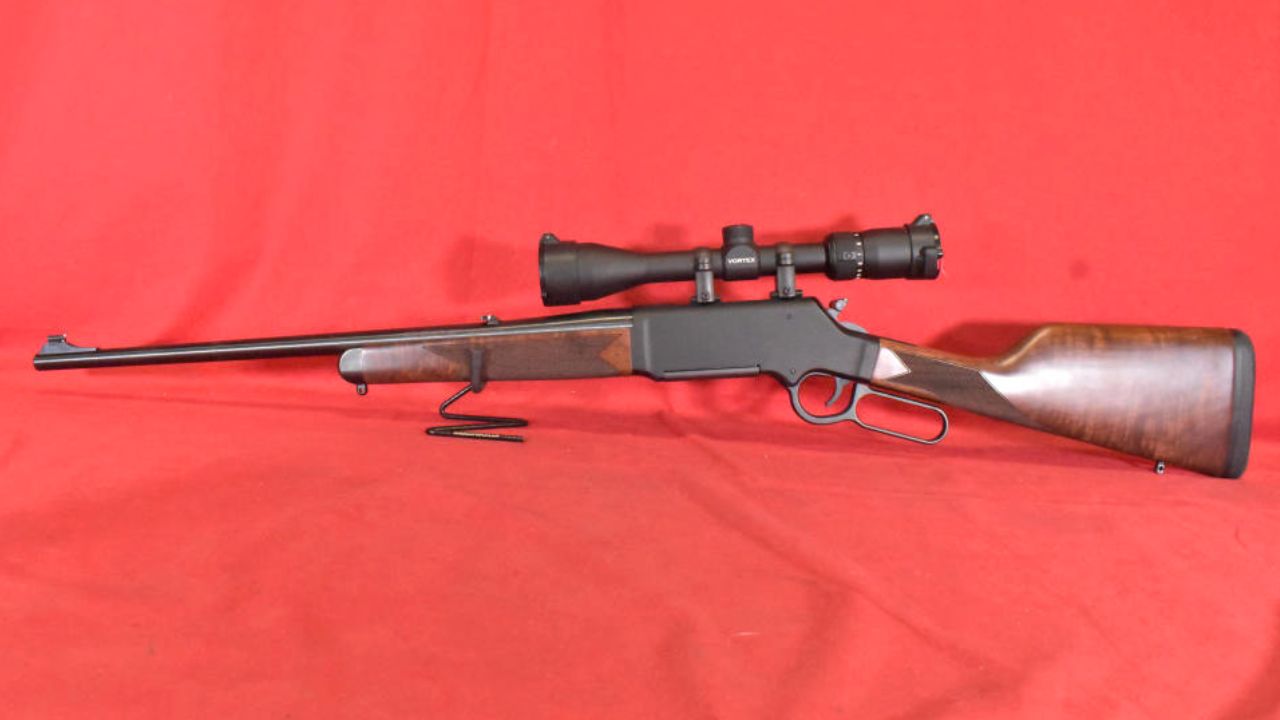
The Henry Long Ranger confused hunters who expected lever guns to be old-school, tube-fed woods rifles. Some mocked the idea of a box-magazine lever gun chambered for modern rifle cartridges. It did not fit neatly into the Marlin 336 or Winchester 94 picture people already had in their heads.
But the Long Ranger gave lever-action fans something useful: pointed-bullet cartridges, detachable magazines, and more reach than traditional lever guns. It was different, but it worked for hunters who wanted a lever gun without giving up modern ballistics. Once people accepted what it was, the rifle made sense.
Browning AB3
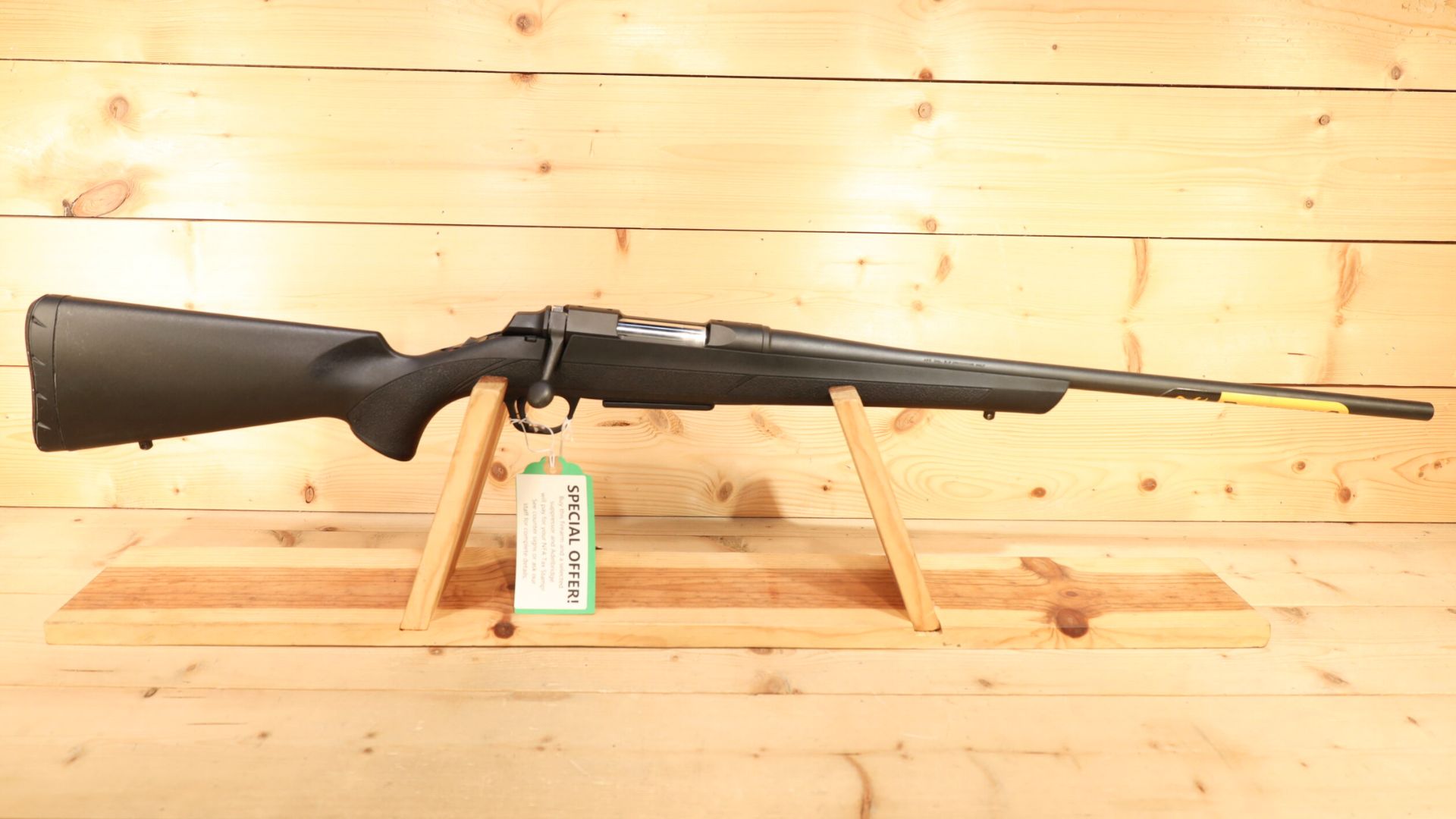
The Browning AB3 got criticized because it was not an X-Bolt or A-Bolt in the way many hunters expected. It looked and felt like Browning’s more affordable option, and that made some people dismiss it as a watered-down rifle from a respected name.
In actual hunting use, the AB3 did what it was supposed to do. It offered dependable feeding, solid accuracy, and a familiar Browning feel without the higher price tag. It was not as polished as the rifles above it, but plenty of hunters found that did not matter once they were sitting behind it on opening morning.
Stevens 200
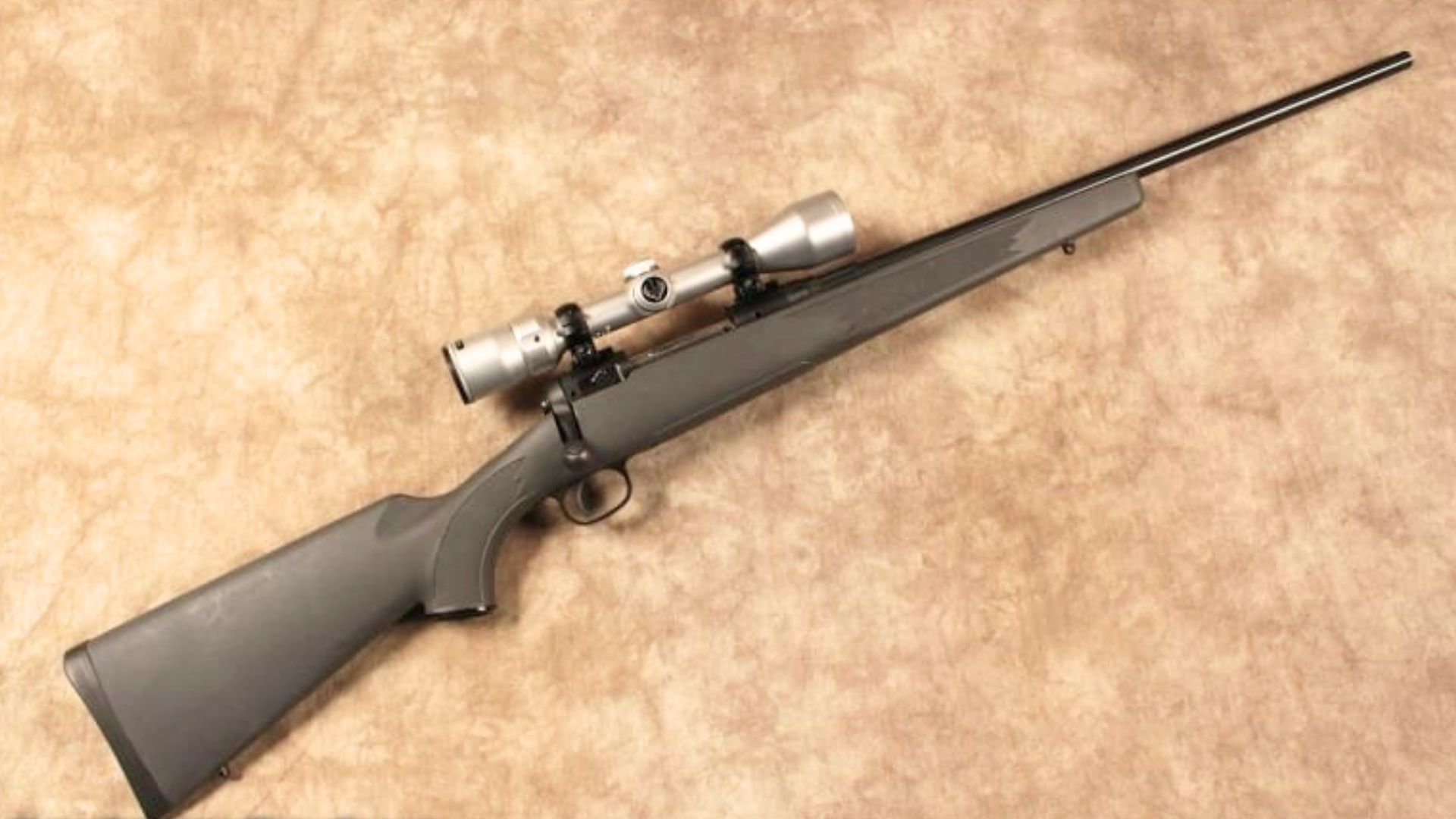
The Stevens 200 looked like the kind of rifle nobody wanted to brag about. It was plain, cheap, and about as basic as a bolt-action hunting rifle could get. Hunters mocked the stock, the finish, and the lack of features, especially when prettier rifles were sitting nearby.
Then the Stevens 200 built a quiet reputation for shooting. Based on the Savage 110 pattern, it had good bones even if it lacked charm. Hunters who bought them cheap often found out they had an accurate, dependable rifle that did not need babying. It was ugly, but it worked.
Like The Avid Outdoorsman’s content? Subscribe to our newsletter so you never miss an article.
Here’s more from us: