Photo credit: AI-generated image created using ChatGPT. Illustrative only.
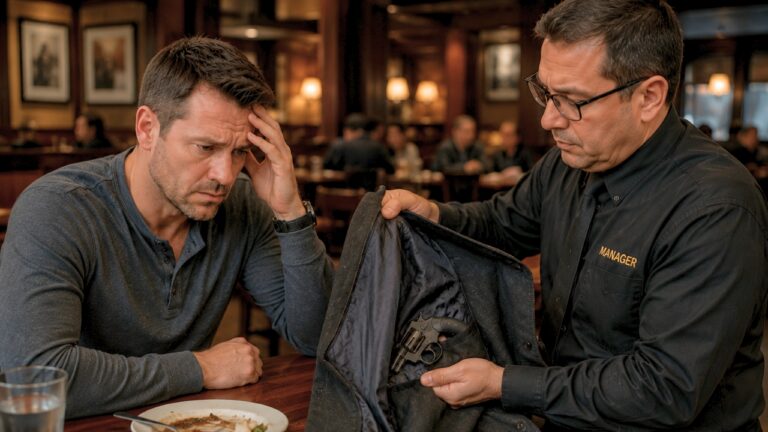
A guy orders a “solvent trap” from overseas, figures he’ll do things the right way, and then the whole plan gets derailed before the box ever hits his doorstep. Instead of a delivery notice, he gets a seizure letter telling him the package was stopped at the border and classified as a restricted firearm silencer.
In the original post, he admits up front he may have made a dumb call ordering it from China. His idea was to eventually get the tax stamp and learn what the traps were “all about.” But Customs and Border Protection didn’t see it as harmless cleaning gear—his letter said it was seized because it’s considered a restricted silencer.
The order never made it past the border
The key detail here is timing: the package was intercepted before delivery. That matters because a lot of folks assume the legal line is whether you “use” something, not whether you possess it or import it. The seizure letter the buyer received suggests the government isn’t treating the item like a regular accessory or cleaning tool; it’s treating it like a silencer.
That’s the part that should get every gun owner’s attention. When something is categorized as a suppressor/silencer, you’re no longer in the world of normal parts and accessories. You’re in NFA territory, and the rules and consequences change fast.
Where people get tripped up on “solvent traps”
Plenty of outdoorsmen have seen these marketed as cleaning tools—tubes and end caps that supposedly catch solvent and fouling. The problem is that a lot of the same designs, materials, and dimensions also line up with suppressor components. Even if a buyer’s intent is innocent—or they plan to “do paperwork later”—that doesn’t guarantee the item is viewed that way by federal authorities.
The post shows that common misunderstanding plain as day: the buyer thought it was “completely legal to have, just not use, until the tax stamp gets approved.” In real life, the line isn’t always that simple. If an item is considered a silencer (or silencer parts), possessing it without the right paperwork can put someone on the wrong side of the law, even if it never got mounted to a firearm.
The letter is the moment things feel real
A seized package is one thing. A letter showing up at your house is another. That’s when most folks start thinking about worst-case scenarios—like whether agents are coming, what it means for the rest of their firearms, and yes, even the dark humor that popped up in the post about needing “level 3 plates” for the family dog.
That joke is common gun-community coping, but the stress behind it is real. When the government stops a shipment and sends written notice, you’ve got a paper trail tied to your name and address. Even if nothing else happens, it’s hard to pretend it’s “no big deal” once that mail hits the box.
The big decision: walk away or try to fight for it
The buyer’s practical question was straightforward: ignore it, or try to get it back since he planned to do a tax stamp? That’s the fork in the road most people face in these situations. On one hand, you don’t want to forfeit money and just eat it. On the other hand, pushing back can keep the spotlight on you longer—and if the item is truly classified as a suppressor, “trying to get it back” isn’t the same as contesting a seized pocketknife.
This is where common sense matters more than pride. A lot of outdoorsmen are used to handling problems directly—calling the office, talking it out, explaining intentions. But NFA-related issues aren’t a handshake situation. If you’re thinking about responding or appealing, it’s smart to treat it like a serious legal matter, not a customer service issue.
What outdoorsmen can take from this before ordering gear online
If you hunt, shoot, or run land and you order parts online, this is a good reminder that “what it’s called on the website” isn’t what controls your outcome. Classification does. Import rules do. And the people deciding may not care what your plan was for some future paperwork.
The safest play is boring: buy from reputable domestic sources, stick to clearly lawful accessories, and if you’re stepping into NFA items, do it the established way from the start. If a product description leans hard on wink-and-nod language—“not for firearm use,” “for cleaning only,” “solvent trap”—that should set off alarms. Not because you’re doing something wrong, but because the product might be built in a way that gets treated as something else entirely.
And for anyone thinking, “I’ll just order it now and file later,” this story shows how that can end—with your money gone, your package seized, and official mail in your hand spelling out that the item is considered a restricted silencer.
There’s a time to experiment with new gear. There’s also a time to keep things simple, especially when federal paperwork and definitions are involved. In the woods and on the range, the easy route is usually the safer one—and when it comes to anything suppressor-adjacent, it’s almost always the smarter one, too.