Photo credit: Smith & Wesson/Youtube
A beginner does not need the smallest gun, the hardest-kicking gun, or the model every experienced shooter claims is “all you need.” New shooters need guns that help them build confidence. They need enough grip, manageable recoil, clear sights, simple controls, and enough range comfort to actually practice.
Some guns are fine for experienced owners but rough for someone just starting out. Others get recommended because they are popular, cheap, powerful, or traditional, not because they make learning easier. These specific models still get pushed toward beginners, even though many of them make the first few months harder than they need to be.
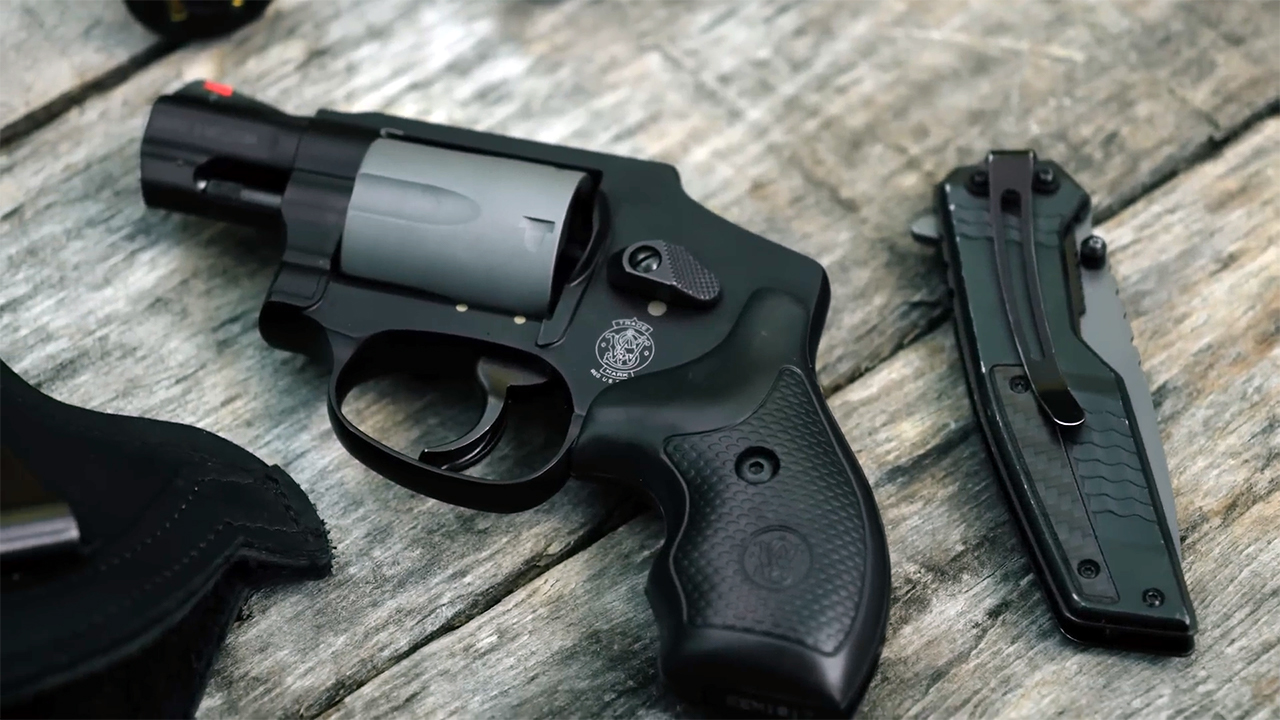
Smith & Wesson Model 642

The Smith & Wesson Model 642 gets recommended constantly because it is light, simple, and easy to carry. That sounds perfect to someone who wants a defensive handgun without learning a bunch of controls. It is also small enough to disappear in a pocket holster or waistband setup.
The problem is that it is not easy to shoot well. The sights are small, the grip is short, and the double-action trigger takes real practice. With defensive .38 Special +P loads, recoil can feel sharp enough to make beginners avoid range time. It is easy to carry, but not easy to learn on.
Smith & Wesson Model 340PD

The Smith & Wesson Model 340PD sounds like the ultimate defensive revolver on paper. It is extremely light, chambered for .357 Magnum, and built for deep concealment. Experienced carriers may understand exactly how to load and use it.
For beginners, it is a brutal recommendation. Full-power .357 Magnum loads in a revolver this light are punishing, loud, and hard to control. Even .38 Special defensive loads can feel snappy. A beginner needs confidence and repeatable hits, not a tiny magnum revolver that makes every trigger press feel like a punishment.
Ruger LCR .357 Magnum

The Ruger LCR .357 Magnum gets recommended because it is compact, modern, and has one of the better triggers in the small revolver world. People also like that it can fire both .357 Magnum and .38 Special, which makes it sound flexible.
That flexibility can work against beginners. New shooters may buy it for the magnum chambering, then discover they hate shooting magnums through it. Even with .38s, it is still a lightweight snubnose with limited sights and a short grip. It is a solid carry gun for the right shooter, but not a great first handgun.
Taurus 856 Ultra-Lite

The Taurus 856 Ultra-Lite gets recommended because it is affordable, small, and holds six rounds of .38 Special instead of the usual five. For someone shopping on a budget, that sounds like a smart defensive revolver.
The issue is that small lightweight revolvers are rarely beginner-friendly. The trigger can feel heavy to new shooters, the sights are basic, and the light frame makes recoil feel sharper than expected. The extra round is nice, but it does not fix the fact that this is still a hard gun to learn on.
Glock 43
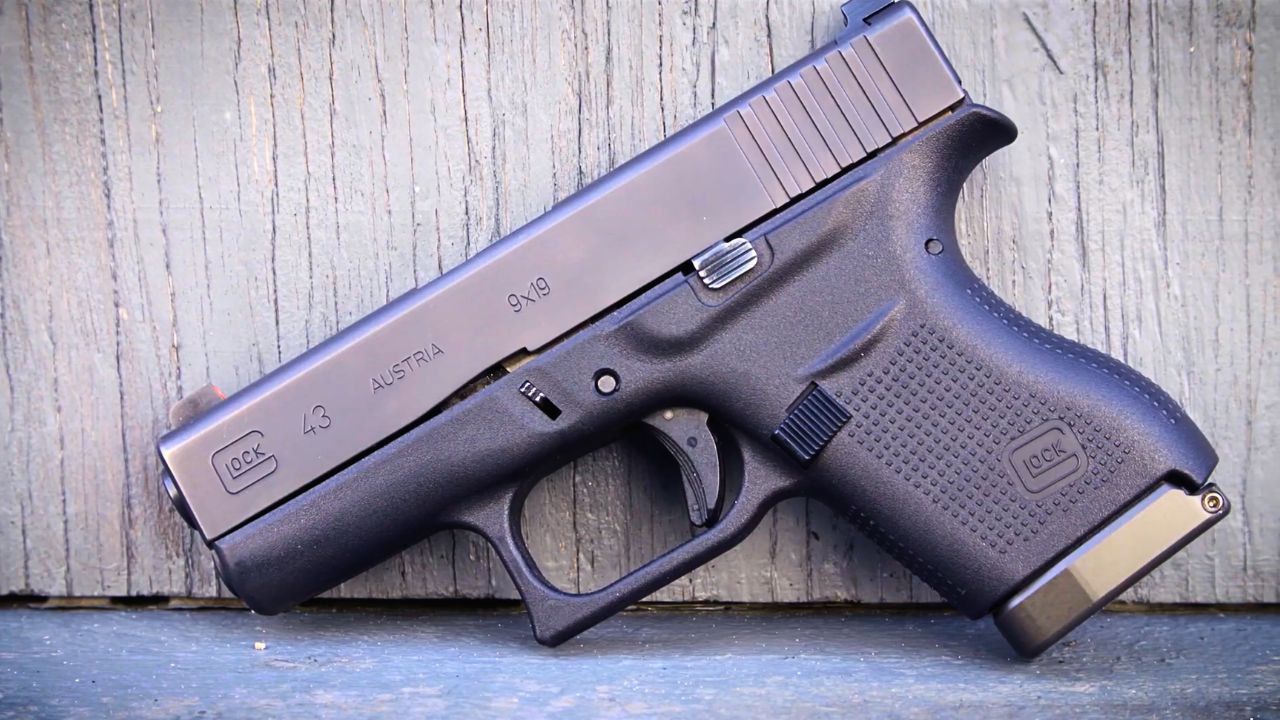
The Glock 43 gets recommended because it has the Glock name and carries easily. It is slim, reliable, simple to operate, and backed by a huge holster and parts market. For experienced shooters who want a small 9mm, it can make plenty of sense.
For beginners, the small size works against it. The short grip gives less control, the recoil feels quicker than a compact pistol, and the lower capacity leaves less room for training mistakes. A new shooter will usually build skill faster with a Glock 19 or Glock 48 than with the tiny G43.
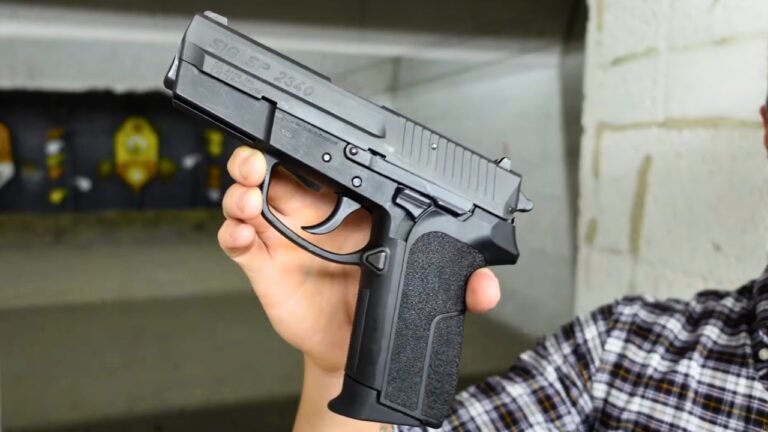
SIG Sauer P365
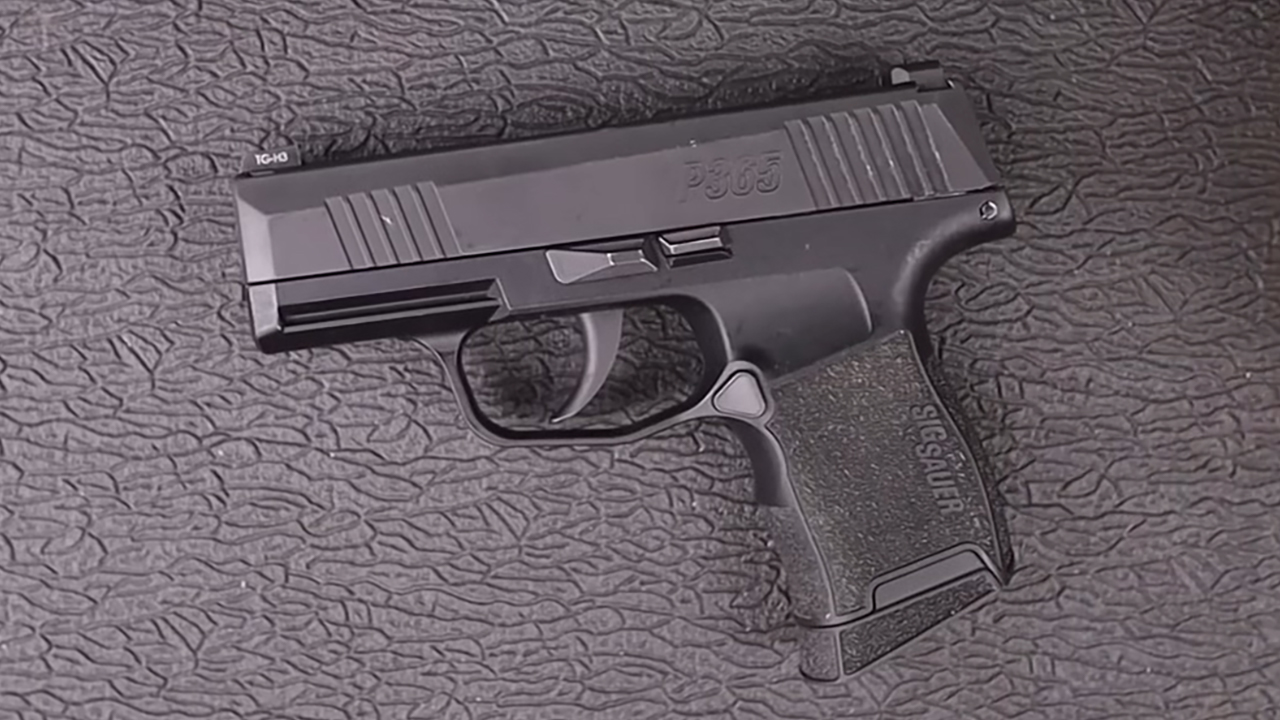
The SIG Sauer P365 changed the carry market, and it is easy to understand why people recommend it. It gives impressive capacity in a very small package and has become one of the most popular carry pistols in the country.
That does not make the original P365 the easiest first handgun. It is still a tiny 9mm with a short grip, quick recoil, and less forgiveness than a larger pistol. Experienced shooters can run it well. Beginners may struggle and assume the problem is them, when the gun is simply less forgiving.
Springfield Armory Hellcat

The Springfield Armory Hellcat gets recommended for the same reason as the P365. It is small, high-capacity for its size, and easy to conceal. On paper, that sounds like everything a beginner could want in a carry gun.
On the range, the Hellcat can feel jumpy. The grip is short, the slide is small, and the recoil impulse is sharp compared with larger 9mm pistols. It is a useful carry gun, but it is not an easy teacher. A beginner who starts with one may dread practice before they ever get confident.
Ruger LCP Max

The Ruger LCP Max gets recommended because it solves the pocket-carry problem better than many older .380s. It is light, small, and holds more rounds than traditional pocket pistols. For deep concealment, that matters.
But a beginner gun should encourage practice, and the LCP Max usually does not. The grip is tiny, the sight radius is short, and .380 recoil in a pocket-size gun can feel worse than expected. It is a gun people carry a lot and often shoot very little. That is not ideal for someone learning.
KelTec P-3AT
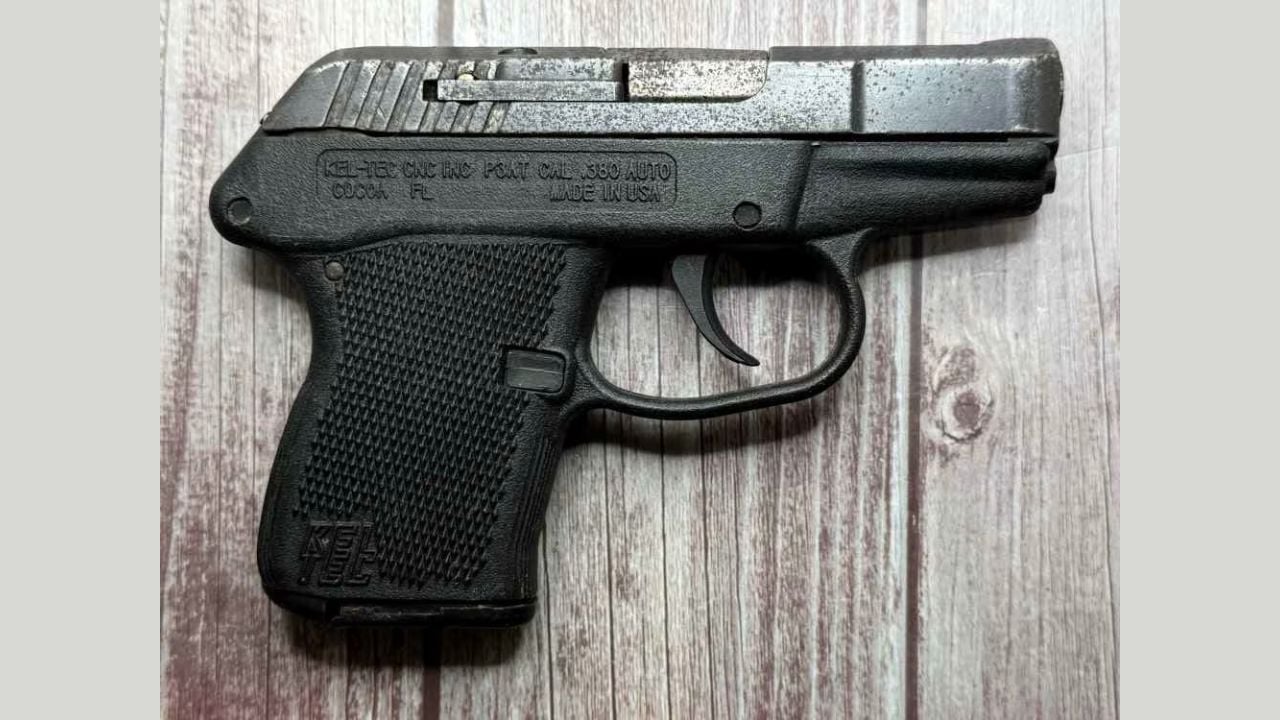
The KelTec P-3AT is often recommended because it is cheap, extremely small, and easy to carry. It helped define the modern pocket .380 category, and it still appeals to people who want the smallest defensive pistol they can find.
For beginners, it is a rough starting point. The sights are minimal, the trigger takes getting used to, the grip is tiny, and recoil feels sharp for such a small caliber. It may be easy to own and easy to hide, but it is not easy to shoot well.
Glock 27

The Glock 27 used to be one of the default compact carry recommendations. It gave buyers a small Glock chambered in .40 S&W, which sounded like serious defensive power in a proven package.
The problem is the combination. A small frame and snappy .40 recoil make it harder to control than a compact 9mm. New shooters are usually better served by a Glock 19, Glock 48, or Glock 26 in 9mm. The Glock 27 can work, but it asks more from the shooter than a beginner needs.
Smith & Wesson M&P Shield .40
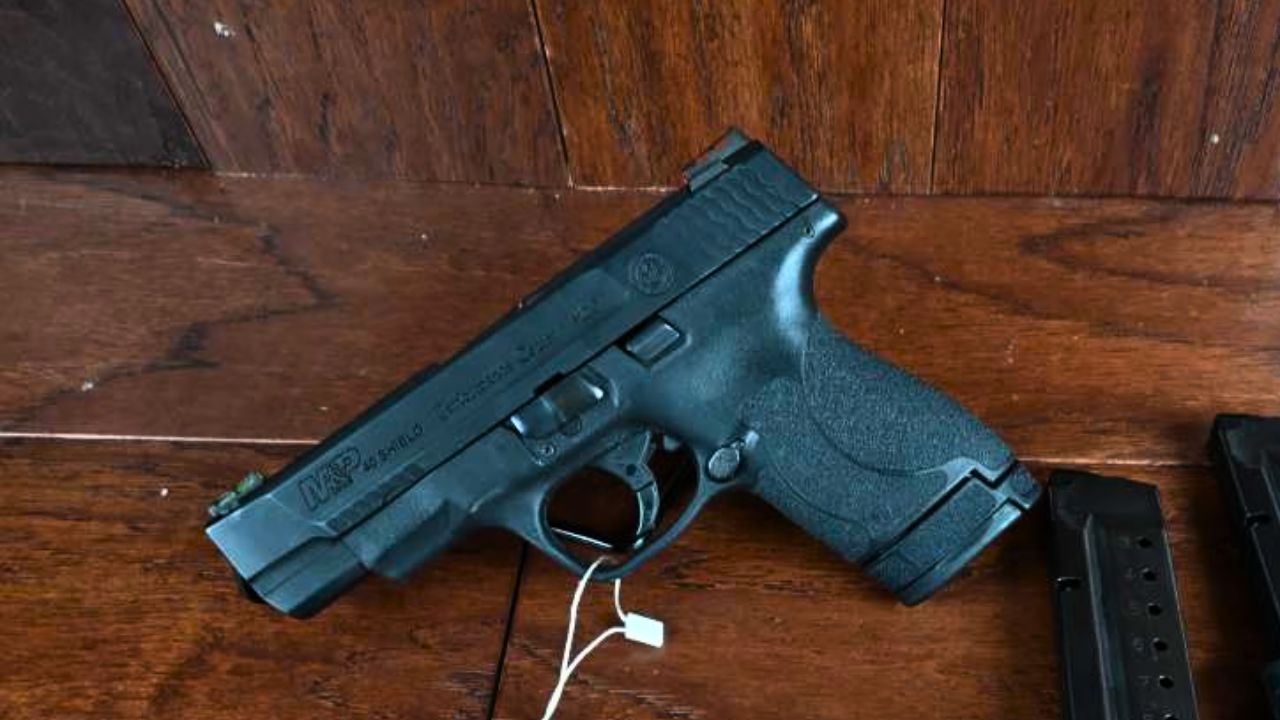
The Smith & Wesson M&P Shield .40 gets recommended because the Shield name is trusted and the pistol is easy to carry. The 9mm Shield made sense for a lot of people, so some assume the .40 version is just the stronger choice.
That extra power comes with a cost. Slim, lightweight .40-caliber pistols can be sharp and unpleasant to train with. A beginner who might enjoy practicing with a Shield 9mm may avoid the .40 after a few rough range sessions. A defensive gun you do not practice with is not much of a beginner win.
Springfield Armory XD-S .45 ACP
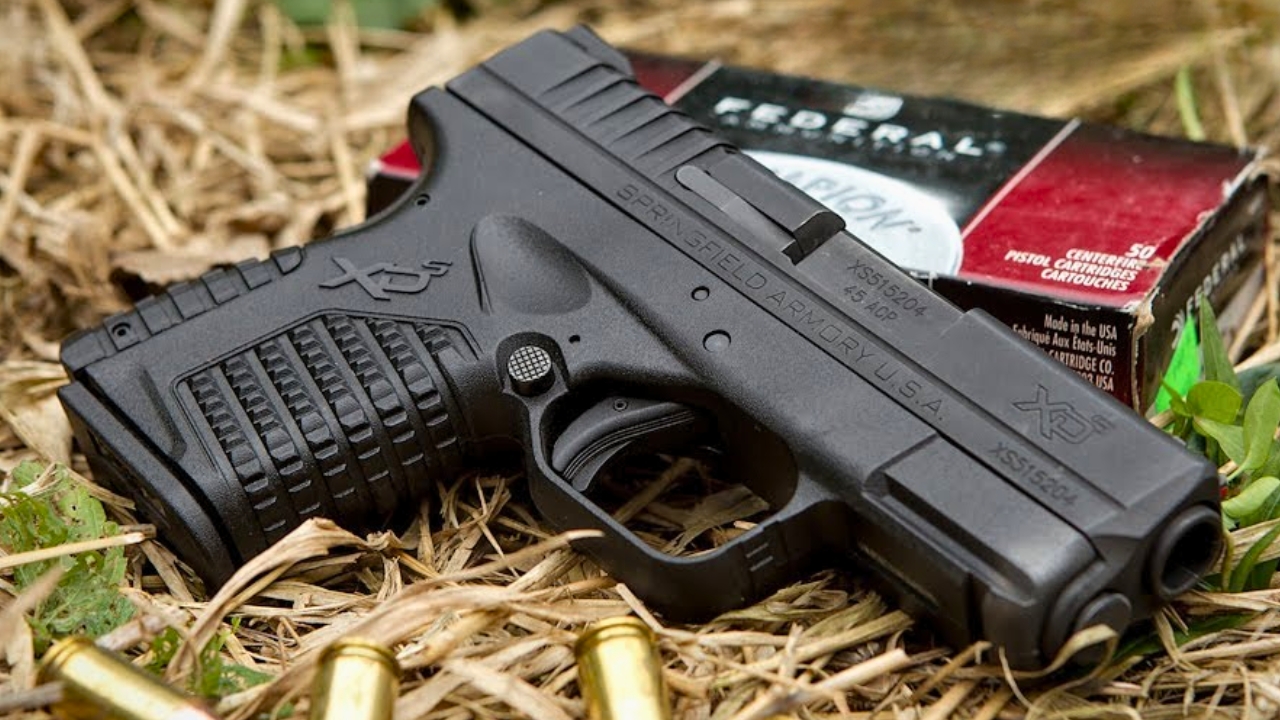
The Springfield Armory XD-S .45 ACP gets recommended because it sounds like a serious carry pistol. A slim single-stack .45 gives buyers the feeling that they are carrying real stopping power in a compact package.
For beginners, it is a lot to manage. The pistol is small, the grip is thin, and .45 ACP recoil in that size gun is not as friendly as people expect. Capacity is limited, follow-up shots take more effort, and practice can become tiring. A larger 9mm is usually a much better place to start.
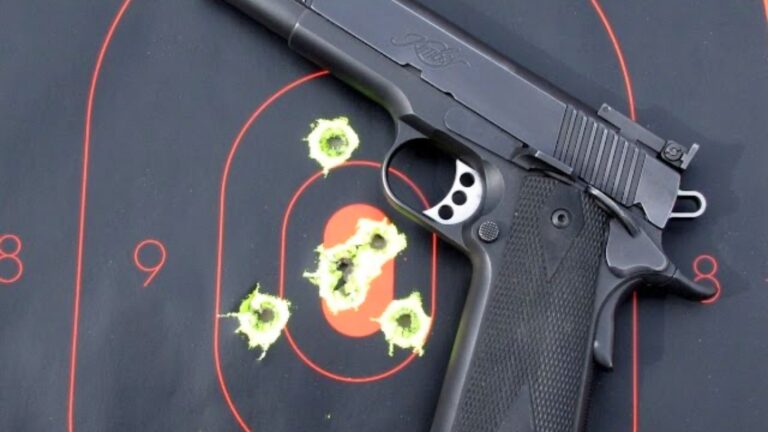
Kimber Micro 9

The Kimber Micro 9 gets recommended because it looks good, carries easily, and has 1911-style appeal in a small package. For people who like metal pistols and manual safeties, it has obvious charm.
The problem is that charm does not make it an easy beginner gun. It is small, recoil is quick, and the manual safety adds another habit a new shooter has to build correctly. It can be a nice pistol for someone who trains, but it is not the easiest first defensive handgun.
SIG Sauer P938

The SIG Sauer P938 has the same beginner problem as many small single-action carry guns. It feels refined, looks classy, and gives shooters a compact 9mm with a crisp trigger and manual safety.
But new shooters have to manage recoil, a short grip, small controls, and cocked-and-locked carry if they use it defensively. That is a lot for a first handgun. A beginner is usually better off learning on a larger, simpler pistol before jumping into a tiny single-action 9mm.
Taurus Judge
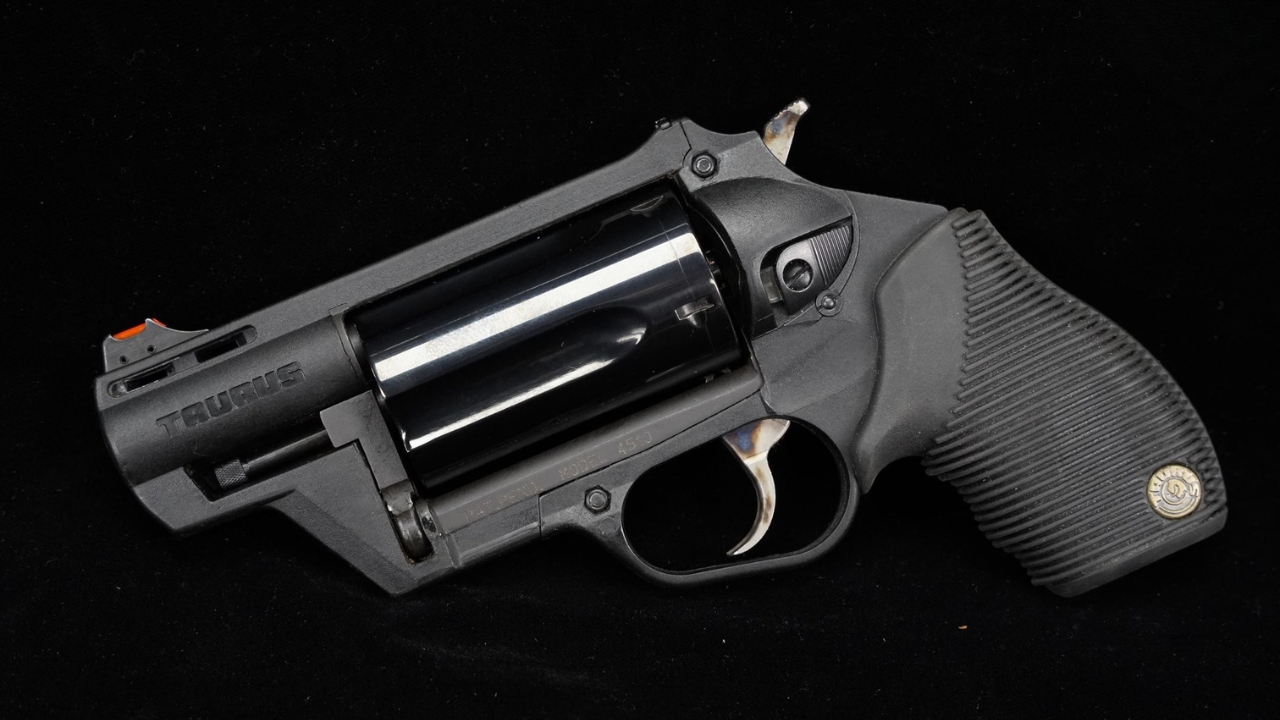
The Taurus Judge gets recommended because the concept sounds comforting. A revolver that can fire .410 shells and .45 Colt seems versatile, intimidating, and easy to understand. People sell it like a shortcut for home defense.
It is not a shortcut. The Judge is bulky, low-capacity, and harder to use well than the sales pitch suggests. .410 from a short handgun barrel is not the same as a shotgun. A beginner is better off learning a normal handgun or a real shoulder-fired shotgun instead of starting with a novelty revolver.
Smith & Wesson Governor
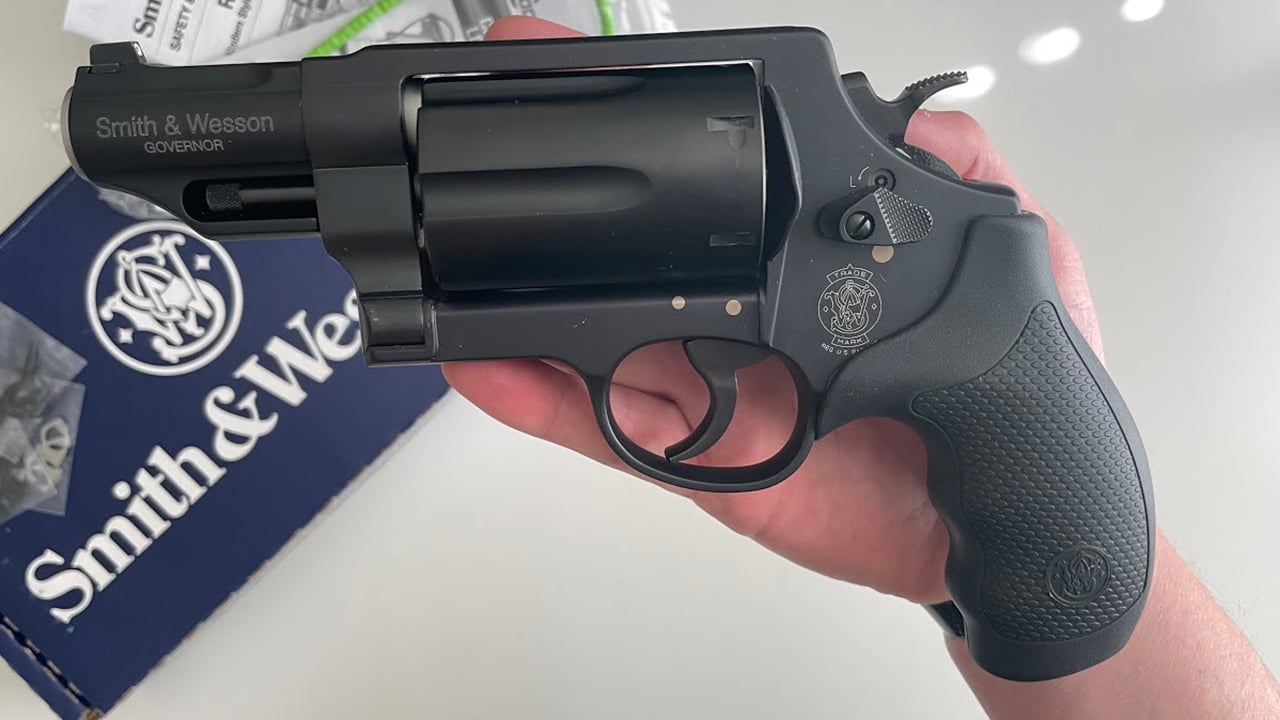
The Smith & Wesson Governor gets recommended for the same reason as the Judge. It sounds versatile because it can fire .410, .45 Colt, and .45 ACP with moon clips. That sounds like a lot of capability in one gun.
For beginners, it creates more confusion than confidence. It is large, expensive, low-capacity, and dependent on understanding very different ammunition types. New shooters do not need a complicated ammo lesson before they have mastered stance, grip, sights, and trigger control.
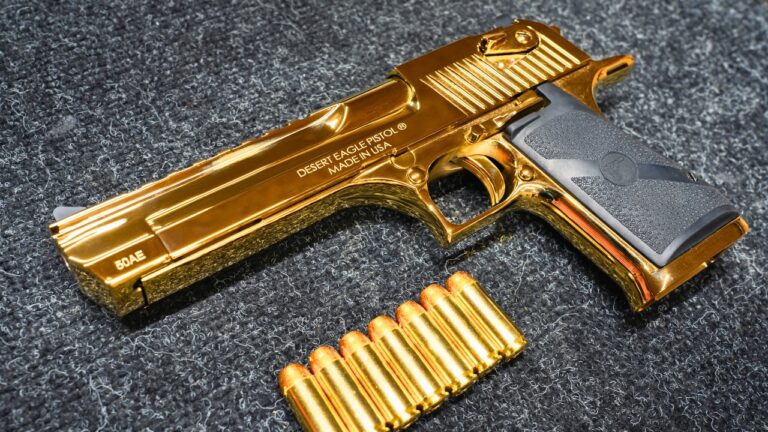
Desert Eagle .50 AE

The Desert Eagle .50 AE is not usually recommended by serious instructors, but it still gets suggested by people who think power equals capability. New shooters recognize it from movies, games, and range videos, which makes it tempting.
As a beginner handgun, it is a disaster. It is huge, heavy, loud, expensive to feed, and not practical for normal defensive or training use. It turns shooting into a spectacle instead of a skill-building process. A beginner needs repetitions, not a hand cannon.
Mossberg 590 Shockwave

The Mossberg 590 Shockwave gets recommended because it looks compact, intimidating, and simple. People see a short 12-gauge firearm and assume it is perfect for home defense.
For beginners, it is a poor teacher. Without a normal shoulder stock, recoil control and aiming are harder. It requires more technique than people expect, not less. A standard Mossberg 500 or 590 with a shoulder stock is far easier for a new shooter to learn and control.
Mosin-Nagant M44
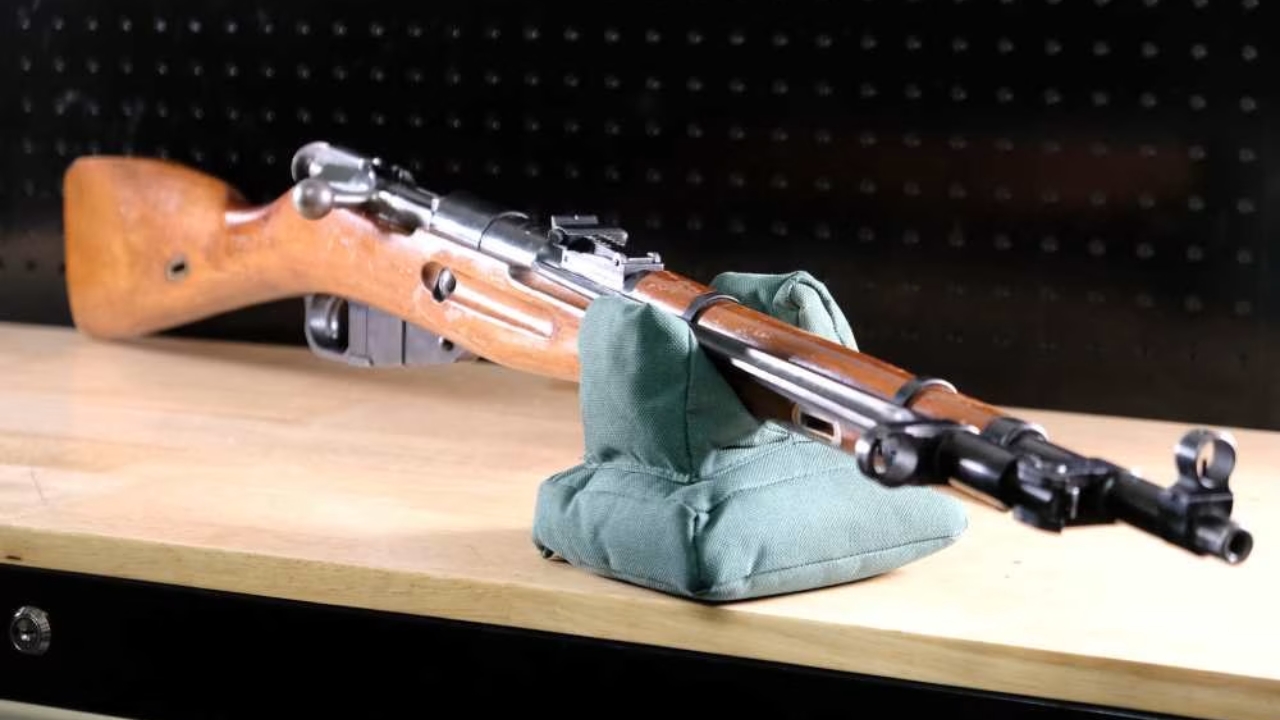
The Mosin-Nagant M44 gets recommended because it is rugged, historical, and chambered in a powerful rifle round. Some people still talk about old surplus rifles like they are perfect beginner guns because they are simple and tough.
The M44 is simple, but it is also loud, rough, heavy-recoiling, and not especially friendly to new shooters. The trigger, sights, bolt throw, and blast can all make learning harder. It is a cool old rifle, but not a good first rifle for building fundamentals.
Ruger American Predator .300 Win Mag

The Ruger American Predator in .300 Win. Mag. is the kind of rifle people recommend when they want a beginner to buy “one rifle for everything.” It has enough power for deer, elk, moose, and long shots, which sounds reassuring.
The issue is recoil and blast in a relatively light rifle. A new hunter who starts with a .300 Win. Mag. may develop a flinch before learning proper trigger control. Most beginners would be better served by the same rifle in .308, 7mm-08, .270 Winchester, or 6.5 Creedmoor. More power does not help if the shooter is scared of the rifle.
Like The Avid Outdoorsman’s content? Subscribe to our newsletter so you never miss an article.
Here’s more from us: