Photo credit: The Deercast/YouTube
“Overbored” is just a fancy way of saying you’re pushing a lot of powder through a relatively small bore. On paper, that buys you speed and flat trajectory. In real life, it often buys you barrel heat, throat erosion, short barrel life, picky load behavior, and a rifle that’s great for a few shots and annoying for long sessions. None of these calibers are useless. Some are awesome in the right role. The headache comes when guys buy them expecting “all the benefits, none of the costs.”
Here are 15 calibers that commonly deliver that overbored headache experience in the real world—especially for hunters and shooters who actually put rounds downrange.
.264 Winchester Magnum
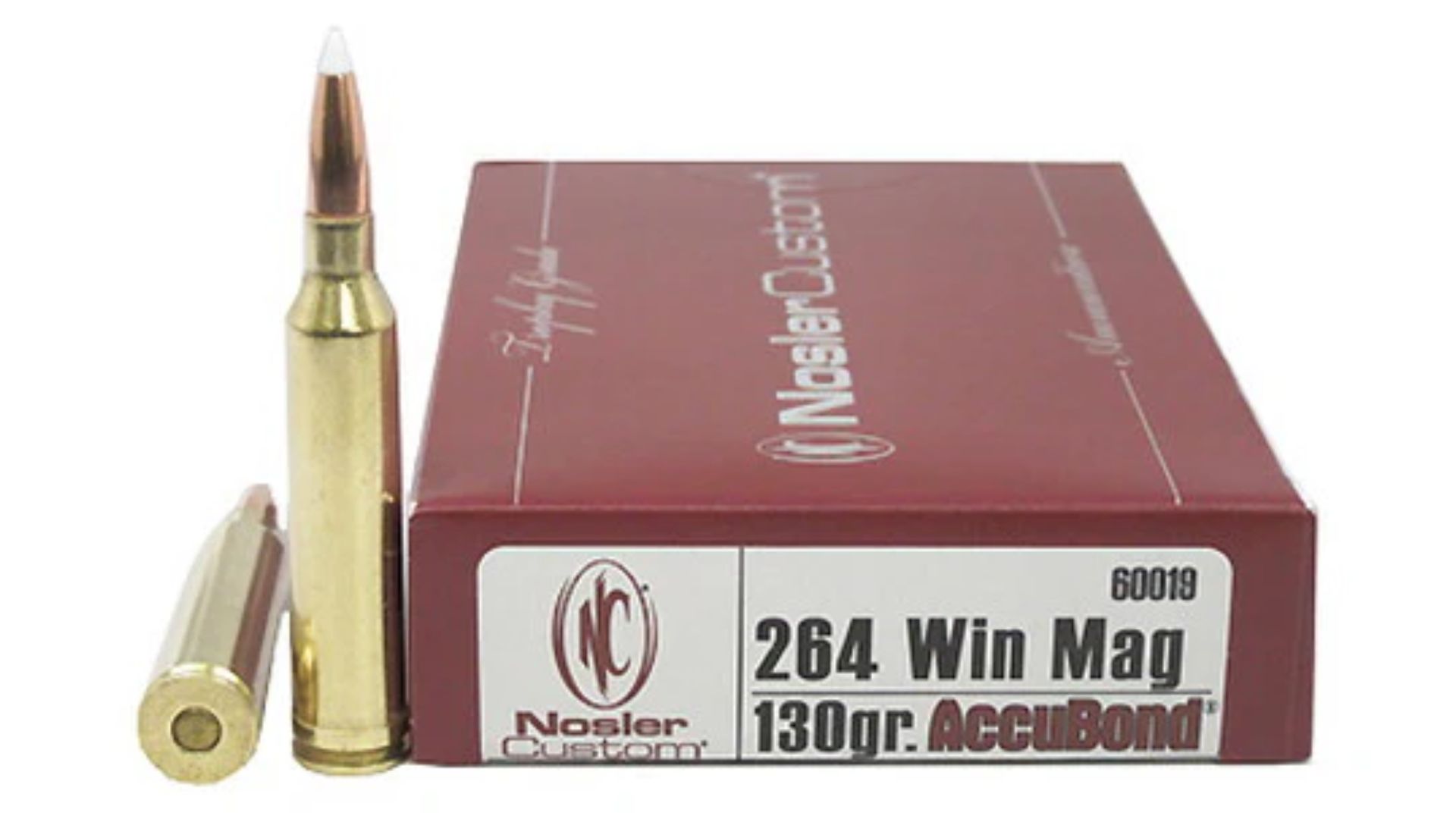
The .264 Win Mag has a legendary “flat and fast” reputation, and it earned that reputation. The problem is it can also be hard on barrels, especially at the throat. Guys love the idea of a 6.5 that hits like a magnum and shoots flat. Then they learn that long practice sessions heat it up quick and erosion isn’t a myth.
It’s also one of those rounds where load tuning matters if you want consistent accuracy. Some rifles love it, some are picky, and when the throat starts moving, your seating depth game becomes a regular chore. If you shoot it occasionally and hunt with it, it can be great. If you shoot it like a range caliber, it can turn into a maintenance hobby.
7mm Remington Ultra Magnum (7mm RUM)
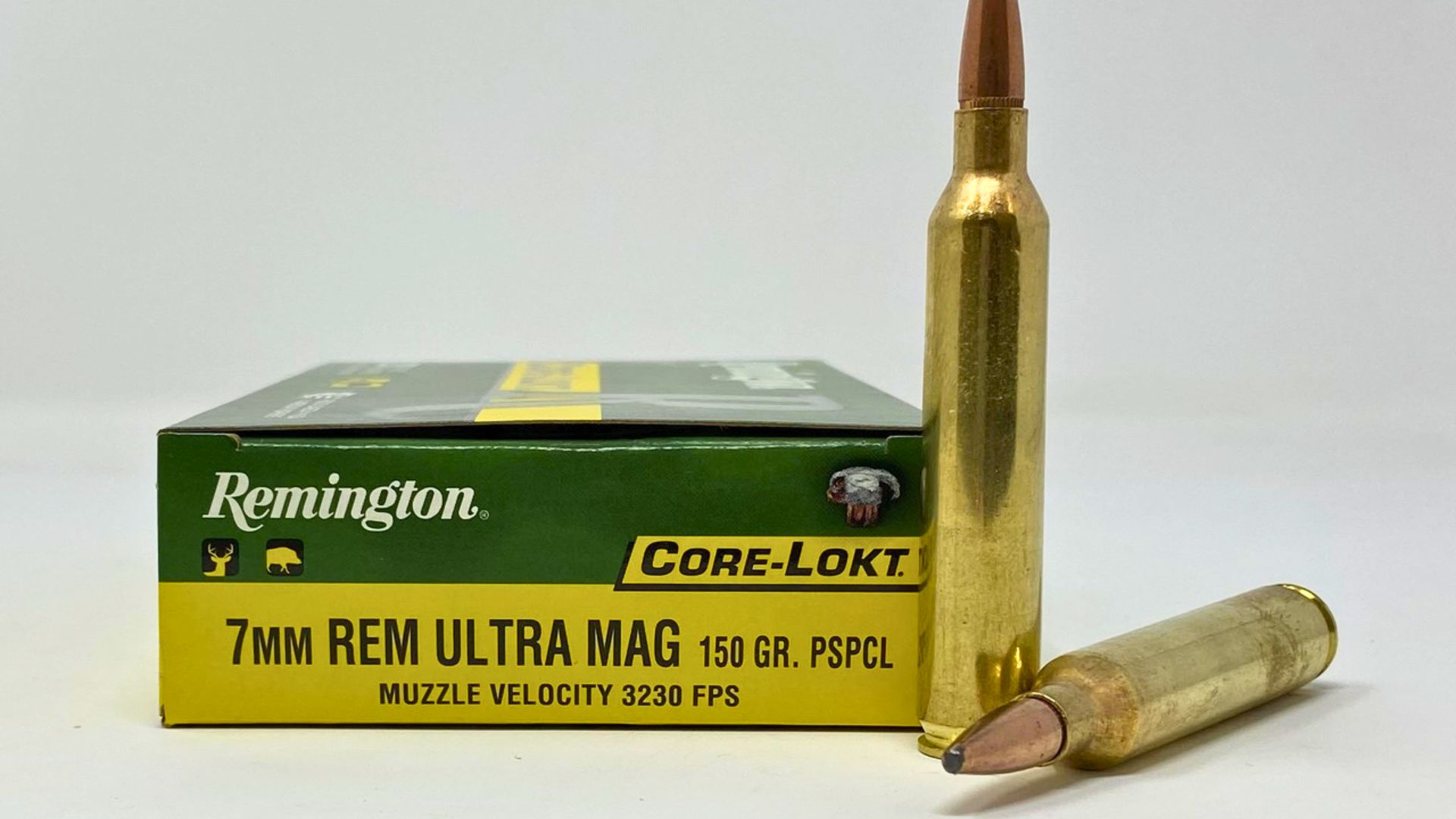
The 7mm RUM is the poster child for “more powder fixes everything.” It can be a hammer. It can also be a barrel-eater with real-world recoil and heat to match. You don’t casually shoot 7mm RUM all afternoon without paying for it—either with shoulder fatigue, heat issues, or barrel wear over time.
It also tends to magnify small setup problems. If your rifle isn’t built solid—stock, bedding, mount integrity—this cartridge will expose it fast. When guys complain about “inconsistency,” sometimes it’s the system getting shaken and heated, not the caliber being inaccurate. Still, it’s a high-output cartridge and it comes with high-output headaches.
.300 Remington Ultra Magnum (.300 RUM)
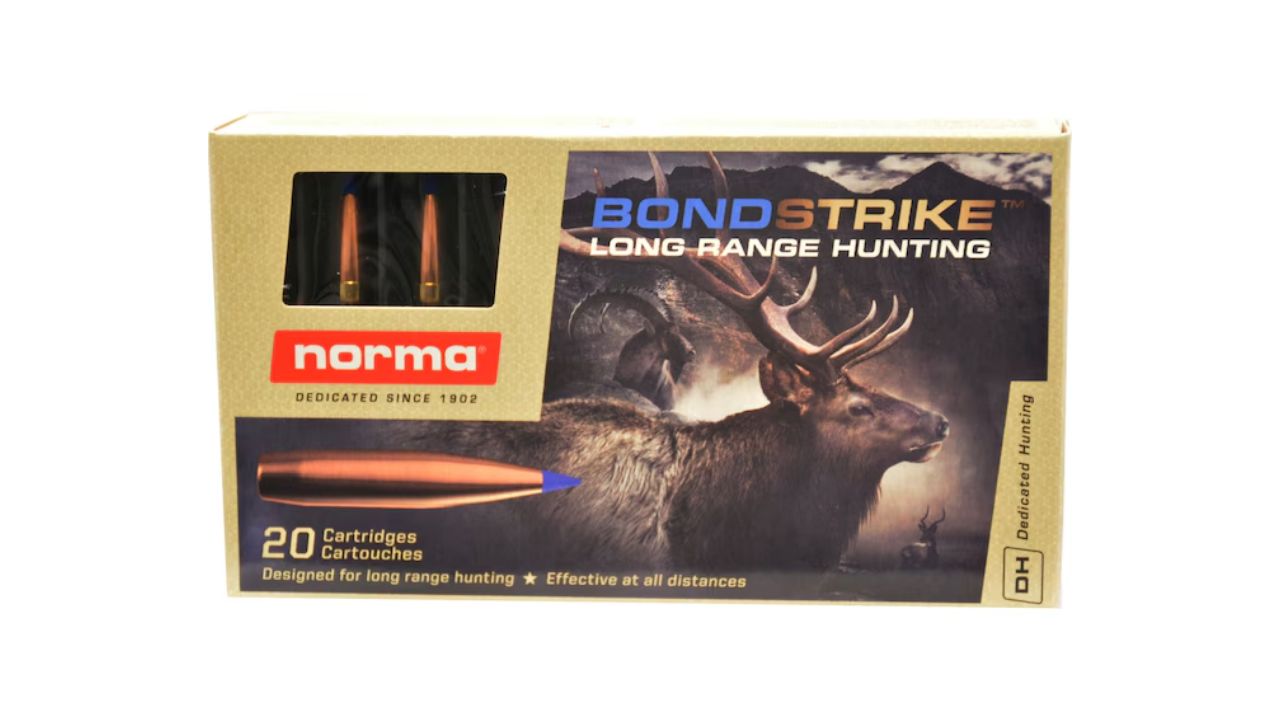
Same family, same reality. .300 RUM can be brutally effective, but it’s not a “cheap reps” caliber. Barrel heat comes fast, recoil is real, and throat life isn’t endless. People buy it thinking it’s just a “better .300 Win Mag,” then they find out it’s a different animal in cost, barrel behavior, and how quickly things get hot.
If you’re a high-volume shooter, it can be a pain. If you’re a hunter who confirms zero and shoots a few rounds a year, it can be fine. The headache is when people buy it because they want to feel like they own the most powerful thing on the line and then try to practice like a .308 shooter.
.257 Weatherby Magnum

This is one of the best examples of “amazing on paper, fussy in reality.” .257 Wby is flat and hits hard for its caliber, but it’s overbored and it runs hot. Barrel life can be shorter than people expect if you shoot a lot. And because it’s a Weatherby magnum, ammo cost and availability can limit how much you actually practice.
It also has a reputation for being a little picky in some rifles. Not always, but often enough. When it’s dialed, it’s nasty on game. When it isn’t dialed—or when you’re running long strings—it can start feeling like a high-speed specialty tool, not a relaxed everyday shooter.
.300 Weatherby Magnum

.300 Wby can be a fantastic hunting round, but it’s another case where the “flat and fast” story hides the real cost: heat, recoil, and tuning. It’s not as extreme as the RUMs, but it still runs hot and it can be hard on throats compared to milder cartridges. The more you shoot, the more you’ll notice it.
It’s also easy to get sucked into chasing speed and ignoring consistency. Guys start chasing max velocity, then wonder why groups aren’t stable or why brass life is short. It’ll kill extremely well. It can also become a headache if you treat it like a practice-heavy range cartridge.
.240 Weatherby Magnum
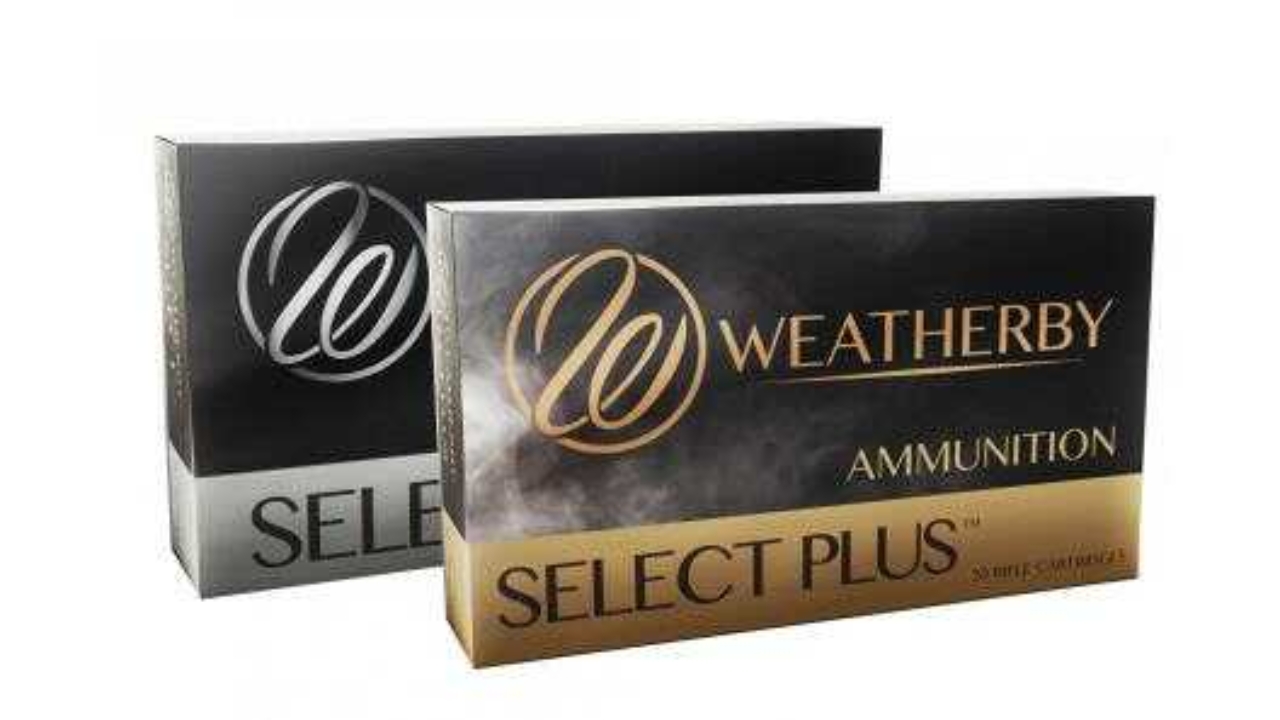
A lot of people don’t think of the .240 Wby as “a headache round” because it’s a smaller caliber. But it’s still a high-velocity cartridge that can be hard on barrels relative to what most shooters expect. It’s a screamer. That speed comes with heat and throat wear if you shoot it much.
It’s also not a common shelf caliber everywhere, so practice tends to be expensive or limited. That creates the classic problem: you own a flat-shooting rifle you don’t shoot enough to really know. Then you take it hunting and expect perfect results. The caliber can be great—if you accept it’s a specialty tool.
.22-250 Remington

This one surprises people because it’s so common. .22-250 is absolutely overbored compared to .223, and it can be a barrel-heater in a hurry—especially on prairie dog style shooting where you’re sending lots of rounds. The throat can erode faster than guys expect if they run it hot and hard.
It’s also a caliber where people chase speed and use light bullets, which can make accuracy finicky in some rifles. When it’s right, it’s a laser. When you push it hard for volume, you’ll start paying attention to heat, barrel life, and load behavior. Great performance, real costs.
.220 Swift

The Swift is basically the original “why does my barrel hate me” varmint cartridge. It’s fast and flat, and it’s been melting prairie dogs for decades. It’s also known for being hard on throats and for heating barrels quickly. Modern barrels are better than the old days, but the basic overbore reality didn’t change.
Owning a Swift can be awesome if you’re realistic about cadence and barrel life. If you expect it to behave like a .223 in terms of cost and wear, you’re going to have a bad time. It’s a classic because it works. It’s also a classic because it teaches you what overbored means.
6.5-300 Weatherby Magnum

This is one of those calibers that sounds like it was designed by a guy who hates barrels. It’s unbelievably fast and flat. It’s also firmly in “specialty tool” territory. Heat is immediate, throat wear is real, and ammo isn’t cheap. If you’re not a handloader or you don’t have a clear purpose, it can turn into a headache purchase fast.
It’s cool to own, and it can do impressive things. But it’s not the caliber you pick if you want to shoot every weekend and not think about barrel life. It rewards careful use, not volume. For a lot of shooters, that’s not how they actually live.
26 Nosler
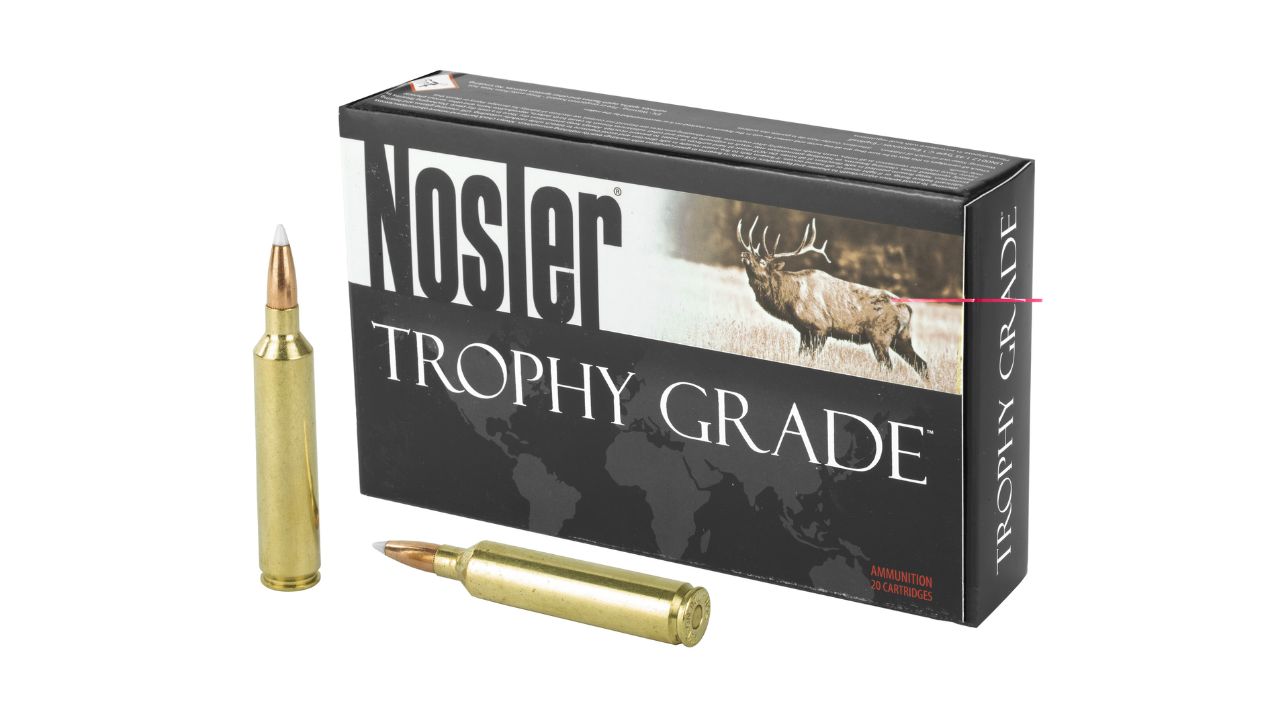
26 Nosler is a rocket, and it shoots the kind of numbers that make people fall in love instantly. Then they find out it’s a big powder burner in a small bore, and the throat doesn’t stay new forever. If you’re the guy who likes to practice a lot, you’ll start thinking about barrel life sooner than you want.
It’s also a cartridge that encourages max velocity chasing. That often means load tuning can be pickier, and heat management matters. When it’s dialed, it’s impressive. But it’s not a “set it and forget it, shoot it all day” caliber for most people. It’s a performance engine, not a commuter car.
28 Nosler

28 Nosler is extremely popular in the “western hunting” world because it flat-out works. It’s also a powder-hungry round that can be hard on barrels when shot heavily. The recoil and heat are real, and it will expose weak setups and weak shooting habits fast. It’s not forgiving if you’re inconsistent on the gun.
For hunting, it can be fantastic because you’re usually firing a handful of shots a year. For guys who actually train and shoot a lot, it becomes a cost/heat/maintenance conversation. The headache isn’t that it doesn’t kill. The headache is the price you pay to get that level of performance.
30 Nosler
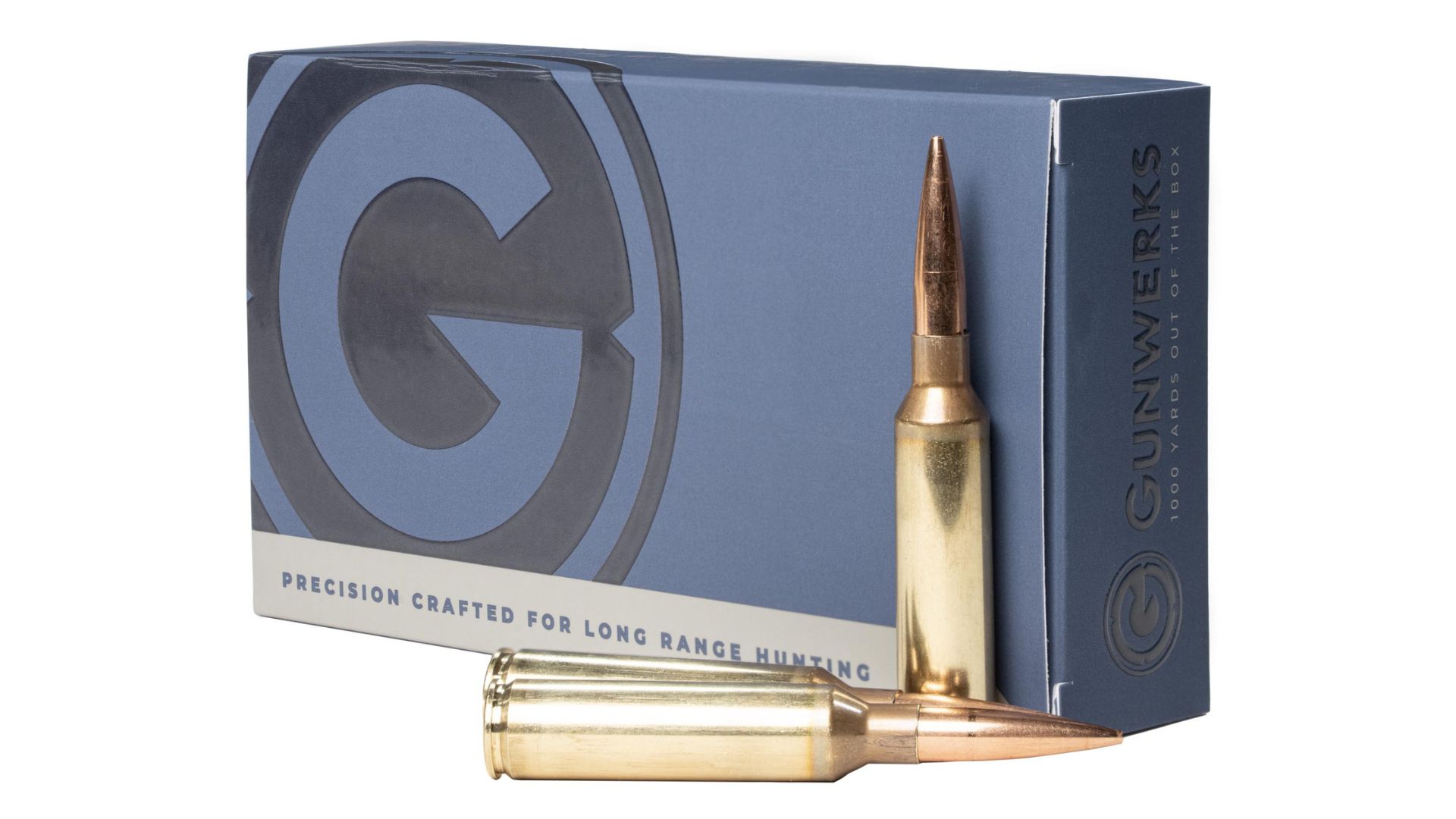
30 Nosler sits in that same high-output lane. It’s powerful, flat, and expensive to feed. Barrel heat and throat wear are part of the deal. It also tends to make shooters chase velocity like it’s the only metric. Then they’re surprised when accuracy becomes a tuning job instead of a guarantee.
If you shoot it like a hunting cartridge—confirm, verify, hunt—it can be a great tool. If you try to practice with it like a mild .30 caliber, it’ll punish your wallet and your barrel. It’s not a bad caliber. It just has costs that many buyers don’t fully accept until later.
6.5 PRC (borderline overbore, but still a heat/erosion conversation)

6.5 PRC isn’t as extreme as the big Weatherbys and Noslers, but it still gets included in “overbore” conversations for a reason: it’s a relatively high-performance 6.5 that can run hot, and it can wear throats faster than milder cartridges if you shoot high volume. A lot of people jump into it expecting “6.5 Creedmoor but better,” then treat it like a Creedmoor in training volume.
The PRC can be an excellent hunting round. The headache shows up when people decide it’s also their high-volume range trainer. It can do that, but you’ll pay more attention to barrel life and heat than you would with milder choices. It’s about expectations and use-case.
.243 Winchester (hot-rod loads and real-world barrel heat)

You wouldn’t think of .243 as an overbored headache until you’ve watched a .243 varmint rifle get run hard. With hot loads, it can heat quickly and the throat can wear faster than people expect. It’s not the worst offender, but it’s a common “first lesson” caliber because so many people start with it and then shoot it a lot.
For deer hunting and moderate use, .243 is easy. For heavy varmint volume, it can become a barrel management game. The headache usually comes from guys using it as a do-everything caliber—youth deer rifle and prairie dog blaster—without adjusting expectations for heat and wear.
6mm Remington

6mm Rem is a cool cartridge and can be very effective, but it lives in that high-velocity 6mm lane where heat and throat wear matter—especially if you’re pushing it hard. Like other fast 6mms, it can deliver great performance and also demand smarter shooting cadence if you’re doing volume.
It’s also less common than .243, so ammo availability can be a pain depending on where you live. That means practice can be limited, which makes it easier to own one without truly knowing it. You end up with a “cool caliber” that’s less convenient than it looks on paper—another form of real-world headache.
Like The Avid Outdoorsman’s content? Be sure to follow us.
Here’s more from us: