Photo credit: The Second Act Mindset/YouTube
Some pistols earn a reputation for needing more attention than the shooter behind them. You head to the range expecting to burn through a few boxes of ammo, but instead you spend half the afternoon clearing stoppages, tightening screws, or tracking down whatever part decided it had done enough for the day. These guns aren’t necessarily unsafe—they’re just finicky. And when something as basic as a practice session turns into a troubleshooting exercise, you stop trusting the platform. A reliable pistol fades into the background when it runs well; a troublesome one steals the whole show.
Plenty of handguns look good on paper but fall apart when real use enters the picture. Loose tolerances, weak springs, fragile components, or rough machining all play a role. Sometimes the design itself was never meant for high-volume shooting. If you’ve ever packed a cleaning kit before packing ammo, you already know the type of pistols we’re talking about.
Kimber Solo

The Kimber Solo tends to frustrate shooters who expect trouble-free sessions. It’s extremely sensitive to ammunition choice, and lighter loads regularly cause failures to feed or eject. As you begin working through a box of ammo, malfunctions start to stack up, forcing you to stop and diagnose what the pistol wants next. Even shooters who follow Kimber’s recommended ammo guidelines often run into issues.
The Solo’s tight tolerances also mean it doesn’t tolerate dirt or carbon well. Once the gun warms up and debris builds, the slide slows just enough to interfere with cycling. Many owners spend more time cleaning and testing loads than actually shooting, which makes a simple range day feel more like a chore.
Remington R51 (Early Models)

Early R51 pistols arrived with cycling problems that showed up immediately on the firing line. The hesitation-lock design worked in theory, but the execution created constant feeding and extraction issues. Many shooters experienced stovepipes, nose dives, and spent brass failing to leave the pistol at all. The first magazine or two might run, but fouling quickly made the system even more unreliable.
Owners often found themselves field stripping the pistol mid-session, trying to realign internal parts or clean out debris. The combination of rough machining and early production inconsistencies meant that range days were as much about troubleshooting as shooting.
Taurus PT140 Millennium (Pre-G2)
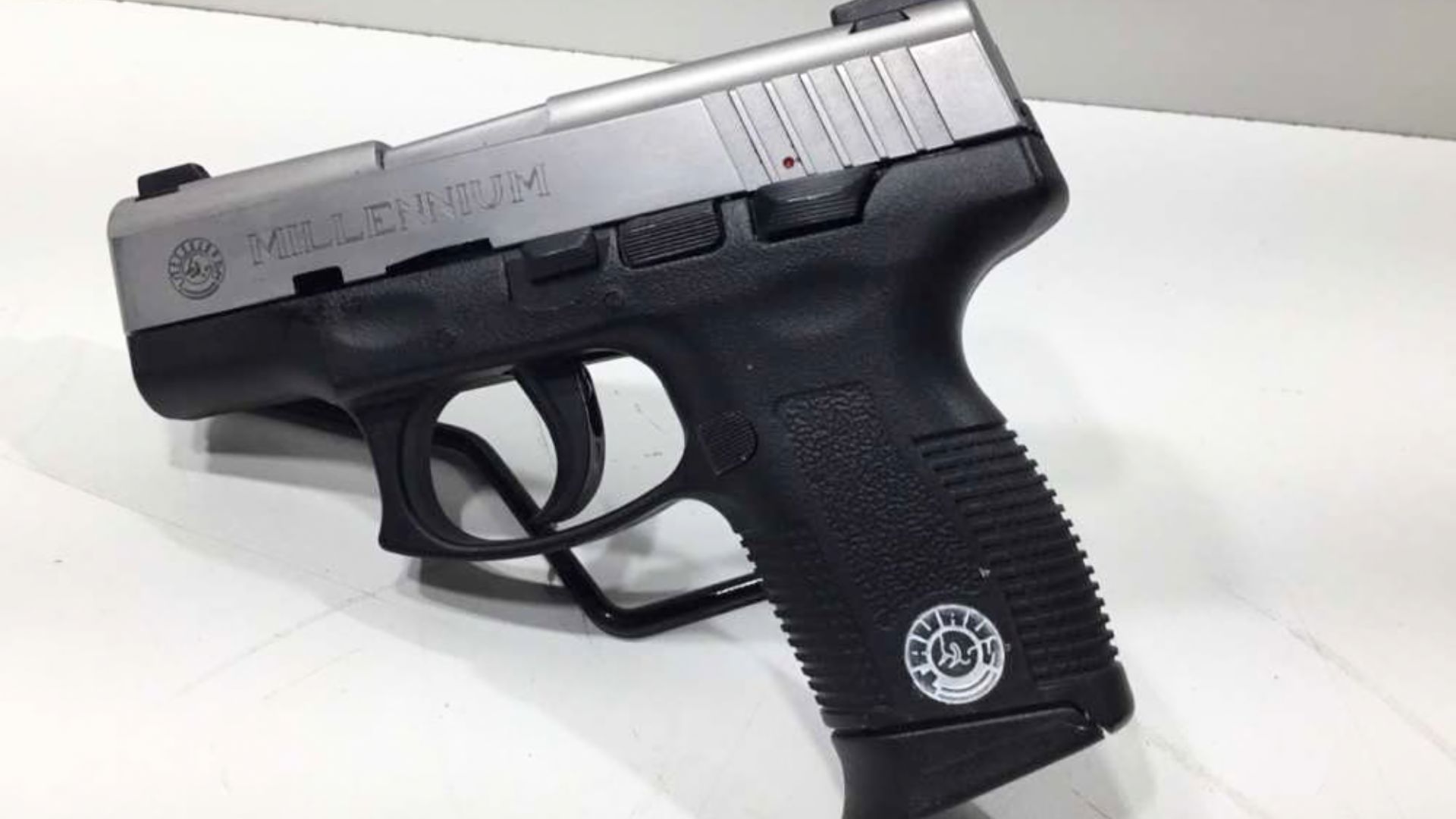
Before the improved G2 generation, the original PT140 had a reputation for uneven reliability. Weak extraction was common, and a few magazines of mixed loads were enough to get the gun slowing down. Light primer strikes, failures to feed, and slide lock issues all showed up frequently during extended sessions.
Because the pistol used earlier-generation springs and parts, wear accelerated quickly. Shooters would often discover that components loosened or wore unevenly after only a few hundred rounds. Range days easily turned into repair sessions, with owners replacing springs, adjusting sights, or diagnosing intermittent malfunctions.
KelTec PF-9
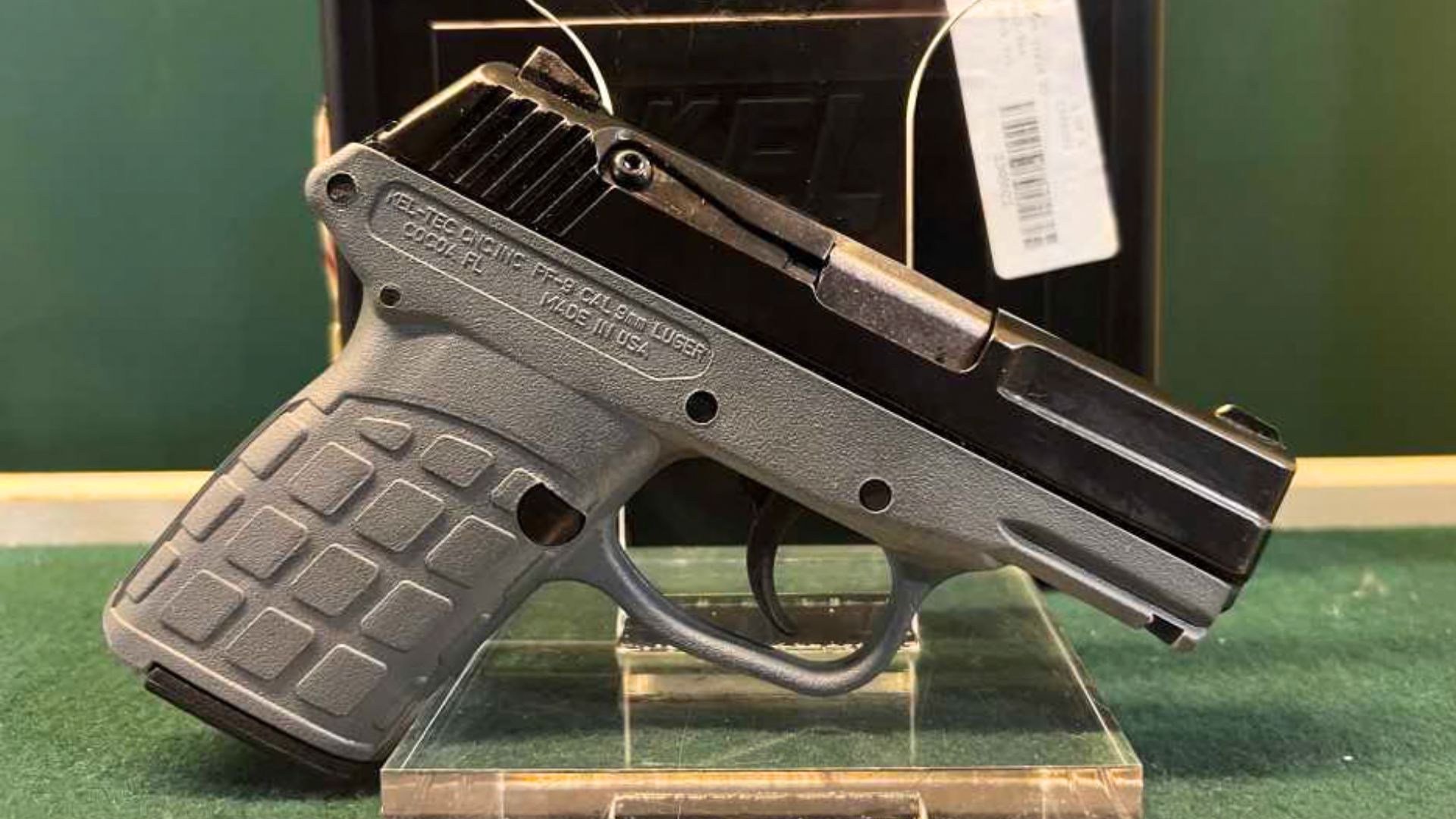
The PF-9 is lightweight and easy to carry, but range time exposes its limitations. The pistol’s snappy recoil beats up internal parts, which leads to premature wear on extractors and pins. After a few magazines, shooters often notice failures to extract or feed, forcing them to stop and clear malfunction after malfunction.
Because the PF-9 was designed with minimal mass, it doesn’t handle high round counts well. Heat and vibration cause screws to loosen, and the slide may slow enough to introduce cycling problems. Owners eventually learn to bring tools to the range just to keep it running.
Kimber Micro 9 (Select Models)
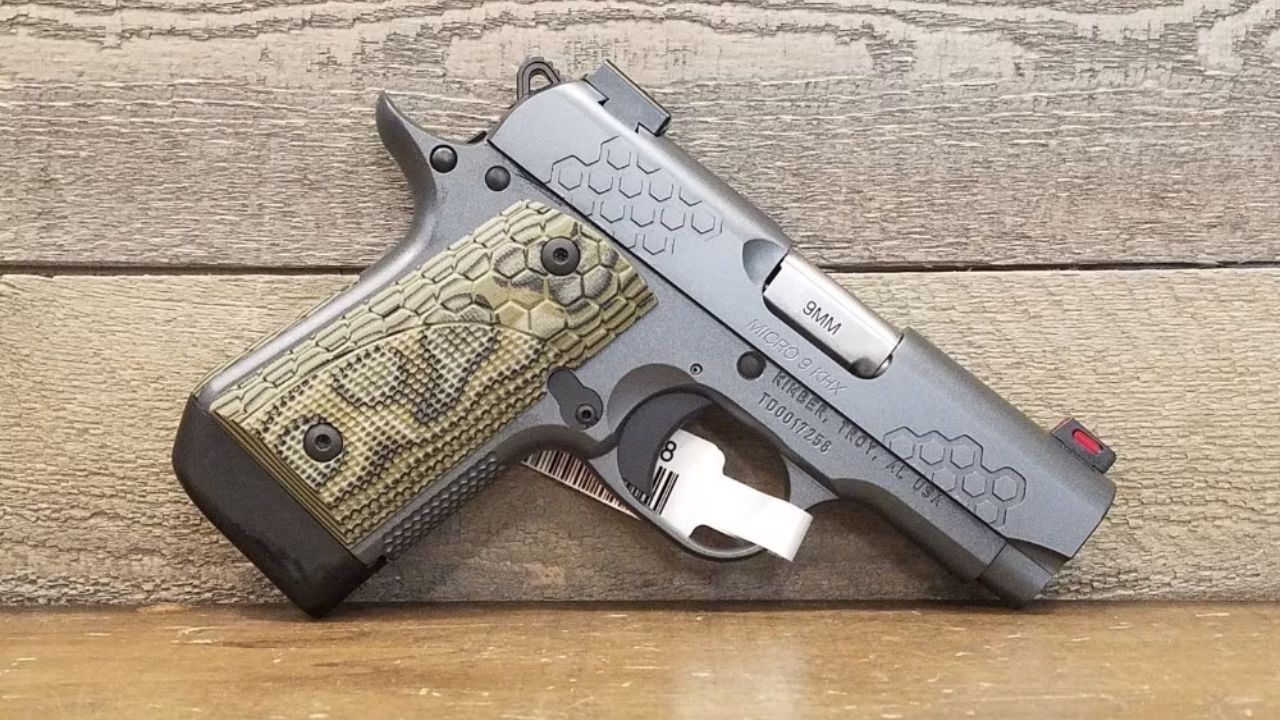
The Micro 9 can be accurate and pleasant when everything lines up, but certain examples suffer from feed-ramp geometry and extractor tension issues. Hollow-points in particular cause setbacks or hang-ups, and the pistol may need tuning to run consistently. When you’re trying to enjoy a range day, the last thing you want is to pause after every couple magazines to figure out whether ammo or the gun is the culprit.
As carbon builds, the tight, scaled-down 1911-style action grows even more sensitive. If the extractor loses tension or the chamber gets dirty, malfunctions appear quickly—turning a simple practice trip into a maintenance lesson.
SCCY CPX-1
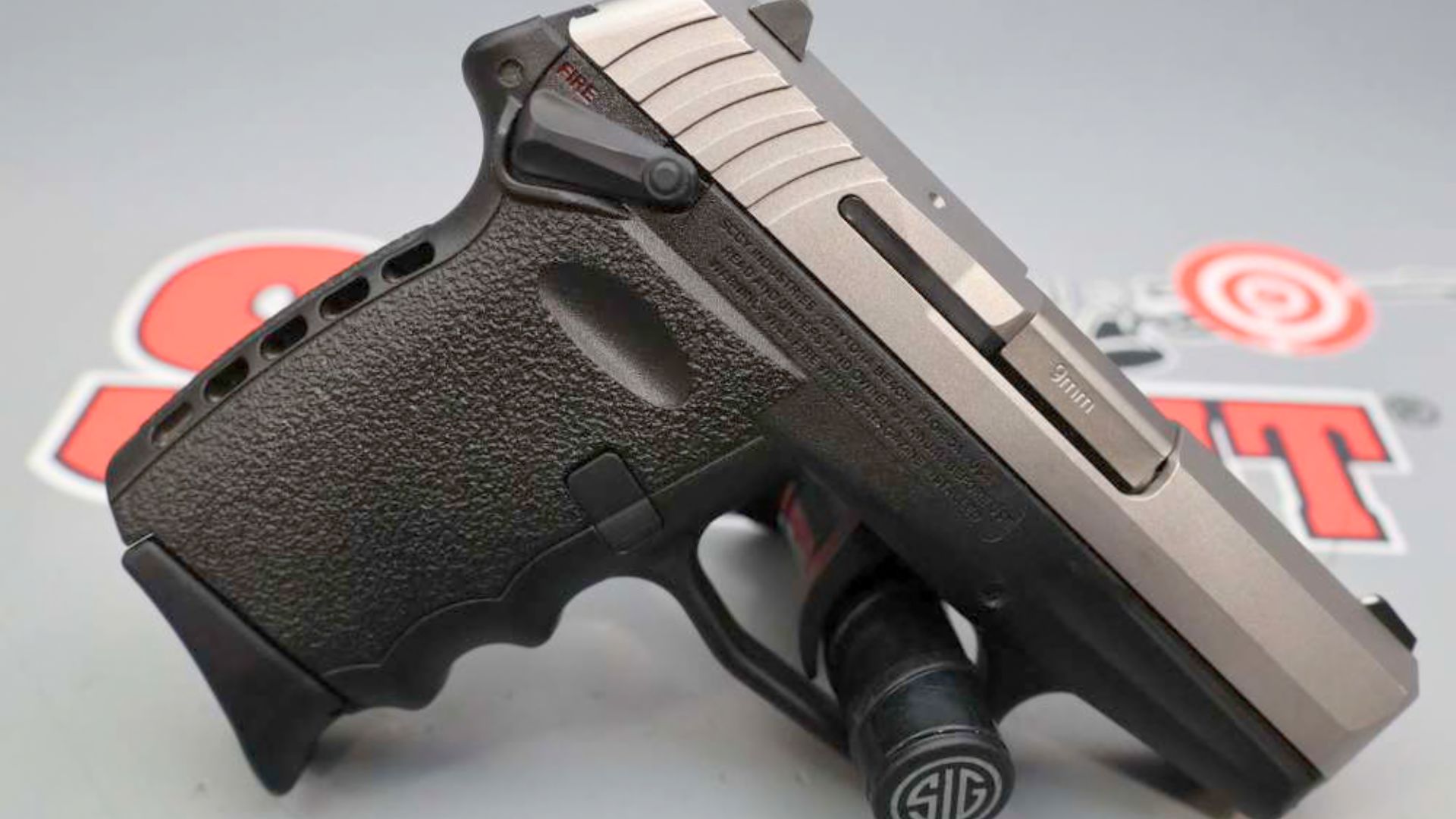
The SCCY CPX-1 offers an affordable price and a lightweight frame, but reliability can be inconsistent. The pistol’s internal safety lever sometimes causes dragging during the cycle, which leads to failures to feed or return to battery. Shooters often find themselves clearing stoppages repeatedly during a box of ammo.
The long double-action pull also masks subtle cycling issues until they get worse. Once fouling accumulates, the slide may not fully seat, and the pistol demands attention. Many owners end up doing small adjustments mid-session just to keep the gun functioning.
Jimenez JA Nine

Budget pistols often require extra care, and the JA Nine is no exception. The zinc-alloy construction makes certain parts prone to premature wear, especially around the slide rails. After a few magazines, shooters may notice sluggish cycling or failures to extract, forcing them to strip the pistol down and clean it on the bench.
Loose tolerances contribute to inconsistent performance, and even minor carbon buildup can throw off the timing. If you’re planning a long day at the range, you’re likely to spend a good portion of it diagnosing what went wrong next.
Kahr CW380

The CW380 is compact, but its small size makes it very sensitive to ammo and grip stability. Many shooters encounter failures to feed or eject when using anything other than high-quality ammunition. On long practice sessions, the light slide slows just enough that malfunctions begin to stack up.
Once fouling builds, the tiny extractor struggles to maintain consistent bite, requiring cleaning far earlier than expected. If you’re working on fundamentals, the frequent interruptions turn the session into constant troubleshooting.
AMT Backup .380
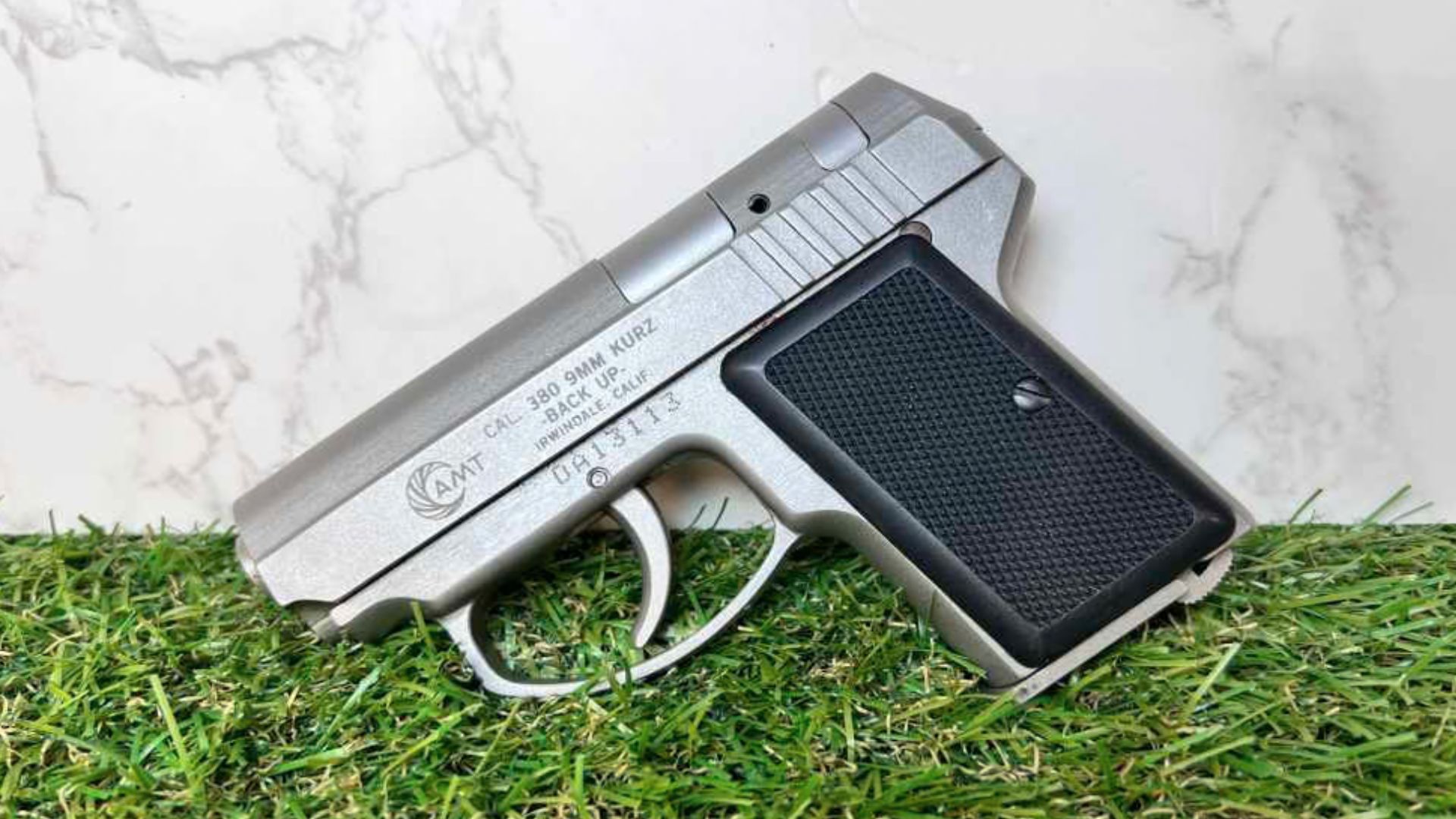
The AMT Backup is tough in theory, but range time often reveals extraction problems. The small extractor claw loses effectiveness as fouling accumulates, causing stuck cases and inconsistent ejection. Shooters frequently need to tap out spent brass or realign parts mid-session.
Heat also becomes an issue during extended strings. As the pistol warms, the tight stainless-steel construction expands slightly, making the cycling even stiffer. Range days with the Backup commonly involve as much tinkering as shooting.
Taurus PT738 TCP
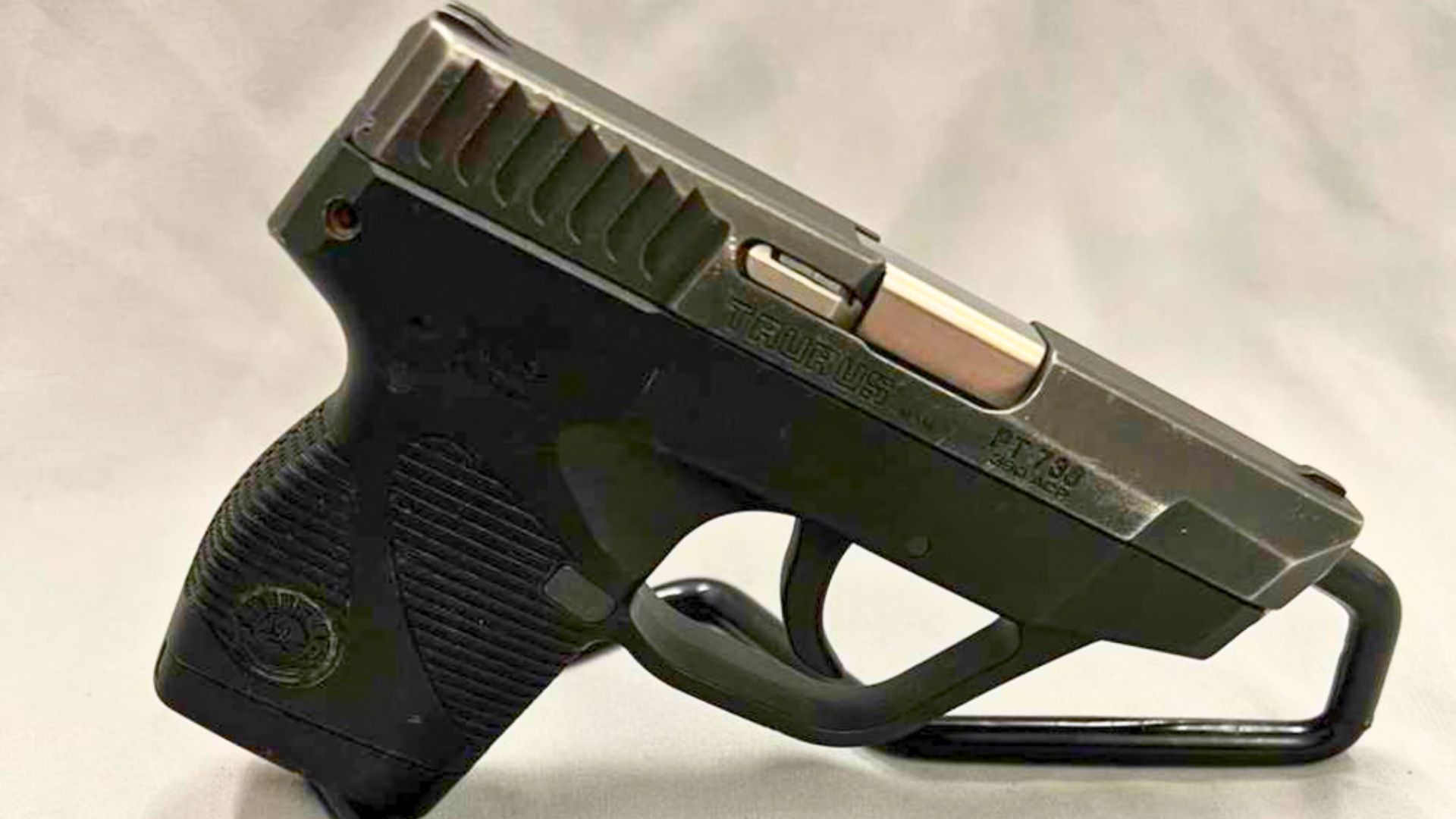
The PT738 is lightweight and concealable, but its limited slide mass creates reliability challenges. Light loads often fail to cycle fully, and even quality ammo may cause occasional feeding issues. Shooters quickly learn to expect a hiccup every few magazines.
The gun’s polymer rails and small internal components wear faster than many expect. After enough rounds, timing issues become more noticeable, leading to a cycle of clearing, adjusting, and cleaning throughout the session.
Ruger LCP Gen 1
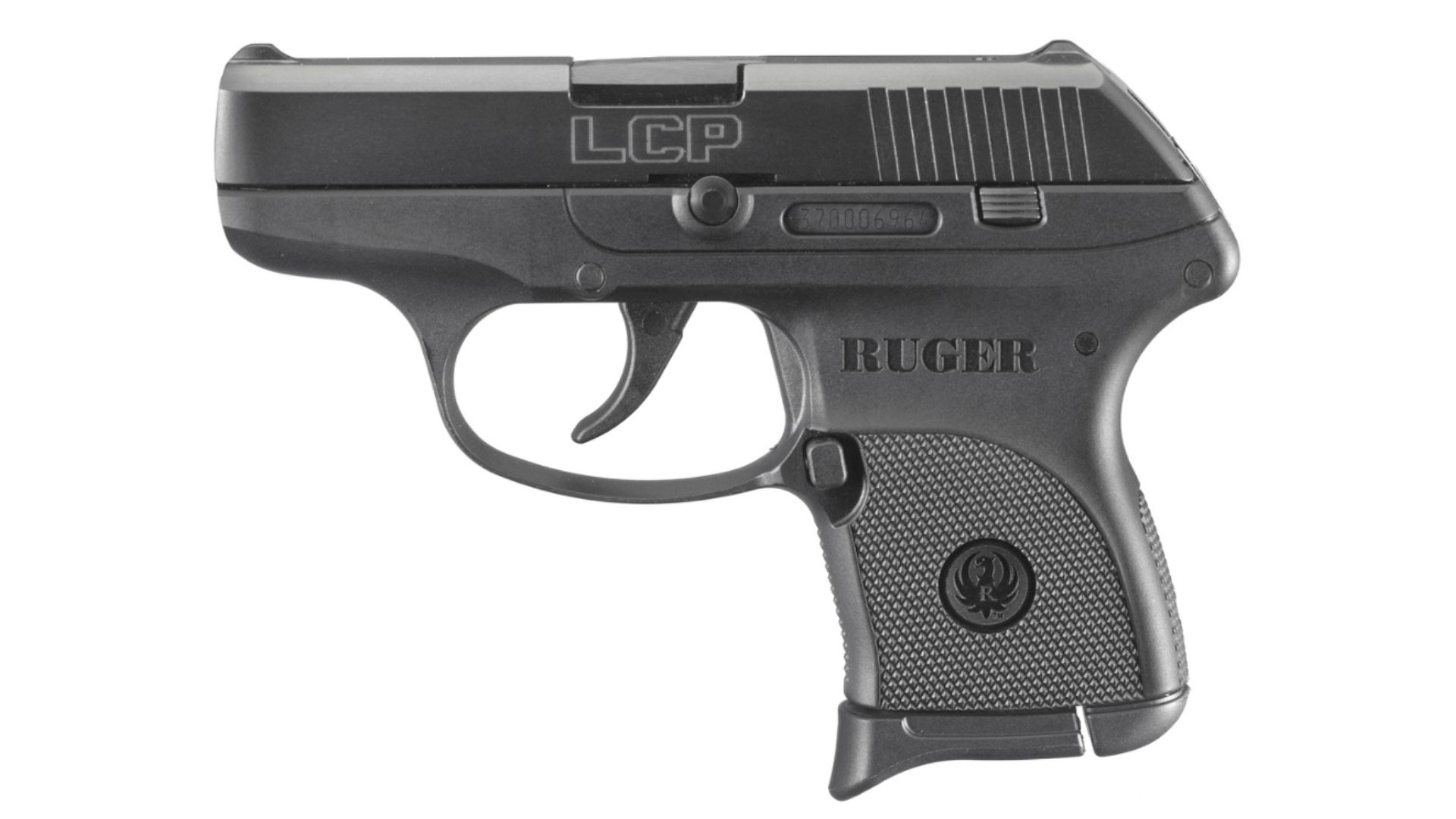
The original LCP earned a reputation for reliability under certain conditions, but extended range sessions highlight its weaknesses. The tiny slide doesn’t handle heat well, and once it warms up, failures to feed become more common. Many owners experience misfires tied to early firing-pin wear.
Because it’s designed for deep concealment, not high-volume use, the LCP begins to feel sluggish after only a few boxes of ammo. Shooters often find themselves field stripping the pistol between strings just to keep it running smoothly.
Colt Pony Pocketlite
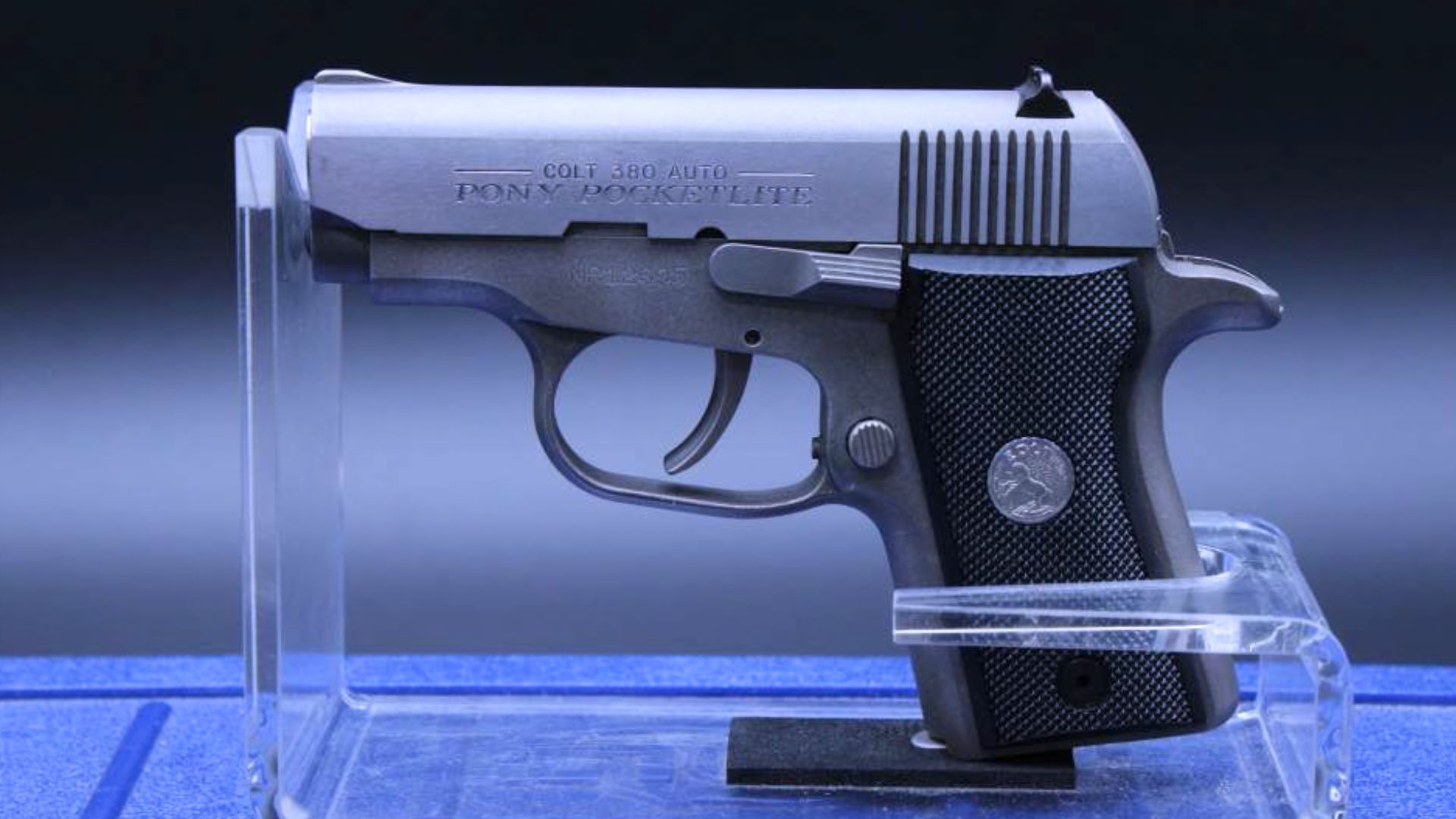
The Pony Pocketlite has charm, but the aluminum frame and tight early design lead to cycling issues. The pistol can be picky with hollow-points and sometimes hesitates on the feed ramp. After a few magazines, fouling exaggerates these problems, forcing shooters to pause and clean the chamber.
As components heat up, the timing becomes even more inconsistent. Many owners spend more time addressing minor stalls and lockups than actually firing rounds.
Hi-Point CF-380

Hi-Points can be reliable in their own way, but certain CF-380 examples struggle with feed-ramp polishing and magazine fit. When tolerances vary, feeding gets erratic, and shooters wind up clearing jams repeatedly. Once fouling builds, the heavy slide itself doesn’t guarantee smooth cycling.
Magazines frequently need tuning or replacement to alleviate the issues. On crowded range days, having to troubleshoot a simple magazine failure over and over wears thin quickly.
Diamondback DB9 Gen 1
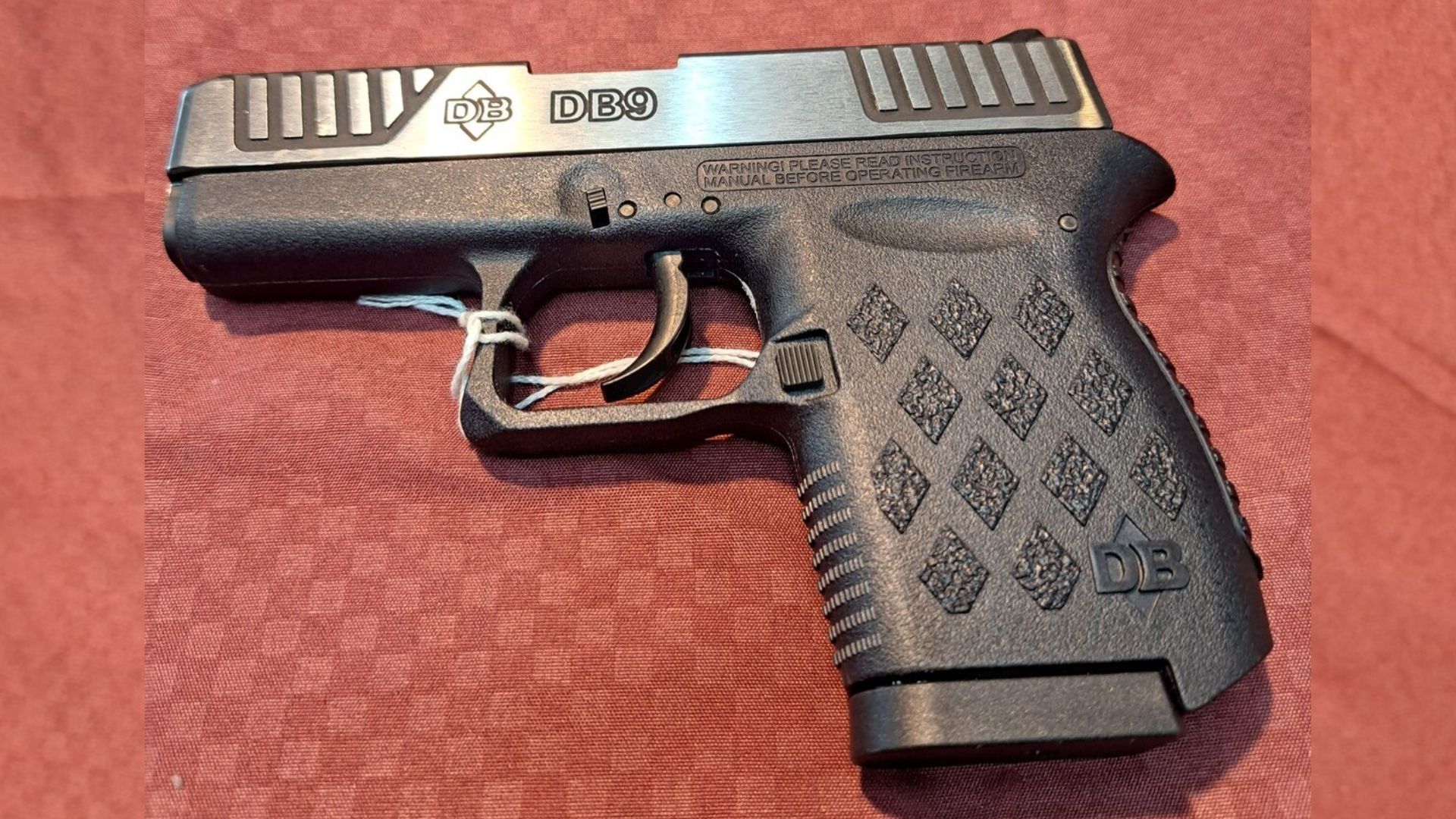
The first-generation DB9 was extremely light and compact, but that came with compromises. Recoil batters the internals, and springs weaken sooner than expected. After a handful of magazines, shooters start seeing failures to return to battery and failures to feed.
Heat accelerates the problems, and carbon buildup makes the timing even more erratic. Owners often pack cleaning gear and spare parts simply because the gun rarely gets through an extended session without hiccups.
SIG Sauer Mosquito
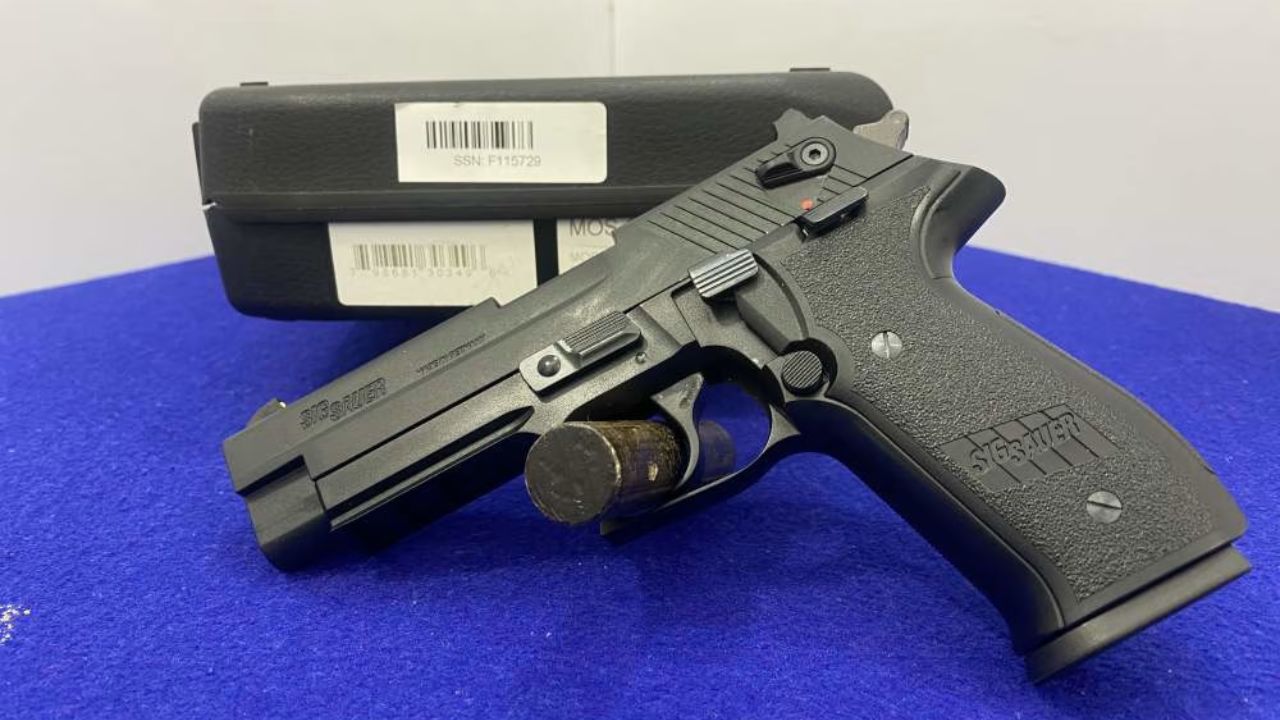
The Mosquito looks like a fun trainer, but the platform is notoriously ammo-sensitive. Unless you run the exact loads it prefers, failures to feed and failures to eject pop up constantly. Even when using recommended ammunition, fouling builds quickly and causes the slide to slow down.
The pistol’s scaled-down action and tight tolerances don’t tolerate dirt well, making it unreliable for long sessions. Most owners eventually learn that every range day requires tools, extra mags, and more patience than you’d expect for a .22 trainer.
Like The Avid Outdoorsman’s content? Subscribe to our newsletter so you never miss an article.
Here’s more from us: