Photo credit: Tom Tietz/ShutterStock.com
You can tag elk with all sorts of cartridges if everything goes right — perfect angle, steady rest, short distance, and a calm animal. But those clean, close setups are rare. Elk are built like tanks, layered with hide, muscle, and heavy bone. You need energy, penetration, and bullet integrity that smaller calibers simply can’t maintain beyond a couple hundred yards. The internet likes to argue about “shot placement over caliber,” but in real elk country, shot angles aren’t always ideal. These cartridges might work on paper or in deer season, but when you’re staring across a windy ridge at 400 yards, you’ll wish you brought more gun. These are the rounds that might punch paper fine but don’t belong anywhere near the elk woods.
.243 Winchester

Plenty of hunters have dropped deer cleanly with the .243, which fuels the myth it can handle elk too. While a 100-grain bullet sounds decent, its sectional density and retained energy fade fast after 200 yards. Elk shoulders are dense, and even well-constructed bullets from a .243 rarely penetrate deep enough for a quick kill.
You’ll hear the argument that it’s “all about shot placement,” but that line ignores how elk actually behave. They don’t stand broadside forever. Hit bone or a quartering angle, and that light bullet folds. It’s fine for whitetails or antelope, but when it comes to elk, the .243 runs out of steam fast — leaving you tracking instead of tagging.
.25-06 Remington
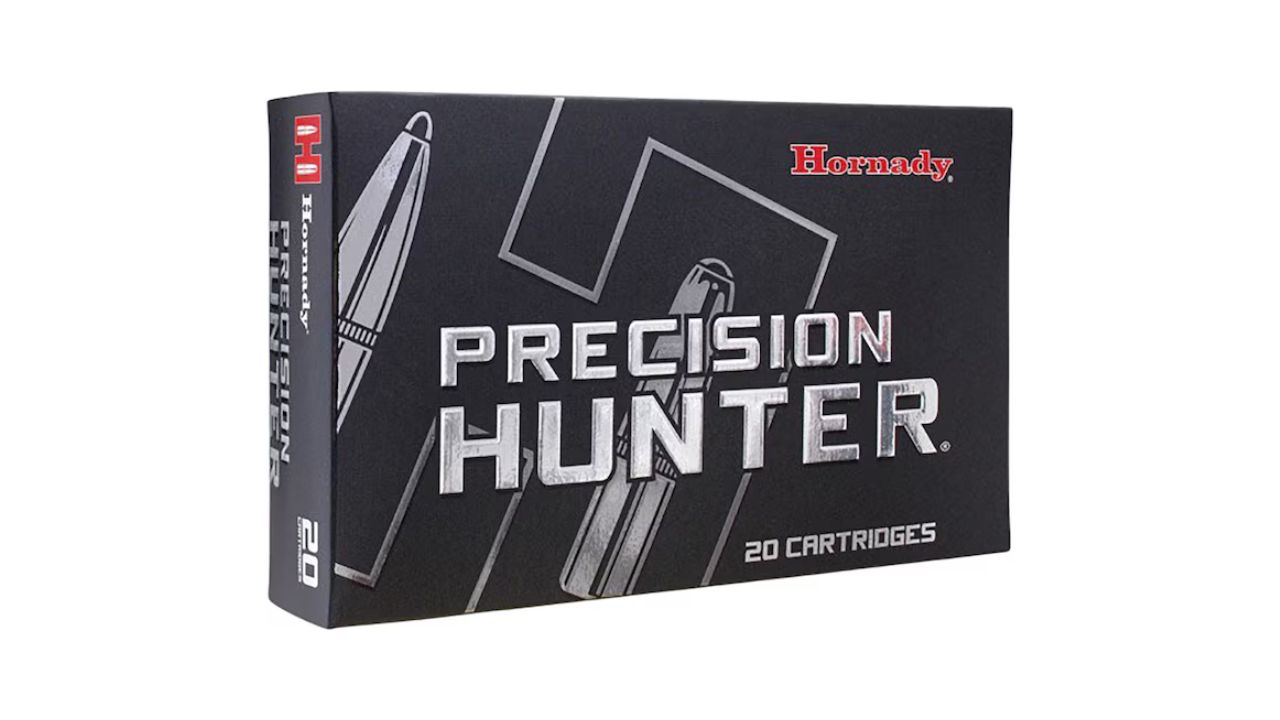
The .25-06 carries great velocity and shoots flat, which tempts hunters who prioritize distance. But its light-for-caliber bullets don’t offer the deep penetration elk demand. You can hit an elk square with a 117-grain bullet and still end up with minimal internal damage once it mushrooms and stops short of the vitals.
The cartridge’s high speed makes for impressive ballistics on paper, but speed alone can’t make up for mass. Elk hunts aren’t where you test bullet performance limits. The .25-06 shines on open-country mule deer and coyotes, but when the tag says “elk,” you need heavier lead that can keep driving after it expands. This round simply doesn’t bring enough muscle.
6mm Creedmoor

The 6mm Creedmoor is a fun range caliber — accurate, mild-recoiling, and efficient. But the bullet weights it can handle top out around 108 grains, and that’s not enough mass for a clean elk harvest at longer ranges. Even the best bonded bullets struggle to deliver full pass-throughs on an animal built like an elk.
You might find folks online claiming “the 6mm works if you do your part,” and sure, it can in perfect situations. But you can’t plan a hunt around perfection. Elk are tough, often angled, and moving through brush or wind. The 6mm Creedmoor lacks both momentum and margin for error — two things you’ll wish for when it’s your tag on the line.
.257 Weatherby Magnum

The .257 Weatherby Magnum is fast and flat, often touted as the “ultimate” deer cartridge. But the same velocity that makes it great for deer also causes light bullets to fragment too quickly on elk-sized targets. When you need controlled expansion, hyper-speed can actually be a liability.
Even with premium bullets, the .257’s sectional density limits its penetration. Shots that look great on camera often result in wounded elk that soak up hits and keep moving. Weatherby’s power curve gives the illusion of “magnum performance,” but the real-world results on big game often tell a different story. If you’re chasing elk, step up to something that carries both weight and toughness.
6.5 Creedmoor

Few cartridges have been debated more than the 6.5 Creedmoor. It’s accurate and versatile, but it was never designed as a large-game hammer. Even with modern bullets, its energy falls off fast past 400 yards, and heavy shoulder hits rarely exit. Elk deserve an exit wound — and the 6.5 often fails to deliver one.
Yes, the Creedmoor kills elk every year, but often under pristine, close-range conditions. Stretch those distances or introduce wind, and things change quickly. The 6.5 Creedmoor’s mild recoil and precision make it great for learning fundamentals, but when the target is an 800-pound bull, you’re better off reaching for something with more horsepower.
7mm-08 Remington

The 7mm-08 might be one of the most balanced mid-sized cartridges ever made, but “balanced” doesn’t always mean “enough.” Loaded with 140-grain bullets, it’s solid on deer but marginal on elk unless everything lines up perfectly. Even with 150s or 160s, the case capacity limits velocity, and that affects both energy and penetration.
In calm conditions, under 300 yards, the 7mm-08 can get the job done with the right bullet and perfect shot. The issue is that elk hunts rarely offer perfect shots. If you’re trekking into the mountains, you need a round that can drive deep even when the shot angle isn’t ideal. The 7mm-08 is close — but still falls short when things go less than perfect.
.260 Remington

The .260 Remington has always been the quieter cousin of the 6.5 Creedmoor, and it shares the same strengths — and weaknesses. Light recoil, great accuracy, and respectable downrange performance on deer all make it appealing. But elk aren’t deer, and that’s where the .260 starts showing cracks.
Even with premium 140-grain bullets, retained energy drops below the 1,500 ft-lb threshold past moderate distances. And if you hit shoulder, you’re relying on luck more than physics. It’s an enjoyable cartridge for range work and medium game, but elk hunting is no place for marginal ballistics. There’s simply no reason to handicap yourself with something this soft.
6.5 Grendel
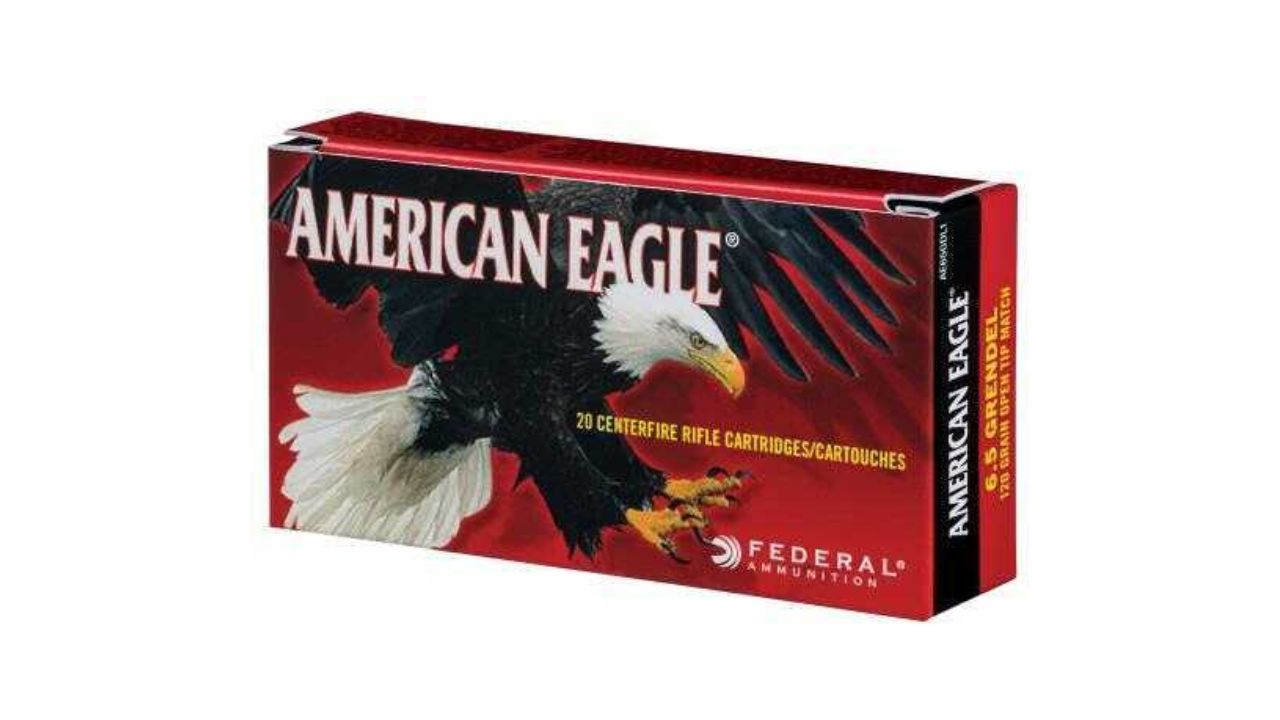
The 6.5 Grendel gets a lot of love for its AR-friendly design and mild recoil, but it’s a small-game or deer cartridge, not an elk round. Its case capacity limits speed, and even high-BC bullets can’t carry enough energy at longer ranges. It’s accurate, sure, but that doesn’t matter when you’re underpowered at the point of impact.
Hunters who’ve tried it on elk usually don’t repeat the experiment. Penetration is shallow, and follow-up shots are common. It’s an excellent cartridge for hogs, coyotes, and medium deer inside 300 yards — but elk simply demand more than the Grendel can give. Leave it for targets that weigh under half an elk.
.300 Blackout
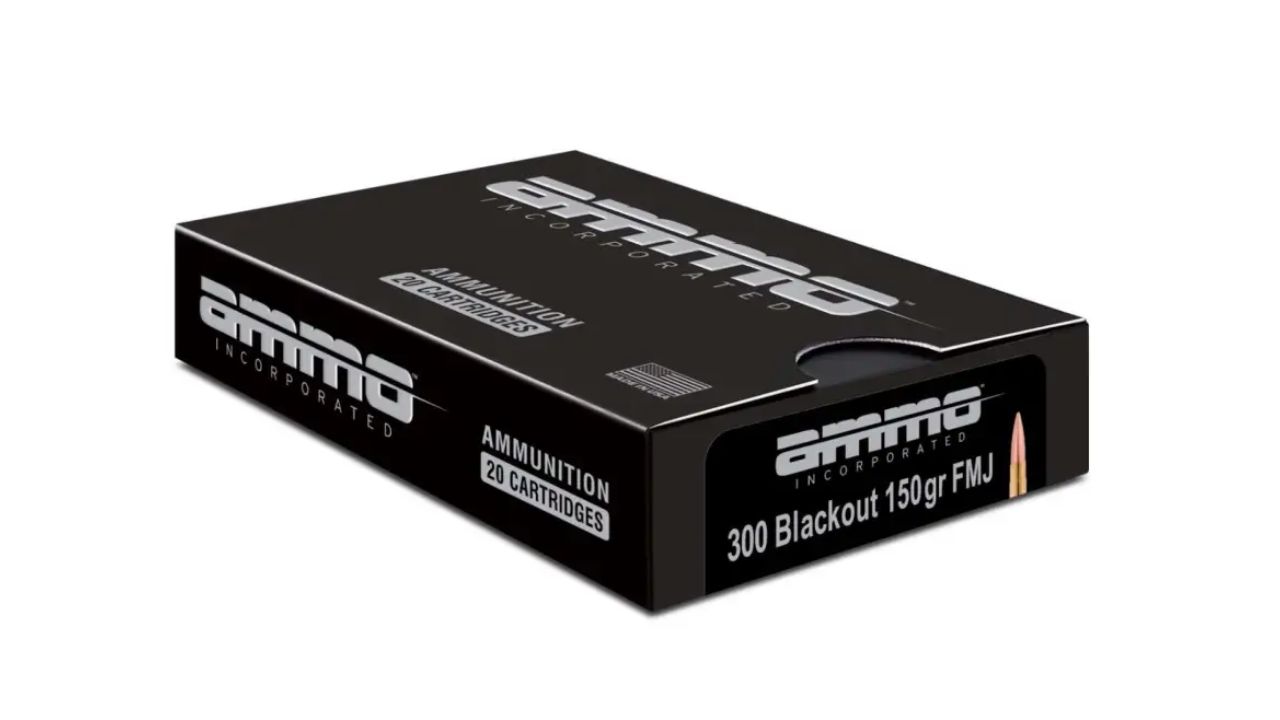
The .300 Blackout earned its reputation as a suppressor-friendly defensive cartridge, not a big-game round. Subsonic loads are completely out of the question for elk, and even supersonic ones lack the velocity or bullet mass to reach vital organs past close range. Its short-range niche just doesn’t fit the demands of elk country.
If you’re walking into thick timber with the idea that “it’ll do,” you’re setting yourself up for tracking duty. The Blackout works for its intended purposes — home defense and short-range hog hunting — but for elk, it’s drastically underpowered. It might sound “cool,” but there’s nothing cool about watching a wounded bull limp off over the ridge.
.22-250 Remington

You’ll sometimes hear someone brag about dropping an elk with a .22-250. Sure, it can happen with perfect placement, but that’s luck, not reliability. The cartridge’s light bullets fragment on impact, offering poor penetration even with bonded designs. Elk are not varmints — and treating them as such with this caliber is irresponsible.
The .22-250’s flat trajectory can mislead shooters into thinking it’s “enough gun.” It’s not. Even at close ranges, the lack of mass and energy makes it risky. The smallest bullet you should trust on elk starts around .270 caliber. Anything smaller belongs in the coyote fields, not the high country.
6mm ARC

Hornady’s 6mm ARC is impressive for what it is — an efficient AR-15 cartridge with surprising long-range potential. But on elk, it’s more theoretical than practical. The ARC’s 103- to 108-grain bullets retain accuracy, not killing power. Elk require both, and you can’t compensate for limited mass with ballistic coefficient alone.
This round works beautifully for steel matches or medium game, but field reports show inconsistent performance on larger animals. Even with bonded bullets, penetration can be shallow, especially on angled shots. The 6mm ARC was never built for elk, and pushing it into that role is a disservice to both the animal and the cartridge.
.224 Valkyrie

The .224 Valkyrie promised big-game potential from a small package, but it simply doesn’t carry enough energy or bullet weight for elk. While its high-BC bullets stay accurate at range, they lack the mass and momentum to penetrate through heavy shoulder or rib bone. Even with premium bullets, expansion outpaces depth.
You might see marketing photos showing “successful hunts,” but those examples are exceptions, not proof. The Valkyrie is great for long-range target shooting or varmints, not 700-pound elk. It’s another case of clever ballistics meeting biological reality — and reality always wins in the field.
*This article was developed with AI-powered tools and has been carefully reviewed by our editors.