

Photo credit: AlexeiLogvinovich/ShutterStock.com
Every shooter’s been tempted by marketing—those flashy new cartridges that promise “flatter shooting,” “less recoil,” and “better terminal performance.” They sell fast, often faster than they deserve to. But once the excitement fades and you actually put rounds through them, reality sets in. Some of these calibers sound perfect on paper but fall apart in the real world. They foul easily, drift badly, or lose accuracy long before they should. Others are so finicky with ammo or barrel choice that even handloaders can’t coax consistent results.
Popularity doesn’t always mean performance. Some of the best-selling calibers in gun shops have earned their place on the shelves because they’re trendy, not because they shoot well. They appeal to hunters who want “the next big thing” or new shooters looking for an all-in-one solution. But behind the glossy ads and slick branding are cartridges that frustrate more than they impress. These are the calibers that sell great—but don’t shoot worth a damn.
.300 Blackout
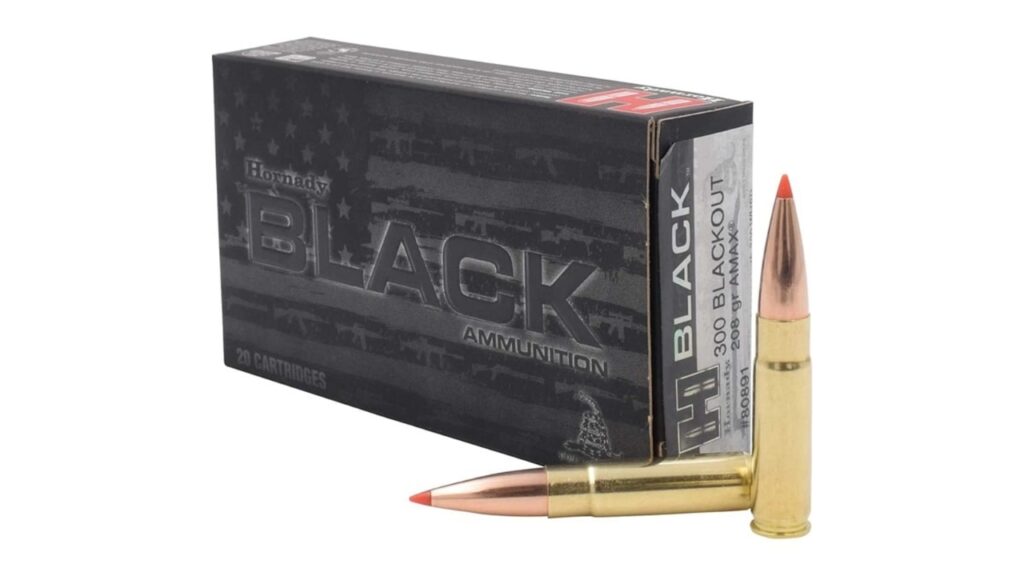
The .300 Blackout took off fast thanks to its compatibility with AR platforms, but its real-world performance often leaves shooters unimpressed. It was designed to mimic .30-caliber energy from a short barrel, but that balance comes with compromises. Supersonic loads are loud and inefficient, while subsonic rounds offer little energy past 100 yards. Accuracy also varies wildly between loads and barrel lengths.
Many shooters expect it to replace the 5.56 or .308—it doesn’t. It drops fast, struggles in wind, and requires frequent adjustments to shoot consistently. In hunting situations, it’s marginal for anything bigger than deer. Even suppressed, the trajectory is steep enough to make follow-up shots tricky without practice. It sells because it’s “tactical,” but it’s rarely accurate enough or versatile enough to back up the hype. Unless you’ve tuned your rifle specifically for one load, the .300 Blackout tends to shoot more like a compromise than a performer.
.243 Winchester

The .243 Winchester remains one of the best-selling hunting cartridges, but it’s far from forgiving. It’s fast and flat, sure—but the small case capacity combined with overbore design means barrels wear out quickly. Accuracy fades after a few hundred rounds if you shoot often. It’s also finicky about bullet weight; light bullets can explode on impact, while heavier ones often fail to stabilize in factory twist rates.
Many hunters love it because it’s “mild,” but in practice, it’s one of the easiest rounds to foul and the hardest to keep consistently accurate. Cold-bore shots often differ from warm ones, and it doesn’t handle wind well despite its speed. The .243 can be deadly in the right hands, but most rifles chambered for it are mass-produced and never shoot to their potential. It’s a cartridge that promises precision but requires near-match-level care to deliver it. Most folks never see that level of performance in the field.
6.5 PRC
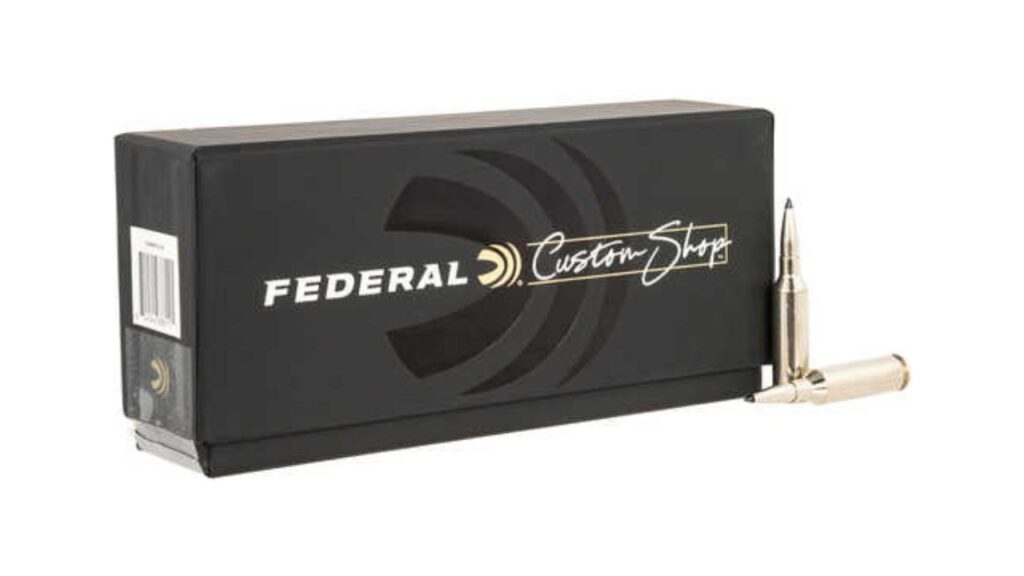
The 6.5 PRC exploded in popularity as the “next evolution” of the 6.5 Creedmoor, but it’s turned into a barrel burner with inconsistent accuracy past moderate round counts. It’s overbore, meaning it pushes a lot of powder through a relatively small bullet, creating heat and erosion faster than most hunters realize. The result? Great accuracy at first, then groups that open up fast after a few boxes of ammo.
The cartridge also demands precise handloading or premium factory rounds to shine—cheap ammo makes it shoot like a budget magnum. It’s marketed as a long-range powerhouse, but few shooters get the advertised velocities without losing precision. Recoil is sharper than expected, and the gain in performance over a standard Creedmoor isn’t worth the added wear or expense. It’s a flashy round that looks great on paper but often disappoints once you start keeping track of group sizes and barrel life.
.22-250 Remington
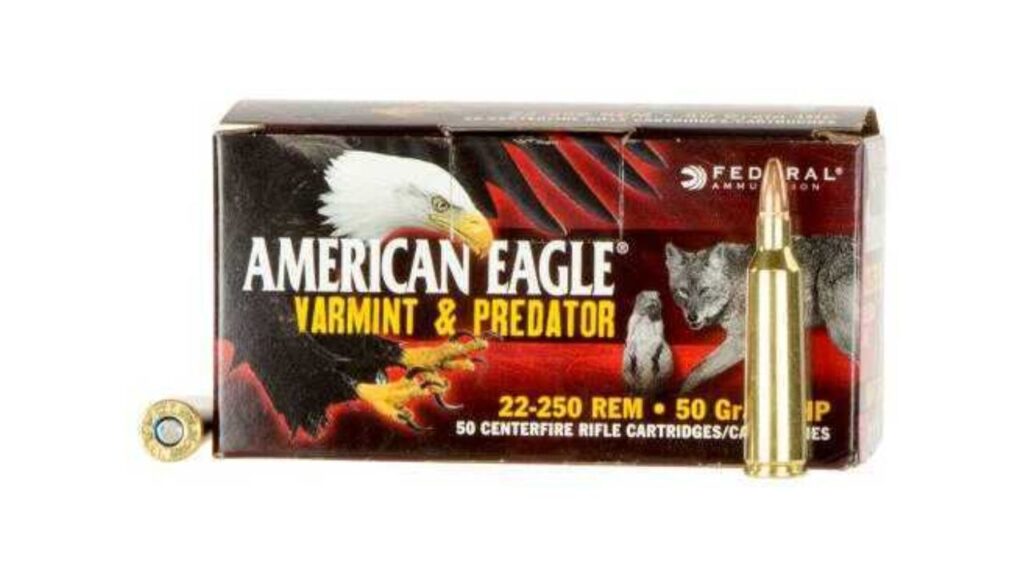
The .22-250 is blisteringly fast—and that’s part of the problem. It pushes light bullets at extreme velocities, which sounds great until you start dealing with fouling, throat erosion, and flyers caused by inconsistent burn. Barrels wear out fast, and groups start wandering long before the rifle’s paid for itself in ammo.
It’s an excellent varmint round if you clean religiously and shoot in ideal conditions, but it’s never been a forgiving caliber. Factory ammo is loaded hot, and even small temperature changes can affect accuracy. For most hunters, it’s too much of a hassle to maintain. What’s sold as “precision speed” ends up being a high-maintenance relationship that demands constant attention. It’s easy to fall in love with the flat trajectory, but once you’re chasing your zero every few sessions, you’ll start to wish you’d gone with something that trades a little speed for stability.
.270 Winchester Short Magnum
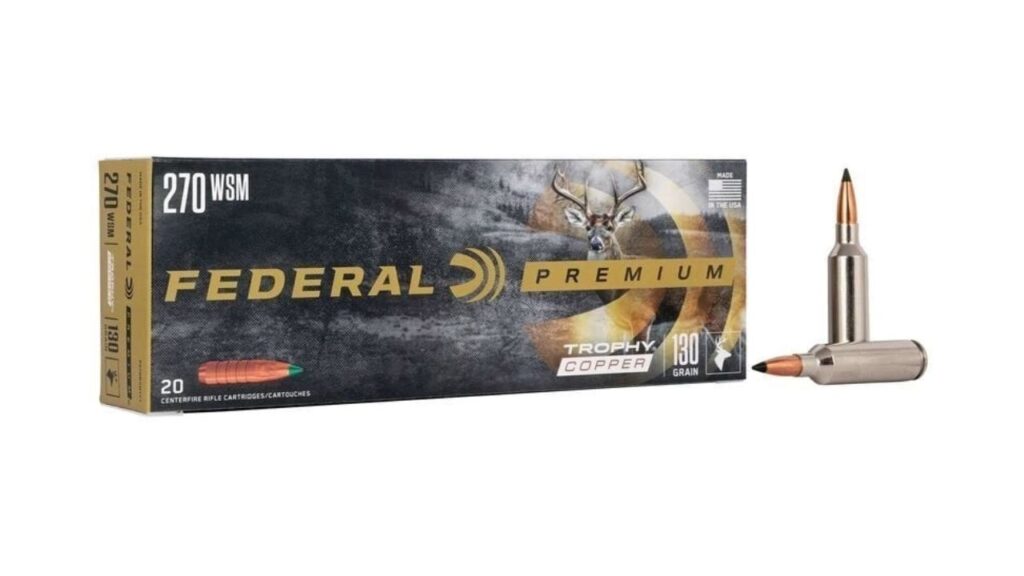
The .270 WSM was meant to modernize a classic, but it ended up creating more headaches than improvements. It’s fast, but at a cost—heavy recoil, short barrel life, and inconsistent factory loads. It’s also incredibly sensitive to seating depth and powder choice, making it a tough cartridge for reloaders to master. Many shooters find that accuracy swings dramatically between brands, with some rifles grouping well one day and scattering shots the next.
Its pressure curve is steep, and it can be hard on actions not built specifically for magnum loads. While it sells as a “flatter .270,” the performance gain is minimal once you factor in recoil and cost. Most hunters who buy into the hype end up realizing the regular .270 Winchester shoots smoother and more consistently. The .270 WSM looks impressive on ballistics charts but rarely lives up to the numbers on target.
.350 Legend
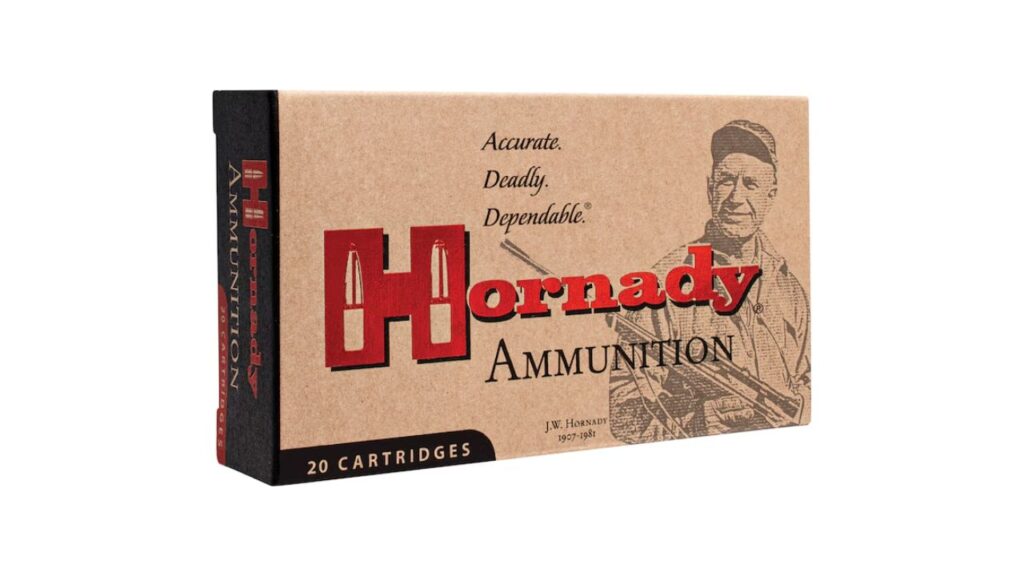
The .350 Legend was marketed as the perfect straight-wall deer cartridge, and it sold like crazy in states where bottlenecked cartridges are restricted. But once hunters started putting it to use, the flaws became clear. The bullet selection is limited, and the design’s low pressure and slow velocity make accuracy inconsistent past 150 yards. Even high-end loads tend to group poorly compared to other mid-range hunting rounds.
In AR platforms, feeding issues are common due to case shape. In bolt guns, it shoots soft but lacks the punch needed for reliable expansion. On paper, it bridges the gap between .300 Blackout and .450 Bushmaster, but in practice, it performs like a compromise that doesn’t excel at either. It’s fine for short-range hunting, but the trajectory and energy drop quickly. It sells well for legality reasons, not because it shoots particularly well.
.450 Bushmaster
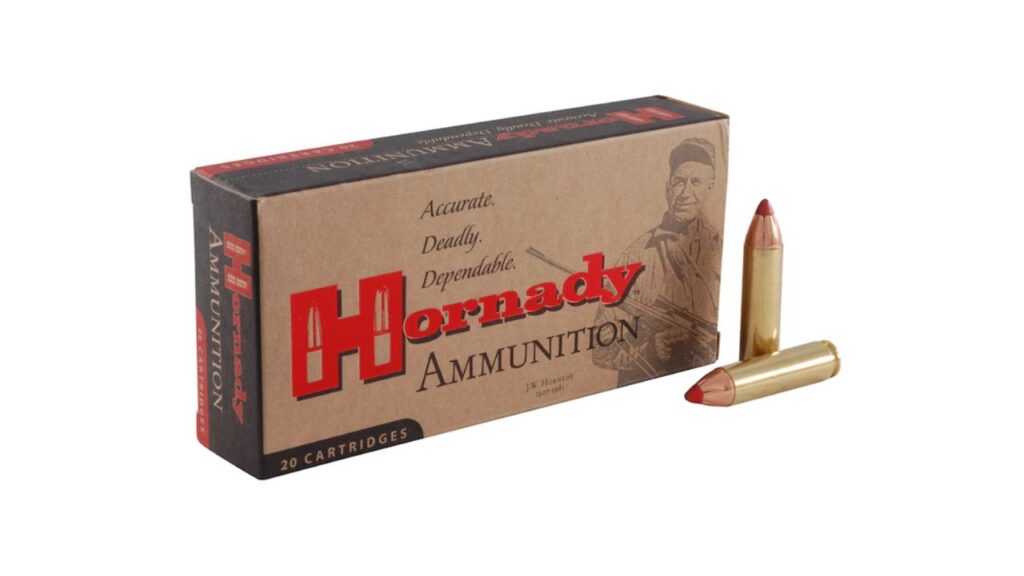
The .450 Bushmaster was hyped as the big-bore solution for AR hunters, but its performance has always been a bit underwhelming. The round hits hard but lacks precision beyond 150 yards, and even then, accuracy can be inconsistent due to recoil and bullet drop. It’s one of those cartridges that looks great on paper but frustrates shooters who expect magnum-level grouping.
Its recoil is stiff, especially in lighter rifles, and factory loads vary widely in velocity. Many shooters find their zero wandering between different ammo brands. Cleaning also becomes a chore—fouling builds fast thanks to the heavy powder charges. The Bushmaster does its job on short-range deer or hogs, but calling it “accurate” would be generous. It’s more of a hammer than a scalpel, which is fine for certain jobs—but it’s not a caliber that rewards precision shooting or long-range consistency.
.300 Winchester Short Magnum
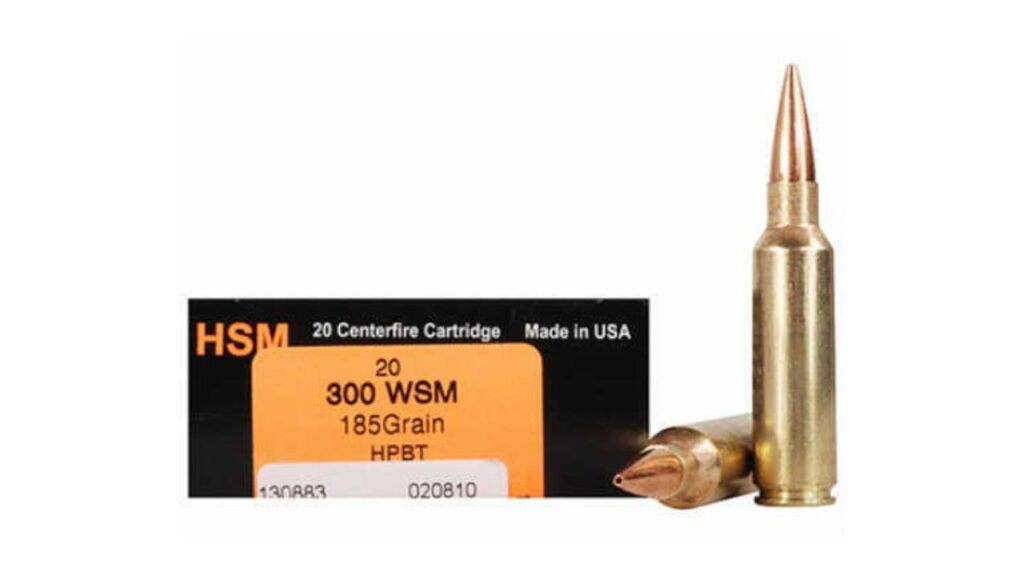
The .300 WSM was supposed to give magnum performance in a shorter action, but it’s notorious for erratic accuracy. The short, fat case design made it difficult to feed smoothly in many rifles, and the steep powder column often results in inconsistent ignition. You’ll see wide velocity spreads even within the same box of ammo.
Recoil is sharper than the .300 Win Mag, and the supposed “efficiency” rarely translates into better accuracy. Some rifles shoot it well, but most require tedious load development to get consistent results. It’s a hard round to love if you value repeatability. While it sells fast thanks to the “magnum in a short action” pitch, its real-world precision rarely matches the promise. Many hunters eventually go back to standard .300 Winchester Magnum rifles for reliability and smoother cycling. The WSM’s marketing outpaced its field performance by a long shot.
.17 HMR

The .17 HMR has a cult following, but it’s one of the most temperamental rimfires around. It’s lightning fast and flat out to 150 yards—but extremely sensitive to wind, temperature, and barrel cleanliness. A light crosswind can shift impact several inches at modest range, making it unpredictable in the field.
It also fouls barrels quickly, and the tiny bullets can shatter inconsistently on impact. For varmint hunters, that inconsistency translates into frustration. You can’t count on uniform expansion or trajectory unless conditions are perfect. It’s fun for target shooting on calm days, but in practical hunting situations, it’s too erratic to trust for precision work. It sells because of its “laser-like” trajectory—but in the real world, it’s a high-strung cartridge that rewards perfect form and punishes everything else.
.223 WSSM
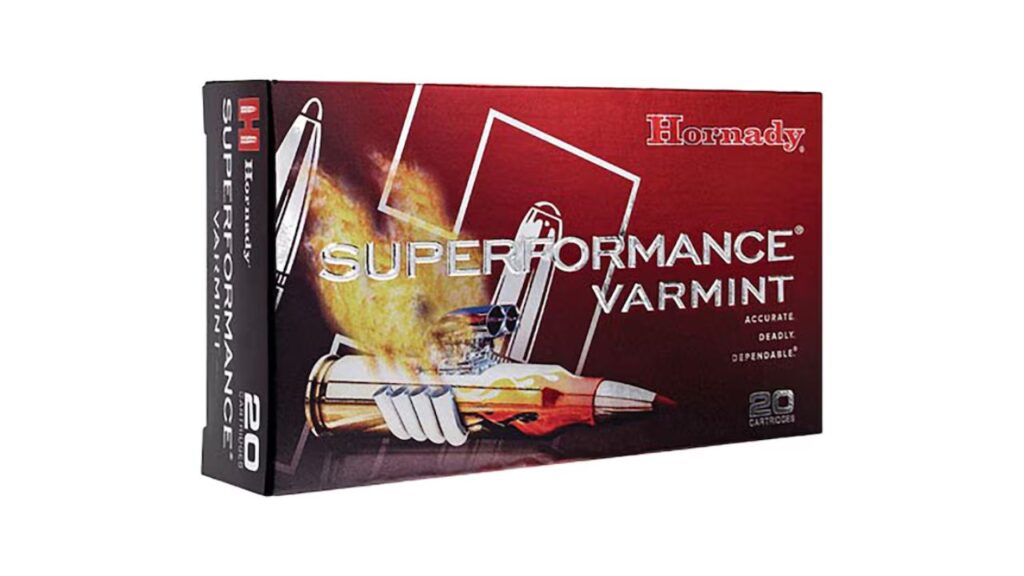
The .223 Winchester Super Short Magnum is a prime example of marketing over function. It promised blazing speed and improved accuracy over the standard .223, but the design is severely overbore, leading to extreme throat erosion and barrel wear. Even when new, accuracy falls off quickly with heat, and groups spread fast after a few dozen rounds.
Feeding is another nightmare—the steep case shoulder and fat body cause constant hang-ups in some actions. Reloading it is tedious, and the brass doesn’t last long. It’s an impressive cartridge for short-term velocity junkies, but it’s unsustainable for real-world shooting. The .223 WSSM burned bright, literally, and then faded fast because it couldn’t live up to the claims. It’s one of those calibers that looks exciting when new but turns into a maintenance nightmare for anyone who actually shoots regularly.
7mm Ultra Magnum

The 7mm Ultra Magnum delivers incredible speed, but that performance comes at the expense of accuracy and barrel life. It’s overbore to the extreme, and the recoil makes follow-up shots tough. After a few boxes of ammo, most rifles start showing throat erosion that affects precision immediately.
It’s also extremely finicky with loads—slight variations in powder charge or seating depth can swing velocity by 100 feet per second or more. That kind of inconsistency makes long-range accuracy difficult, especially for hunters who rely on factory ammo. It sells because “Ultra Magnum” sounds powerful, but for most shooters, it’s more punishment than payoff. The cartridge performs best in heavy, custom rifles—something most hunters don’t own. In factory guns, it’s simply too wild to tame for dependable accuracy.
.25-06 Remington
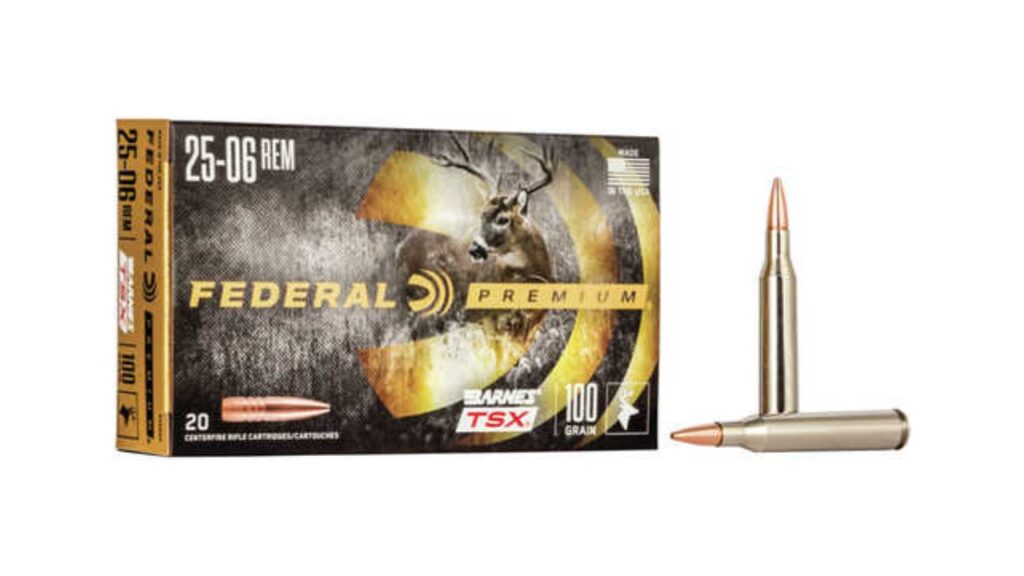
The .25-06 has been around for decades, and while it remains popular, it’s known for inconsistent accuracy. The long, overbore design makes it difficult to tune, and the narrow bullet selection limits versatility. It shoots fast but heats up barrels quickly, which leads to walking groups during long strings.
It’s a flat shooter but unforgiving of fouling or inconsistent powder charges. In factory rifles, it’s hit or miss—literally. Hunters love it for its speed and range, but keeping it consistent takes careful load development and cleaning discipline. It’s one of those cartridges that sounds perfect for everything from coyotes to deer but rarely delivers peak performance without handloading and patience. It’ll always have its fans, but most who’ve spent time with one will admit it’s a bit more finicky than its reputation suggests.
.30 Carbine
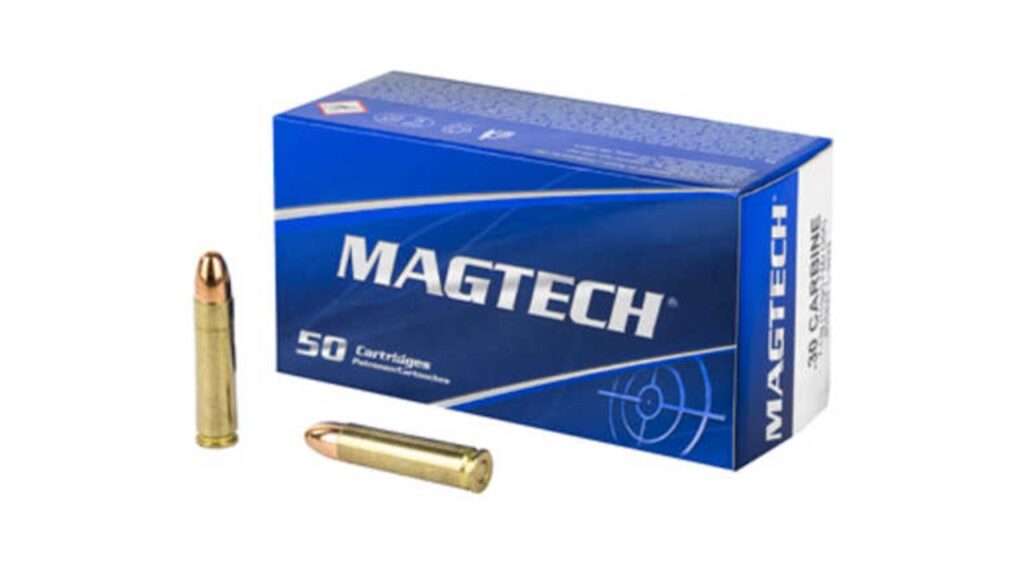
The .30 Carbine sells on nostalgia and name recognition, not performance. It’s soft-shooting and reliable in old M1 carbines, but it’s neither accurate nor powerful compared to modern cartridges. Its trajectory drops fast, and group sizes open up noticeably beyond 100 yards. The bullet design limits expansion, so even with good hits, it underwhelms in hunting applications.
It’s fun for range use, but you’ll never confuse it with a precision round. The combination of low energy and mild accuracy makes it more of a collector’s caliber than a practical one. It continues to sell because it’s part of American history—but in terms of real-world shooting, it’s dated and limited. Even modern loads can’t overcome the inherent design constraints. It’s one of those rounds that reminds you not everything that’s popular earned it through performance.
*This article was developed with AI-powered tools and has been carefully reviewed by our editors.


