Photo credit: AJR_photo/Shutterstock.com
Bad weather exposes a rifle’s real personality. When everything is dry and calm, nearly any gun can punch a decent group. But once you add freezing rain, grit, wet gloves, and a little pressure, certain rifles show problems you never saw at the range. Some styles depend on perfect conditions, and others fall apart when the temperature swings. If you’ve hunted long enough, you’ve seen rifles that can’t hold zero when the mercury drops or actions that stiffen the moment moisture hits them. These are the rifles you learn not to rely on when the weather turns ugly.
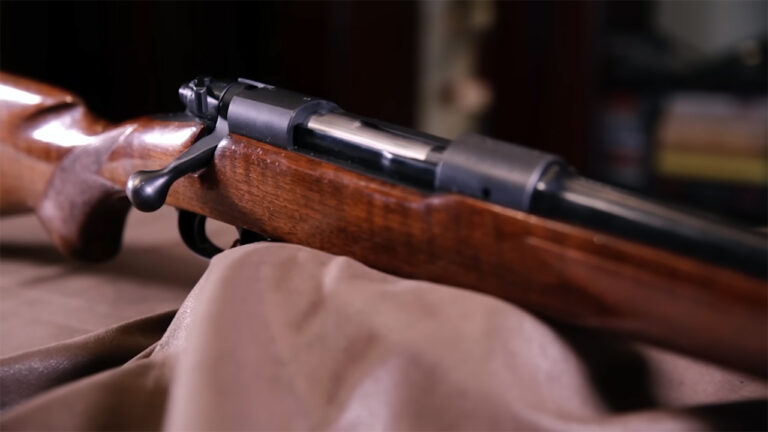
Kimber Montana (early production)

Early Kimber Montana rifles earned a reputation for being picky whenever the temperature changed. Their lightweight synthetic stocks sometimes responded poorly to shifts in humidity, and point of impact could wander more than you’d expect. When you’re sighted in during warm weather and suddenly hit freezing conditions on a mountain hunt, that drift can cost you an opportunity.
The rifles carried wonderfully and were a joy to handle, but many hunters eventually realized they needed a more stable setup. Later versions improved, but early models still show their finicky side whenever the weather swings hard.
Remington 710

The Remington 710 struggled in environments that weren’t perfectly dry. Its budget construction and tight-feeling bolt made it prone to stiff cycling if grit or moisture worked into the action. Hunters reported trouble extracting cases in cold weather, especially after firing a few rounds when the chamber warmed slightly and then cooled again.
While the rifle filled an affordable niche, it wasn’t built for long seasons in rough conditions. If you take it into wet snow or sleet, you can feel the action lose smoothness fast. It’s one of those rifles that makes you pay attention to the forecast before heading out.
Winchester Model 100

The Winchester 100 is interesting from a design standpoint, but field performance suffered in bad weather, especially when the rifle aged. Moisture could affect the gas system, slowing the action or causing inconsistent cycling. Add cold temperatures to the mix and you might see malfunctions that weren’t present at the range.
Collectors still enjoy owning them, but as a working hunting rifle, it’s far too sensitive to temperature and fouling. Low-maintenance rifles handle storms better, while this one tends to show its quirks as soon as conditions deteriorate.
Tikka T3 Lite in ultralight configurations
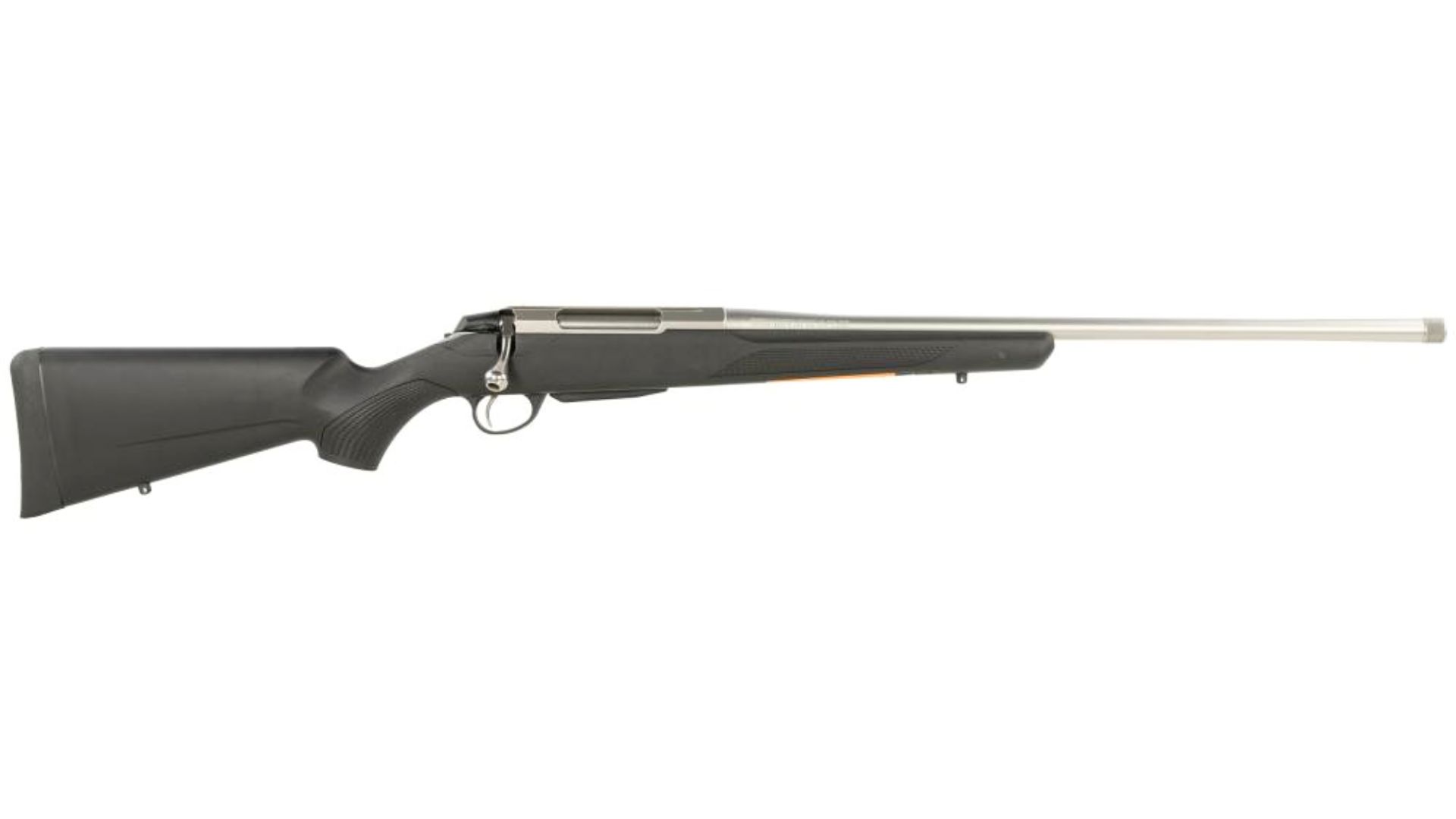
The Tikka T3 Lite is accurate and smooth, but the ultralight versions can react more to barrel heat and temperature swings than heavier rifles. Rapid changes—from warm trucks to subfreezing winds—can shift point of impact slightly, enough to frustrate someone taking longer shots.
In most cases, the rifle performs flawlessly, but when you’re in unpredictable backcountry weather, even minor shifts matter. Hunters who push into extreme cold sometimes see accuracy widen until the rifle settles again. It’s not unreliable—just sensitive compared to heavier platforms.
Ruger American Ranch in .450 Bushmaster (early runs)

Early Ruger American Ranch rifles chambered in .450 Bushmaster had issues when exposed to cold, wet conditions. The magazines didn’t always feed smoothly when coated in moisture, and polymer components stiffened noticeably in freezing temps. That combination could cause the rifle to hesitate during cycling.
Once the conditions improved, everything typically returned to normal. But in thick rain or sleet, the gun made you second-guess whether you could chamber a follow-up shot quickly. Ruger has improved the platform since, but those early runs earned a reputation for being picky in rough weather.
Remington 742 Woodsmaster
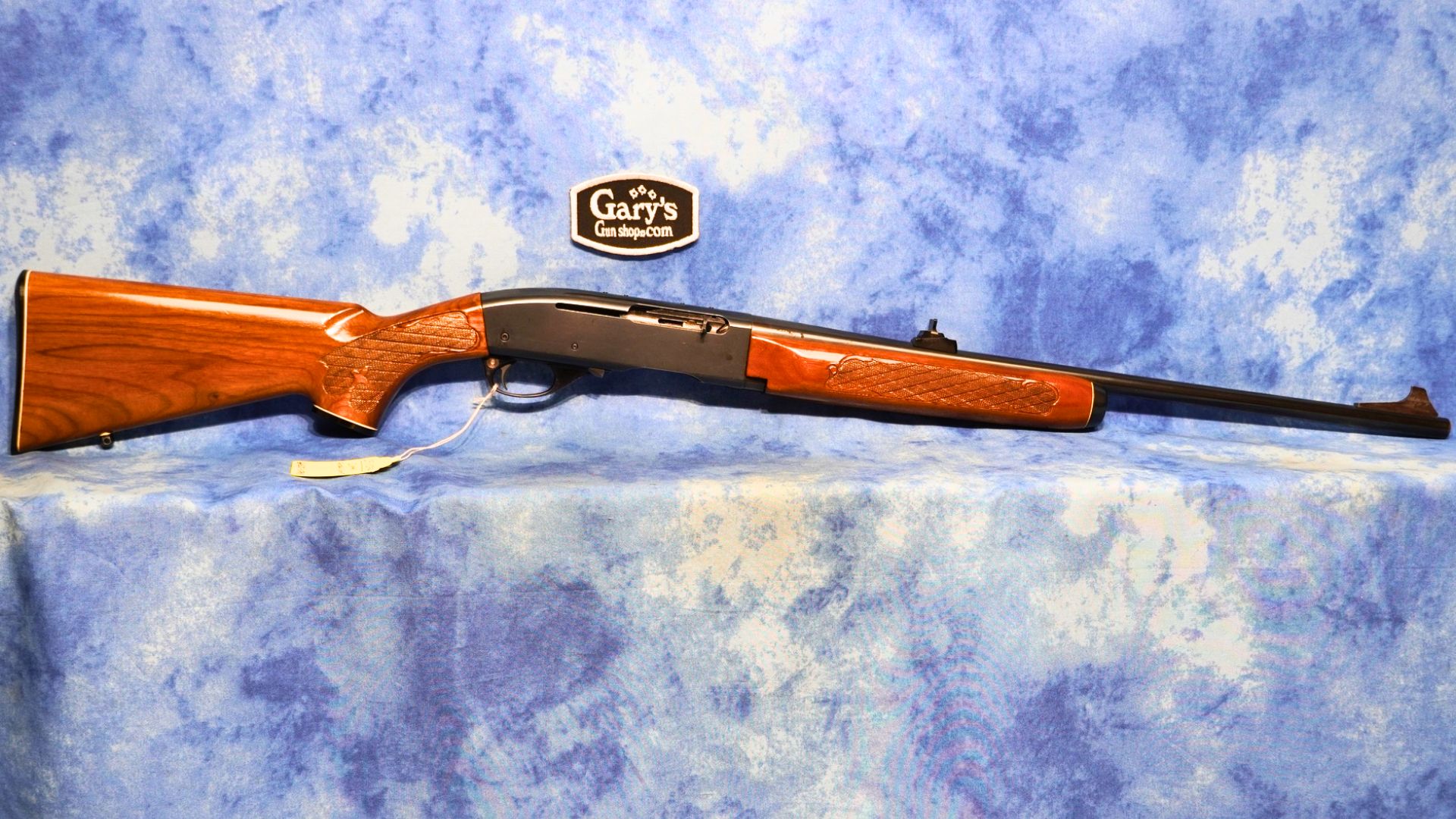
The Remington 742 has long been known for being unreliable once dirt, carbon, or moisture build up. In bad weather, those issues accelerate quickly. Cold temperatures can slow the action, and wet conditions don’t help the already-sensitive cycling system. Many hunters experienced failures to extract during peak deer seasons.
While the rifle handled nicely and was popular for decades, it never offered the rugged dependability needed for tough weather. If you hunt in freezing rain, you want a rifle that shrugs off grime—this one rarely does.
Browning BAR ShortTrac (some early models)
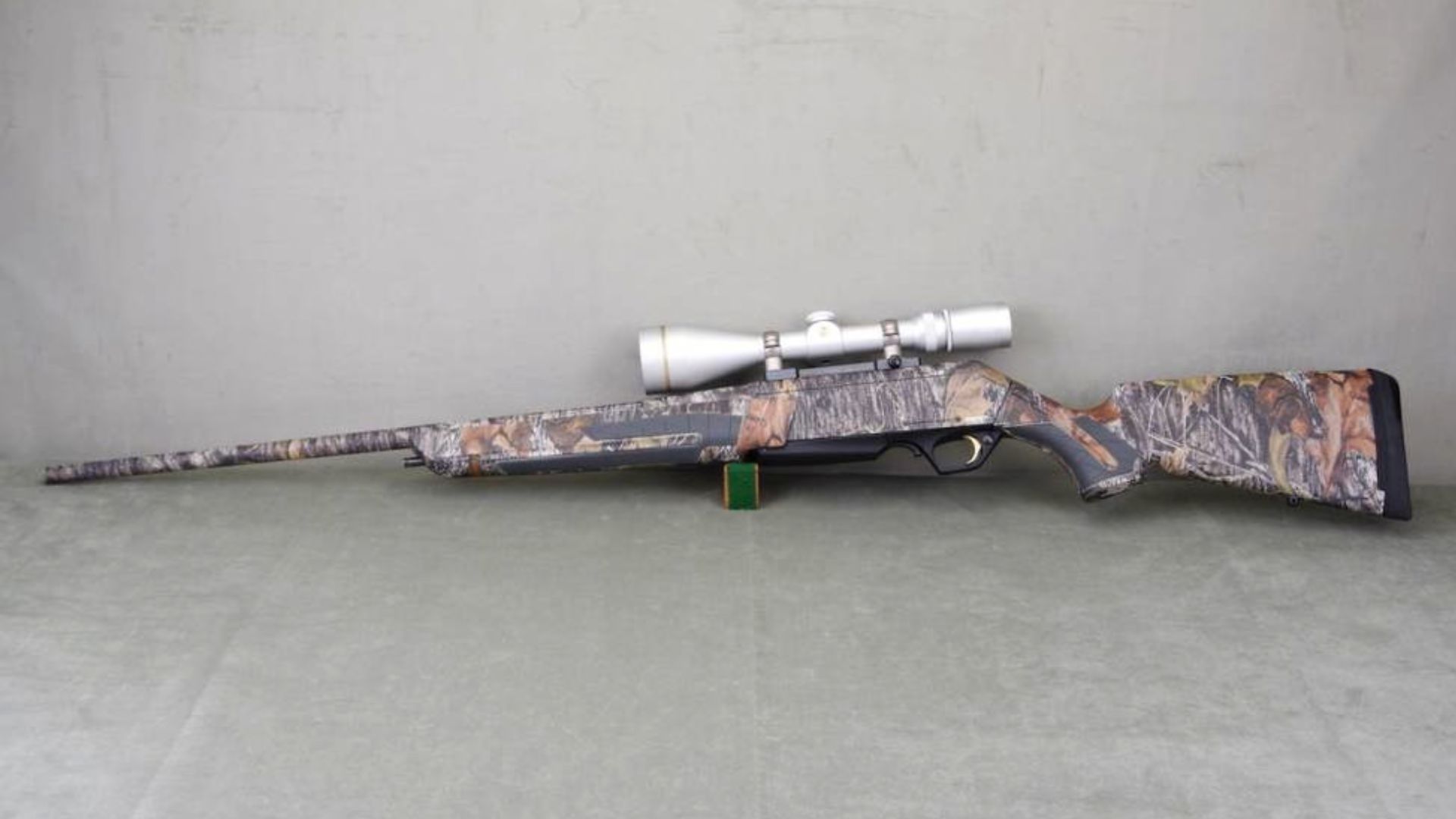
Certain early ShortTrac models handled poorly in cold conditions, with sluggish cycling and inconsistent accuracy until the barrel warmed back up. The gas system didn’t always appreciate rapid temperature swings, especially when hunters went from warm cabins to open ridges.
Once warmed, the BAR shoots well, but it’s not a rifle that always behaves predictably during sudden weather changes. Moisture adds another layer of unpredictability, making it a less-than-ideal choice for late-season hunts.
Savage 99 (worn or older rifles)

The Savage 99 is iconic, but older or heavily used rifles can react poorly to moisture and cold. Their stocks, especially if not sealed properly, absorb humidity and can shift enough to alter accuracy. Some also struggle to maintain consistent point of impact across large temperature swings.
These rifles still carry wonderfully and hold a special place in hunting history. But aging wood and decades of use mean they’re more sensitive to weather than modern synthetics. If your season involves rain, sleet, or drastic temperature drops, the 99 demands extra attention.
Mossberg MVP (heavy use in cold conditions)
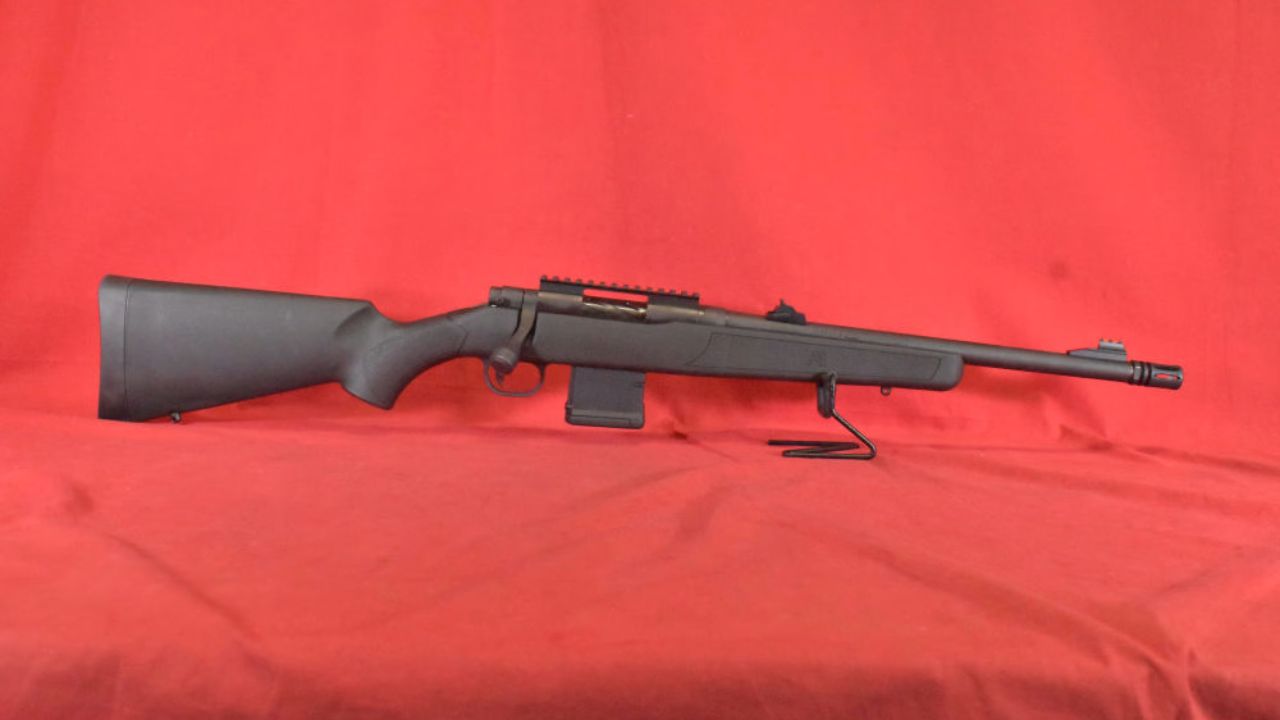
The Mossberg MVP uses an AR-style magazine system, which is convenient—until freezing temperatures stiffen magazine springs or cause polymer components to contract. Some hunters report feeding inconsistencies in cold, wet weather. Barrel harmonics can also shift slightly in extreme temps, widening groups.
The rifle performs well in moderate conditions, but late-season cold exposes its weaknesses. If your hunting spot sees subfreezing temperatures and blowing snow, the MVP may feel less predictable than more traditional bolt guns.
Weatherby Mark V Ultralight (early ultralight runs)
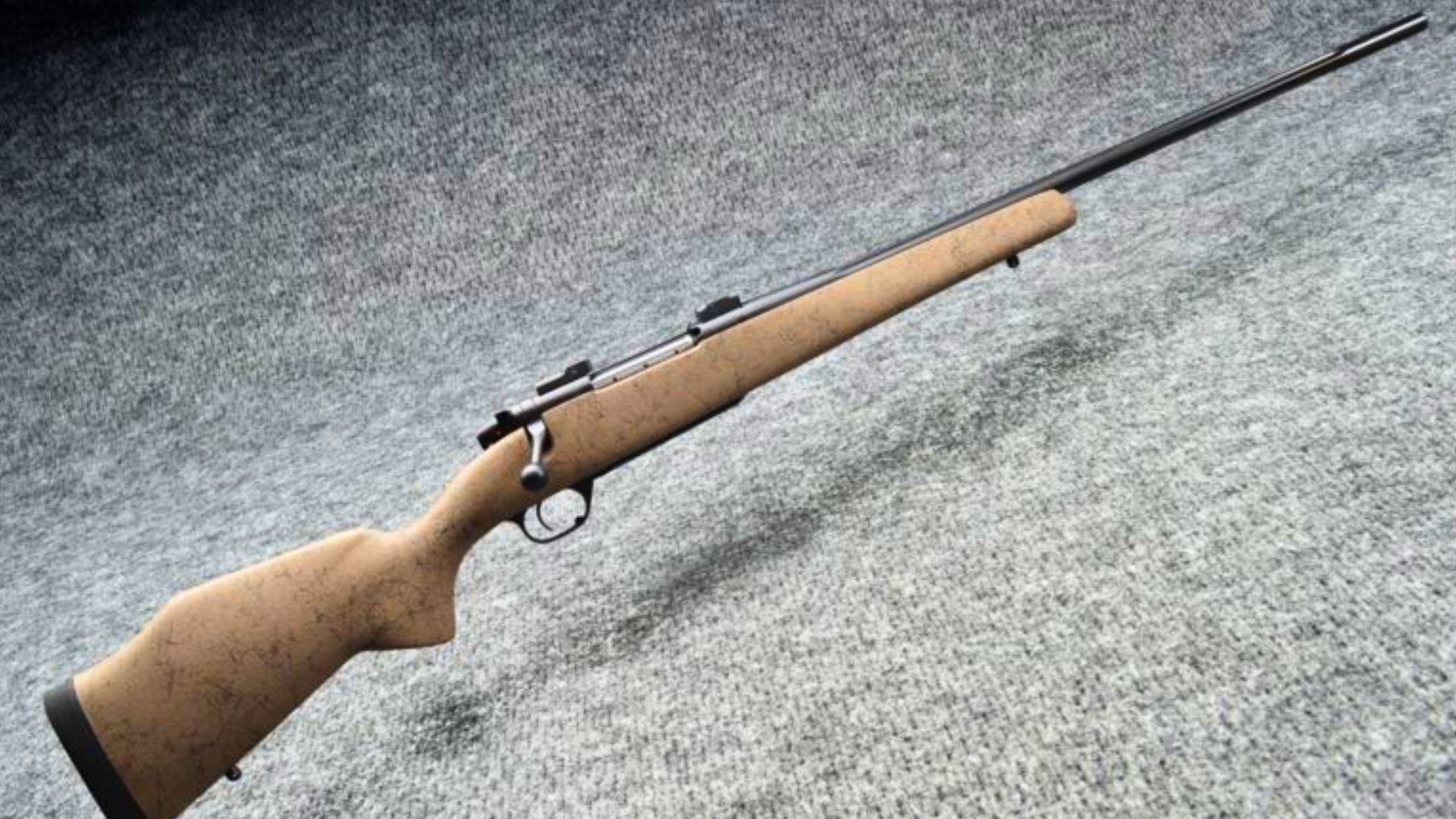
Weatherby’s ultralight rifles offer incredible carrying comfort, but some early runs were sensitive to temperature shifts. Their thin barrels heated and cooled quickly, causing point of impact changes during long sits in fluctuating weather.
Accuracy is excellent when conditions stay consistent, but sudden cold fronts can influence performance enough to affect a shot. When you’re hunting open country and relying on a steady zero, that finicky behavior can make you hesitate.
Remington Model Seven (certain synthetic-stocked versions)

Some synthetic-stocked Model Seven rifles struggled to maintain consistent accuracy across temperature swings. The combination of lightweight barrels and flex-prone early stocks created scenarios where the rifle’s zero wasn’t as stable as you’d want in shifting weather.
In moderate conditions, the rifle handles beautifully. But if you’re tracking deer through sleet and rapidly cooling temperatures, you may notice widening groups. Many hunters who love the rifle still admit it performs best in stable climates.
Browning BLR Lightweight

The BLR Lightweight carries well, but it can show sensitivity to temperature changes, especially with certain loads. Cold weather may tighten the lever action feel, and some users notice slight shifts in accuracy when the rifle transitions from warm storage to freezing air.
It’s a capable rifle, but it doesn’t always deliver the consistency you expect in rough weather. Hunters in mild climates rarely notice an issue, but those chasing mountain bucks in harsh conditions sometimes learn the BLR’s limits firsthand.
CZ 527 (varmint barrels in freezing weather)
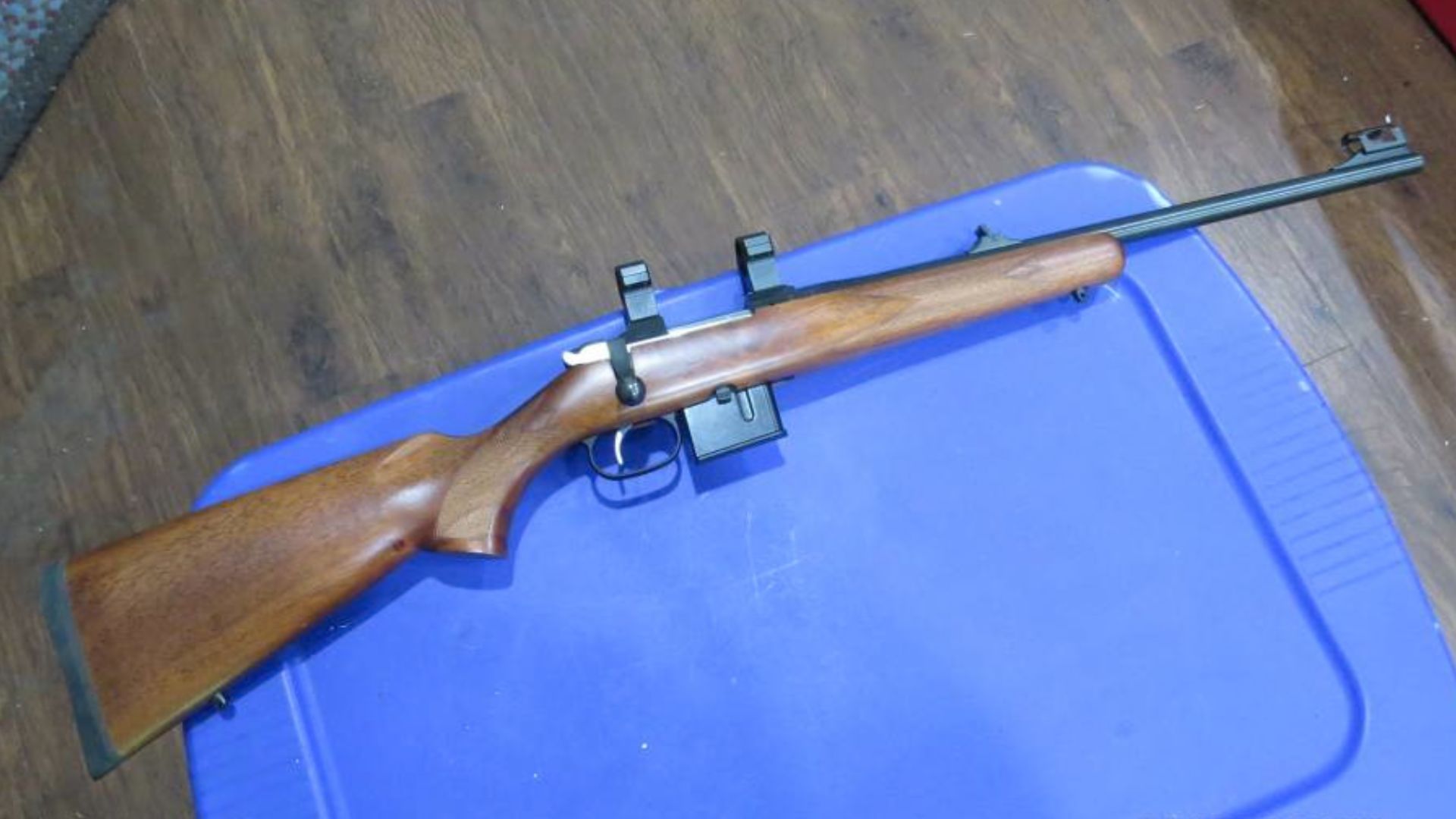
The CZ 527 is well-made, but varmint-barreled models can show accuracy changes when rapidly exposed to cold temperatures. Heavy barrels cool fast in winter winds, sometimes causing small shifts in harmonics that widen groups unexpectedly.
The rifle still performs far better than most in its class, but if you’re expecting perfect consistency in harsh weather, it may leave you guessing. It thrives in stable environments, yet becomes more temperamental when winter conditions hit hard.
Henry Long Ranger (early production)

Early Henry Long Ranger rifles had occasional accuracy and zero-shifting complaints when exposed to moisture and cold. The lightweight design and early stock bedding weren’t always stable, especially on long hunts where humidity changed throughout the day.
Later models improved noticeably, but early rifles still carry the reputation. If you hunt warm seasons, the rifle performs well. But during wet, cold weather, some hunters noticed it losing the tight consistency they expected from a modern lever-format rifle.
Marlin X7 (polymer stock sensitivity)

The Marlin X7 offered impressive performance for its price, but its polymer stock occasionally flexed or reacted to temperature swings more than higher-end designs. In cold weather, some rifles showed point of impact changes if the fore-end contacted the barrel differently as the material contracted.
Accuracy was respectable for the cost, but not always repeatable in rough conditions. Hunters in northern climates sometimes found themselves rechecking zero more often than they wanted during cold fronts or extended wet spells.
Like The Avid Outdoorsman’s content? Be sure to follow us.
Here’s more from us: