Photo credit: Cpl. Cansin Hardyegritag – Public Domain/Wiki Commons
Modern battlefields demand cartridges that deliver range, accuracy, and logistical efficiency. Some calibers that once made sense have been outpaced by today’s needs. Whether due to limited penetration, poor range, or supply headaches, certain rounds have no business showing up in a modern fight. These aren’t bad cartridges in every setting—they may still shine for hunting or civilian use—but when it comes to military applications, they’re outdated choices that drag performance down instead of pushing it forward.
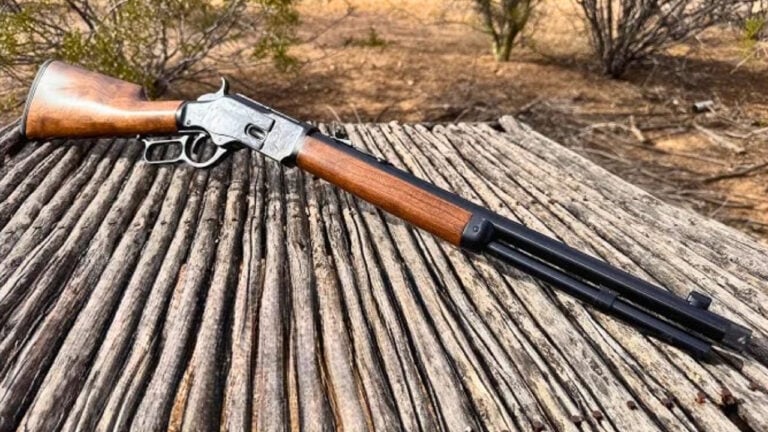
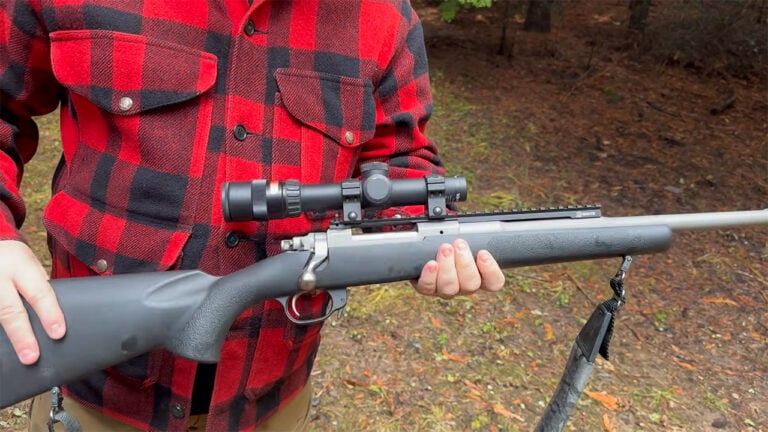
.30-30 Winchester

The .30-30 Winchester is legendary for deer hunting, but it’s hopelessly outdated in modern combat. With limited range and a trajectory that drops quickly beyond 200 yards, it can’t compete with the flatter-shooting rounds soldiers rely on today. In dense brush or short-range hunting, it still makes sense, but that’s far from battlefield conditions.
Its rimmed case and tubular magazine compatibility further limit its relevance. While the .30-30 has history, it doesn’t meet the accuracy, penetration, or logistical demands of modern warfare.
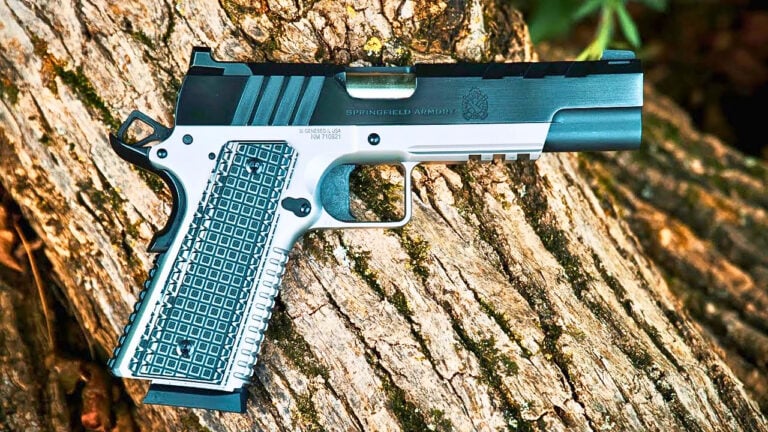
.45 ACP

The .45 ACP is powerful at close range but struggles badly past 50 yards. Its heavy, slow-moving bullets lack the velocity and penetration needed to punch through modern body armor. While it was standard issue for decades, military forces worldwide have shifted to higher-capacity, faster-flying 9mm for good reason.
The .45 still has a role in civilian defense or competitive shooting, but on a modern battlefield, it creates more drawbacks than advantages. Its size, weight, and limited range keep it sidelined.
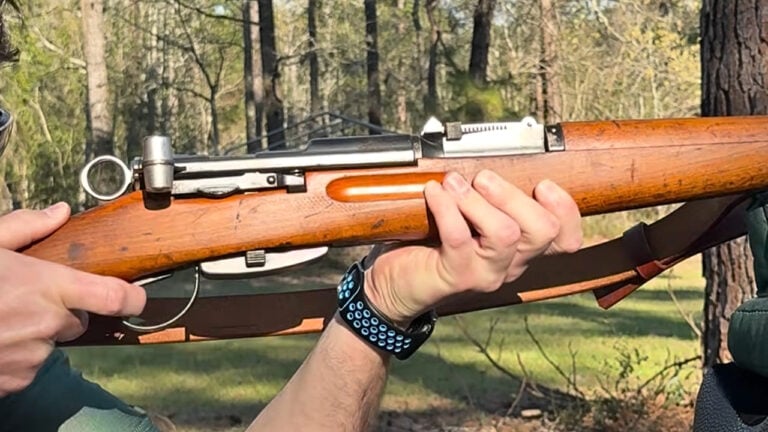
7.62x54R

The 7.62x54R has been around since the 19th century and still lingers in Eastern bloc arsenals. While it packs power, the rimmed design makes feeding less reliable in belt-fed systems compared to newer cartridges. Its trajectory and recoil also make it less efficient than modern long-range rounds like the .338 Lapua.
Logistics are another issue. Maintaining older rifles and machine guns chambered in this caliber is a headache. It’s a round that’s clinging to relevance by history rather than real effectiveness today.
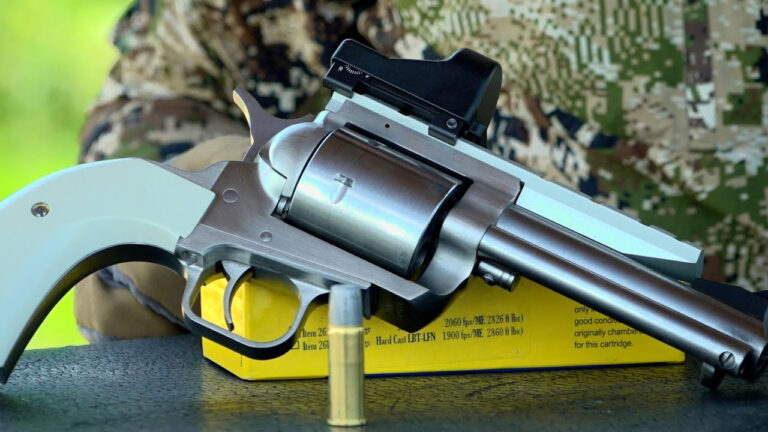
.38 Special

The .38 Special is a revolver round with roots going back well over a century. It’s known for mild recoil and accuracy in handguns, but it’s far too underpowered for modern military roles. With limited penetration and low velocity, it can’t meet the demands of today’s engagements.
On the battlefield, it simply doesn’t belong. Revolvers chambered in .38 Special are slow to reload and hold fewer rounds than modern semi-automatic pistols. It’s a civilian and law enforcement cartridge—not a combat one.
.22 LR

The .22 LR is excellent for training, small game hunting, and recreational shooting, but it’s laughably unsuitable for combat. Its low velocity and tiny projectile lack the stopping power, range, and penetration needed in modern engagements. Even at close range, it’s unreliable against barriers or protective gear.
Some special operations units have used suppressed .22s for niche purposes, but those are rare exceptions. As a battlefield caliber, it’s obsolete the moment it’s considered.
.32 ACP

The .32 ACP saw service in early 20th-century pistols, but it’s obsolete by today’s standards. With low muzzle energy and limited capacity in typical platforms, it offers little advantage in combat. Compared to modern service rounds, it lacks both stopping power and penetration.
While it has a place in vintage pocket pistols and as a collector’s round, there’s no justification for it in military use today. It was overtaken long ago by better-performing calibers.
8mm Mauser

The 8mm Mauser shaped much of early 20th-century warfare, but it’s now a relic. Its ballistics are still respectable, but modern 7.62 NATO and other long-range cartridges outclass it in terms of logistics, accuracy, and platform compatibility. Feeding old surplus rifles is more of a historical exercise than a serious combat option.
The 8mm’s downfall is tied to supply and modernization. Newer rounds have taken its place, and trying to keep it alive in combat roles makes no sense today.
.25 ACP
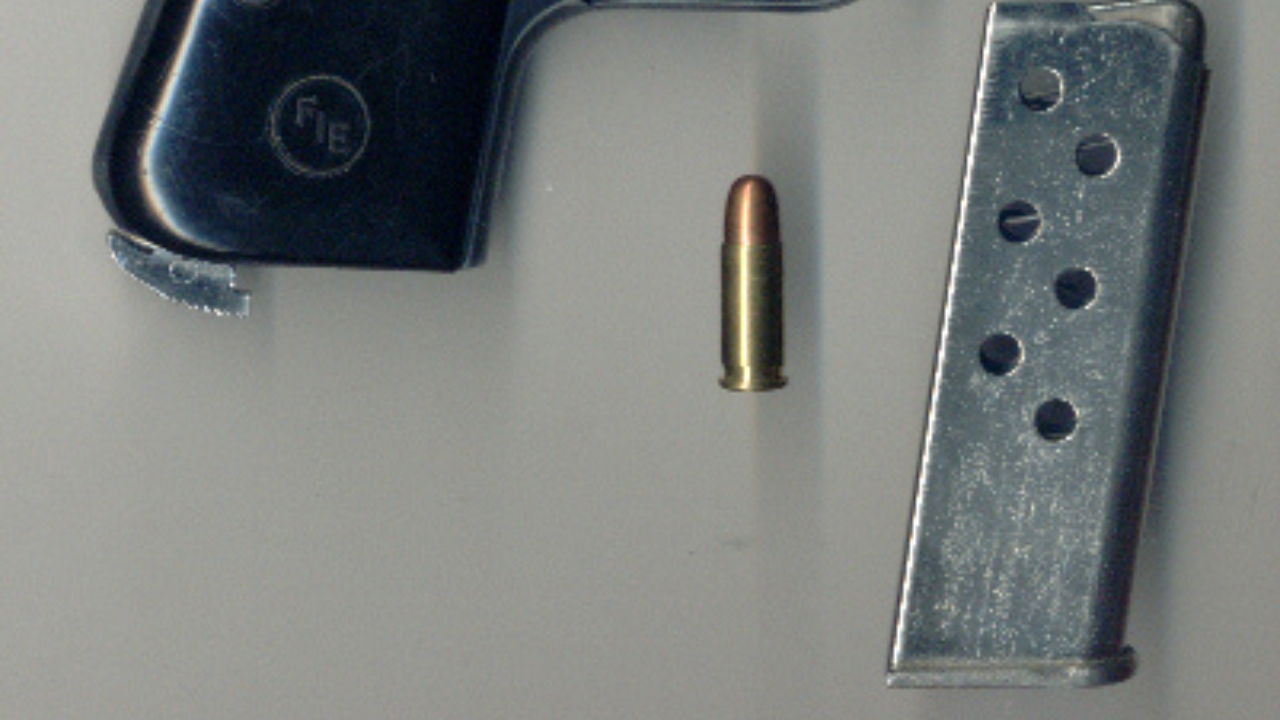
The .25 ACP is perhaps one of the weakest cartridges ever considered for self-defense, let alone military use. With minimal velocity, poor penetration, and limited magazine capacity in most pistols chambered for it, it offers almost nothing of value on a battlefield.
Its only redeeming factor is concealability, but that has no role in modern military doctrine. It’s a round that’s better left in history books and old vest-pocket pistols.
.30 Carbine

The .30 Carbine was useful in World War II with the M1 Carbine, but today it’s badly outdated. It lacks the power of modern intermediate cartridges and struggles to penetrate armor. Its trajectory is closer to a pistol round than a rifle cartridge, making it ineffective at the ranges soldiers train for today.
While it was lightweight and handy in its day, the .30 Carbine can’t compete with today’s 5.56 NATO or similar rounds. It’s simply outclassed.
7.65x21mm Parabellum
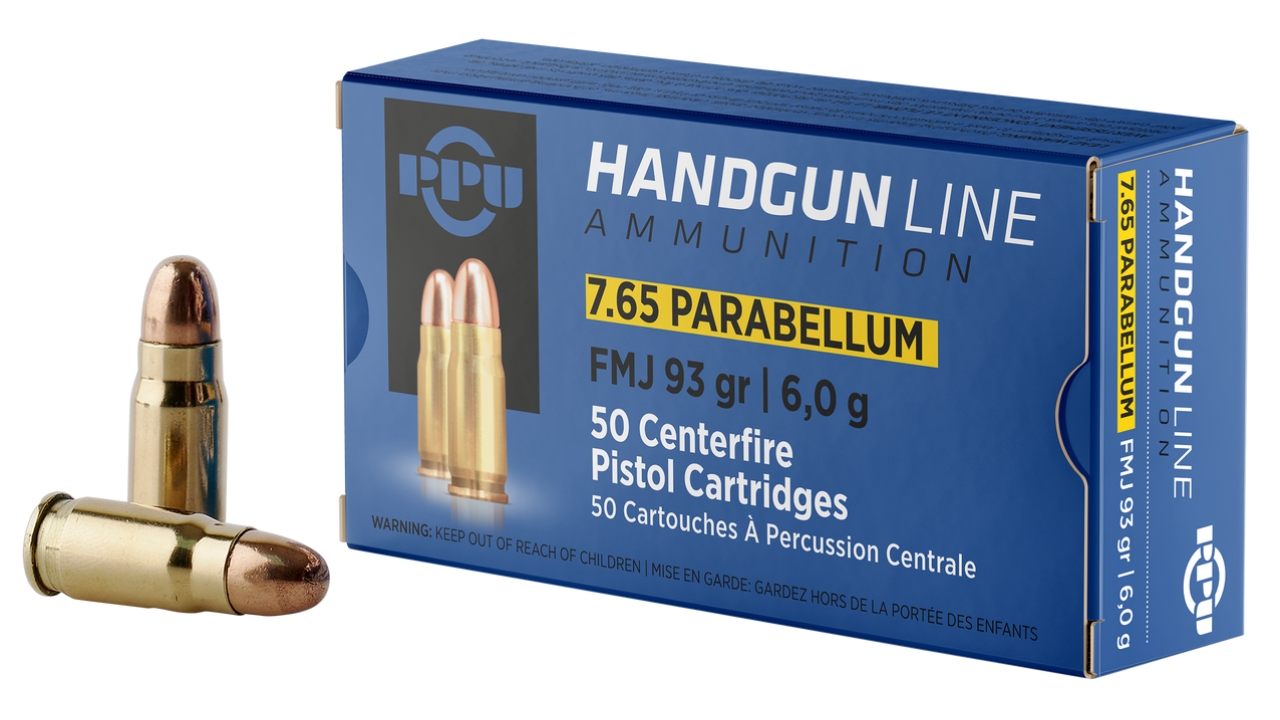
The 7.65x21mm Parabellum was once used in early Luger pistols but has no role in modern combat. Its performance is inferior to modern 9mm, and its availability is scarce outside of collectors and enthusiasts. It lacks stopping power, penetration, and capacity compared to today’s service rounds.
At best, it’s a piece of firearms history. On a modern battlefield, it’s completely out of place and replaced by far better options across the board.
*This article was developed with AI-powered tools and has been carefully reviewed by our editors.