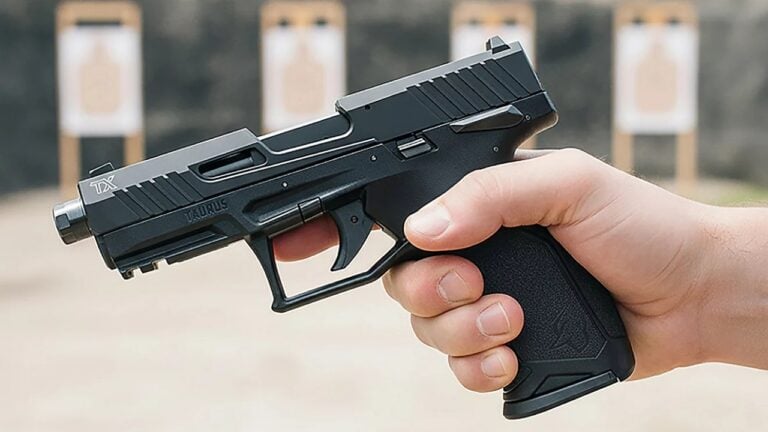
Photo credit: Survival Gear/YouTube
The Ruger LCP is one of those pistols that got so common so fast that people forget how disruptive it really was. To a lot of shooters, it is just “that tiny Ruger .380,” but when it launched in 2008, it landed right in the middle of a growing demand for pocket-size defensive pistols and helped push that whole category into the mainstream. Ruger’s original launch announcement introduced it as the LCP, or Lightweight Compact Pistol, and later company material said the original LCP had helped set the industry standard for compact, reliable .380 Auto pistols.
What makes the LCP interesting is that it was never just a tiny gun. It became a whole pistol family, with the LCP II arriving in 2016 and the LCP Max arriving in 2021, each one trying to solve the tradeoffs of the original in a different way. Here are 15 surprising facts about the Ruger LCP that most shooters either never learned or do not think about much anymore.
1. The LCP launched in 2008

A lot of people mentally place the LCP later because micro carry pistols became such a big thing in the 2010s, but Ruger introduced the LCP on February 2, 2008. Ruger’s own launch announcement says exactly that, and American Rifleman also dates the original pistol to 2008.
That matters because the LCP was early enough to shape the pocket-.380 trend, not just ride it.
2. “LCP” literally means Lightweight Compact Pistol

This sounds obvious once you know it, but not everybody does. Ruger’s launch announcement spelled the name out directly: Lightweight Compact Pistol.
That straightforward naming actually fits the gun pretty well. The whole point was to tell buyers exactly what the pistol was supposed to be.
3. The original LCP was chambered in .380 ACP, not 9 mm

People sometimes lump the LCP in with later micro-9 carry guns, but the original LCP was a .380 ACP pistol. Ruger’s launch page and American Rifleman both identify it that way.
That matters because the LCP belongs to the pocket-.380 era more than the later “tiny 9 mm” era.
4. It was extremely light right from the start

Ruger’s original 2008 announcement emphasized the pistol’s ultra-light carry weight, and the LCP’s tiny, subcompact dimensions were a huge part of its appeal. American Rifleman’s retrospective also frames the original LCP as a very small, budget-friendly carry pistol that made sense for deep concealment.
That lightness is a big reason the gun took off. It was built to disappear in a pocket or very small holster, not to be a range toy first.
5. The LCP helped create a much bigger market than the one it entered
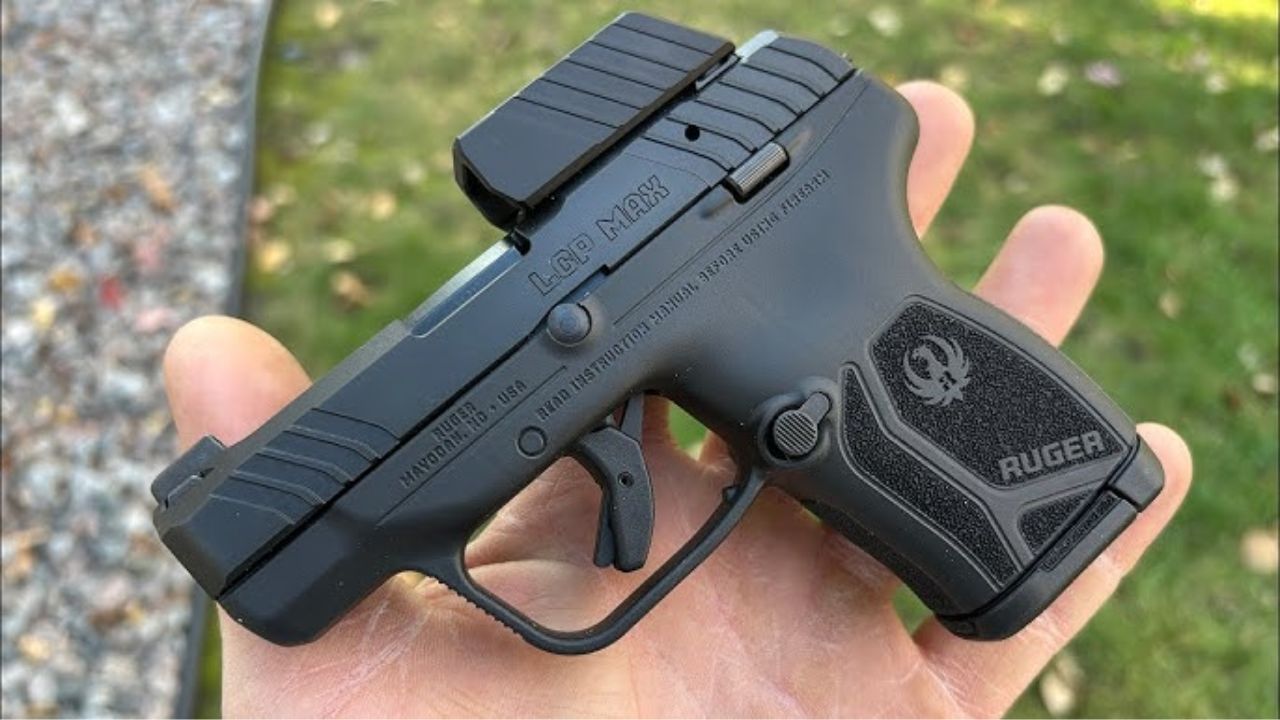
Shooting Illustrated’s LCP Max review says the original Ruger LCP “disrupted the market” when it launched in 2008 and helped create demand for small, reliable .380 ACP pistols.
That is a big statement, but it rings true. The LCP did not just become popular inside an existing niche. It helped make the niche bigger.
6. The original LCP became a huge seller surprisingly quickly

American Rifleman’s 2020 piece says it took only nine years for Ruger to sell 1.5 million original LCPs.
That is a huge number for a tiny carry pistol, especially one in a category that was still finding its footing when it launched.
7. Ruger treated the pistol as a long-term line, not a one-off hit
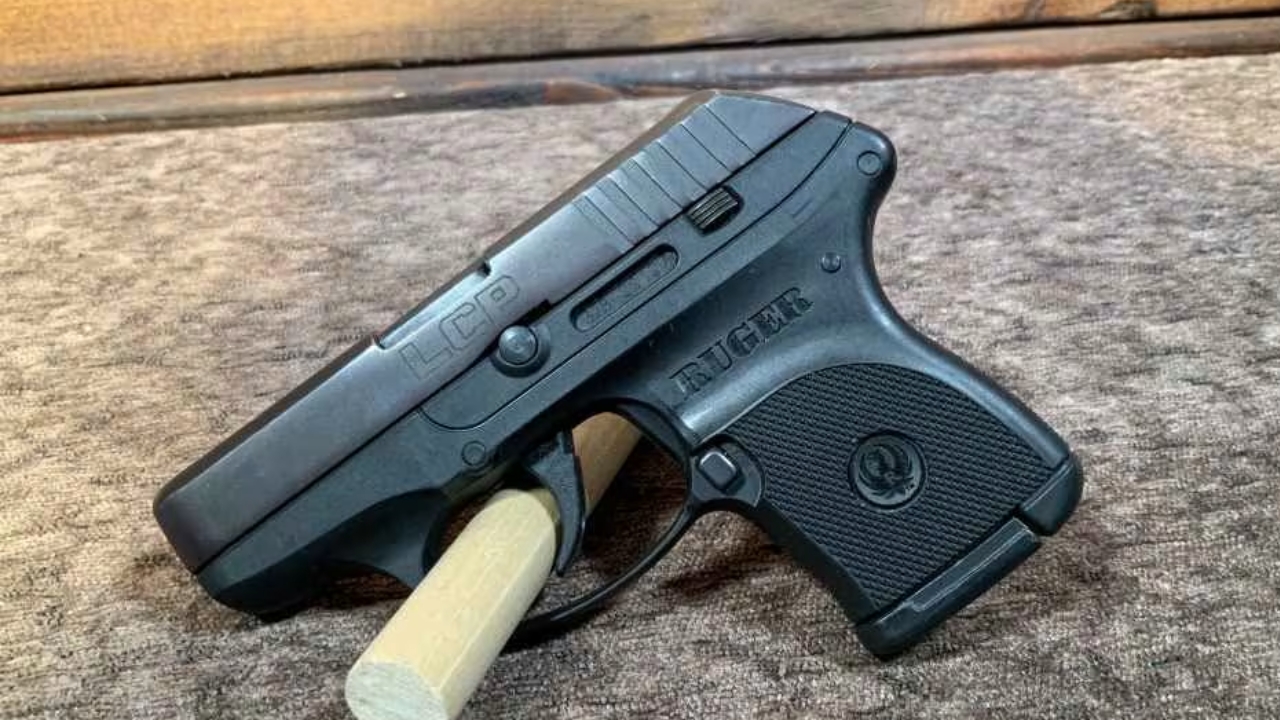
The LCP was successful enough that Ruger kept building on it instead of replacing it outright. Ruger’s 2016 release for the LCP II specifically said the original LCP had set the standard and that the company was building on that success rather than starting over.
That tells you how important the original pistol became to Ruger’s handgun lineup. It was not just a passing trend gun.
8. The LCP II did not arrive until 2016

A lot of shooters talk about the LCP and LCP II like they have always both been around. They have not. Ruger introduced the LCP II in October 2016, and Shooting Illustrated covered it as the successor to the original line of LCP .380 pocket pistols.
That means the original LCP had a pretty long standalone life before Ruger rolled out the first major next-generation version.
9. The LCP II was meant to fix some of the original’s biggest complaints
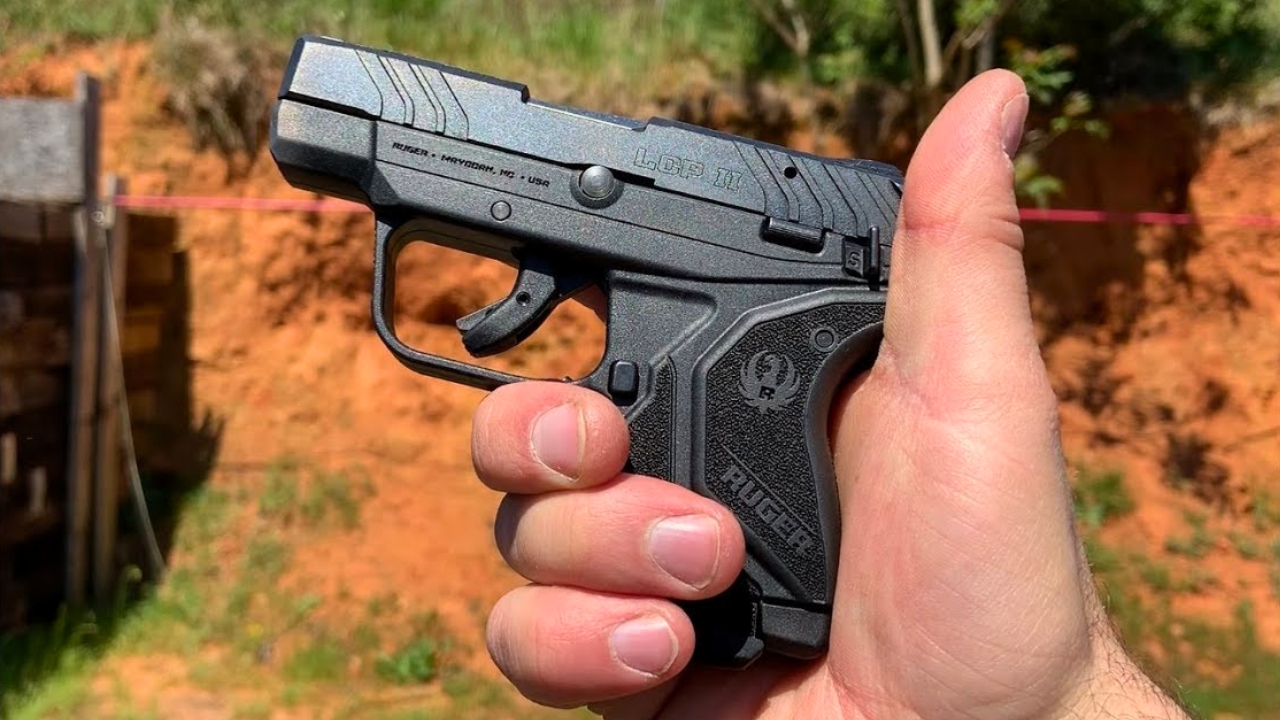
One reason the LCP II mattered is that it was not just cosmetic. NRA Family’s LCP II coverage says the original pistol, while revolutionary, had a long and heavy trigger and some ergonomic compromises, and the LCP II was built to improve on those weak spots.
That is a useful reminder that the original LCP was successful partly because of size and carry ease, not because everyone thought it was perfect to shoot.
10. Ruger celebrated the original with a 10th Anniversary model in 2018
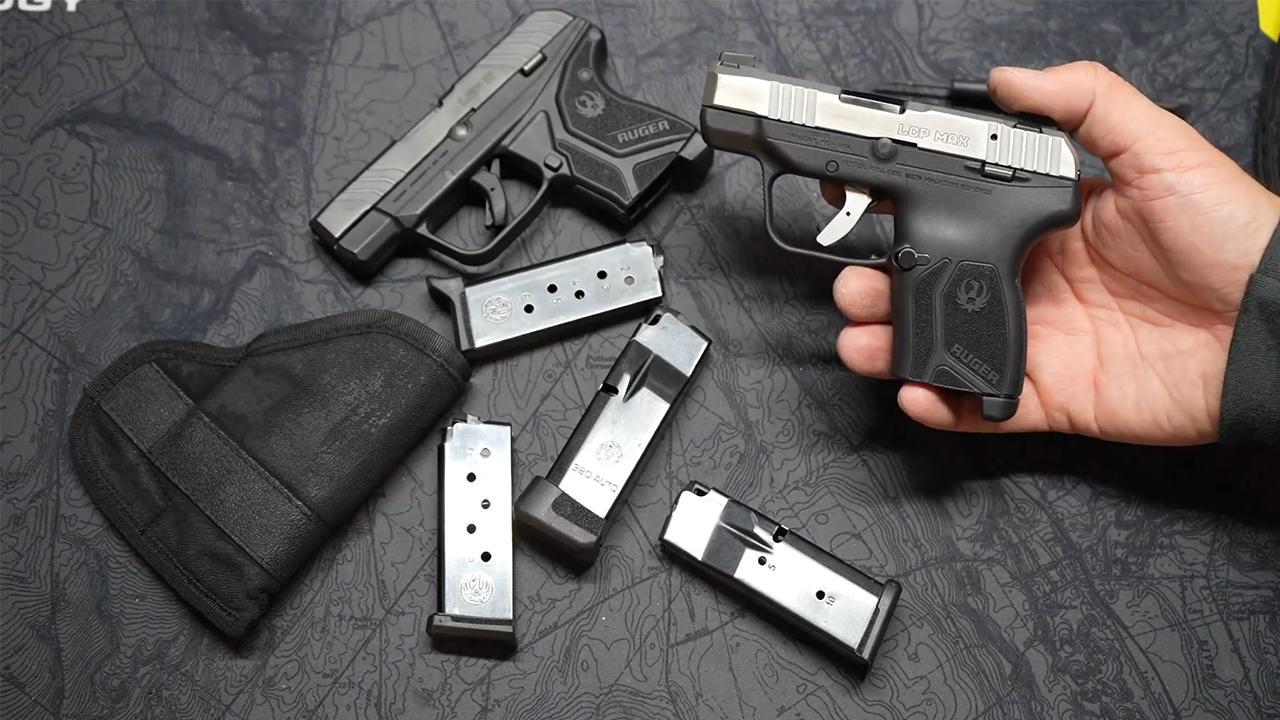
Ruger marked the original pistol’s 10-year milestone with a 10th Anniversary Limited Edition LCP in 2018. Both Ruger’s own announcement and American Rifleman’s coverage mention the special engraving and upgraded cosmetic touches.
That is a pretty strong sign that Ruger understood the original LCP had already become an important modern carry pistol in its own right.
11. The LCP Max arrived in 2021 and nearly doubled the original concept’s capacity

Shooting Illustrated’s launch coverage says the LCP Max gives shooters the same general size pistol with twice the capacity of the original LCP. American Rifleman’s LCP Max review says the pistol offers up to 13 rounds while using a footprint nearly identical to the LCP II.
That is a major shift, because it shows how far the platform moved from the original pocket-.380 formula without abandoning it completely.
12. The original LCP’s biggest tradeoff was shootability, not concealment
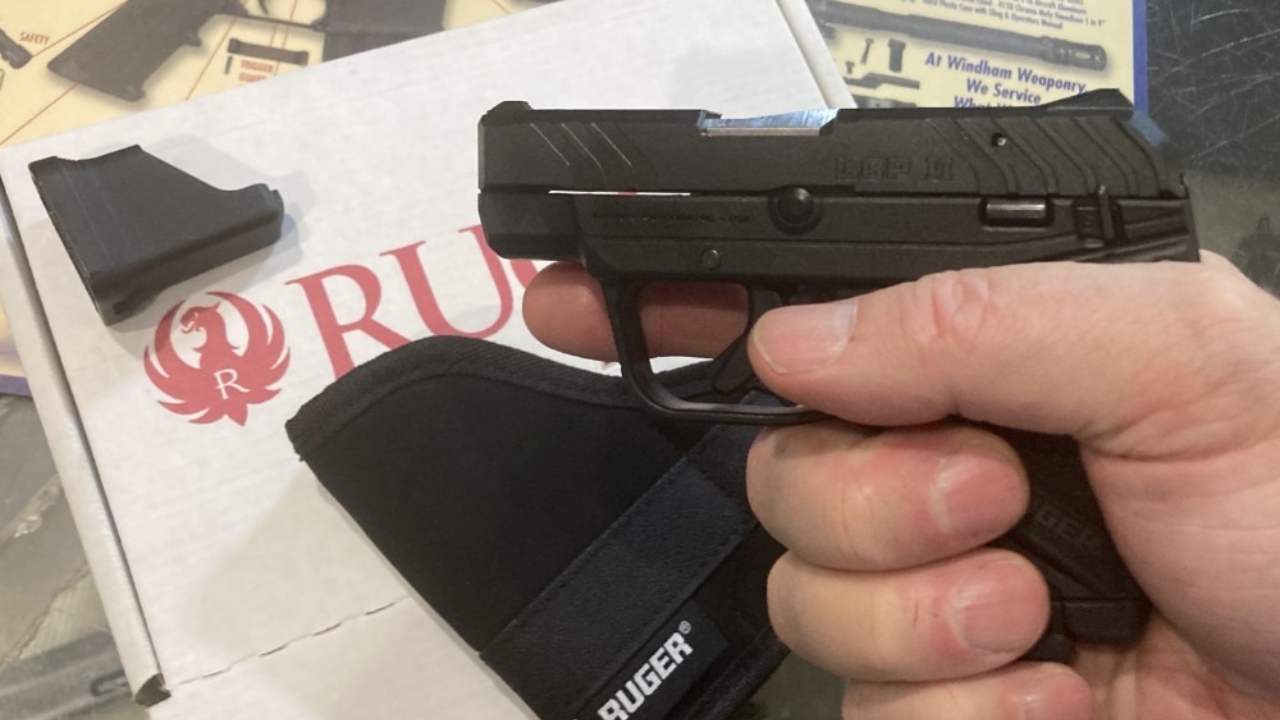
The original LCP succeeded because it was tiny and easy to hide, but Shooting Illustrated’s LCP Max review says shooters also quickly experienced the downsides of that size: small sights, sharp recoil, and a heavy trigger.
That is a big truth about the whole LCP story. The gun was never famous because it was pleasant to shoot compared with larger pistols. It was famous because it was so easy to carry that people accepted the compromises.
13. The LCP helped drive support industries too
Shooting Illustrated says the original LCP pushed not just pistol demand, but also demand from holster makers and even ammunition manufacturers.
That matters because it shows the LCP had ripple effects beyond Ruger’s own sales. It helped create a broader ecosystem around the pocket-carry market.
14. The LCP stayed relevant long enough to feel like a carry-era icon

American Rifleman’s 2020 retrospective notes that even more than a decade after launch, the original LCP was still widely popular and still ranking strongly in the consumer market.
That is not normal for a tiny carry pistol. A lot of handguns in that category get replaced quickly by the next hot thing. The LCP lasted.
15. Its biggest surprise may be that it became bigger than one pistol
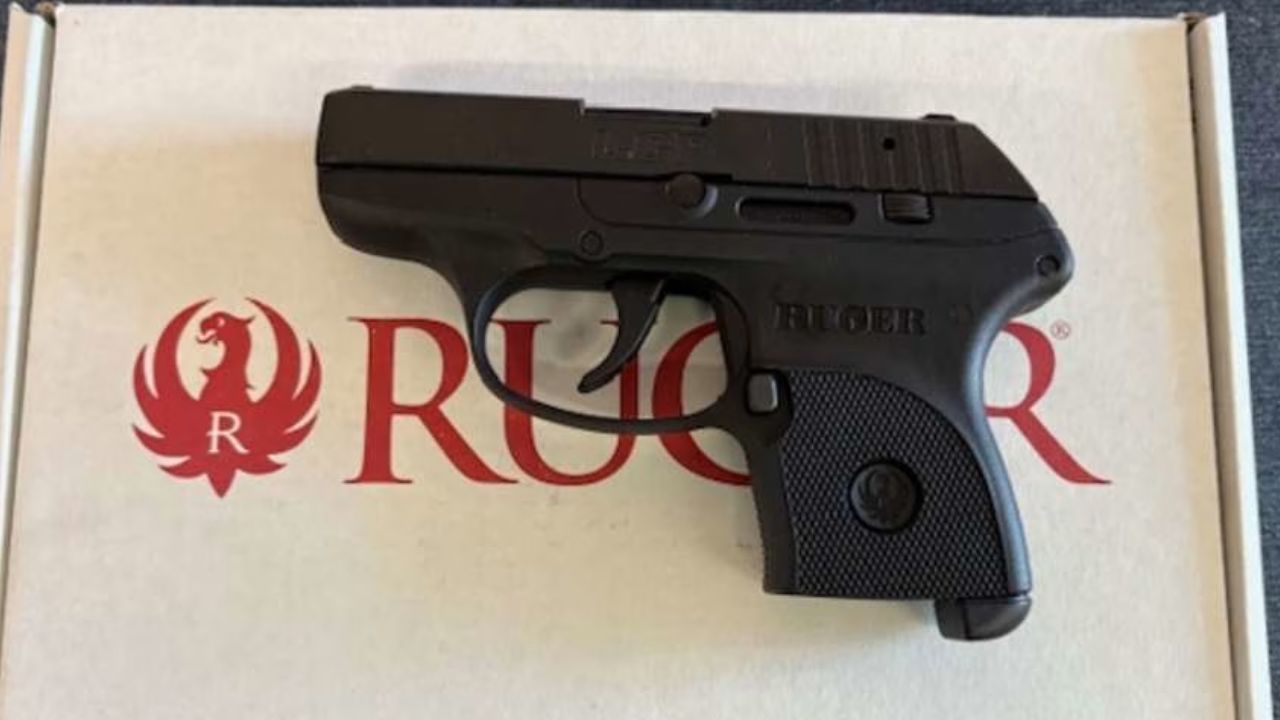
The most interesting thing about the LCP now is that “LCP” no longer means just one tiny .380. It means a whole family: the original LCP, the improved LCP II, and the higher-capacity LCP Max. Ruger’s releases and later reviews make that progression very clear.
That is probably the biggest surprising fact of all. The Ruger LCP started as one ultra-small carry gun, but it ended up helping define an entire category of modern concealed-carry pistols.
Like The Avid Outdoorsman’s content? Subscribe to our newsletter so you never miss an article.
Here’s more from us: