Photo credit: Rancho de Armas/YouTube
Some gun brands don’t disappear because they were bad. They disappear because the market moved, the company got bought, the tooling wore out, the lawyers got involved, or the big names simply crowded the shelf space. Years later, you’ll still run into a guy at the range who lights up when you mention one of those old rollmarks, because he’s carried it, hunted with it, fixed it, and learned its quirks the same way you learn a favorite pocketknife. That kind of loyalty isn’t nostalgia for nostalgia’s sake. It’s the feeling that a particular brand made guns that solved real problems for real people, and that those guns still do the job even if the company name isn’t splashed across every new catalog.
What makes these “forgotten” brands interesting is that their owners aren’t usually collectors in white gloves. They’re shooters who keep a worn example running because it still fits their hand, still prints where it looks, or still cycles like it’s supposed to with the ammo it likes. They’ll admit the finish isn’t perfect and parts aren’t always easy, but they’ll also tell you they’ve seen newer guns choke on simple tasks while the old one just keeps showing up and working. If you want to understand loyalty in the gun world, you don’t look at what’s trending this year. You look at the names that stuck around in basements, truck consoles, farm safes, and range bags long after the ads stopped.
Why “forgotten” brands earn stubborn loyalty in the first place
A lot of brand loyalty is really design loyalty. When a company builds something that fits the hand well, feeds reliably with boring ammo, and holds together under real use, owners forgive a lot of other sins. They’ll tolerate oddball sights, heavy triggers, and dated ergonomics if the gun always goes bang and hits where it’s aimed. They also get attached to designs that are easy to understand, because a simple mechanism is easier to keep alive when factory support dries up. When you can replace a spring, tune an extractor, or swap a magazine without praying for proprietary parts, you stop being scared of age, and the gun becomes a tool again instead of a museum piece.
The other factor is memory tied to competence. People get loyal to the gun that taught them, saved a hunt, or rode on a hip through years of chores without drama. That’s why you’ll hear phrases like “I shoot this one better” or “this one just feels right,” and they mean it. Familiar triggers teach your finger what “right” feels like. Familiar recoil teaches your eyes how the sights settle. Familiar controls reduce fumbles when you’re cold, rushed, or tired. Once that kind of confidence is baked in, a newer brand has to offer more than hype to pull someone away, because the old gun already proved itself where it counts.
Harrington & Richardson and New England Firearms: plain guns that kept working
If you grew up around farms, deer camps, or small-town gun counters, you’ve seen these names. The guns weren’t fancy, and nobody bought them to impress a buddy at the range. They bought them because they were affordable, straightforward, and usually tougher than they had any right to be for the money. Break-action single shots and simple revolvers don’t give you many places to hide problems, and that’s part of why owners trust them. When the lockup stays tight, the firing pin hits hard, and the thing opens and closes the same way every time, you build confidence fast. For a kid’s first deer rifle, a truck gun, or a “keep it by the back door” tool on a rural property, that basic reliability becomes a habit you don’t want to give up.
The loyalty sticks because these guns were honest about what they were. They weren’t trying to be a high-dollar custom piece, so owners judged them by field results. Did the shotgun put patterns where you pointed it in cold drizzle? Did the rifle keep a simple zero through being leaned in a corner for a month? Did it fire every time with the ammo you could actually find? When the answer is yes for years, people stop caring that the finish is plain or the brand isn’t fashionable. The downside today is parts and support, and you have to be realistic about that. But the upside is that the designs were simple enough that a competent owner can often keep them alive with basic maintenance, careful inspection of lockup wear, and a willingness to replace springs before they’re completely dead.
High Standard: the .22s that taught people what “good” feels like
There are shooters who will argue about centerfire pistols all day and then get weirdly sentimental about an old .22, and there’s a reason for that. A good .22 pistol is where you learn trigger control, sight tracking, and follow-through without recoil covering your mistakes. When someone learned those skills on a well-made High Standard, they’re not forgetting it. Those pistols had a reputation for accuracy that didn’t feel theoretical; it showed up on targets in a way that made you believe you were getting better. That’s a powerful thing to associate with a brand, because skill-building is personal. The gun becomes the yardstick you compare everything else to, and that’s where loyalty gets stubborn.
Owners also stick with them because the guns reward careful upkeep instead of punishing it. If you keep a rimfire pistol reasonably clean, replace recoil springs when the gun starts feeling sluggish, and feed it ammo it actually likes, it will run a long time. When reliability issues show up, they’re often explainable: rimfire priming isn’t as consistent as centerfire, magazines get dirty, and dry guns get picky. A shooter who understands that doesn’t see the pistol as finicky, he sees it as honest. That “I know what it wants” relationship is the same reason guys keep old trucks alive. It’s not because nothing ever breaks. It’s because the problems make sense, and the fixes make sense, and the results still justify the effort.
Iver Johnson: the underdog revolvers people won’t quit on
These revolvers don’t get treated like glamorous collectibles in most circles, and that’s exactly why owners stay loyal. They were working guns, often bought because they were available and affordable, and they ended up living real lives. That means you’ll see wear, holster rub, and more stories than polish. The loyalty comes from the fact that plenty of them still function after decades of being treated like tools, and that matters to the kind of shooter who values practicality over status. A simple revolver that indexes correctly, locks up well enough, and lights primers consistently is still a viable option for certain roles, even if it’s not what the internet is excited about this month.
That said, you have to be honest about what you’re holding. Age, unknown maintenance history, and timing issues are real, and a revolver that’s out of time can shave lead, throw accuracy off, and create dangerous wear if you keep forcing it. The loyal owners tend to be the ones who understand those failure points. They check cylinder lockup, verify carry-up, watch for endshake, and they don’t ignore weird primer strikes or a cylinder that starts feeling rough. That’s not babying; that’s respecting the mechanism. When a shooter treats an old revolver like a machine that needs inspection, not a magic talisman, it’s amazing how long these guns can remain useful, and that long usefulness is what creates the loyalty in the first place.
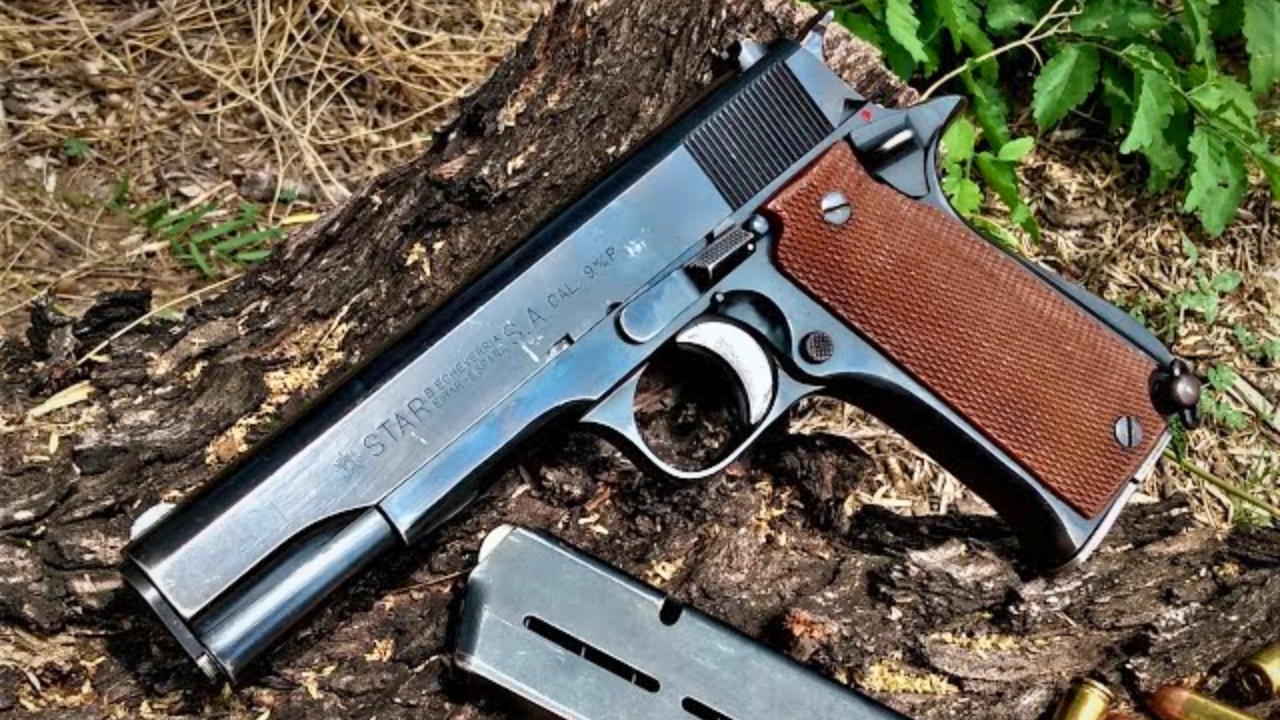
Star Bonifacio Echeverria: metal pistols that feel like they mean it
A lot of modern polymer guns feel like appliances, and I don’t mean that as an insult. They’re efficient and they work. But some shooters simply prefer an all-steel pistol that has weight, balance, and a certain steadiness in recoil. Star built a bunch of pistols that scratch that itch, and even people who aren’t normally “old gun” guys will admit that a solid metal frame can make the shooting experience calmer. When a pistol returns from recoil in a predictable way, and you can feel the gun settle back into the same sight picture, your confidence climbs. That’s a big part of why owners stay loyal even when magazines aren’t on every shelf and the brand name isn’t in the spotlight.
The practical side of that loyalty comes down to expectations and upkeep. Older steel pistols can run beautifully, but they’re not immune to spring fatigue, magazine issues, and extractor tension drift. If a gun starts throwing brass weirdly, failing to extract, or short-stroking, the answer is often mechanical and boring: recoil spring rate, worn mag springs, dirty feed lips, or an extractor that’s lost tension. Owners who stick with these pistols tend to understand that the gun isn’t “moody,” it’s telling you something changed in the system. When you treat it that way—replace springs on a schedule, keep magazines healthy, and don’t run the gun bone-dry—you end up with a pistol that still shoots flat, feels steady, and keeps making the owner smile long after trend cycles move on.
Astra-Unceta y Cia: the “good enough” guns that turned into keepers
Astra is another name that doesn’t get the respect it sometimes deserves, mostly because it lived in that space where people assumed “import” meant “cheap.” But “cheap” and “bad” aren’t the same thing, and plenty of Astra guns have proven they were more than serviceable. Owners get loyal when a gun consistently does what it’s supposed to do despite being judged unfairly. A pistol that feeds reliably with standard-pressure ammo, prints respectable groups at 15 and 25 yards, and doesn’t beat your hands up earns a place in the safe. Then it earns a place in the rotation. Then, after enough rounds and enough years, it becomes “my gun,” and that’s the point of no return for loyalty.
The limitations are real, and pretending otherwise doesn’t help anyone. Parts availability can be a headache, and any time you’re relying on older magazines you’re relying on the health of springs and feed lips that may have been abused. That’s why owners who keep these guns running tend to be disciplined about magazine maintenance and realistic about what they’ll ask the gun to do. They don’t turn it into a science project with stacked aftermarket parts, and they don’t ignore early warning signs like inconsistent ejection, failures to return to battery, or a slide that starts feeling sluggish when it’s dirty. They keep it clean, keep it sprung correctly, and they keep their expectations grounded. The payoff is a pistol that continues to perform like a tool instead of a temperamental antique.
Stevens Arms: simple rifles and shotguns that earned trust the hard way
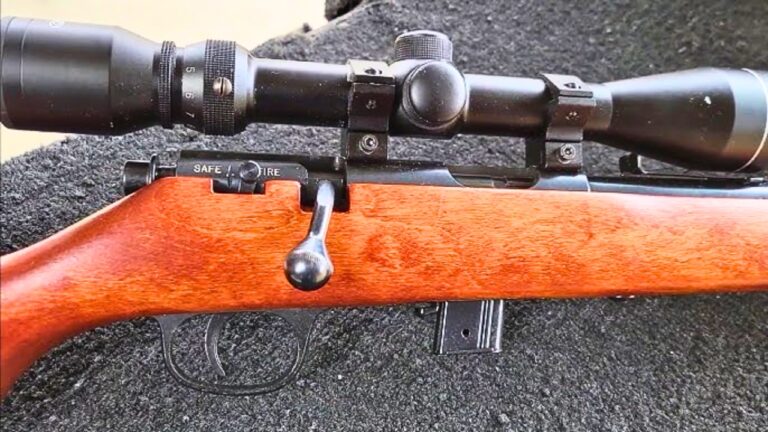
Stevens is one of those names that makes some hunters nod like they’re remembering a specific smell—wet leaves, cold steel, and an old gun case in the back seat. These guns often lived in the “working man” category, and the loyalty comes from that exact identity. When a rifle or shotgun becomes the one you loan to a nephew, the one you don’t panic about scratching, and the one that still puts venison in the freezer, it becomes more valuable than its resale price. Owners get loyal because the gun proved itself in the conditions that matter: rain, cold, dusty truck rides, and rushed shots at last light where the only thing that counts is whether the gun behaves.
The technical reasons are usually straightforward. Simple actions, straightforward feeding, and designs that don’t depend on delicate tuning tend to survive long-term use better than people expect. When problems do show up, they’re often predictable wear items and interface issues: loose scope bases, worn stock bedding contact, action screws that weren’t kept consistent, or magazines that have been abused. That’s where experienced owners separate themselves from the guys who constantly chase “mystery” accuracy problems. They check torque, verify mounts, keep the bedding stable, and they don’t assume a wandering zero is “just the ammo.” That mindset is why some of these older, less glamorous guns keep punching above their reputation. They aren’t magical. They’re just honest, and their owners learned how to keep them honest.
What to take from these brands if you’re not a collector type
The point of looking back at “forgotten” brands isn’t to romanticize the past or pretend older always equals better. The point is to notice what actually creates loyalty: predictable function, understandable mechanics, and a shooting experience that makes people want to pick the gun up again. If you’re shopping used, the lesson is to focus less on the name and more on the system. Inspect wear points, check lockup and timing, evaluate magazines like they matter (because they do), and be honest about whether parts support exists for the specific model you’re holding. A great deal turns into a bad deal fast when you can’t keep the gun running, and loyalty doesn’t come from suffering—it comes from a gun that keeps earning its place.
If you already own one of these “forgotten” brands, the best way to keep it earning loyalty is boring discipline. Replace springs before they’re fully tired, keep magazines clean and healthy, don’t let screws live their lives unchecked, and don’t ignore the small clues that something is drifting—odd ejection, changing primer strikes, a shifting point of impact, or a slide that starts feeling inconsistent. Old guns don’t demand worship. They demand attention. Give them that, and you’ll understand exactly why some owners talk about these brands the way they talk about a trusted hunting spot: not because it’s fashionable, but because it works.
Like The Avid Outdoorsman’s content? Subscribe to our newsletter so you never miss an article.
Here’s more from us: