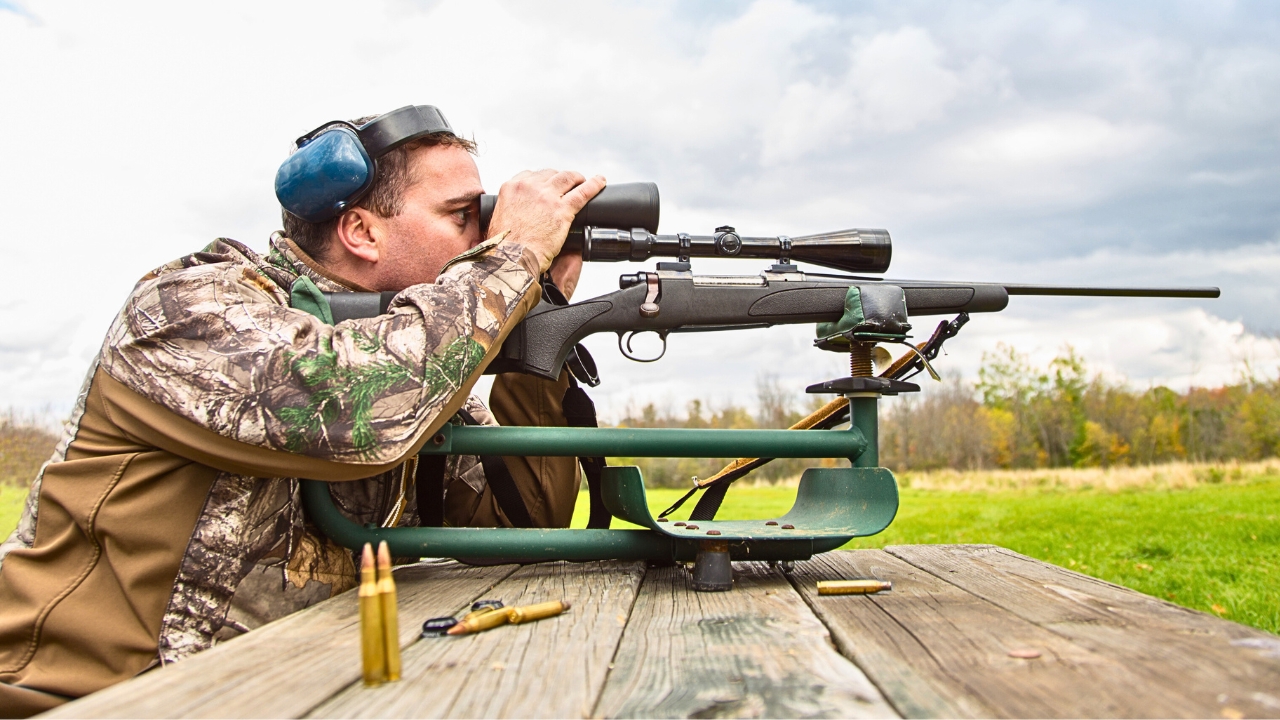
Photo credit: Bridges Photography/Shutterstock.com
Some cartridges look like a great deal on paper—cheap ammo, decent velocity, plenty of rifles chambered for them. Then you buy in, thinking you’ve outsmarted the gun counter, and reality hits somewhere between your first jam and your third trip trying to find ammo that actually exists. These are the calibers that tempt you with affordability and practicality but end up costing you in headaches, frustration, or flat-out regret. They’re the kind of rounds that make you realize there’s a reason some calibers stay niche. Here’s a closer look at those “budget-friendly” choices that often prove anything but.
.17 HMR

The .17 HMR is a flashy little round that seems perfect for varmints—flat shooting, fast, and surprisingly affordable per box. But the more you shoot it, the more you notice its flaws. Wind blows those lightweight bullets all over the place, and that “flat” trajectory doesn’t mean much when your shots drift a foot sideways.
Then there’s the cleaning routine. Fouling builds up quickly, and accuracy falls apart fast if you don’t stay on top of it. It’s fun to plink with but unreliable for anything serious. You’ll find yourself defending it for a while before finally realizing why most hunters still stick with the good old .22 WMR.
.350 Legend

The .350 Legend was supposed to be the perfect straight-wall solution for Midwest hunters. Cheap, legal in restricted states, and great for deer—on paper. In practice, it’s hit or miss, literally. Many rifles struggle to group well, and bullet selection is limited.
Reloaders hate it because the case design doesn’t play nice with standard .35-caliber bullets, and factory loads vary in performance. It’s not bad—it’s just inconsistent. What was marketed as an everyman’s deer round turned into an experiment that feels half-finished. You might save on ammo, but you’ll spend that savings chasing accuracy that doesn’t always show up.
.300 Blackout

The .300 Blackout became the cool kid of AR calibers—quiet, versatile, and efficient. But if you don’t run it suppressed, it’s not all that impressive. The subsonic rounds drop like a rock past 100 yards, and supersonics don’t outperform standard .223 by much.
The ammo costs more, and you have to pay close attention not to mix it up with .223 in your mags, which can be dangerous. It’s fun in theory, but once you factor in cost and limited range, most shooters go back to 5.56 or move up to .308. It’s a caliber that tries to do too much and ends up doing most of it “okay.”
.458 SOCOM
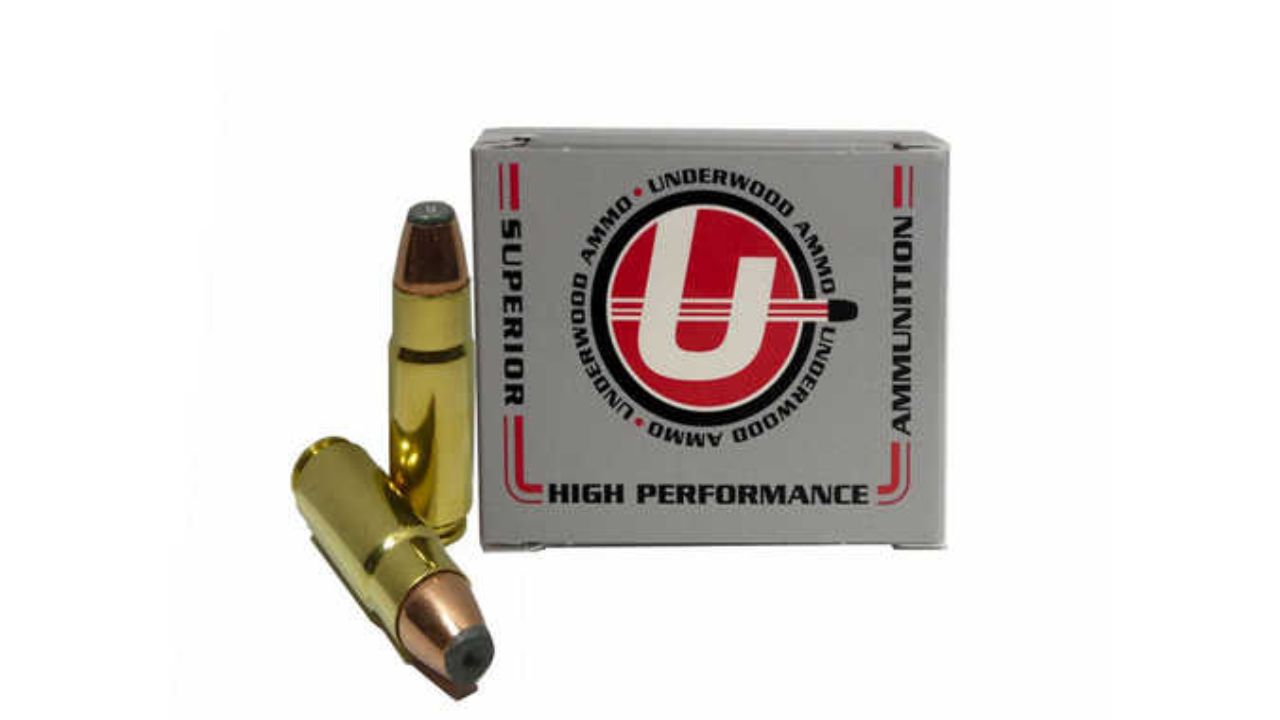
If you want to turn your AR into a shoulder-bruising beast, the .458 SOCOM delivers. But that power comes with steep tradeoffs. The ammo is rare, expensive, and often inconsistent across brands. The brass is specialized, the recoil’s brutal, and feeding issues are common in builds that aren’t perfectly tuned.
You buy into it thinking you’re getting “big-bore capability in an AR,” but you end up with a rifle that’s expensive to feed and temperamental to run. The novelty wears off fast when you realize you can’t shoot more than a few boxes without dropping another hundred bucks.
.243 Winchester Super Short Magnum
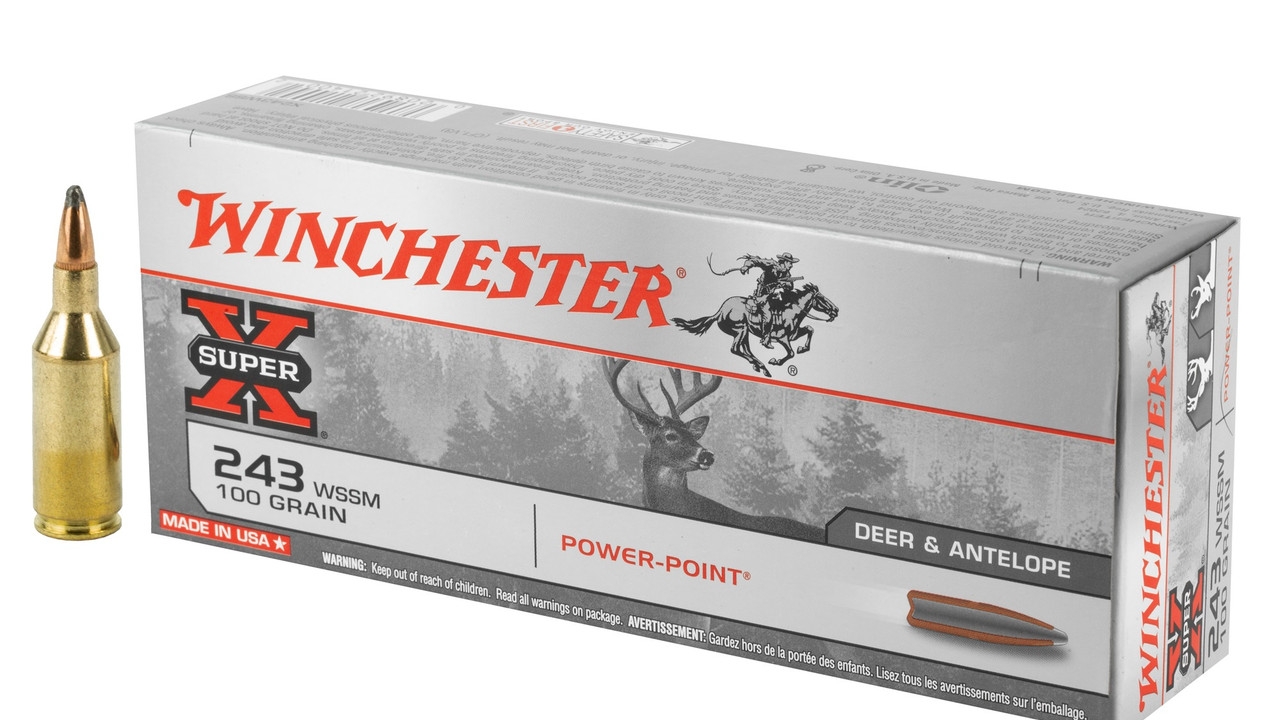
The WSSM family promised next-level speed in compact rifles, and the .243 WSSM led the charge. The idea was sound, but the execution was a mess. The round’s overbore design burned barrels fast, and inconsistent manufacturing led to major feeding problems in many rifles.
It looks appealing—small, powerful, and efficient—but it never lived up to expectations. Ammo’s hard to find and pricey when you do. For a round that was supposed to replace the .243 Winchester, it ended up being an expensive experiment nobody wanted to repeat.
.327 Federal Magnum

The .327 Federal Magnum sounds like a hidden gem: more power than .38 Special, more capacity than .357 Magnum. But outside of niche revolvers, it never took off. Ammo is scarce and expensive, and reloading components are limited.
The recoil is snappy for its size, and while it performs well on paper, finding defensive or hunting loads in stock is a pain. It’s the kind of caliber that looks smart until you realize you’re the only one at the range shooting it. Then you’re left with a cool revolver that rarely leaves the safe.
.41 Magnum

The .41 Magnum was supposed to split the difference between the .357 and .44 Magnums—a logical compromise that somehow pleased no one. It kicks too hard to replace the .357 and doesn’t outperform the .44 enough to justify its existence.
Ammo is expensive and limited, and unless you handload, it’s nearly impossible to keep fed. It’s accurate and powerful, sure, but it sits in that awkward middle ground that serves no real purpose anymore. Most shooters who buy one end up regretting it once the novelty wears off and the ammo bill arrives.
.204 Ruger
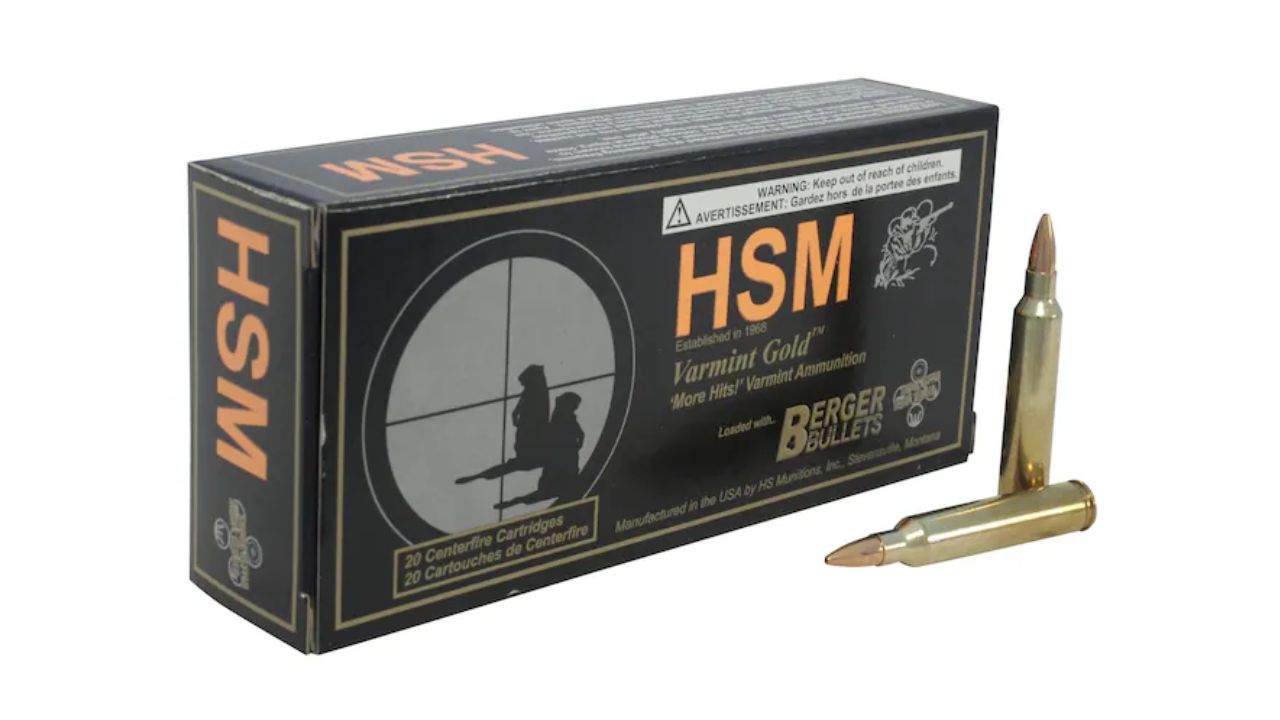
The .204 Ruger is an absolute screamer, but that velocity comes at a cost. The tiny bullets get pushed so fast they’re prone to wind drift and barrel fouling. Accuracy starts strong but falls apart after a few hundred rounds without meticulous cleaning.
On paper, it’s a varmint hunter’s dream. In practice, it’s high maintenance and unforgiving. It’s not a bad round—it’s just not the bargain it looks like when you realize how much upkeep it demands. Most hunters end up going back to .223 or .22-250 once the shine wears off.
.17 WSM

The .17 WSM tried to take rimfire into centerfire performance territory and didn’t quite stick the landing. It’s fast, loud, and initially exciting, but inconsistent quality control and limited rifle options make it frustrating to own.
Wind sensitivity is extreme, and even premium rifles chambered in it have struggled to produce consistent groups. It’s too expensive to plink with and too unreliable for hunting past short range. You’ll brag about it at first, then quietly return to your .22 Mag or .17 HMR after a few disappointing outings.
.450 Bushmaster

The .450 Bushmaster made waves as a straight-wall thumper for deer hunters, but it’s not the “affordable powerhouse” it’s made out to be. The ammo is pricey, the recoil is punishing, and many rifles struggle with accuracy past 150 yards.
You can reload it, but brass and bullets aren’t cheap either. It hits hard, no question—but it’s more punishing to the shooter than the wallet can sustain. It’s a fine round in specific situations, but if you think you’re saving money or simplifying things, you’ll learn quickly otherwise.
6.5 PRC

The 6.5 PRC is another “modern marvel” that promises long-range performance in a short action. It’s fast and flat, but it also eats barrels like few others in its class. It’s expensive to shoot and loud enough to make range days miserable without a brake.
For the average hunter, it doesn’t offer enough real-world benefit over the 6.5 Creedmoor to justify the cost and wear. It’s an impressive round for those who compete, but for everyone else, it’s a pricey way to chase hype.
.30 Carbine
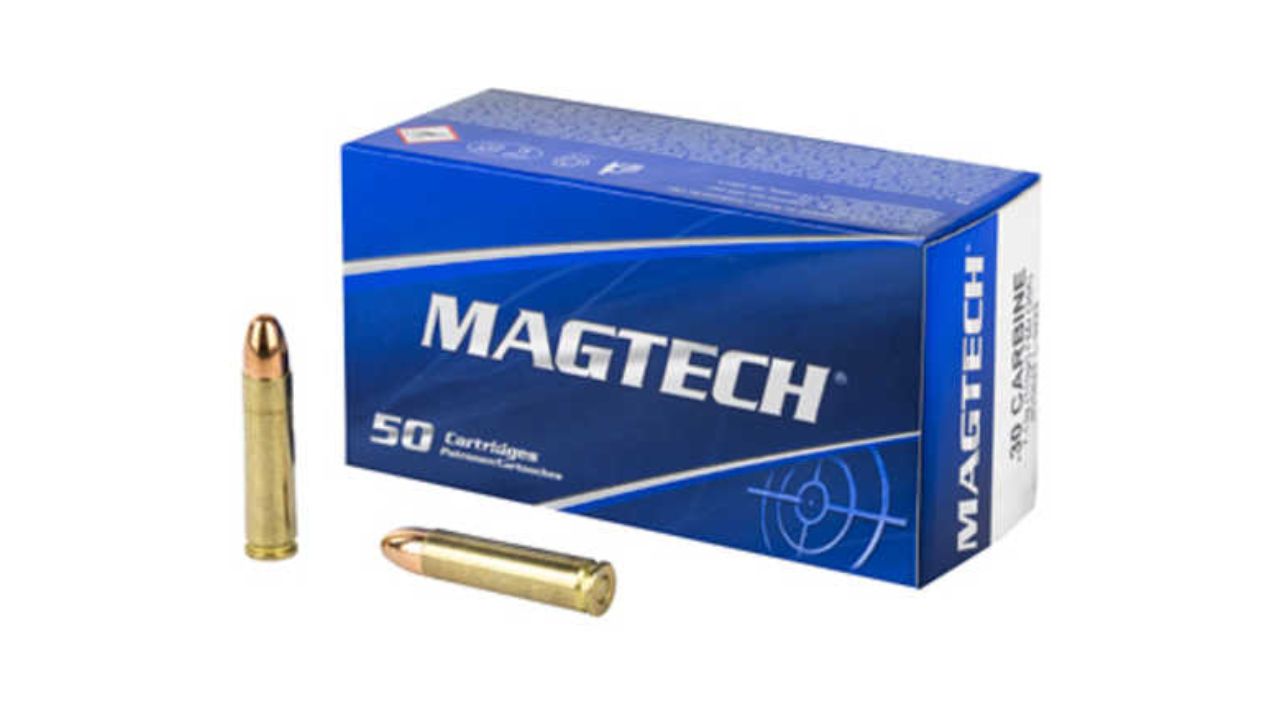
The .30 Carbine is nostalgic and fun but underwhelming by modern standards. It’s caught between pistol and rifle performance, and while it’s fun in an M1, it’s not particularly practical. Ammo prices are high for what you get, and ballistics are anemic for hunting.
It’s a caliber that feels like a great deal when you stumble upon a case of surplus ammo—until you realize why it was so cheap. It’s historically significant, sure, but outside of that, it’s a charming trap for anyone expecting real performance.
7mm Remington Ultra Magnum
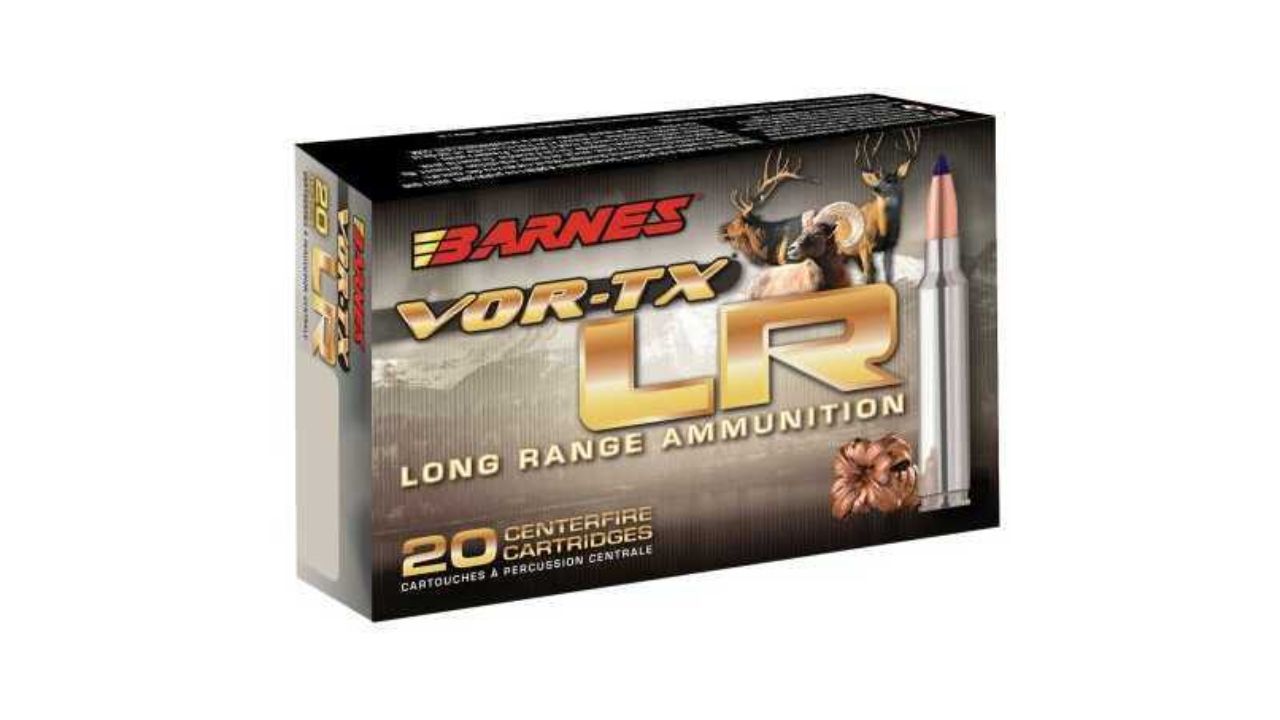
The 7mm RUM is a powerhouse on paper—massive velocity, huge energy, long-range potential. But it’s an overbore monster that burns barrels fast, kicks like a mule, and costs a fortune to feed. It’s a round that sounds great until you’ve replaced a barrel after only a few seasons.
It shoots flat, but the price of ammo and wear make it a bad trade for most hunters. You think you’re getting a “do-it-all” caliber, but what you really get is recoil, heat, and expense. It’s the classic magnum trap dressed up as long-range luxury.
.338 Federal

The .338 Federal was supposed to give .308 shooters more punch without more recoil. Instead, it gave them more cost and less convenience. Ammo’s hard to find and expensive when you do, and the ballistic improvement isn’t enough to notice at typical hunting ranges.
It performs fine inside 200 yards, but beyond that, the energy drop-off is steep. It’s one of those “smart upgrades” that never needed to happen. You’ll spend more chasing ammo than you gain in real-world performance—and that’s the definition of a trap.
Like The Avid Outdoorsman’s content? Be sure to follow us.
Here’s more from us:
The worst deer rifles money can buy
Sidearms That Belong in the Safe — Not Your Belt
*This article was developed with AI-powered tools and has been carefully reviewed by our editors.