Photo credit: CZ-USA
When you’re throwing magnum loads downrange all season—whether it’s for geese, turkey, or late-season ducks—you quickly learn which shotguns hold up and which ones don’t. Some guns are fine for light field use but start to rattle, jam, or wear out once the pressure’s on. It’s not always the brand name or price tag that tells the story—it’s how the gun holds up after hundreds of heavy shells in wet, cold, gritty conditions. These are the ones seasoned hunters learn to be cautious with.
Remington 887 Nitro Mag
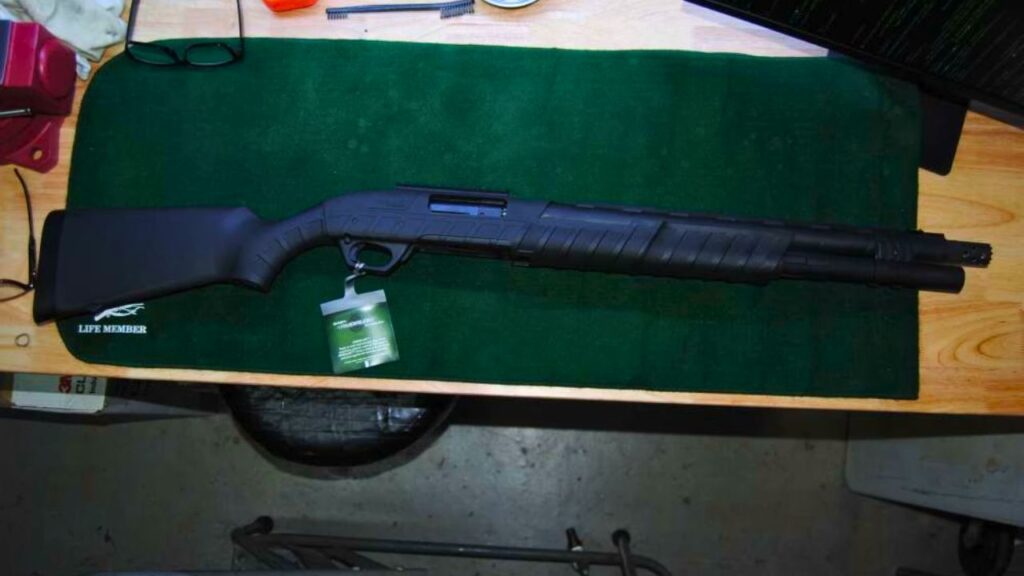
At first glance, the 887 looked like a tougher 870 with its overmolded armor finish. But it didn’t take long for heavy-load shooters to spot the issues. The action feels clunky, and the trigger group is prone to problems under repeated stress.
Running magnum loads through it regularly? That’s when the wear shows. Users reported cycling issues, loose parts, and an overall decline in performance. The gun’s protective finish wasn’t enough to make up for the internals wearing down faster than expected in heavy hunting scenarios.
Mossberg 500 Turkey Thug
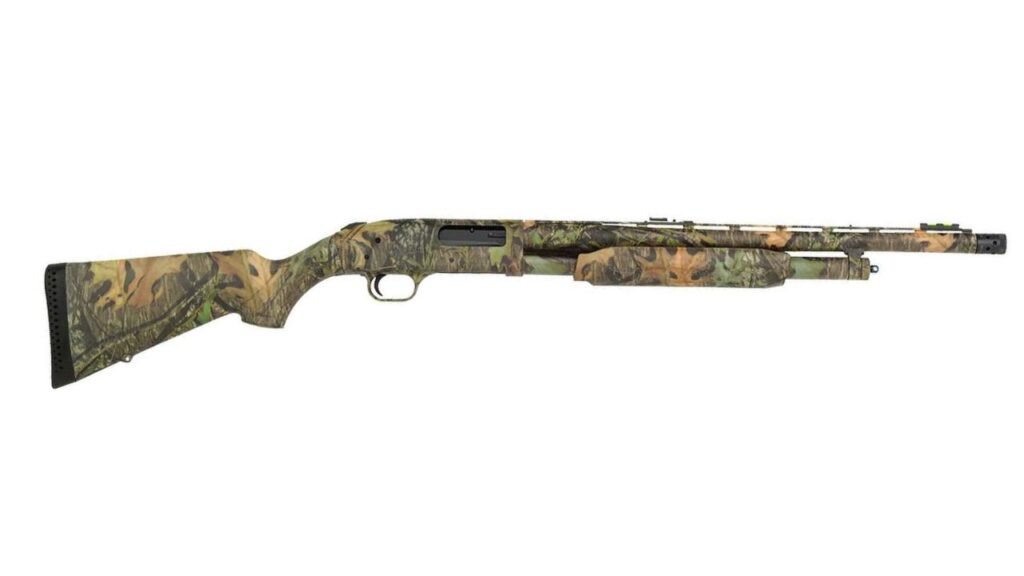
The Mossberg 500 line is known for being dependable in general, but when you start running high-brass or 3-inch magnum turkey loads, some of the lightweight variants don’t hold up as well. The Turkey Thug edition in particular showed signs of fatigue early on.
The pump action starts to loosen, and the synthetic stock doesn’t absorb much recoil. Over time, the constant pounding leads to shooter fatigue and wear around the bolt and carrier. It works for light use, but with regular hard-hitting loads, it begins to feel worn.
Winchester SXP Waterfowl
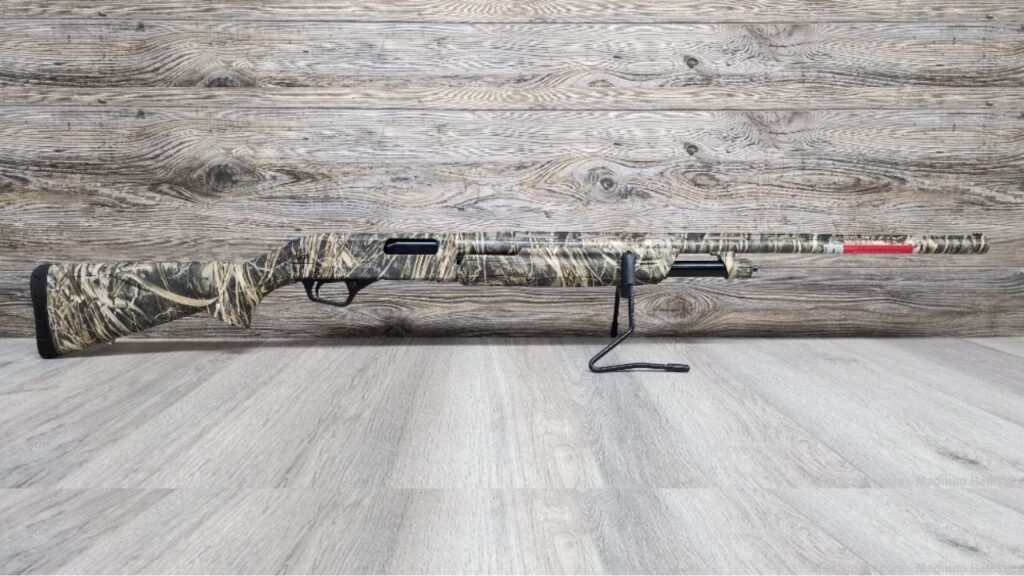
The SXP cycles fast, no doubt. But that speed doesn’t mean durability. Hunters have reported issues with the aluminum receiver stretching over time, especially with heavy steel or tungsten loads. It may not happen immediately, but repeated use starts to take a toll.
You’ll notice a gradual loss in smoothness and reliability when conditions get rough. When you’re hammering 3.5-inch shells all season, things that once felt tight start to feel loose. The gun’s fine for moderate use, but it isn’t built for serious abuse.
TriStar Raptor
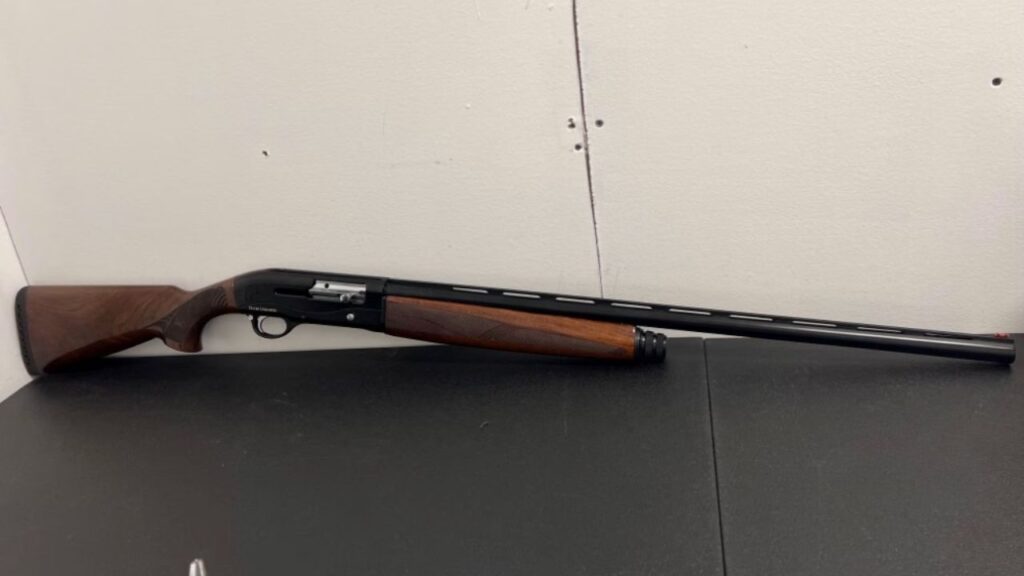
For a budget semi-auto, the Raptor gets decent marks—until you start putting heavy hunting loads through it. That’s when gas system issues begin to show up. Cycling becomes spotty, and internal wear adds up fast.
The plastic components inside the forend and around the action don’t like repeated pounding. Even if you clean it regularly, it starts to feel unreliable with magnums. It’s a good starter gun, but serious waterfowlers and turkey hunters usually move on after a season or two.
Stoeger M3000

You’ll see the M3000 praised for being affordable and inertia-driven, but running heavy loads through it for a whole season exposes its weak points. The action doesn’t always cycle cleanly when carbon builds up, especially with low-maintenance field use.
The recoil also wears you down. Without a gas system to soak it up, 3-inch magnums beat up both the shooter and the shotgun. Parts like the bolt handle and recoil spring assembly are known to wear early under heavy use, especially in wet or freezing conditions.
Charles Daly 601
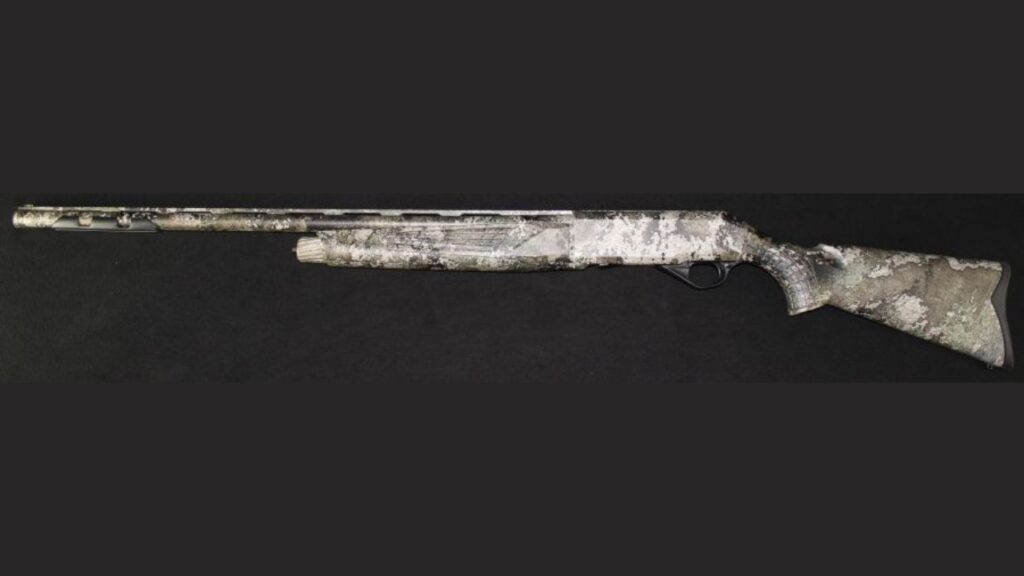
This semi-auto comes with an attractive price tag, but it struggles when you feed it magnum loads. The cycling gets inconsistent, and the components—especially in the gas system—tend to wear prematurely. It just wasn’t designed to take a season’s worth of abuse.
You might get by for a while if you’re meticulous with maintenance. But for hunters who spend real time in the field, especially in bad weather, the 601 quickly shows its limits. The action gets sluggish, and reliability becomes a problem.
Benelli SuperNova (With Comfortech)
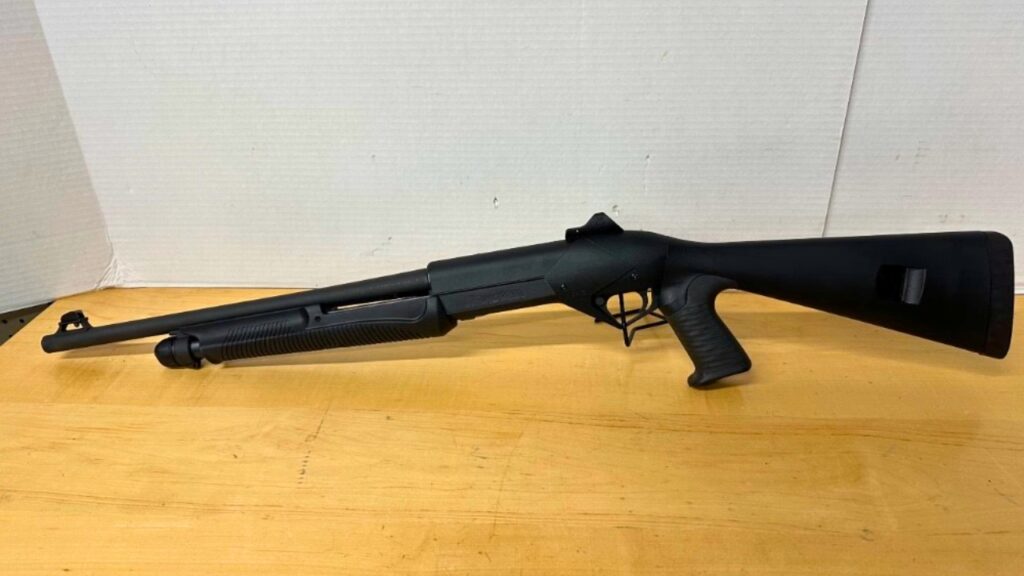
This one might surprise you, but even Benelli’s rugged-looking SuperNova can wear on you over time. The Comfortech stock reduces felt recoil some, but it still kicks hard with 3.5-inch loads—and the pump action can get stiff and loud in cold conditions.
Repeated heavy use has caused reports of cracked stocks and loose forend assemblies. It’s a solid performer for occasional use, but if you’re loading heavy for ducks or turkey week after week, it starts to show fatigue in the action and shooter alike.
CZ 712 Utility G2
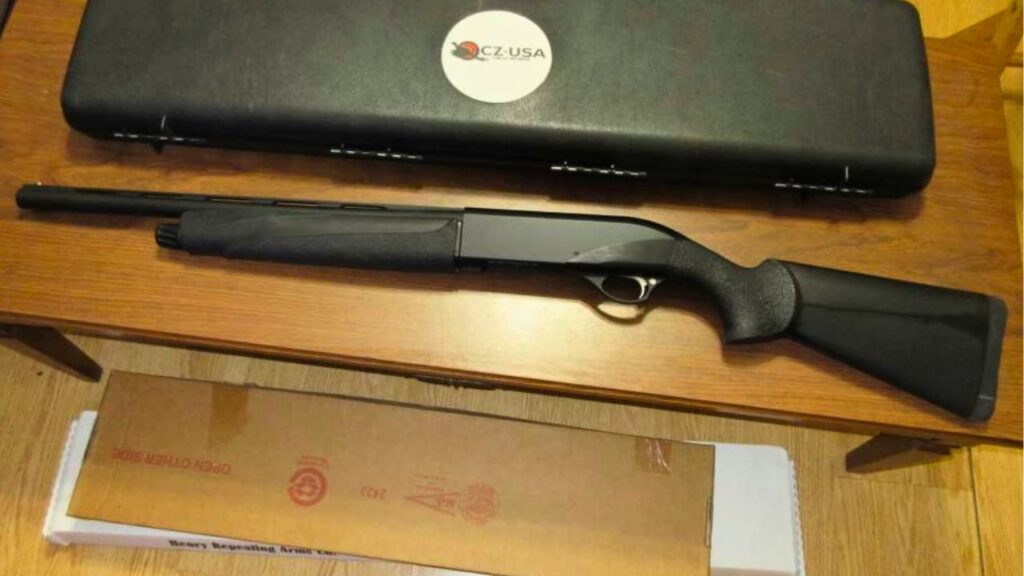
The 712 Utility G2 is a functional semi-auto for the price, but once you feed it a steady diet of magnum loads, you’ll see the flaws. The gas system is sensitive, and it doesn’t always recover well when used in extreme weather or muddy blinds.
Recoil isn’t the issue—the reliability is. The action fouls quickly, and ejection becomes inconsistent. Hunters relying on fast follow-ups often get left with jams or short-strokes. It’s affordable for sure, but it’s not a long-haul shotgun for heavy-load hunting.
Weatherby SA-08 Deluxe
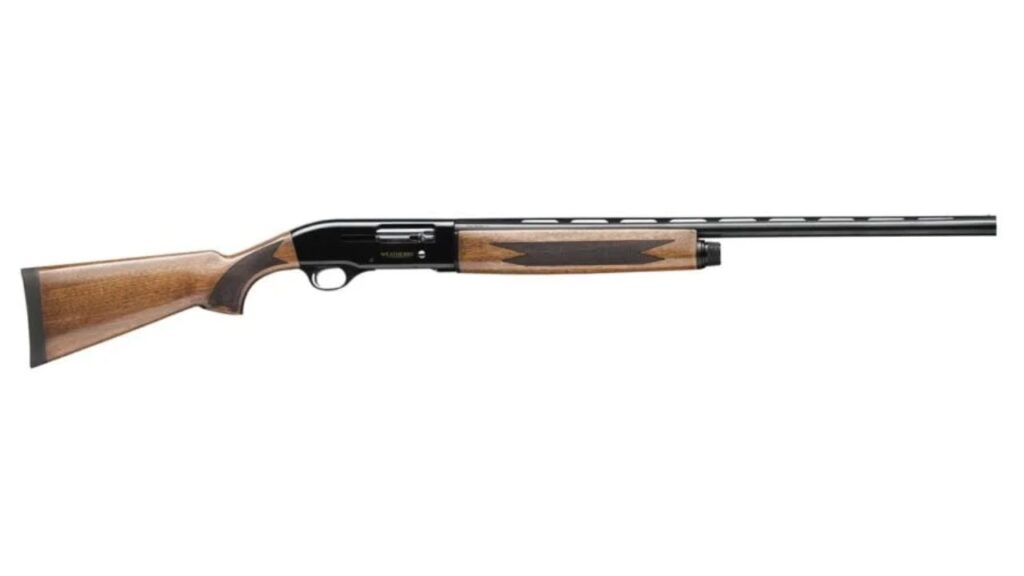
Smooth and light, the SA-08 is a favorite among upland hunters. But take it out for waterfowl or turkey hunting with 3-inch loads, and the limits appear fast. The aluminum receiver and softer recoil pad don’t stand up well to prolonged abuse.
You’ll also notice the dual valve system isn’t foolproof when switching between light and heavy loads in tough conditions. If you’re sticking to lighter game, it works fine. But elk loads in the cold marsh? This one starts to feel underbuilt for the job.
Savage 320 Security (Used for Hunting)
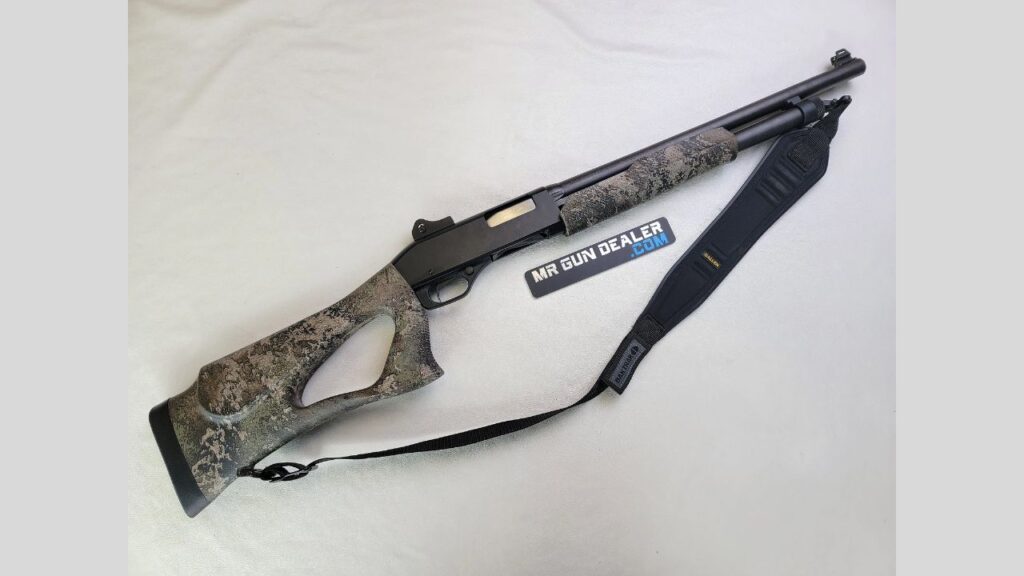
Some folks try to repurpose the 320 Security model for turkey or goose hunting with heavy loads, but the setup doesn’t handle it well. It was designed for home defense, not punishing magnum use in the woods or blind.
The pump action is rougher than most field guns, and the short barrel makes the recoil more abrupt. After a season or two of hard use, the action bars and trigger assembly often feel worn out. There’s a reason dedicated field guns are built differently.
*This article was developed with AI-powered tools and has been carefully reviewed by our editors.